Zero Gravity Massage Chair with Vibroacoustic Therapy: What It Feels Like
If you’ve ever sat in a massage chair and thought, “This feels good, but something’s missing,” you’re not alone. Traditional massage chairs focus on pressure—rollers, airbags, kneading. But when you combine zero gravity positioning with sound-based vibration, the whole experience shifts into something deeper and more immersive.
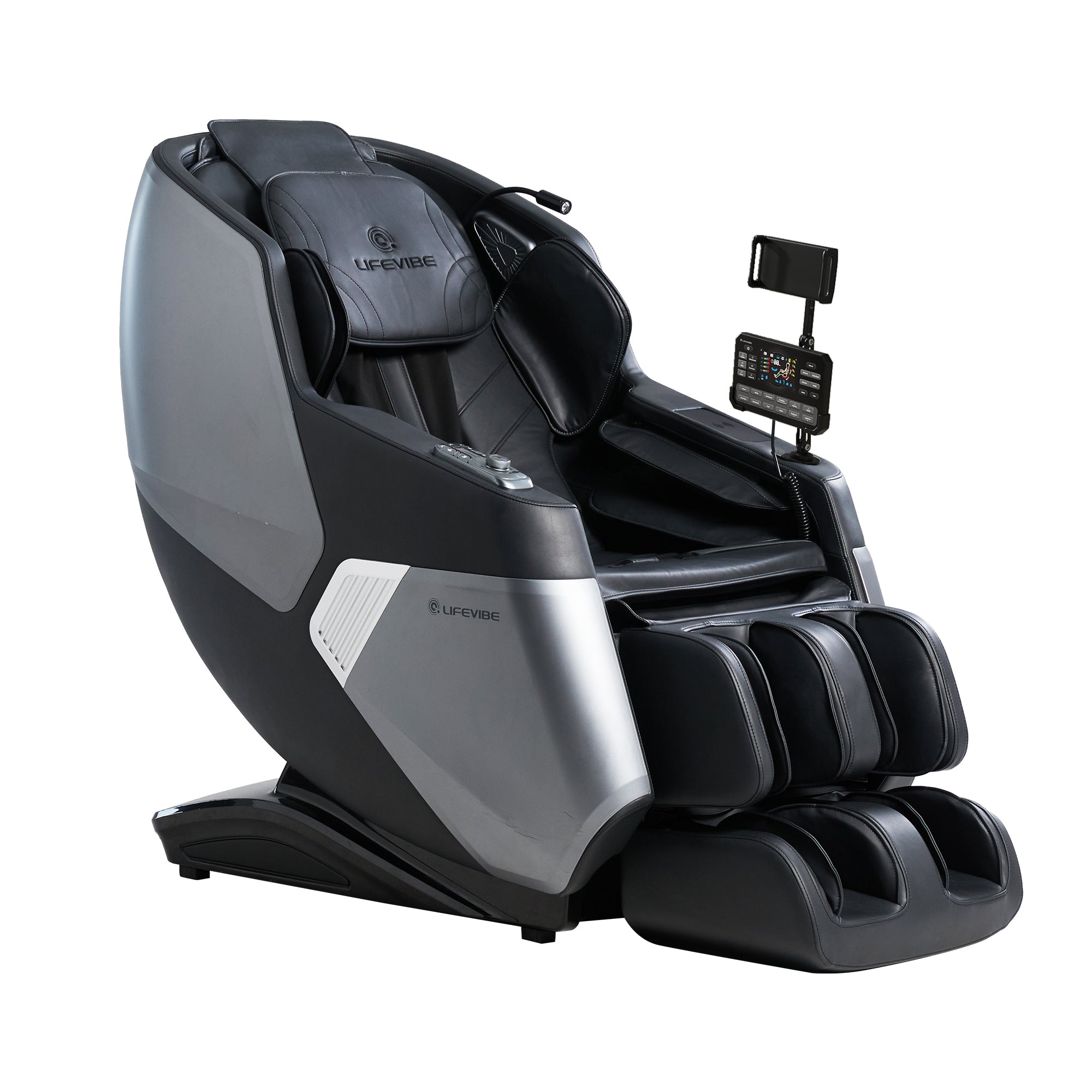
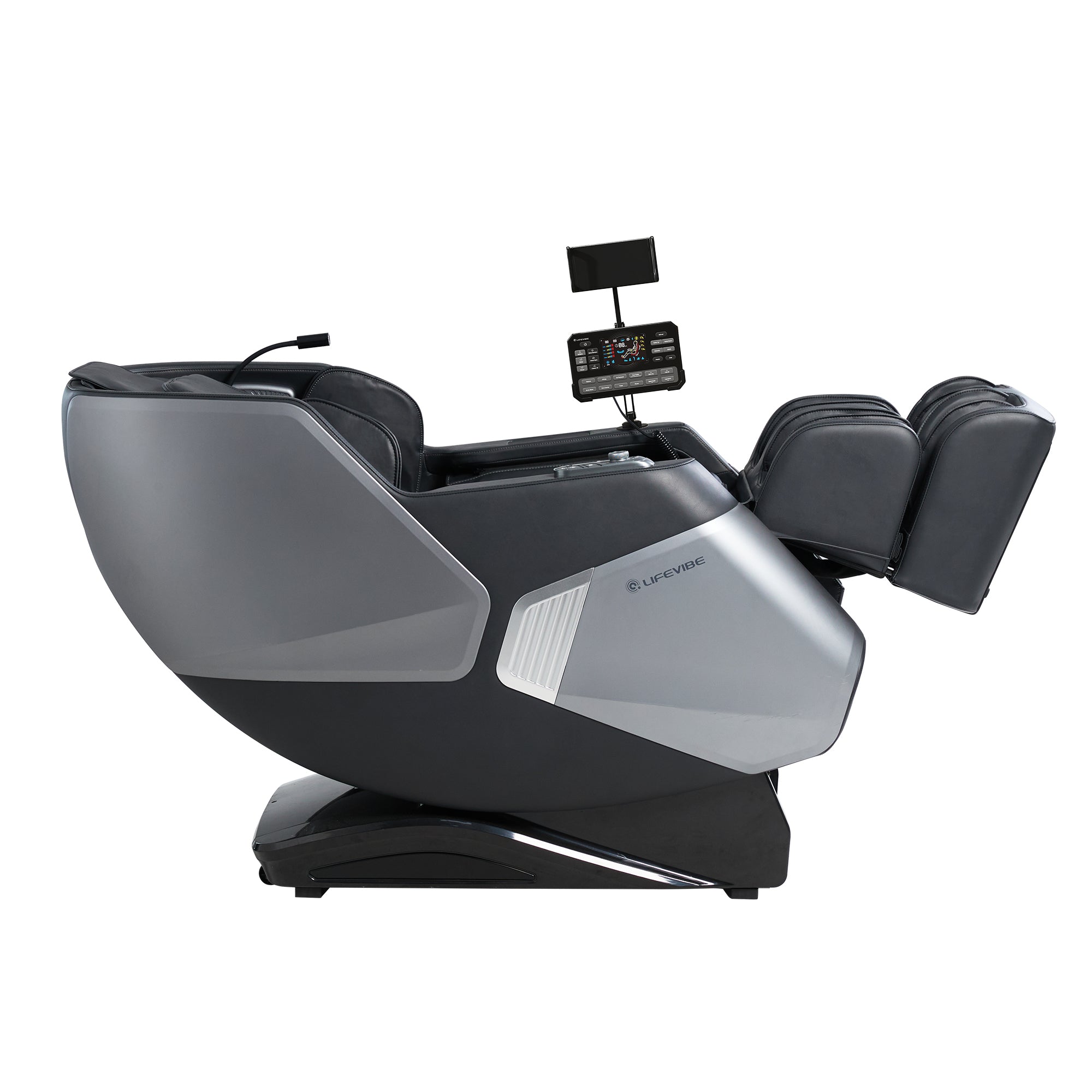
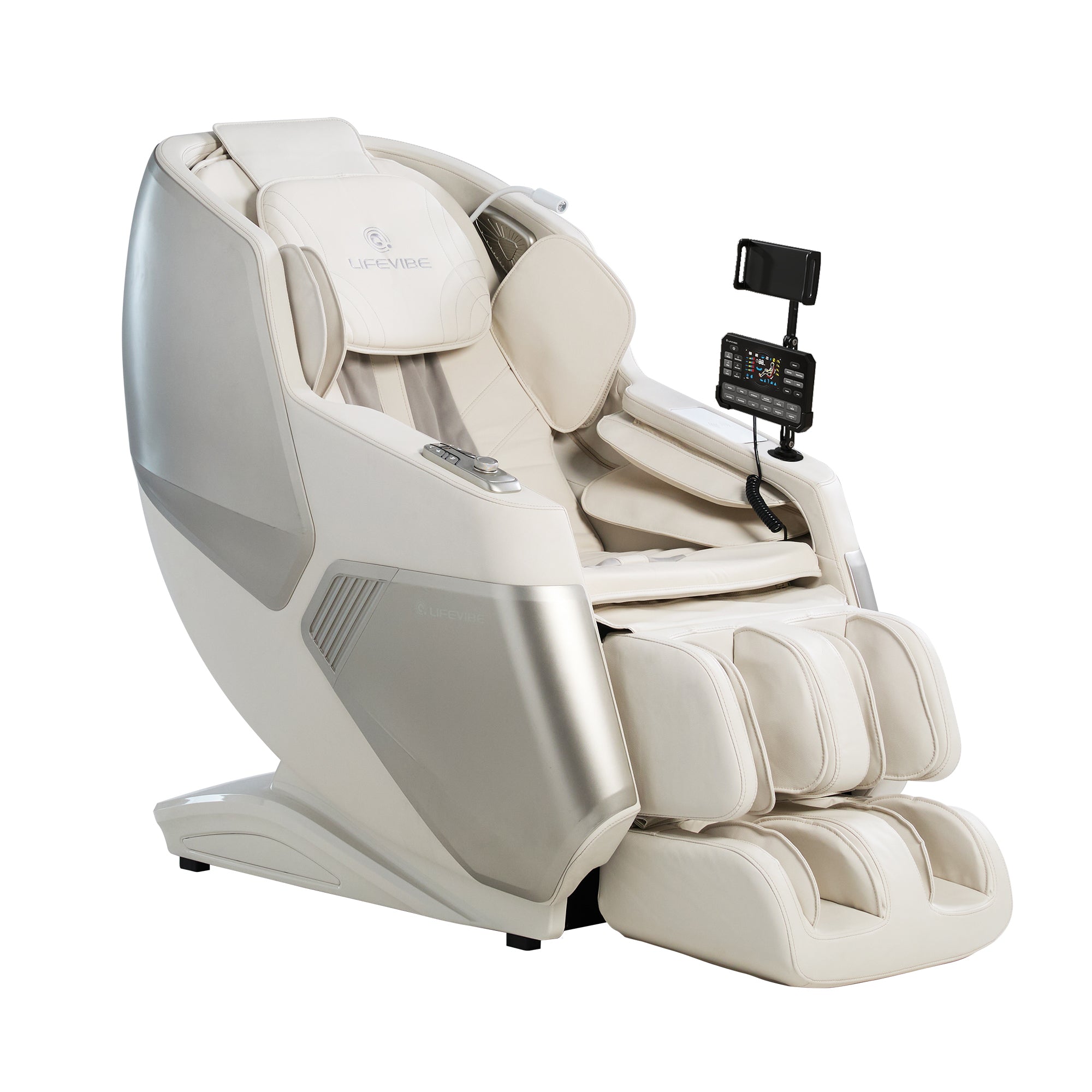
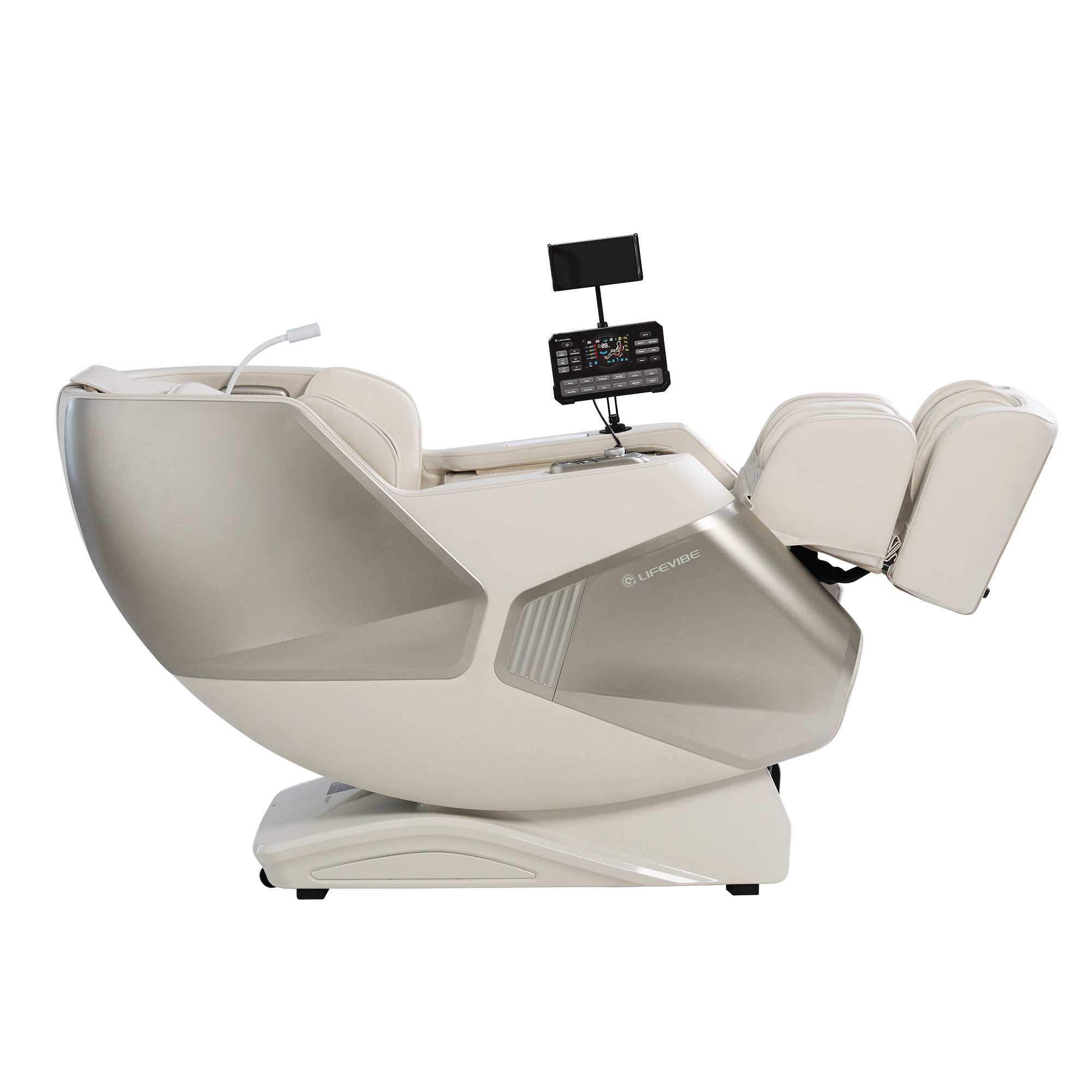
The first thing you notice is how the chair moves your body. It gently reclines until your legs are slightly higher than your heart, and your spine settles into a natural curve.
It doesn’t feel like you’re lying down. It feels more like your body is being held evenly.
This position is inspired by research from NASA, where astronauts naturally adopt a neutral posture in microgravity to reduce strain on the body.
There’s also a physiological reason it feels so good. When your body is positioned this way, pressure on the spine can decrease and circulation may improve, helping muscles relax more efficiently.
In simple terms, you feel lighter. Your lower back starts to release. And the massage begins to feel more effective without getting more intense.
Let’s see what reviewers feel about it.
The Vibration Layer: Subtle, Not Overpowering
Then the vibroacoustic part comes in—and this is where expectations often don’t match reality.
It’s not a strong buzzing or shaking. It’s much more subtle.
The chair uses low-frequency sound waves that you can actually feel. These vibrations move through your body in slow, steady waves. At first, you might notice it in your back or seat. Then it spreads, almost like a gentle ripple.
Some people describe it as a soft hum. Others say it feels like their muscles are loosening from the inside.
There’s scientific interest in this kind of therapy. Research suggests that low-frequency vibration can help promote relaxation and reduce stress responses (National Institutes of Health: https://www.ncbi.nlm.nih.gov/pmc/articles/PMC5871151/).
You don’t think about the science while sitting there, though. You just notice your breathing slowing down and your body settling into the chair.
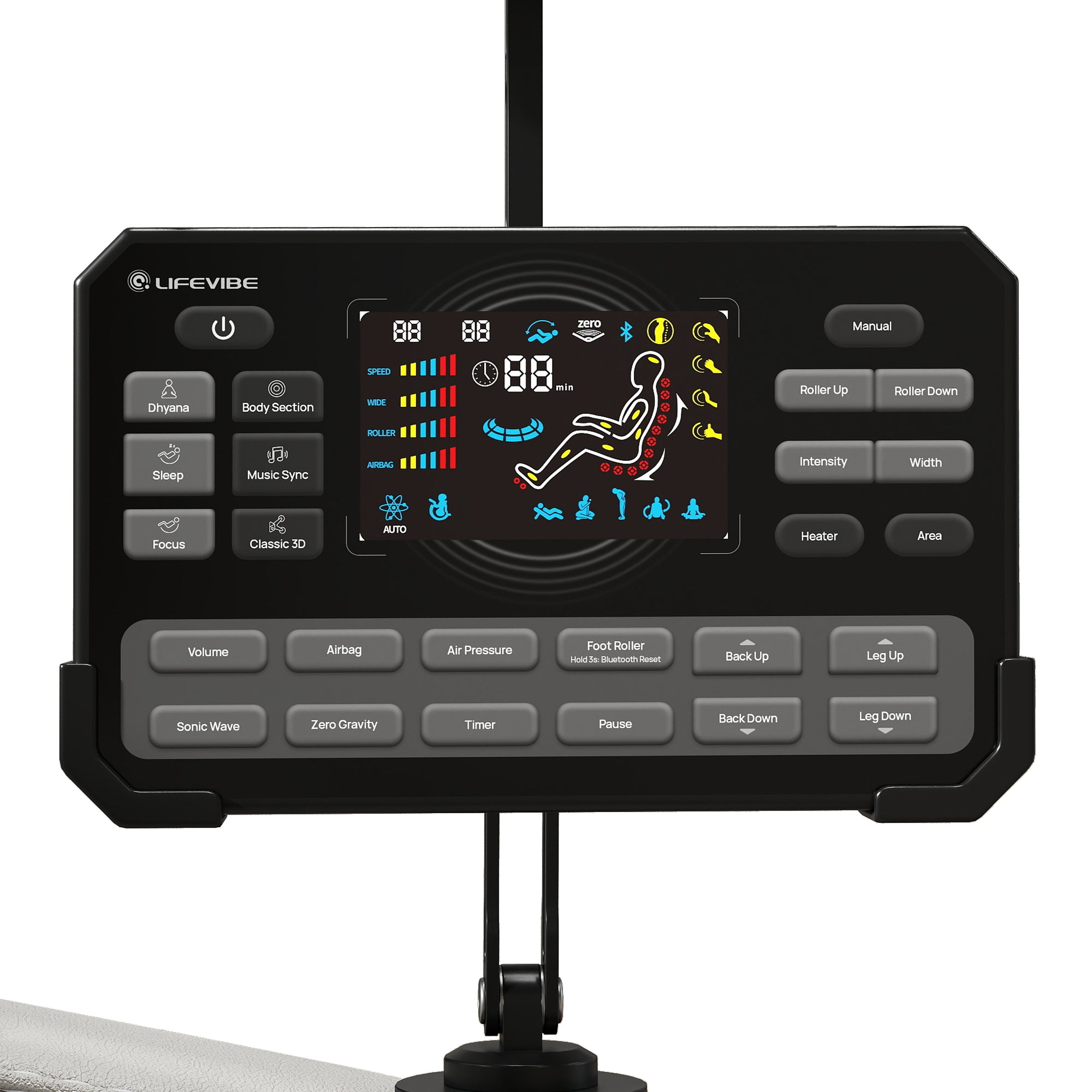
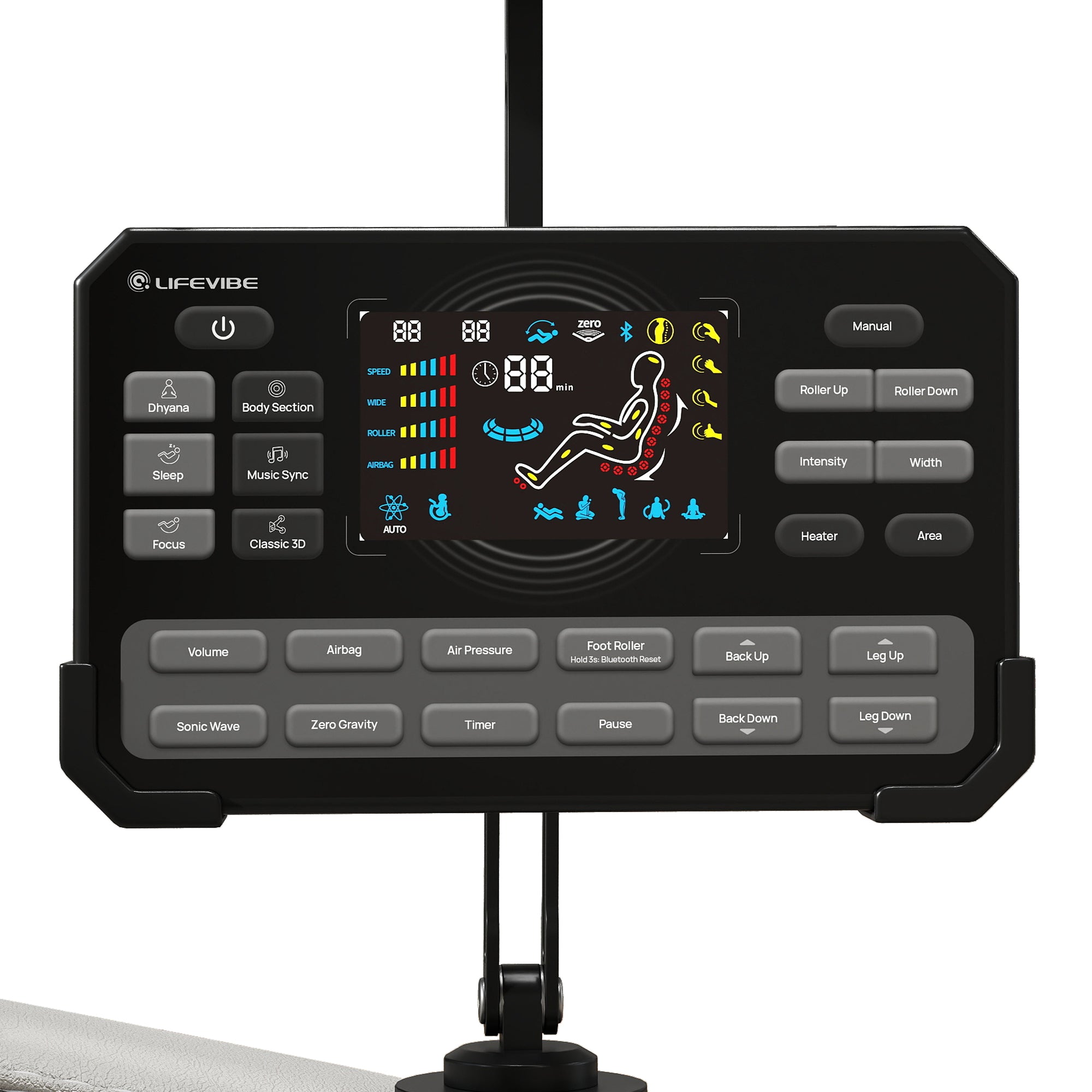
Can’t sleep? Use Lifevibe Prime sleep mode—zero gravity mode and vibroacoustic therapy helps relax your body and reduce stress.
When Zero Gravity and Vibroacoustic Therapy Combine
This is where things really come together.
Zero gravity changes how your body is supported. Vibroacoustic therapy changes how your body feels. When you combine them, the effect isn’t just additive—it’s more immersive.
Because your body is already relaxed and evenly supported, the vibrations travel more smoothly. There’s less resistance, less tension blocking the sensation.
Instead of feeling like something is working on your body, it starts to feel like the experience is happening through your body.
The massage becomes less mechanical and more fluid. Less “point pressure,” more “continuous flow.”
With systems like those used in Lifevibe chairs—such as SonicWave™ and SonicSync™—the vibration patterns can even sync with rhythm or sound, making the whole experience feel more natural and less repetitive.
Your Body Starts Letting Go Without You Noticing
After a few minutes, subtle things start to happen.
Your shoulders drop. Your jaw unclenches. Your breathing becomes slower and deeper without you trying to control it.
This ties into how the nervous system responds to relaxation. Gentle vibration and supported positioning can help activate the parasympathetic nervous system—the part responsible for rest and recovery (https://www.health.harvard.edu/healthy-aging-and-longevity/understanding-the-stress-response).
You don’t feel that in technical terms. You feel it as a quiet shift: you didn’t realize how tense you were until now.
It Feels Deeper Without Being Stronger
One thing that surprises people is that the experience doesn’t rely on intensity.
The rollers and airbags are still there, doing their job. But because your body is more relaxed, everything feels deeper without needing more pressure.
It’s not about “stronger massage.” It’s about your body being more receptive.
That’s a different kind of comfort—especially if you’ve used traditional massage chairs that rely heavily on force.
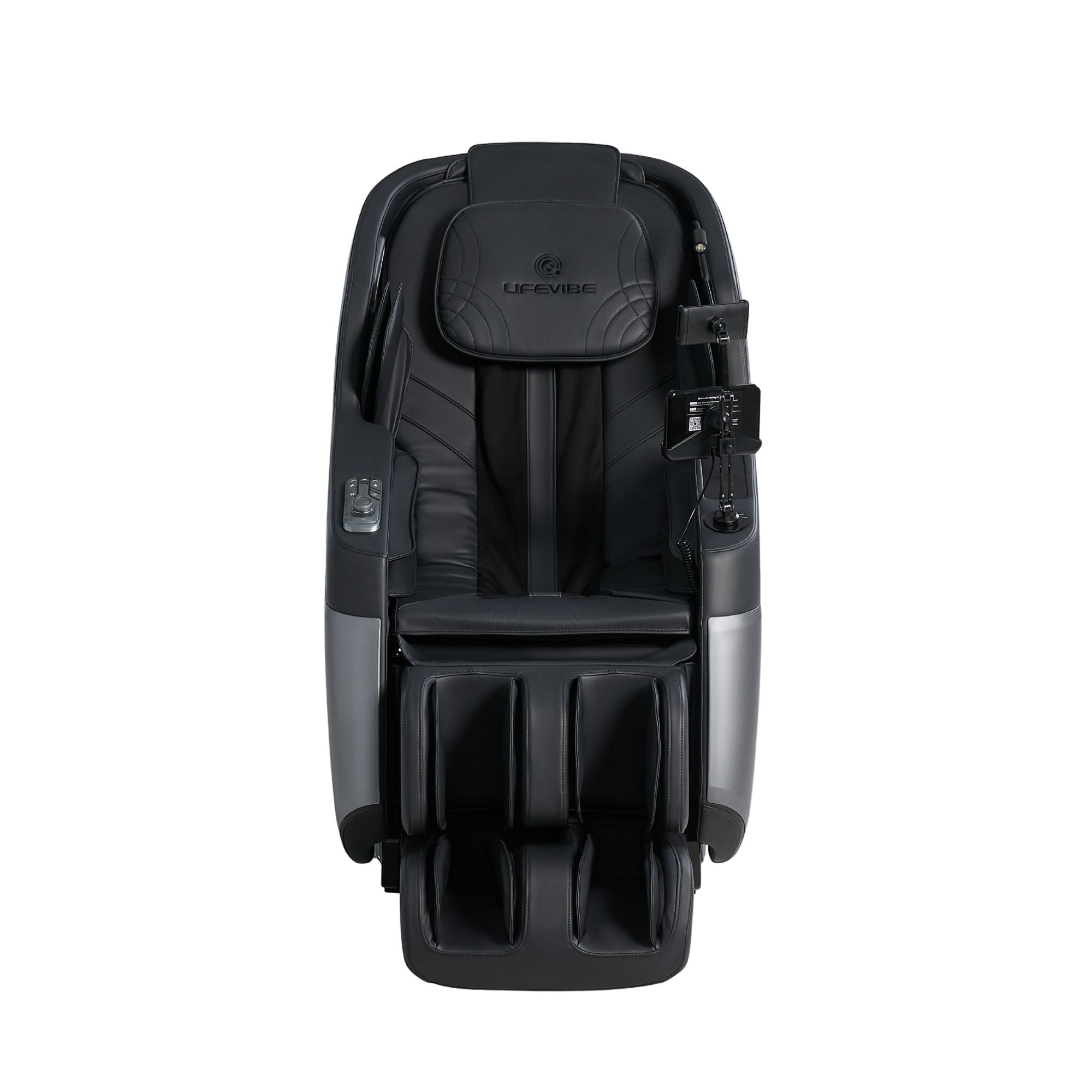
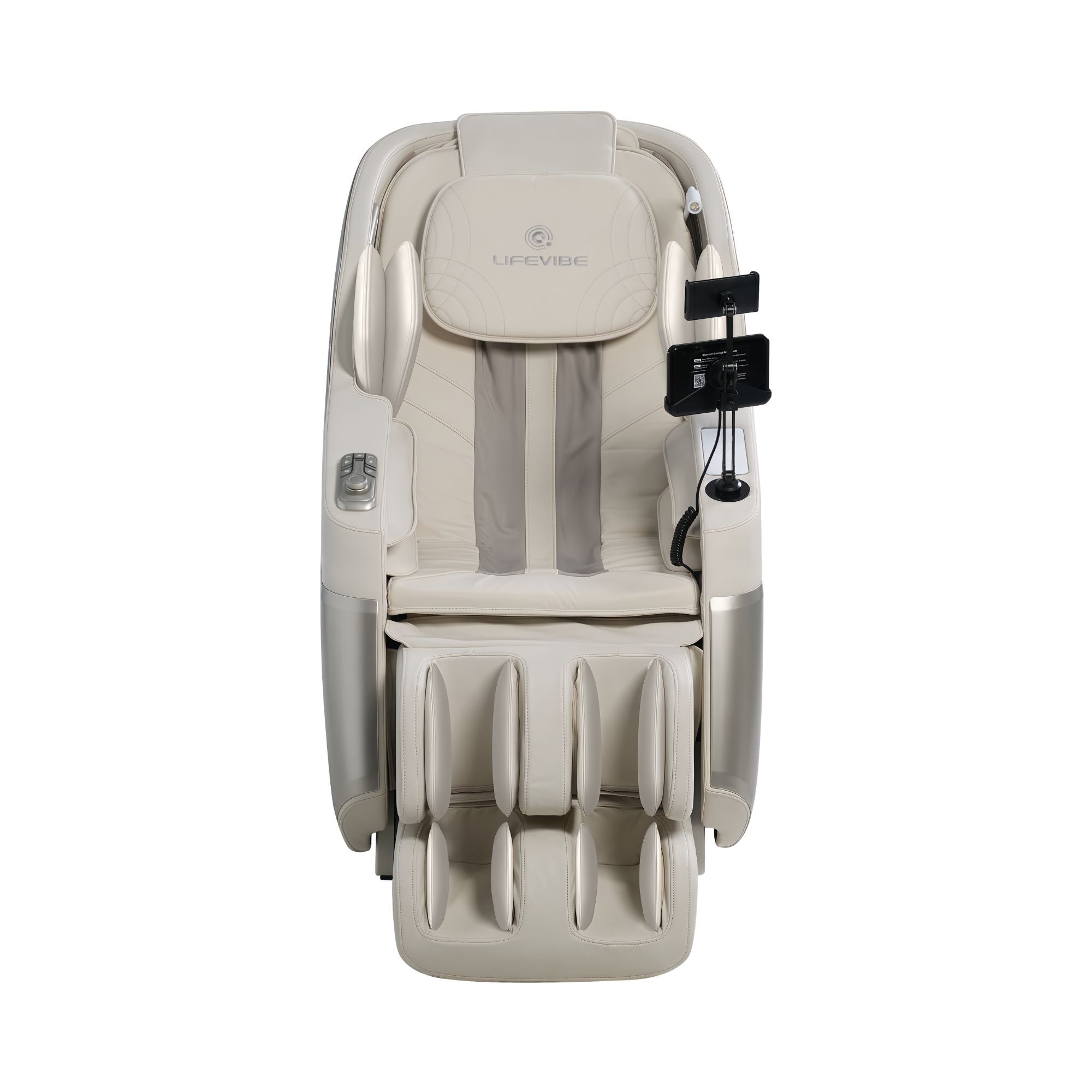
Lifevibe massage chair combines massage rollers with low-frequency vibration
There’s a Slightly Meditative Quality to It
If you stay in the chair long enough, your focus shifts.
At first, you’re paying attention to the massage. Then, gradually, you’re not really thinking about it anymore.
The combination of gentle vibration, reclined positioning, and rhythmic motion creates a steady, calming pattern. Your body follows it, and your mind quiets down.
It’s not quite sleep, but it’s close to that in-between state where you’re fully relaxed and not thinking about much at all.
Lifevibe Prime’s Dhyana mode is popular among users.
So What Does It Actually Feel Like?
If you had to describe it simply:
It feels like your body is floating while soft waves move through you, slowly loosening tension without forcing it.
There’s no sharp intensity. No sudden pressure. Just a steady, immersive sense of relaxation that builds over time.
Where Lifevibe Comes Into Play
Brands like Lifevibe are focusing more on how these features work together, rather than treating them as separate add-ons.
With technologies like SonicWave™ and SonicSync™, the goal is to make vibration feel like a natural extension of the massage, not just an extra feature layered on top.
That approach changes how the experience feels. It becomes smoother, more connected, and easier to settle into.
Do You Notice It Right Away?
The zero gravity position is immediate—you feel that shift as soon as the chair reclines.
The vibroacoustic part takes a little longer. It builds gradually, becoming more noticeable as your body relaxes.
But once both are working together, the difference is clear.
It’s less about individual features and more about how everything blends into one continuous, calming experience.









Share:
Are Vibroacoustic Therapy Massage Chairs Good After Workouts?
Vibroacoustic Therapy Chair for Insomnia: Does It Work?