

If you’ve ever stared at the ceiling at 2 a.m., you already know insomnia isn’t just “not sleeping.” It’s your mind staying active when your body is begging for rest. So it’s no surprise people are starting to look at new ways to wind down—one of them being vibroacoustic therapy chairs.
But the real question is simple: can a vibroacoustic therapy chair actually help with insomnia, or is it just another wellness trend?
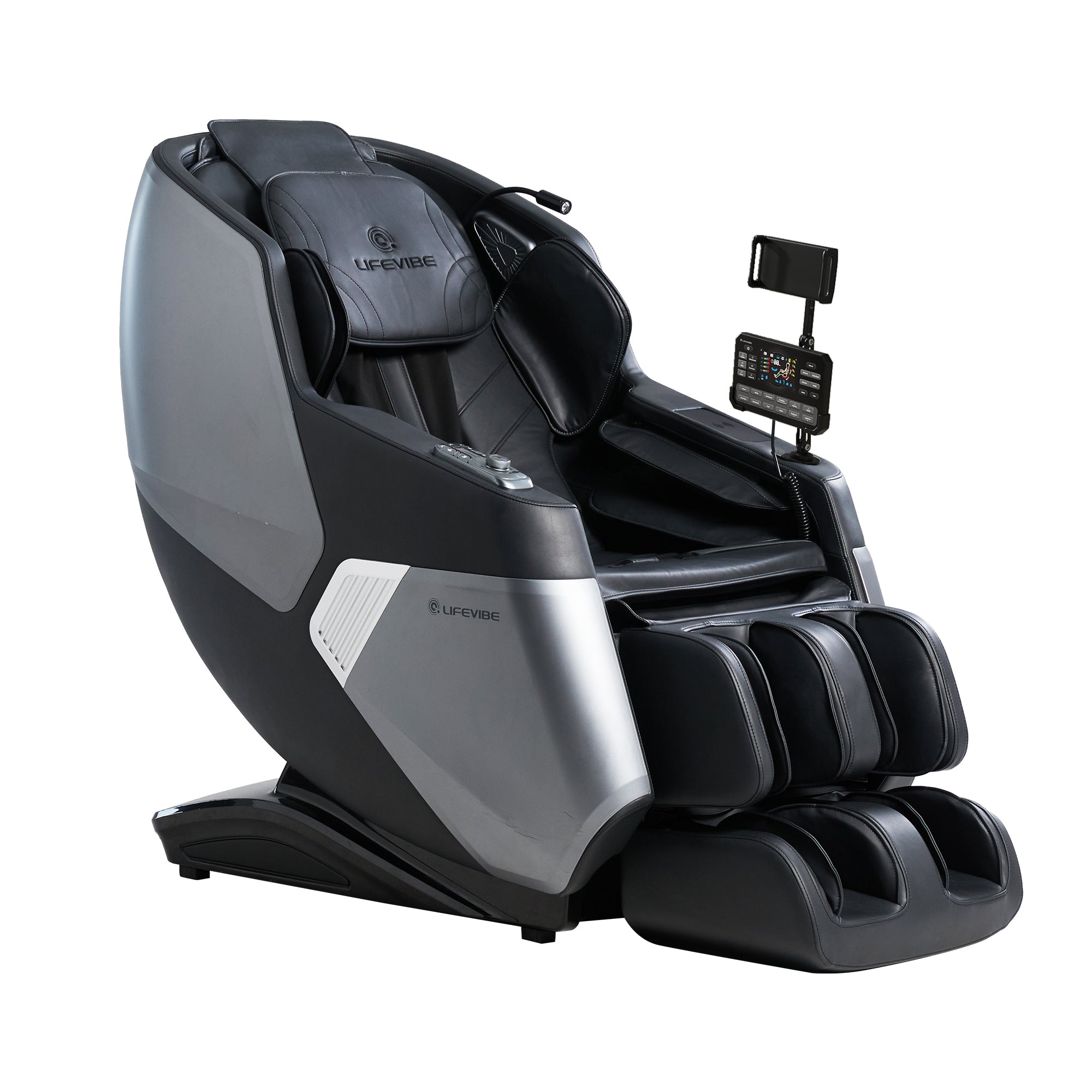
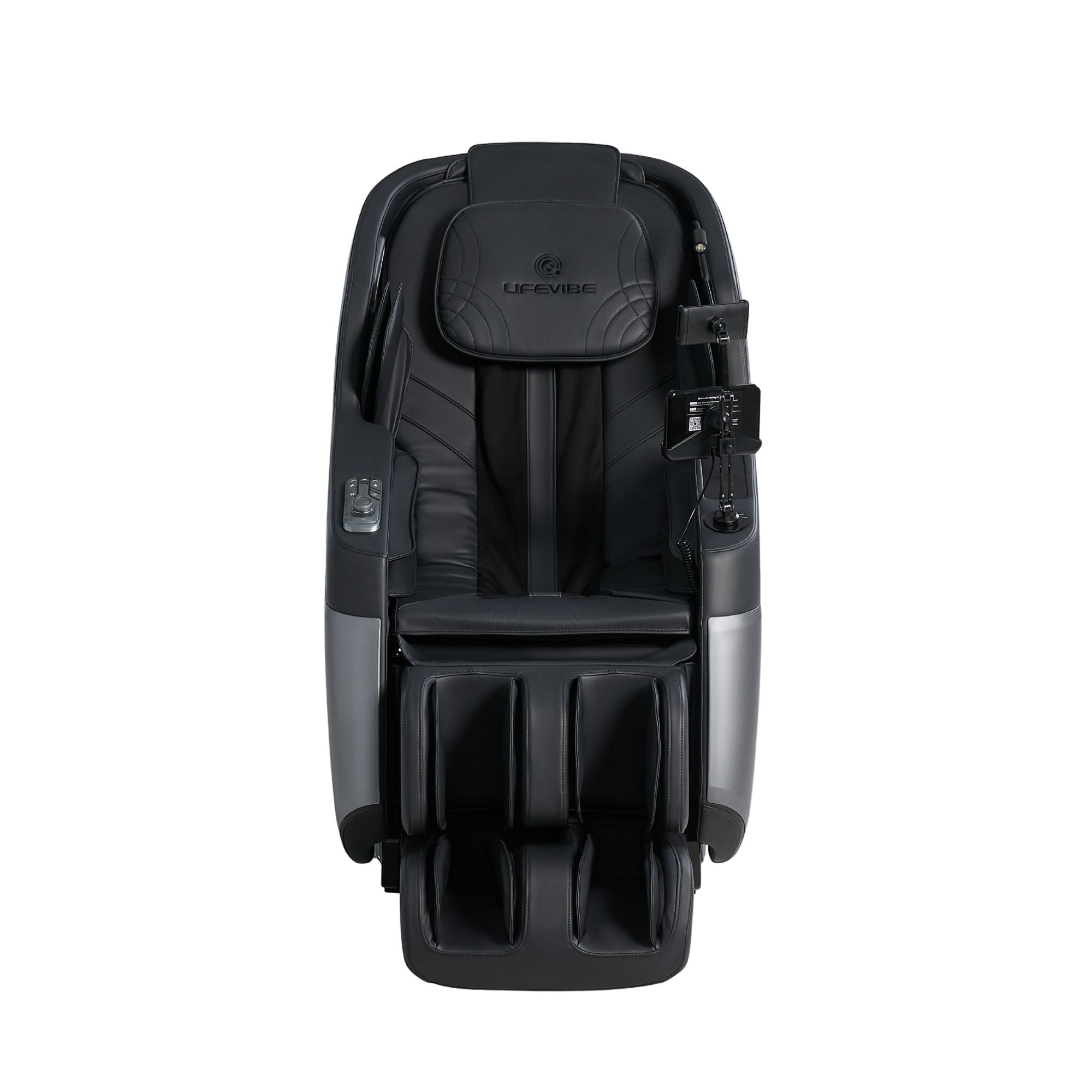
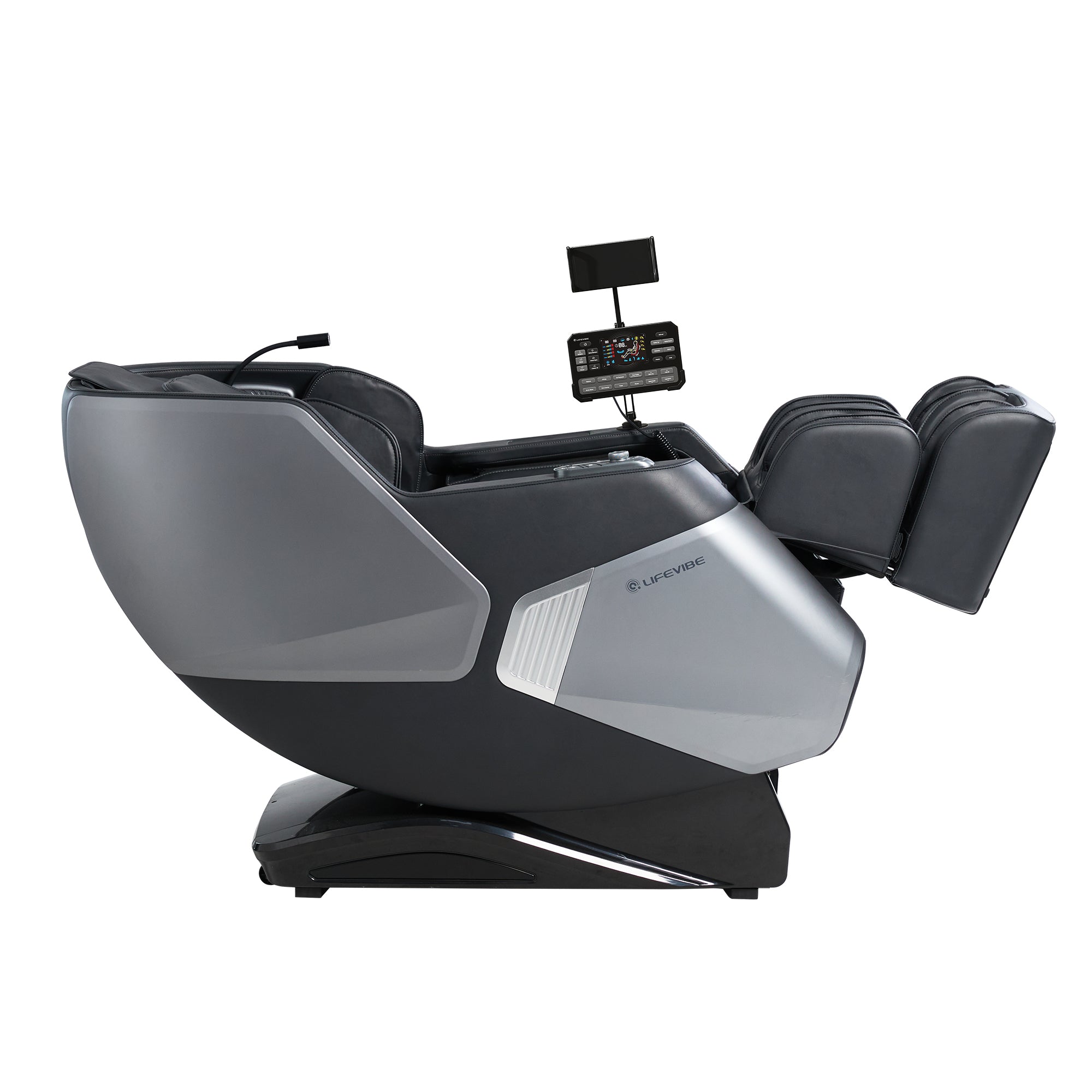
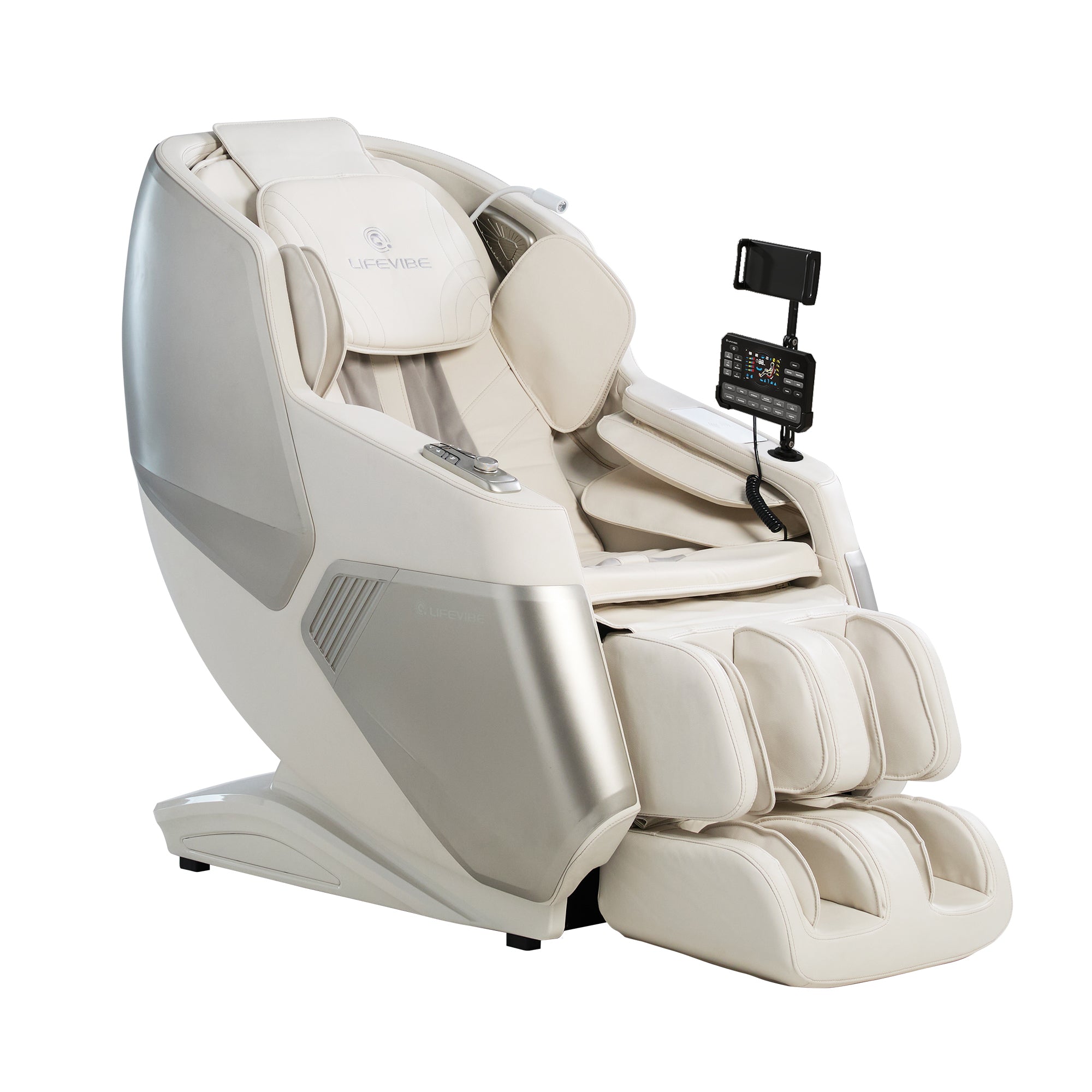
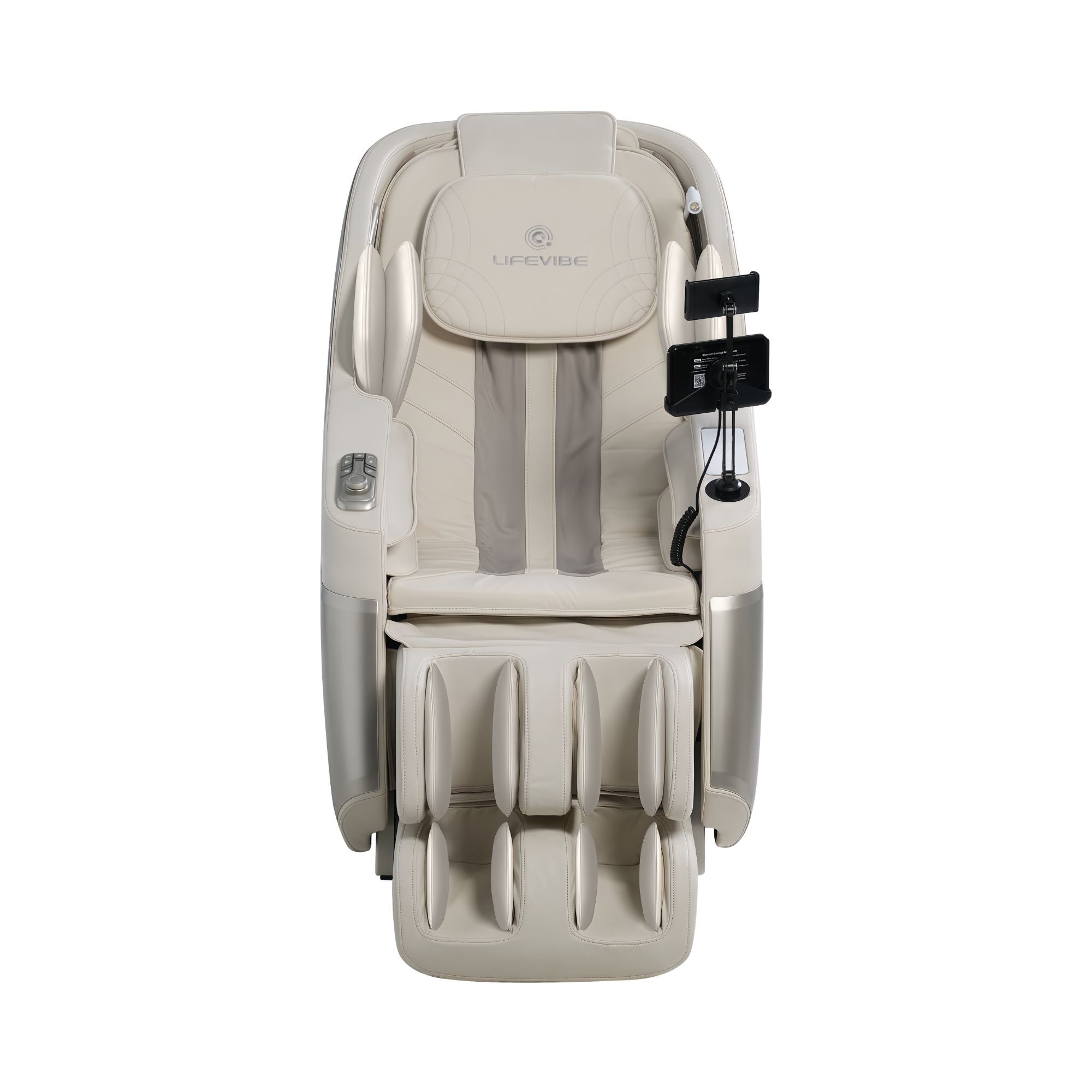
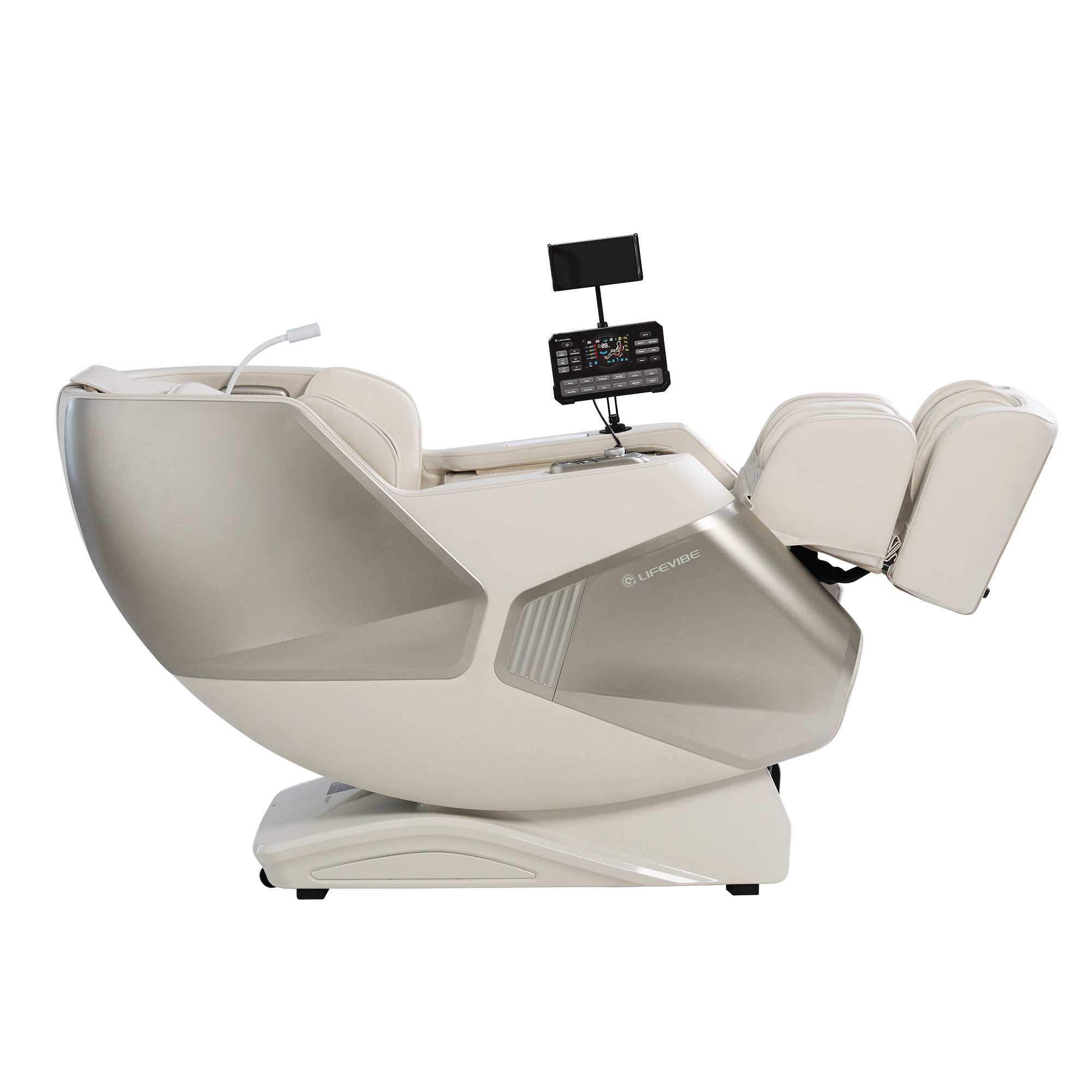
Let’s check out how these chairs actually work—especially models like the Lifevibe Prime, which combines vibroacoustic therapy and full-body massage in one system.
Why Sleep Problems Are So Hard to “Switch Off”
Insomnia usually doesn’t come from one single cause. It’s often a mix of stress, overstimulation, screen time, irregular routines, or just a nervous system that stays too “switched on.”
When your body is in that state, it’s hard to shift into deep rest because your system is still in alert mode. That’s why simple advice like “just relax” rarely works on its own.
This is where vibration-based relaxation methods like vibroacoustic therapy start to get interesting.

What a Vibroacoustic Therapy Chair Actually Does
A vibroacoustic therapy chair doesn’t just massage you—it uses low-frequency sound vibrations that travel through the body. These vibrations are usually in the range of 30–120Hz and are felt internally, not just on the surface.
In simple terms, your body is being gently “tuned” through sound and movement at the same time.
The idea behind this comes from Vibroacoustic Therapy (VAT), first developed in the 1980s by Olav Skille. Research has explored its use in relaxation and stress reduction settings. According to the National Institutes of Health (NIH), low-frequency sound stimulation has been studied for its potential to support relaxation responses in the nervous system, including reduced muscle tension and calming effects on stress-related arousal states.
That doesn’t mean it “treats insomnia” directly, but it does suggest a pathway where relaxation can support better sleep conditions.
How Lifevibe Prime Connects to Sleep
The interesting part is how modern systems like Lifevibe Prime combine two layers of relaxation:
It’s both a vibroacoustic therapy system and a full-body massage chair.
That combination matters because sleep issues are rarely just mental—they’re also physical. Tight shoulders, stiff back, and accumulated fatigue all feed into that restless feeling at night.
Prime works on both sides at once.
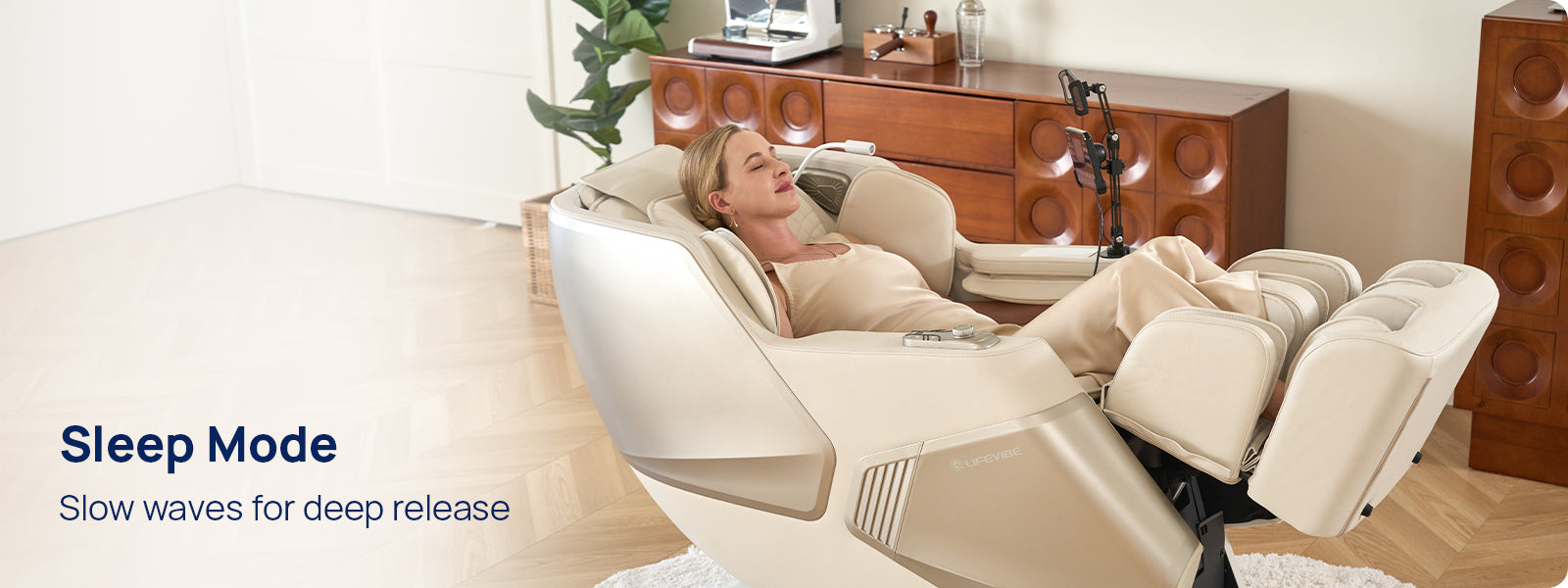
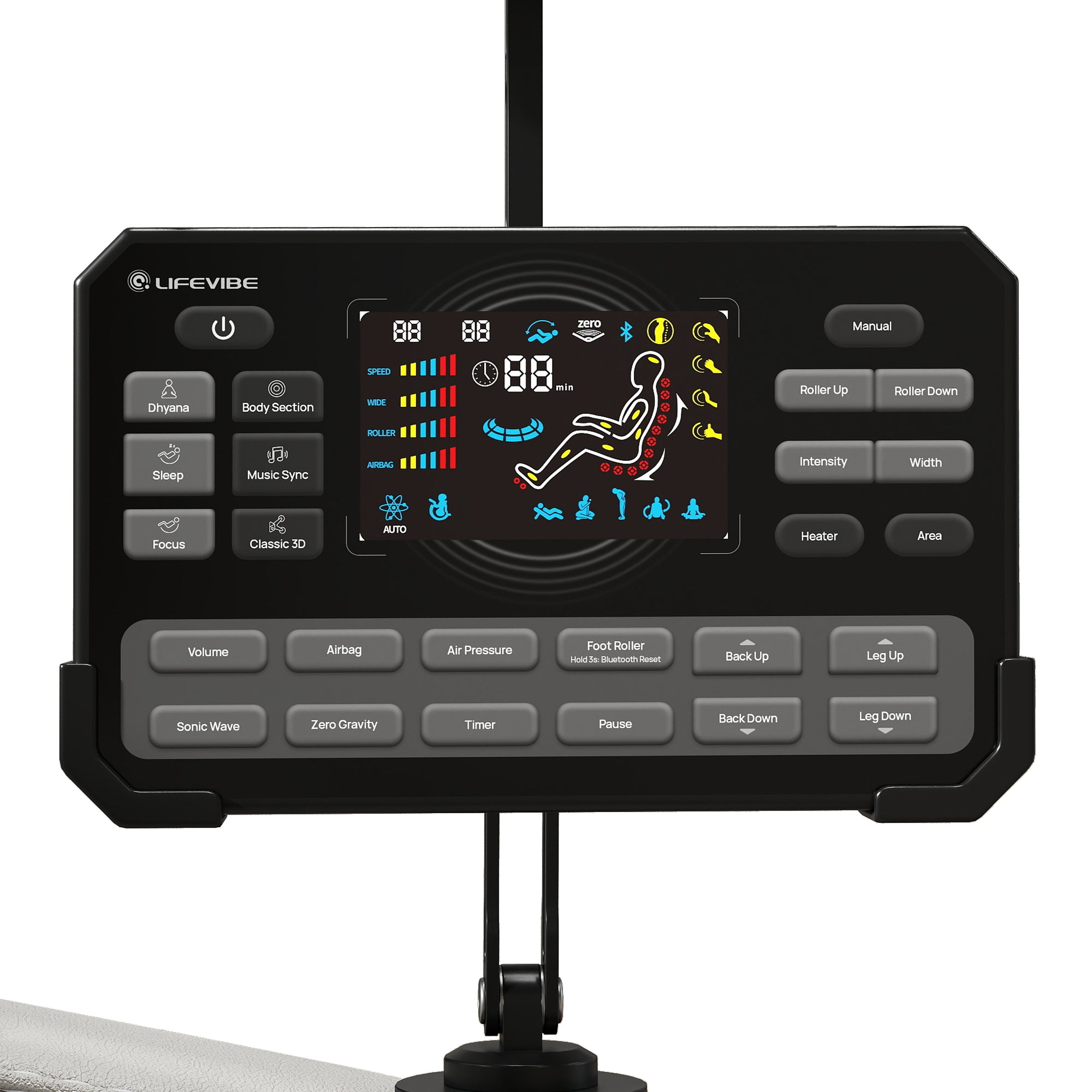
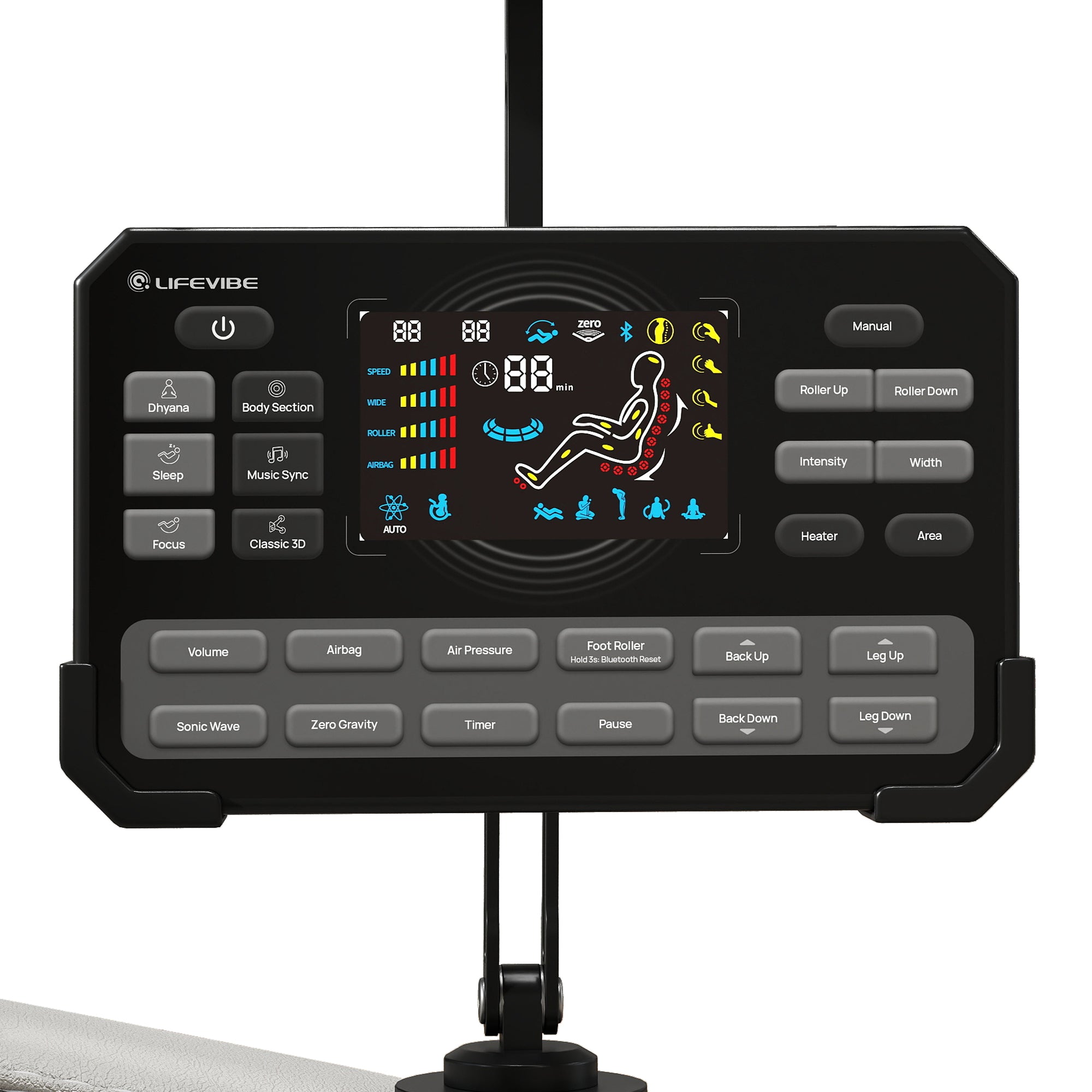
The sleep modeI of Lifevibe Prime VAT chair is ideal for winding down before bed or taking a restorative nap.
The “Two Layers” of Relaxation: Sound + Massage
Instead of relying on one method, Lifevibe Prime uses a dual system.
The first layer is vibroacoustic therapy. Low-frequency sound waves are converted into deep, gentle vibrations that travel through fascia, muscles, and soft tissue. This helps the body shift from a high-alert state toward a calmer baseline.
The second layer is mechanical massage. The rollers, SL-track system, and air compression work on muscle tension directly—especially in the neck, shoulders, and lower back, which are common “stress storage zones.”
Together, they create a more complete relaxation response than either method alone.
Why This Matters for Insomnia
To understand whether it “works,” it helps to think less about sleep as something you force, and more like something your body enters when conditions are right.
Sleep becomes easier when:
- Muscle tension drops
- Breathing slows
- Stress signals reduce
- The nervous system shifts out of alert mode
Vibroacoustic therapy targets that shift indirectly. Instead of knocking you out, it helps reduce the internal noise that keeps you awake.
Massage helps even more by physically releasing tension that often builds up during the day.
This combination is why people often use these chairs before bedtime rather than as a direct sleep “treatment.”

3D massage mechanism and sonic resonance work together (right)
The Role of Frequency: Why Vibration Feels So Calming
Different low frequencies are used for different effects. In vibroacoustic systems, lower ranges (around 50–70Hz) are often associated with deep relaxation states, while slightly higher ranges can support alertness or circulation.
According to research summarized in peer-reviewed discussions on vibroacoustic stimulation, low-frequency sound exposure has been associated with relaxation responses and autonomic nervous system modulation (such as reduced physiological arousal).
Again, this is not a medical cure, but it explains why some users feel calmer after sessions.
Lifevibe Prime integrates this idea through its SonicWave™ system, where sound is not just played—it becomes physical movement inside the body.
Why Massage Still Matters for Sleep
Even without vibroacoustic therapy, massage alone has been widely studied for relaxation and sleep support.
The Sleep Foundation notes that massage therapy may help improve sleep quality by reducing stress hormones and promoting relaxation states:
https://www.sleepfoundation.org/
When you combine that with sound-based vibration, you get a layered effect:
- Physical release from massage
- Nervous system calming from vibration
- Mental unwinding from rhythmic stimulation
That’s why many users report feeling “heavier” and more ready for sleep after using the chair.
How Lifevibe Prime Specifically Supports Sleep
Instead of being just a passive chair, Lifevibe Prime includes dedicated programs designed around sleep preparation.
Sleep Mode is one of the key examples. It uses slower rhythms, lighter intensity, and reduced stimulation to help the body transition out of activity mode. The massage becomes softer, more repetitive, and less intrusive—almost like a steady background rhythm instead of active pressure.
At the same time, vibroacoustic output stays gentle, focusing on calming the body rather than stimulating it.
There’s also Dhyana Mode, which uses low-frequency resonance designed for mental quieting and slowing down internal thought patterns.

Together, these modes are designed not to force sleep, but to make it easier for the body to arrive there naturally.
So… Does It Actually Work for Insomnia?
Here’s the most honest way to put it:
A vibroacoustic therapy chair is not a medical treatment for insomnia. It won’t “fix” chronic sleep disorders on its own.
But it can support the conditions that make sleep more likely, especially when insomnia is linked to:
- Stress
- Mental overstimulation
- Muscle tension
- Poor relaxation habits before bed
In that sense, systems like Lifevibe Prime act more like a pre-sleep environment tool rather than a direct sleep solution.
A More Realistic Way to Think About It
If sleep is a process, then relaxation is the entry point.
A vibroacoustic therapy chair doesn’t push you into sleep. It helps lower the barriers that keep you awake.
For many people, that’s enough to make falling asleep feel less like a struggle and more like a natural transition.
And when massage and vibroacoustic therapy are combined in one system, that transition becomes smoother, more physical, and easier to settle into.
So What Does This Mean for You?
Insomnia is rarely about one missing solution. It’s about a body and mind that don’t fully shut down when they should.
A vibroacoustic therapy chair—especially a dual-system design like Lifevibe Prime—works by addressing both physical tension and nervous system activity at the same time.
It doesn’t replace sleep medicine or clinical treatment, but it does offer a structured way to unwind in a world where most people rarely slow down before bed.
And sometimes, that slowing down is exactly what the body needs to start sleeping again.




Share:
Zero Gravity Massage Chair with Vibroacoustic Therapy: What It Feels Like
Is a Vibroacoustic Therapy Massage Chair a Good Gift for Parents?