


If you’ve ever wrapped up a workout and felt that mix of soreness, tightness, and mental fatigue, you know recovery isn’t just about sitting down and waiting it out. Stretching helps, hydration helps—but sometimes your body still feels “stuck.”
That’s where vibroacoustic therapy (VAT) massage chairs—like those from Lifevibe—come into the picture. They don’t just press into your muscles. They use low-frequency sound waves to create a kind of internal vibration that feels very different from traditional massage.
So, are they actually good after workouts? Let’s talk about what’s really going on.

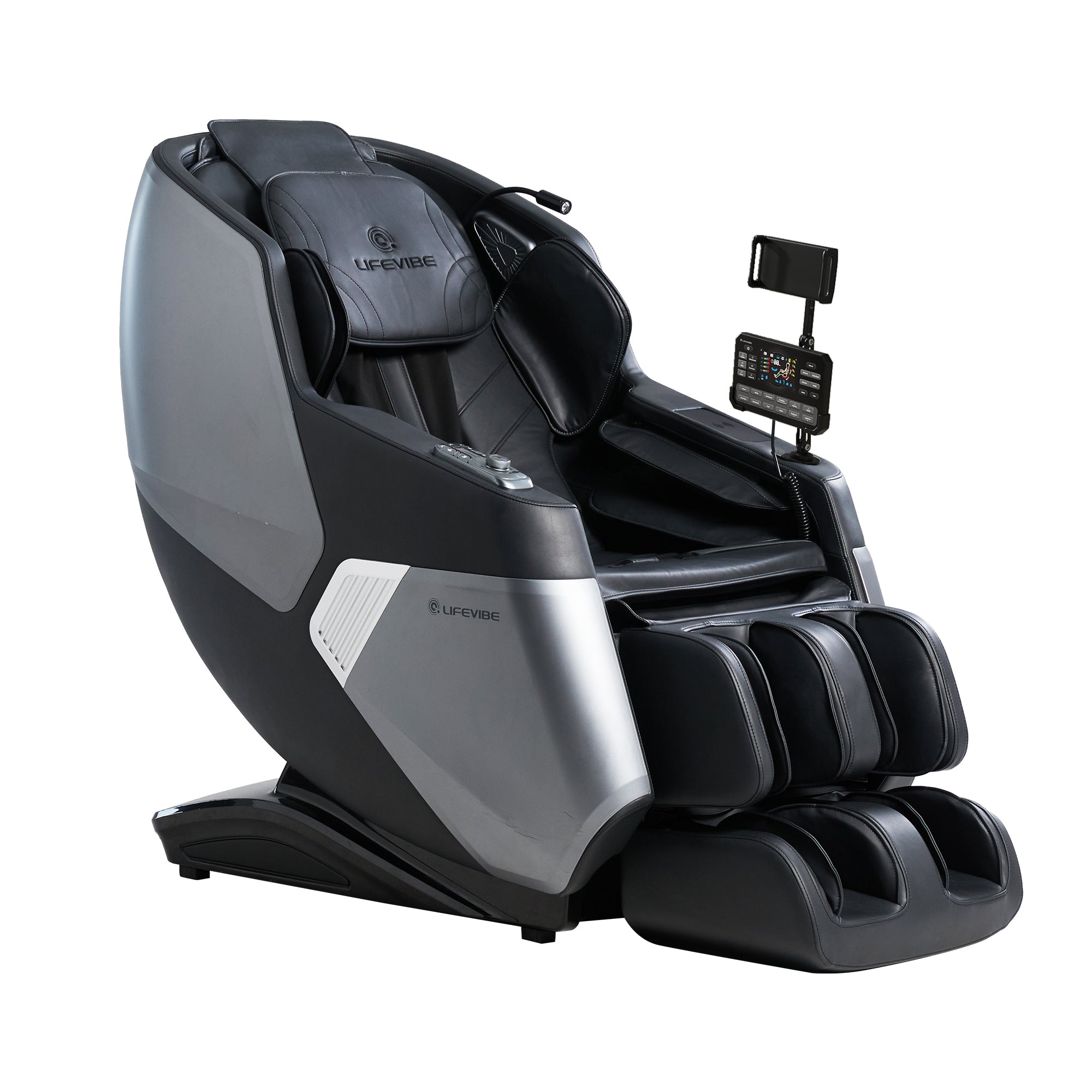
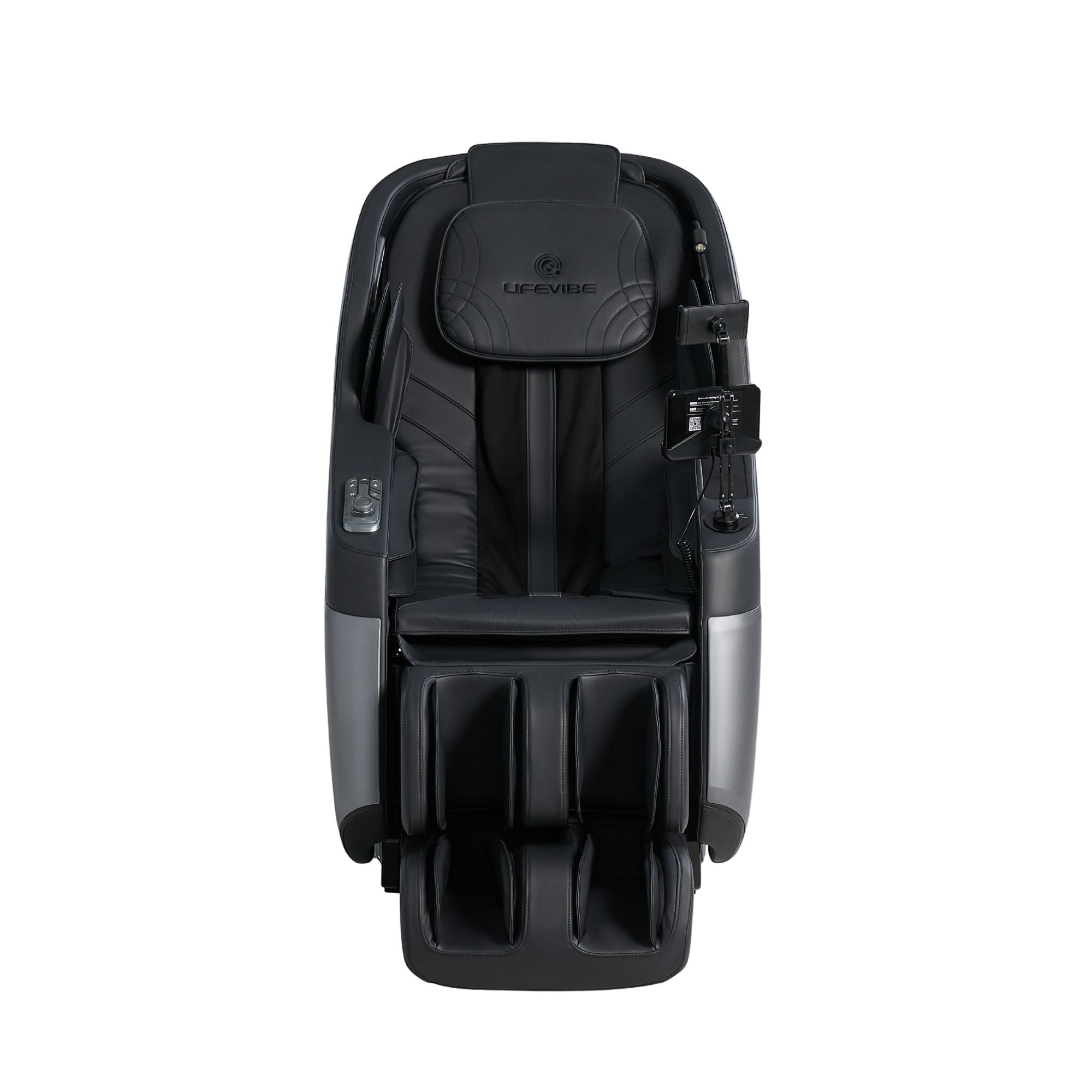
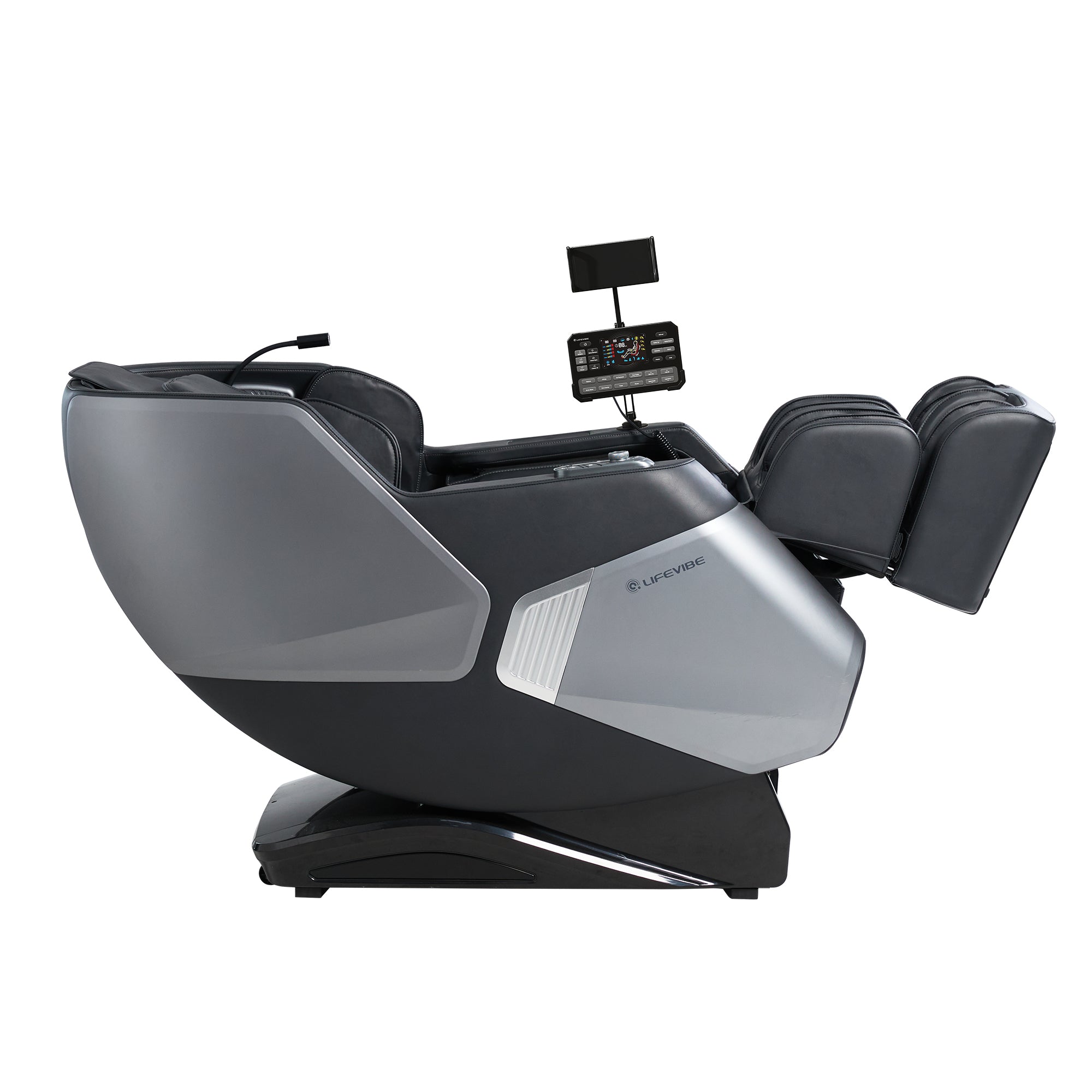
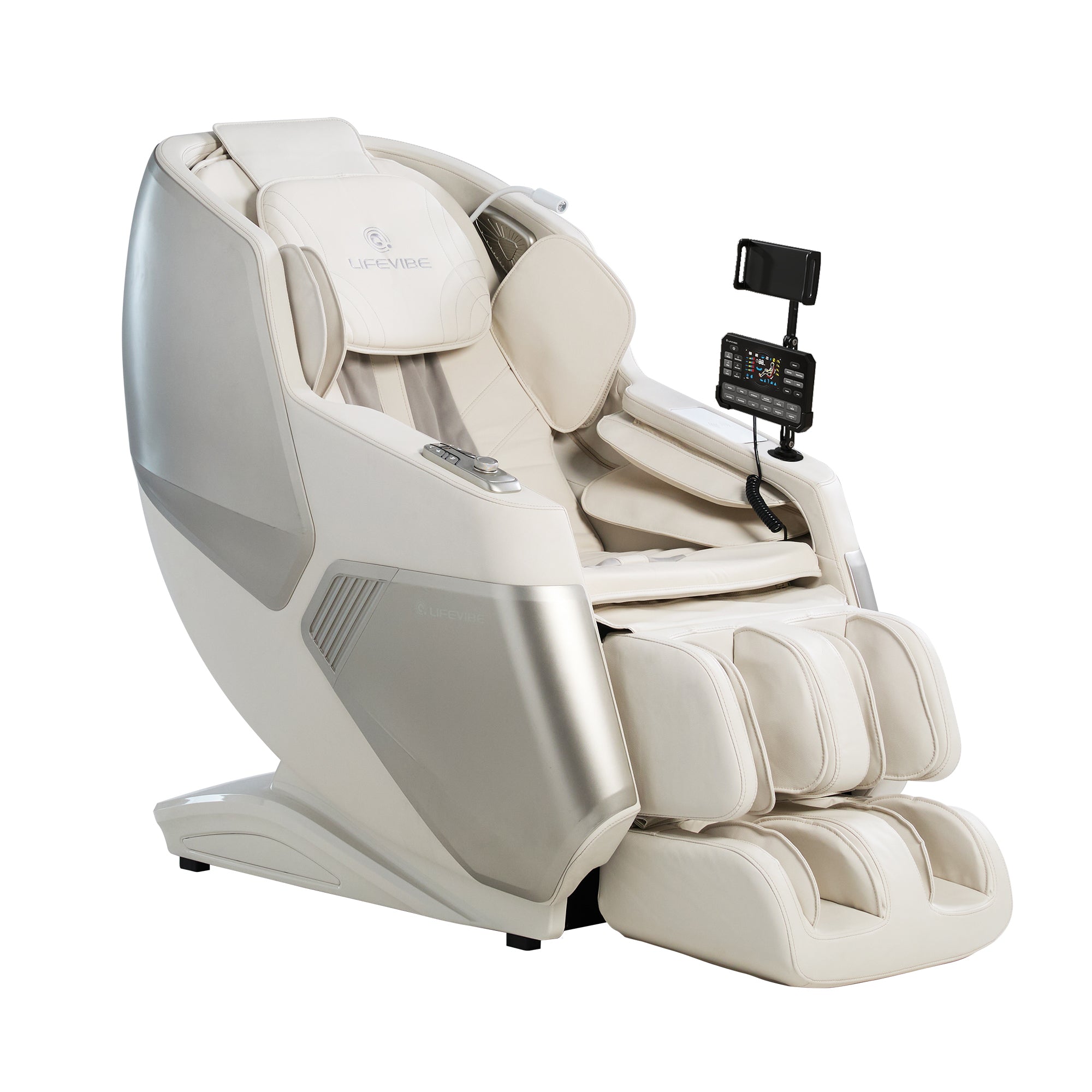
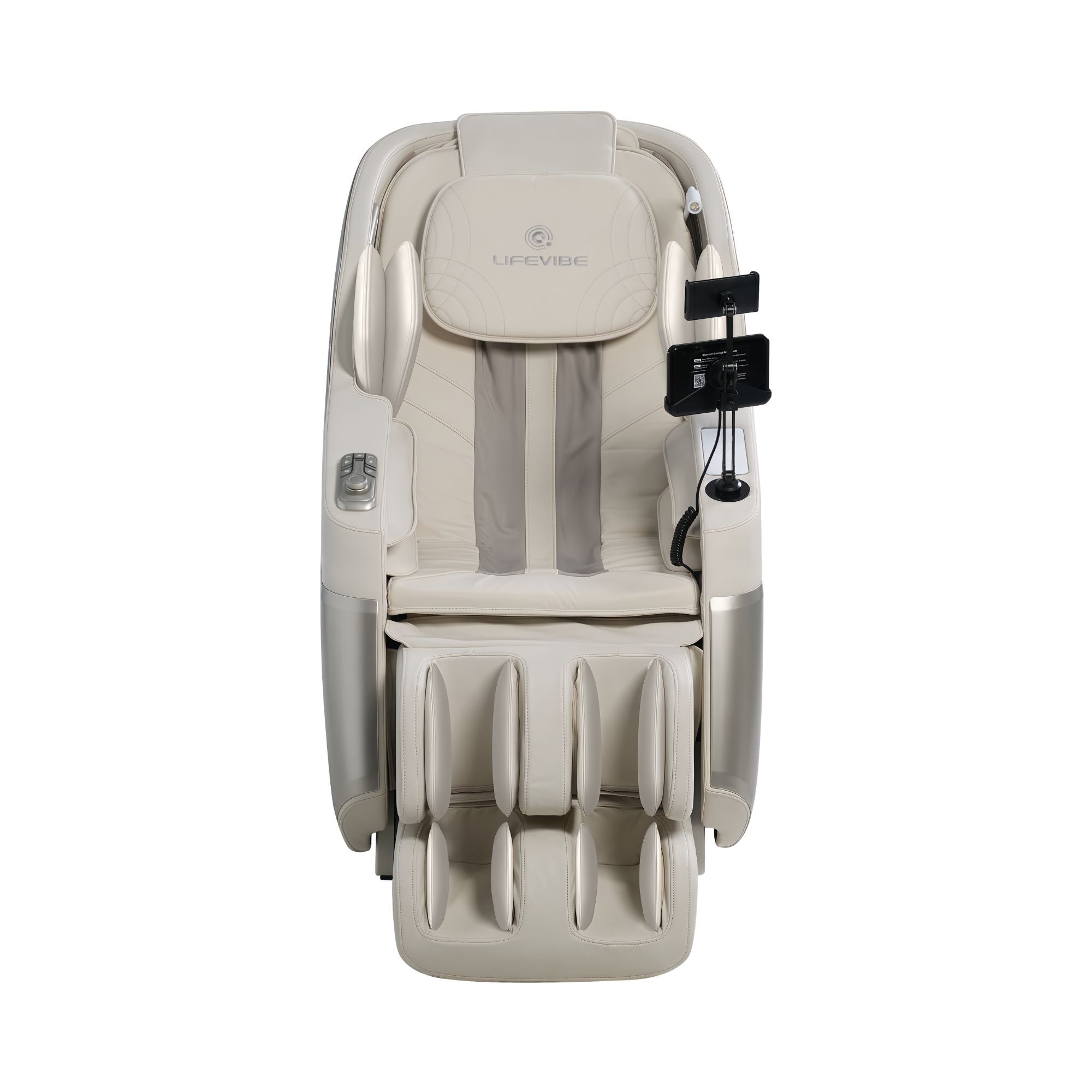
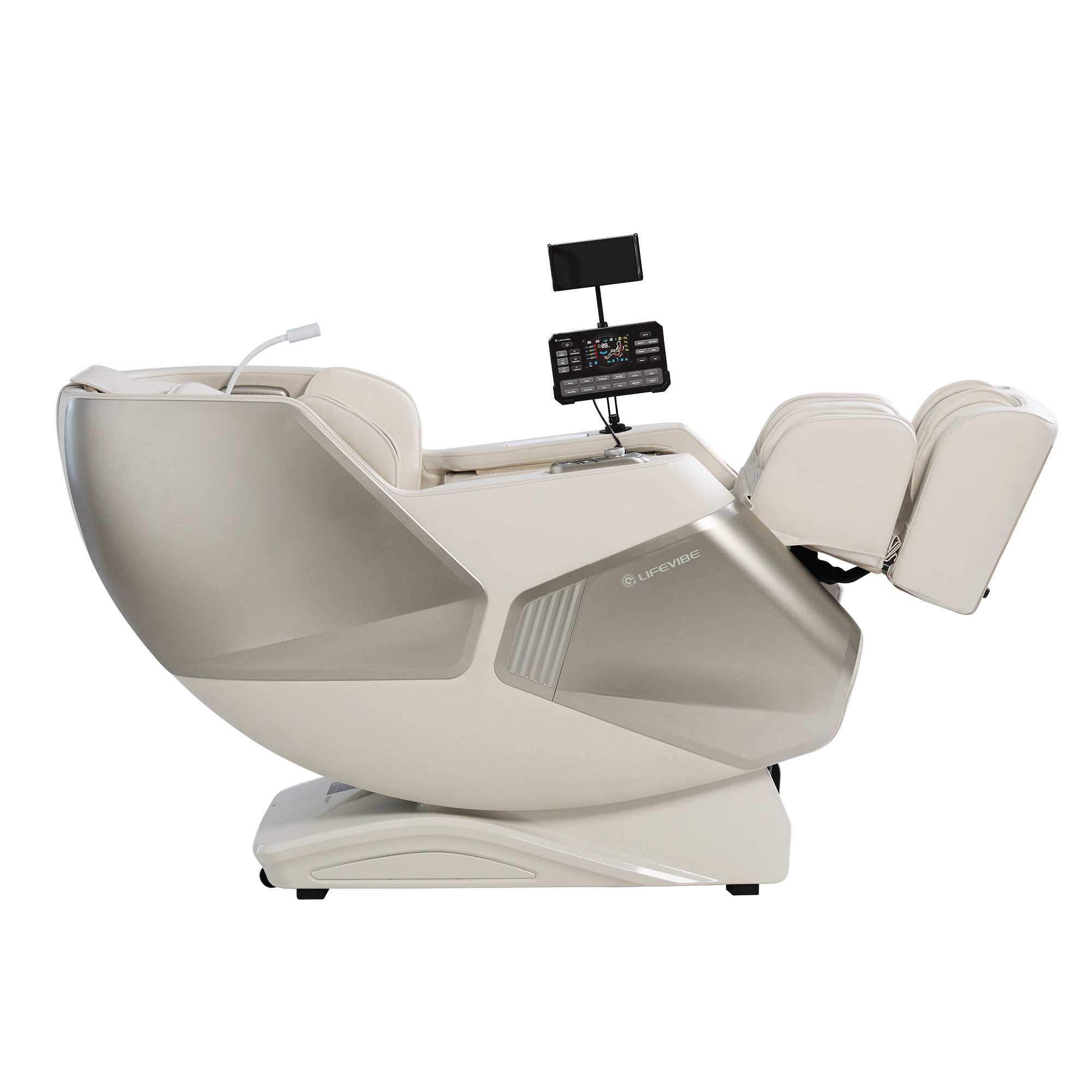
Lifevibe VAT chair not only massages physically but also uses low-frequency sound waves for a deeper experience.
What Your Body Needs After a Workout
After exercise, your body isn’t just tired—it’s actively trying to repair itself. Muscles go through micro-damage, your nervous system stays slightly alert, and your circulation ramps up to support recovery. That’s why you might feel sore, stiff, or even restless after training.
Good recovery helps your body shift out of that “activated” state. It’s about easing muscle tension, supporting blood flow, and helping your system settle back into balance. The tricky part is that not all recovery tools hit all of those at once.
What Vibroacoustic Therapy Actually Does
Vibroacoustic therapy works through low-frequency sound waves, typically in the 30–120 Hz range. Instead of applying force from the outside, it sends gentle vibrations through your body, creating a kind of resonance that spreads more evenly through muscle and soft tissue.
This isn’t just a wellness trend—it’s been studied in clinical and therapeutic settings. Research from the National Institutes of Health shows that low-frequency vibration can help reduce muscle tension and promote relaxation (Source: https://pmc.ncbi.nlm.nih.gov/articles/PMC11241420/).
So instead of forcing your muscles to release, it encourages them to relax from the inside out.

The Lifevibe VAT chair (RIGHT) uses both 3D rollers and low-frequency sound waves for deep massage.
Why It Feels So Different From Traditional Recovery Tools
Most recovery methods rely on pressure. Massage guns hit hard and fast, foam rollers compress tissue, and even standard massage chairs focus on mechanical movement. Vibroacoustic therapy takes a quieter approach.
Because the effect comes from frequency rather than force, the sensation feels smoother and more evenly distributed. There’s no sharp impact or localized discomfort. For people who don’t enjoy intense pressure—or who feel sore after heavy training—that difference matters more than you’d think.
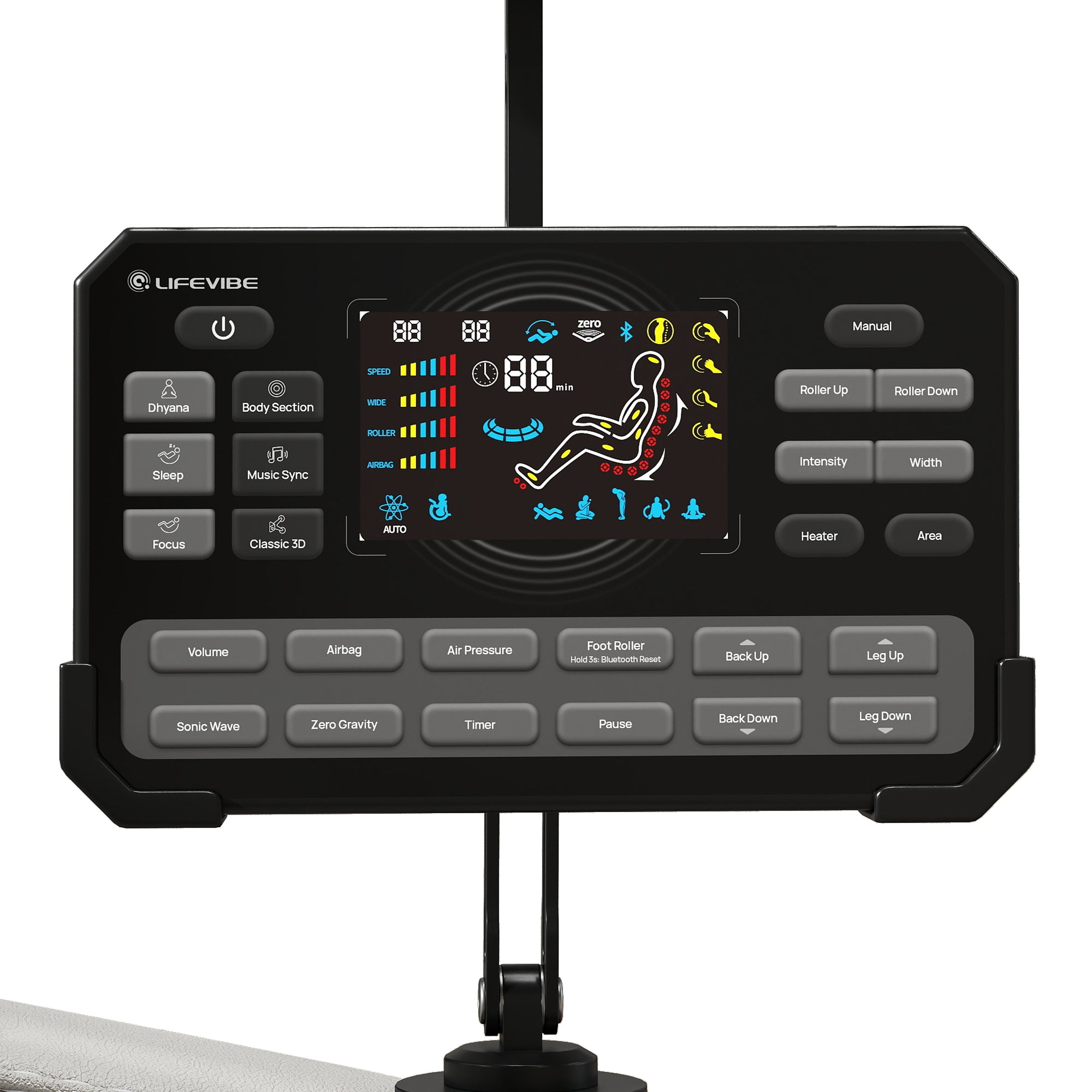
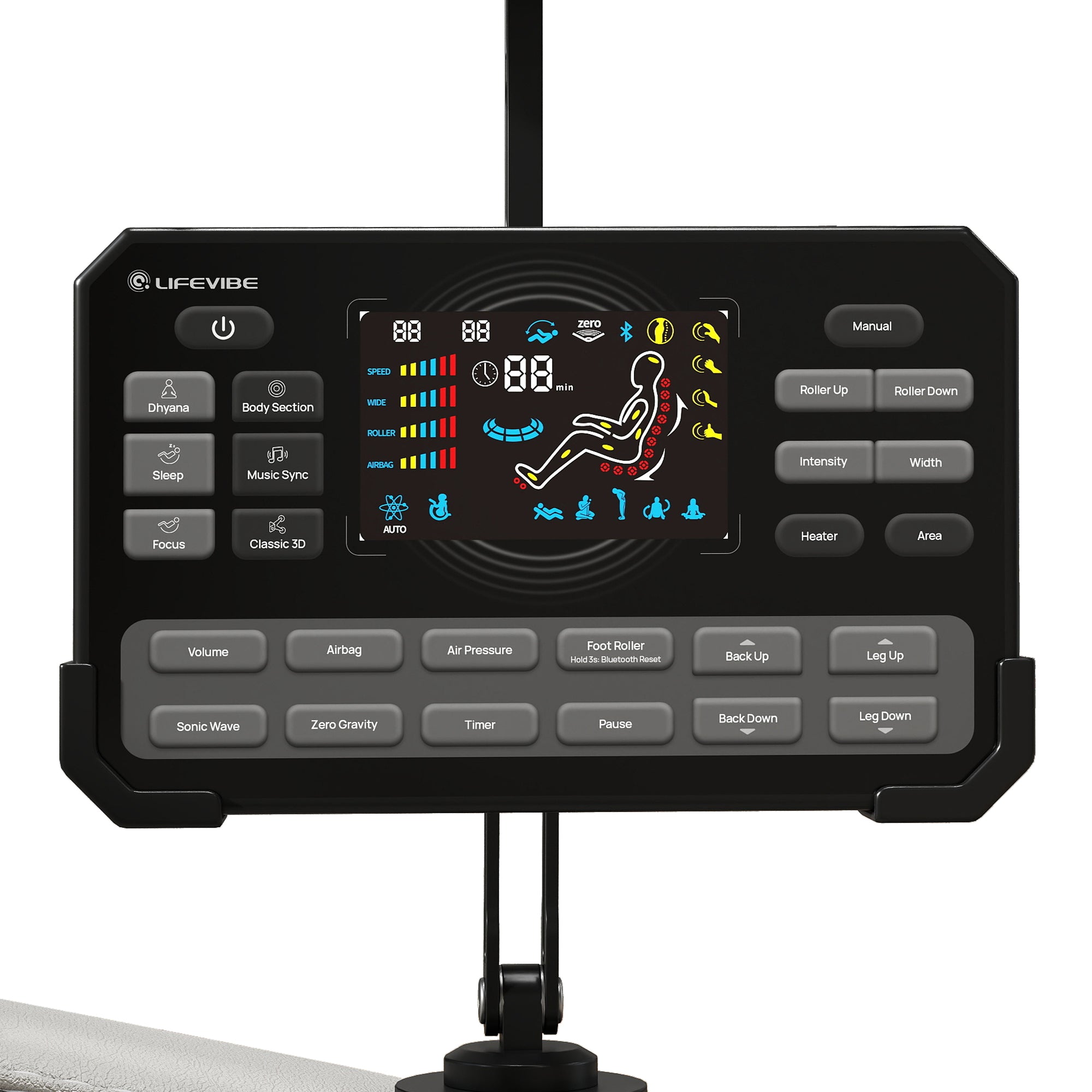
Lifevibe VAT chair "Sleep Mode" and " Dhyana Mode" with a gentle, slow-wave massage designed to help you unwind and ease into deep relaxation.
How It Helps Right After a Workout
After a workout, your muscles don’t always want more intensity. Sometimes what they respond to better is a slower, more gradual release. Vibroacoustic therapy supports that by allowing tension to ease without adding extra strain. Instead of pushing into already fatigued tissue, it lets the body soften on its own.
At the same time, those low-frequency vibrations can help stimulate circulation, which plays a role in how quickly your body clears metabolic waste and brings in fresh oxygen. According to findings indexed by the National Library of Medicine, vibration-based therapies can improve local blood flow and reduce stiffness.
What many people don’t expect, though, is the nervous system effect. After exercise, your body is still slightly “on.” Vibroacoustic therapy—especially at lower frequencies—can help shift you into a more relaxed state, which is just as important for recovery as anything happening in your muscles.
Where Lifevibe Fits Into This
What makes Lifevibe interesting is how it combines both worlds. Instead of choosing between traditional rollers and vibration, it uses a dual-layer system—mechanical massage on the surface and sonic wave vibration underneath.
Their SonicWave™ mechanism and SonicSync™ system basically align sound, movement, and rhythm into one coordinated experience. It doesn’t feel random or mechanical. It feels timed, almost like your body is following along with a pattern.
That’s especially noticeable in modes like Dhyana for post-workout calm or Sleep mode when you train later in the day. The experience isn’t just about loosening muscles—it’s about helping your whole system settle.
Lifevibe VAT chair with Dhyana Mode
When It Makes the Most Sense to Use One
Timing matters more than people think. Vibroacoustic therapy works best when your body is ready to relax, not when it’s still overwhelmed from intense strain. After lighter or moderate workouts, or later in the evening, it fits naturally into your routine.
If you’ve just finished a very intense session and your muscles feel inflamed or overly sensitive, it might be better to start with cooling or rest first, then come back to it. The goal is to support recovery, not stack too many stimuli at once.
How It Compares to Other Recovery Options
Every recovery tool has its place. Massage guns are great when you want fast, targeted relief. Foam rollers are simple and effective but take effort. Traditional massage chairs feel familiar and pressure-based.
Vibroacoustic chairs sit in a different lane. They’re less about intensity and more about depth through resonance. It’s a quieter, more passive experience, which is exactly why some people end up using them more consistently.
Is It Worth Using After Workouts?
If your idea of recovery is “the stronger the better,” this might feel subtle at first. But if you’re looking for something that helps your body unwind, not just release tension, vibroacoustic therapy offers a different kind of benefit.
For a lot of people, that’s what makes the biggest difference over time.


Share:
Can You Use a Vibroacoustic Therapy Massage Chair After Eating?
Zero Gravity Massage Chair with Vibroacoustic Therapy: What It Feels Like