


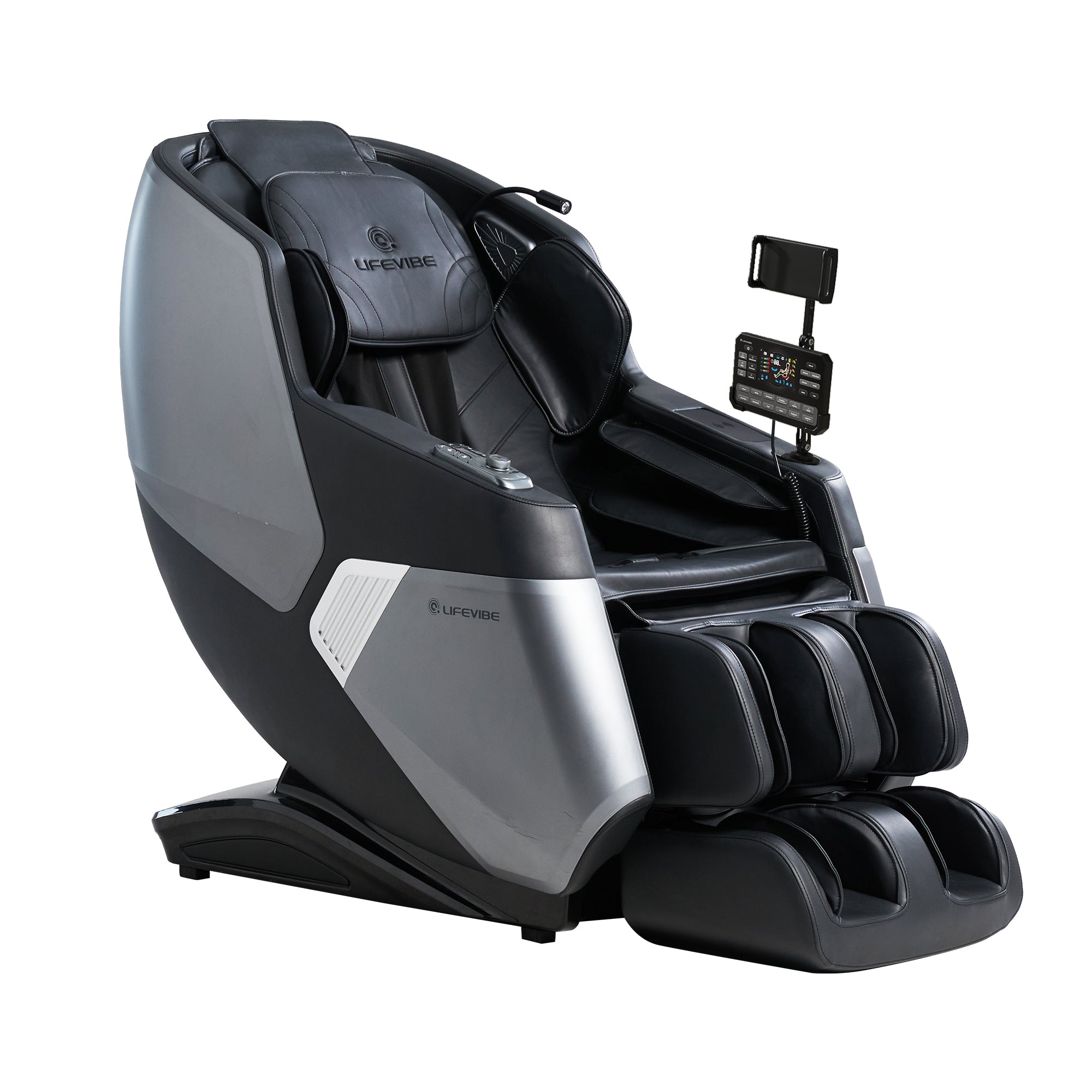
Maybe you’ve just finished a big lunch and you’re eyeing your Lifevibe VAT (vibroacoustic therapy) chair like it’s calling your name. You’ve heard that massage chairs are great for relaxation, but what about right after eating? Is that cool — or should you wait a bit?
First, let’s clear one thing up: vibroacoustic therapy — the kind Lifevibe uses — is a lot gentler than deep tissue or vigorous massage. Instead of pounding muscles with strong pressure, it uses low‑frequency sound waves and gentle vibration to help your body relax and your nervous system unwind. That’s very different from the intense mechanical force you might feel from a foam roller or a deep muscle massage. Vibroacoustic therapy has roots in research that shows low‑frequency sound can help calm the nervous system and promote relaxation.
So let’s talk about what happens after you eat.

VAT massage chair rollers (right) also uses low‑frequency sound waves to calm the nervous system deeper
What Happens in Your Body After You Eat
When you eat, especially something heavy, your body sends extra blood to your digestive system. This helps break down your food, absorb nutrients, and get energy flowing. It also means your body is doing a lot of work right after a meal, which can make intense activity or strong physical stimulation feel uncomfortable.

Your body sends extra blood to your digestive system after eating
That’s why doctors often recommend waiting a bit before intense exercise — your body needs to focus on digestion first. The Mayo Clinic explains that vigorous activity too soon after eating might lead to cramps or discomfort: (Source: https://www.mayoclinic.org/healthy-lifestyle/fitness/in-depth/exercise/art-20045506)
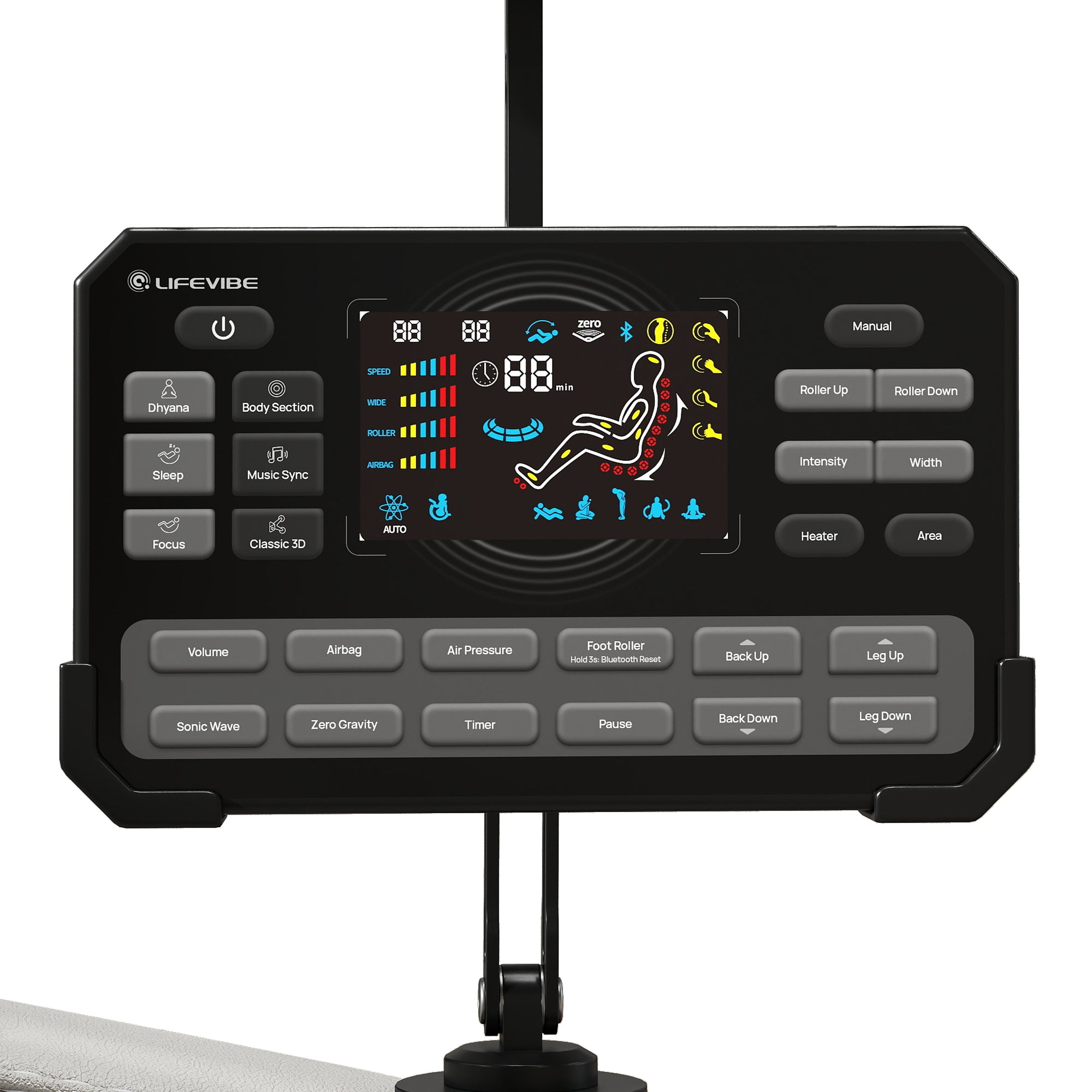
But a vibroacoustic therapy massage chair is not intense exercise (in Dhyana and
Sleep mode). It’s more of a calming, regulating experience that supports your nervous system, eases muscle tension, and helps your mind unwind.
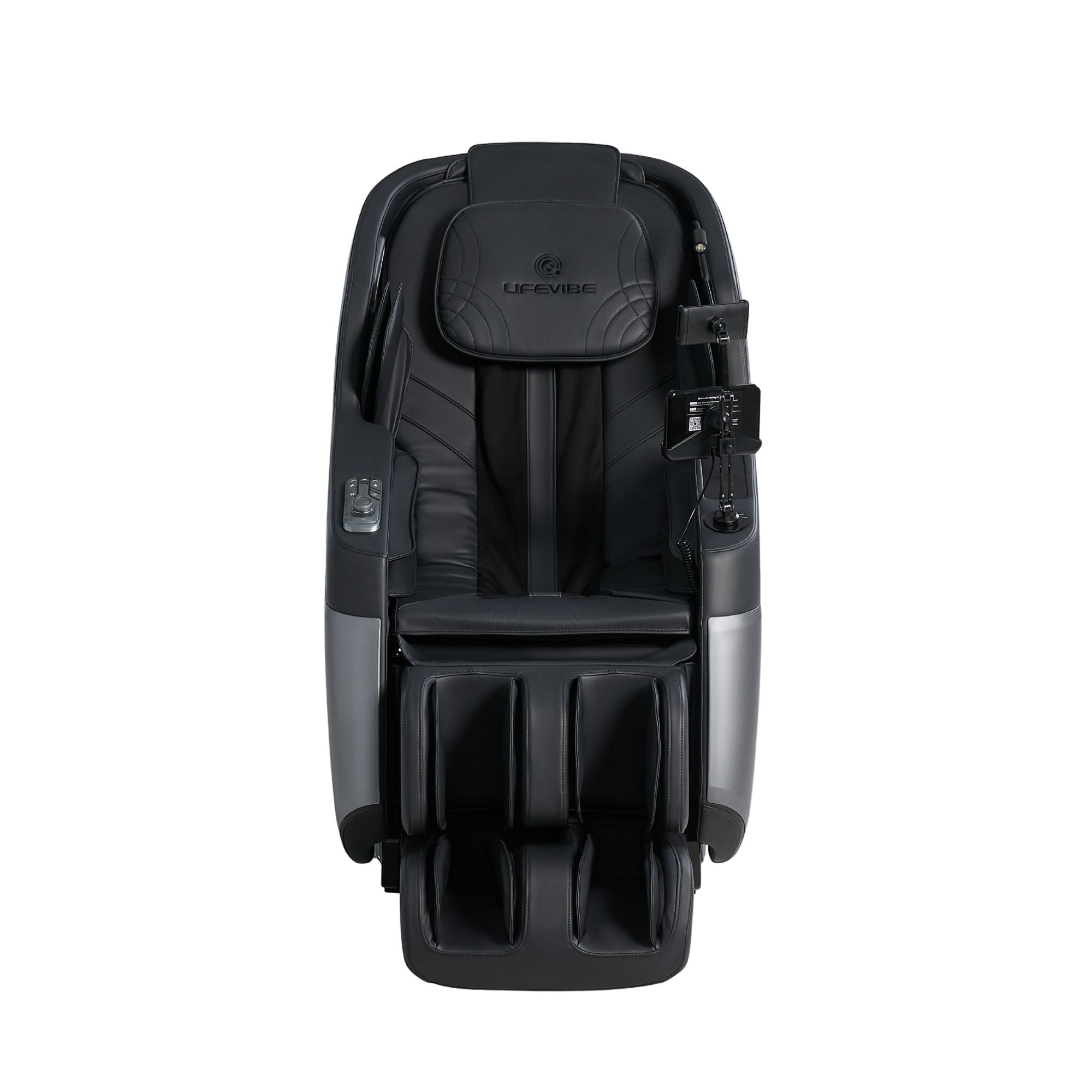
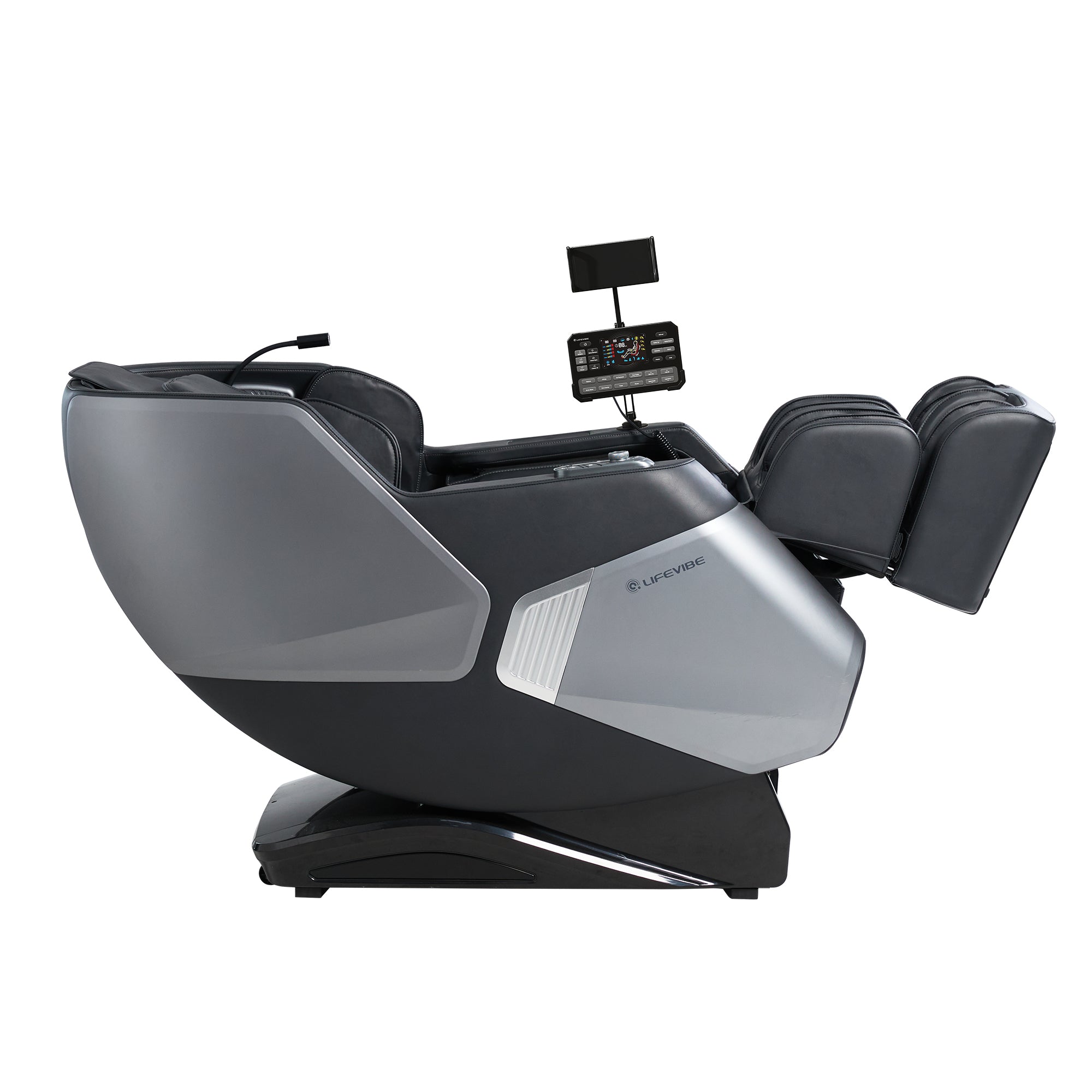
Lifevibe VAT Chair — Not Your Average Massage
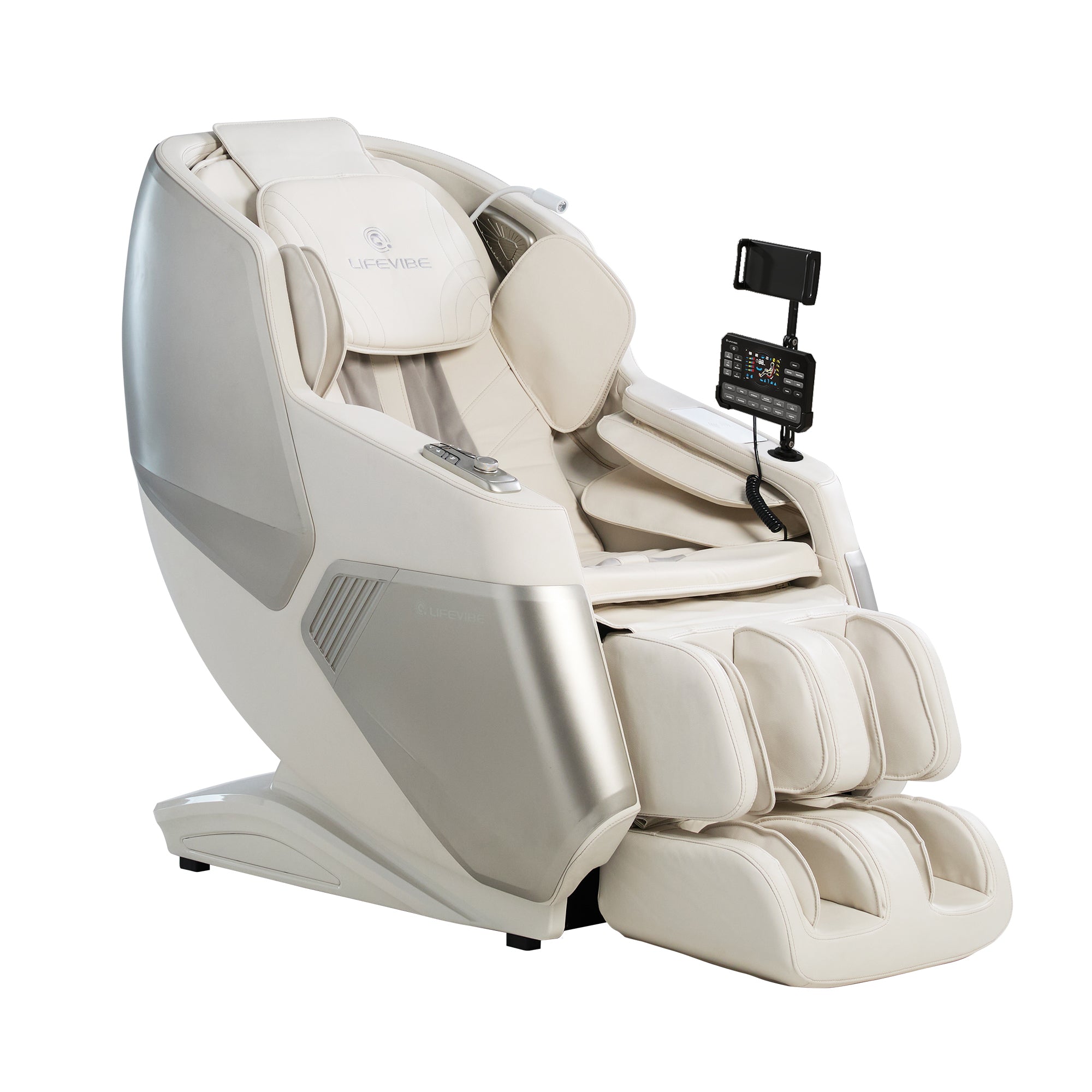
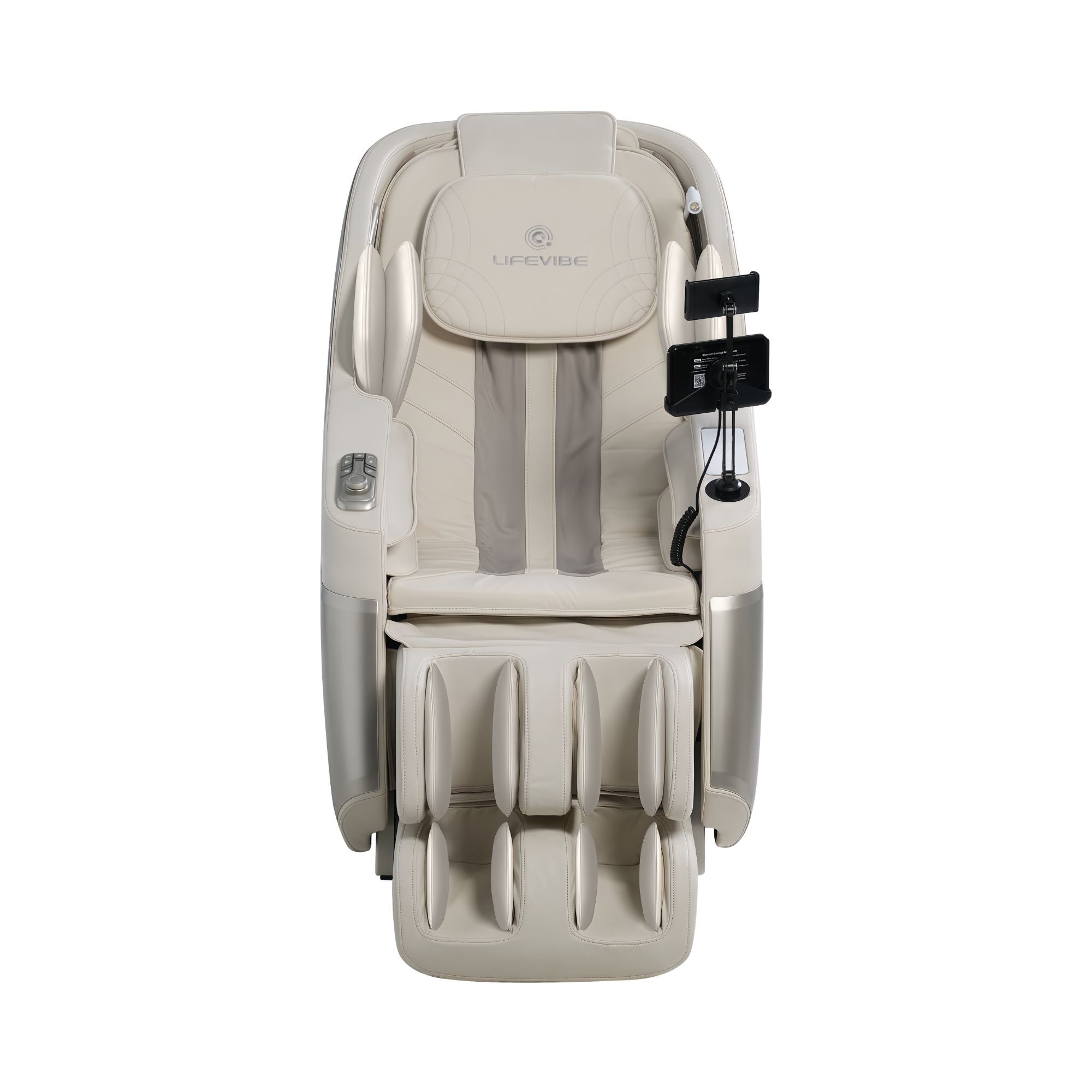
The Lifevibe VAT Chair stands out because it combines traditional massage chair mechanics with SonicWave™ technology — a system that uses controlled sound frequencies to create gentle resonant vibration throughout the body. This doesn’t just vibrate the surface; the low‑frequency waves reach deeper tissues, and the chair synchronizes these waves with massage motions for a smoother experience. That’s different from just shaking or pounding — it’s more like your whole body is settling into a calming rhythm.
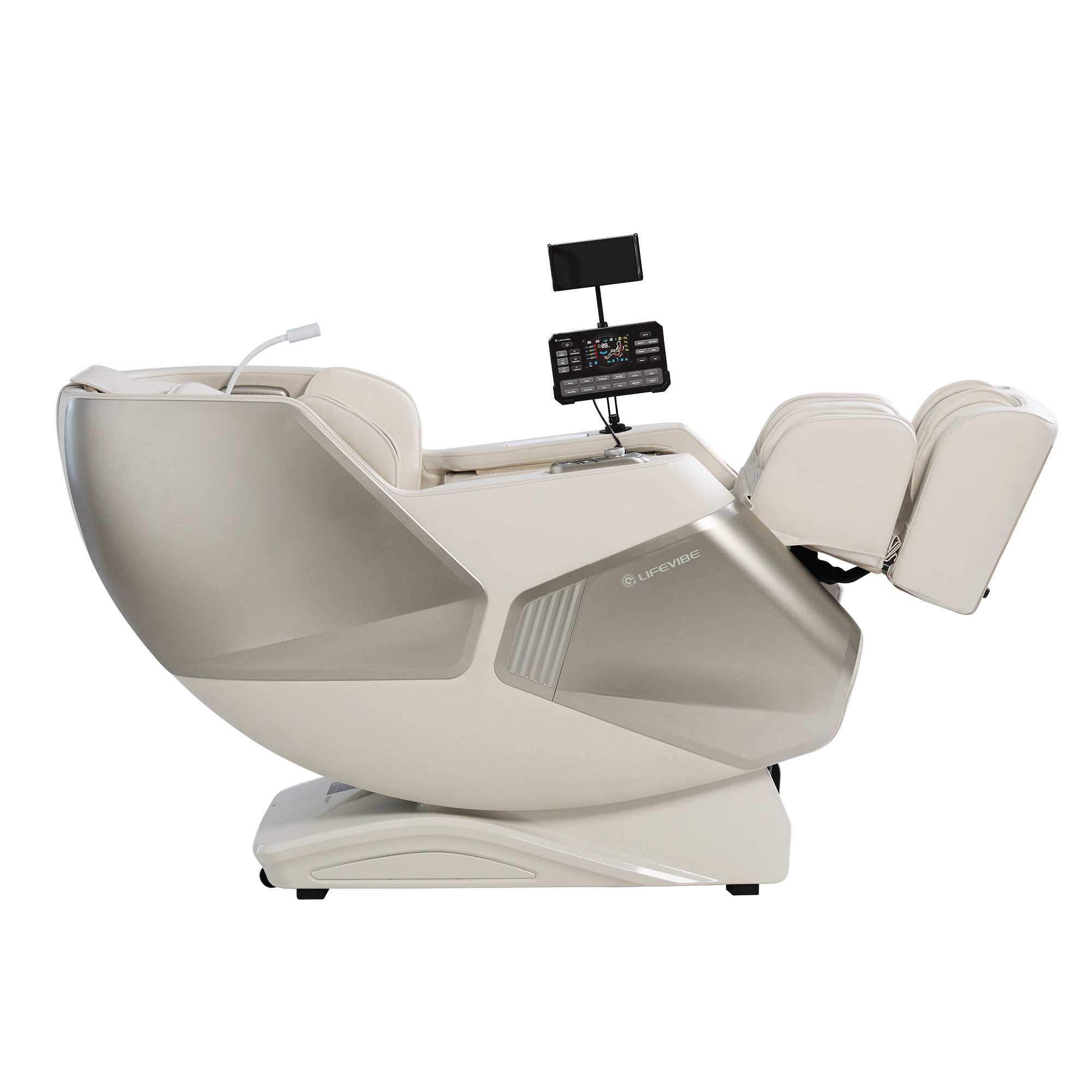
Lifevibe’s design makes this therapy accessible and enjoyable even if you’re not used to massage chairs. You get features like zero gravity, airbag compression, heating zones, and custom massage modes, all of which work together to support relaxation.

Because of that gentle, rhythmic action, using the chair after eating isn’t inherently risky. You’re not asking your body to switch gears into hard work — you’re helping it relax. But when and how you use it still matter if you want to feel your best.
So Generally You Can Use Your Vibroacoustic Therapy Chair after Eating
But here’s the practical part:
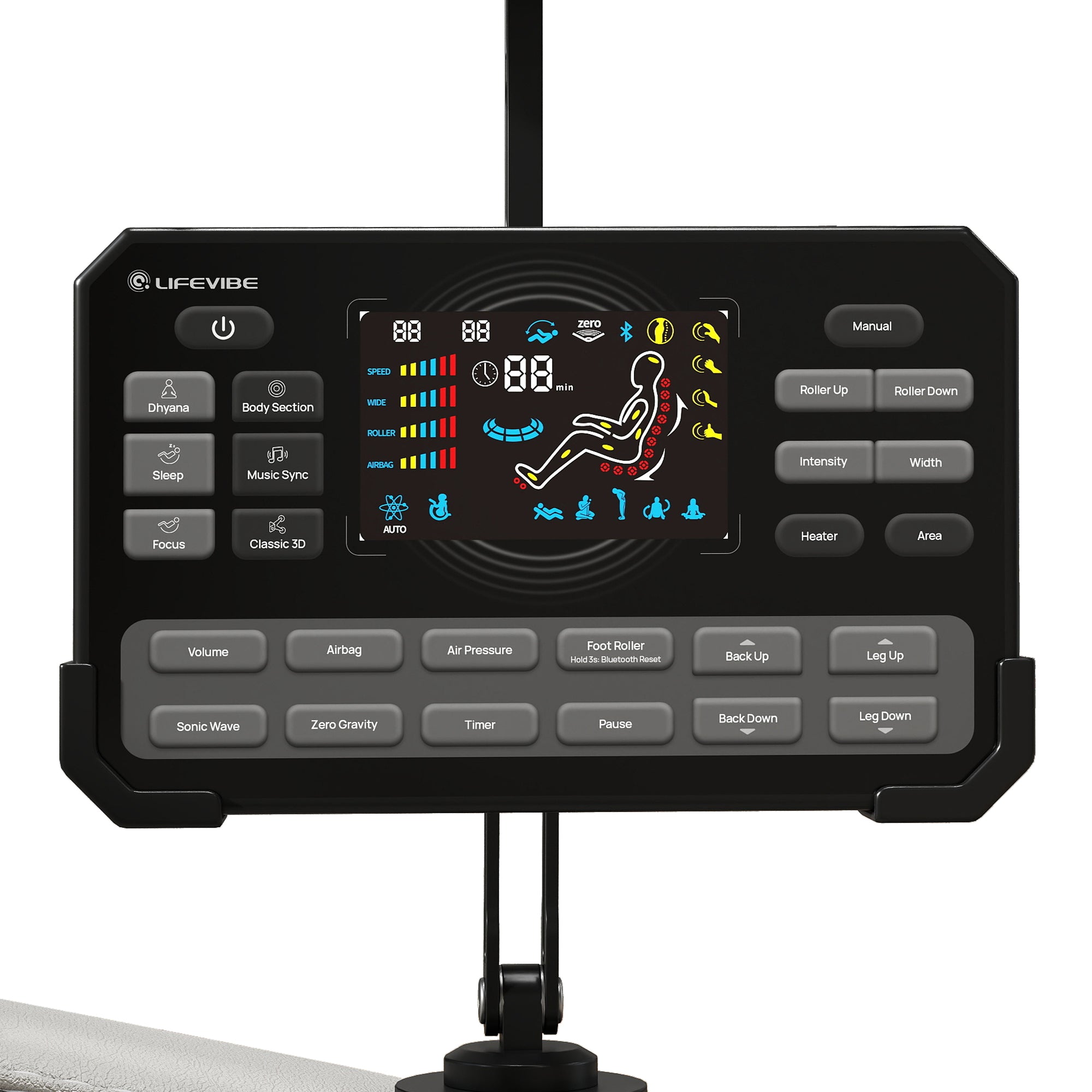
If your lunch was light (like a salad or a small snack), you’re probably fine to hop right in. The gentle sonic waves and relaxing massage (in Dhyana and Sleep mode) won’t interfere with digestion and can actually help you feel more relaxed.
If your meal was heavier — something rich, large, or high in fat — waiting 10–30 minutes is a smart choice. That’s because your body is still pumping blood to your digestive organs, and you want to avoid any sensation of fullness turning into discomfort.
Even then, using gentle modes (like Sleep Mode or Dhyana Mode on the Lifevibe chair) is a comfortable way to ease into relaxation without overwhelming your system. These modes use lower intensity and softer rhythms that support calmness rather than muscle activation.
Why This Works
Unlike strong manual massage or forceful physical therapy, vibroacoustic therapy doesn’t demand major energy from your muscles or your cardiovascular system. It works with your body’s natural frequencies, helping to ease tension and support parasympathetic nervous system activity — which is the branch of your nervous system that helps your body rest and digest. Researchers studying sound and vibration therapy have found that these gentle frequencies can help reduce stress markers and improve relaxation responses (you can explore some studies compiled here: https://www.frontiersin.org/journals/sports-and-active-living/articles/10.3389/fspor.2025.1573660/full
So after eating, when your body is already focused on digesting, this gentle form of therapy can be very conducive to feeling comfortable and relaxed.

Sonic Wave™ massage mechanism fuses precision rollers with sonic resonance—delivering movement that feels deeper.
A Few Tips for After‑Meal Sessions
If you want the most enjoyable experience:
• Start with lower intensity levels so your body can ease into the vibration.
• Try Sleep Mode or Dhyana Mode (for Lifevibe VAT chair) first — both are designed for calm, rest‑oriented states.
• Avoid very high intensity or high‑frequency modes immediately after a large meal.
• If you feel even mild discomfort (like bloating or fullness), give it a short rest, then come back to it.
Using a vibroacoustic therapy massage chair like the Lifevibe VAT Chair after eating is not only possible — it can be a pleasant part of your relaxation routine. Just be mindful of how you feel, adjust the settings to what’s comfortable, and give your body a little time if the meal was substantial.
Your body deserves care that feels good, not overwhelming. With the right approach, a post‑meal session can be a soothing way to let your digestive system do its job while you drift into relaxation.




Share:
Is a Vibroacoustic Therapy Massage Chair Good for Your Back?
Are Vibroacoustic Therapy Massage Chairs Good After Workouts?