


If you’ve ever seen a chair that seems to hum, vibrate and cradle you at the same time, you might be looking at a vibroacoustic therapy massage chair. The idea sounds futuristic, but many people wonder: can this really help your back? Let’s find out.
How vibroacoustic therapy works
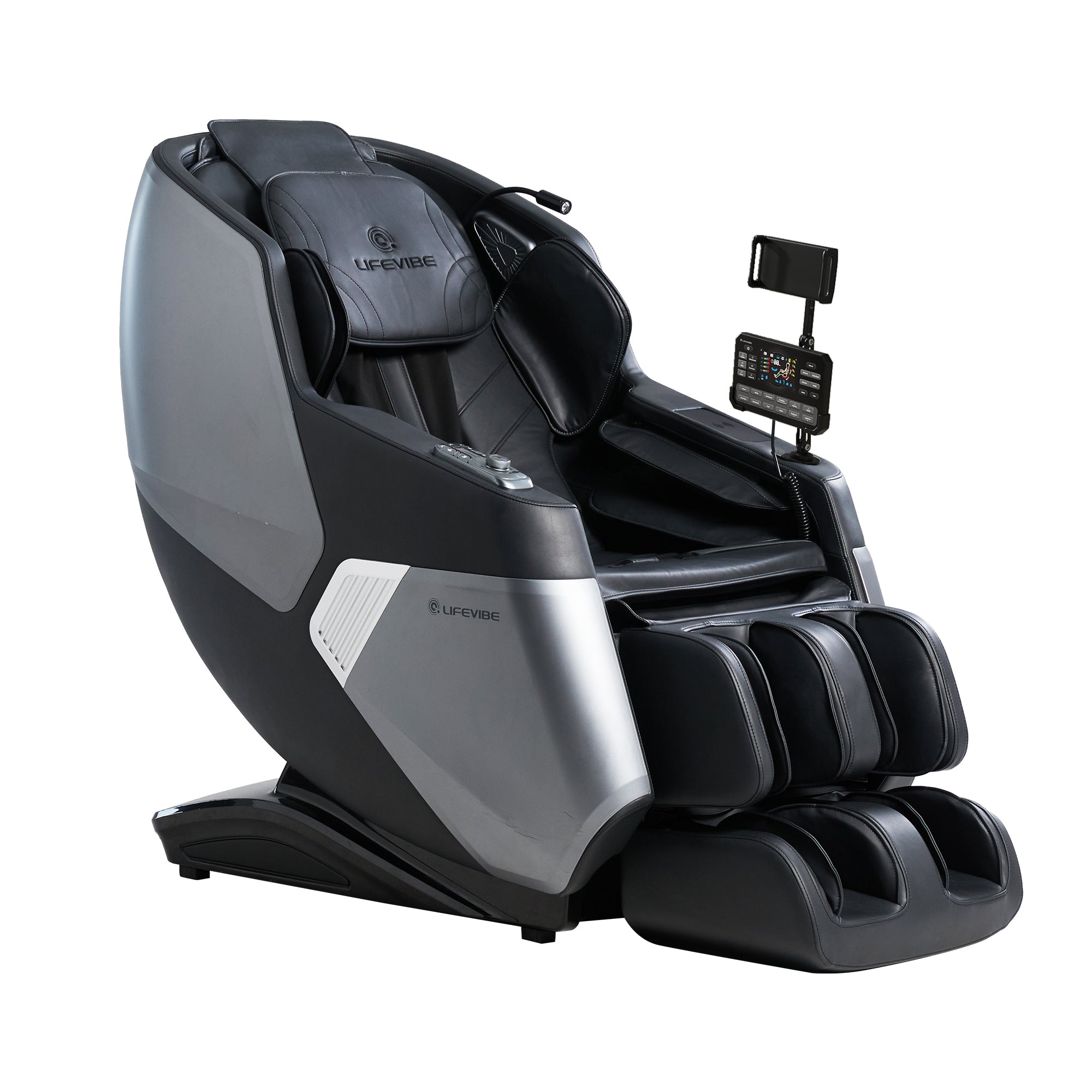
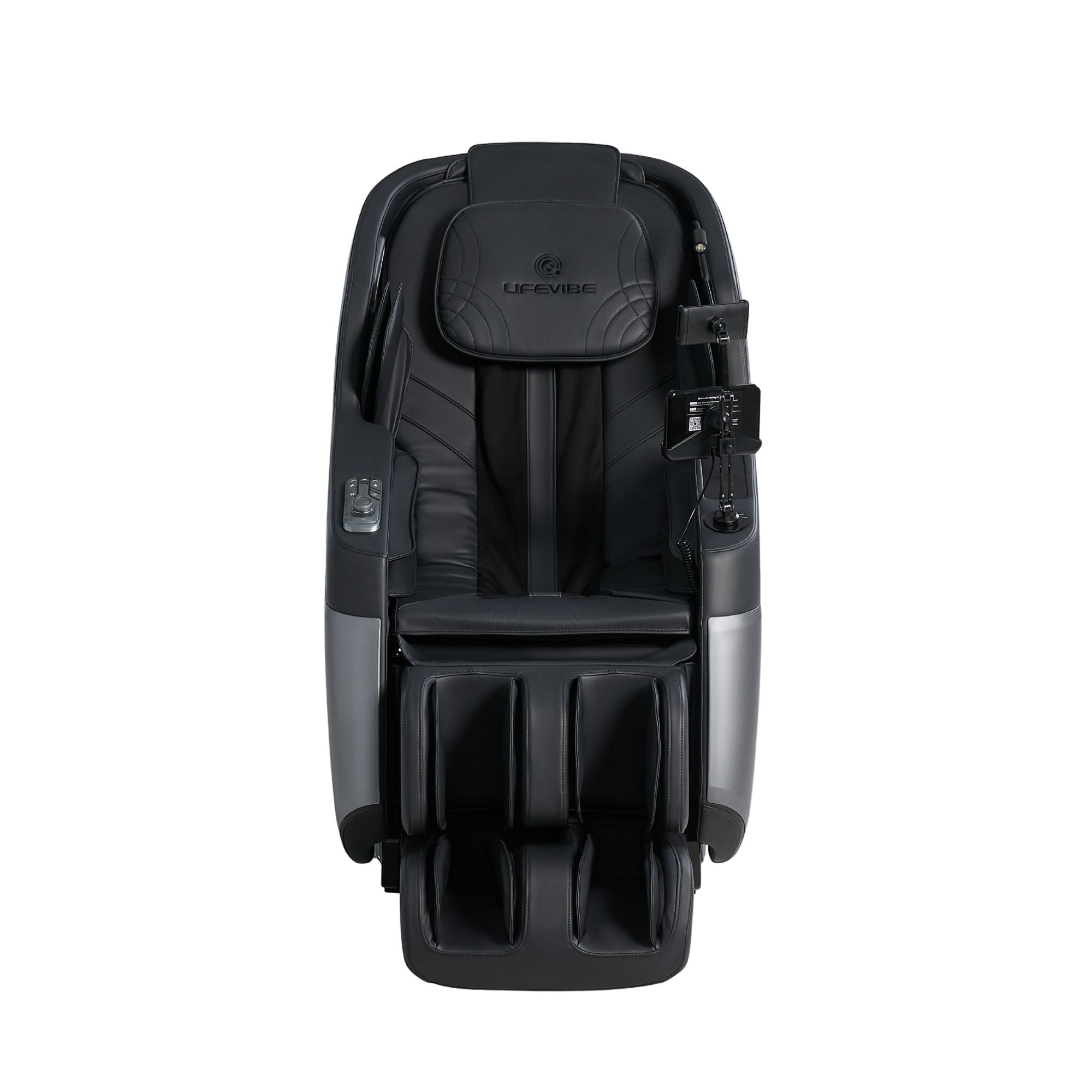
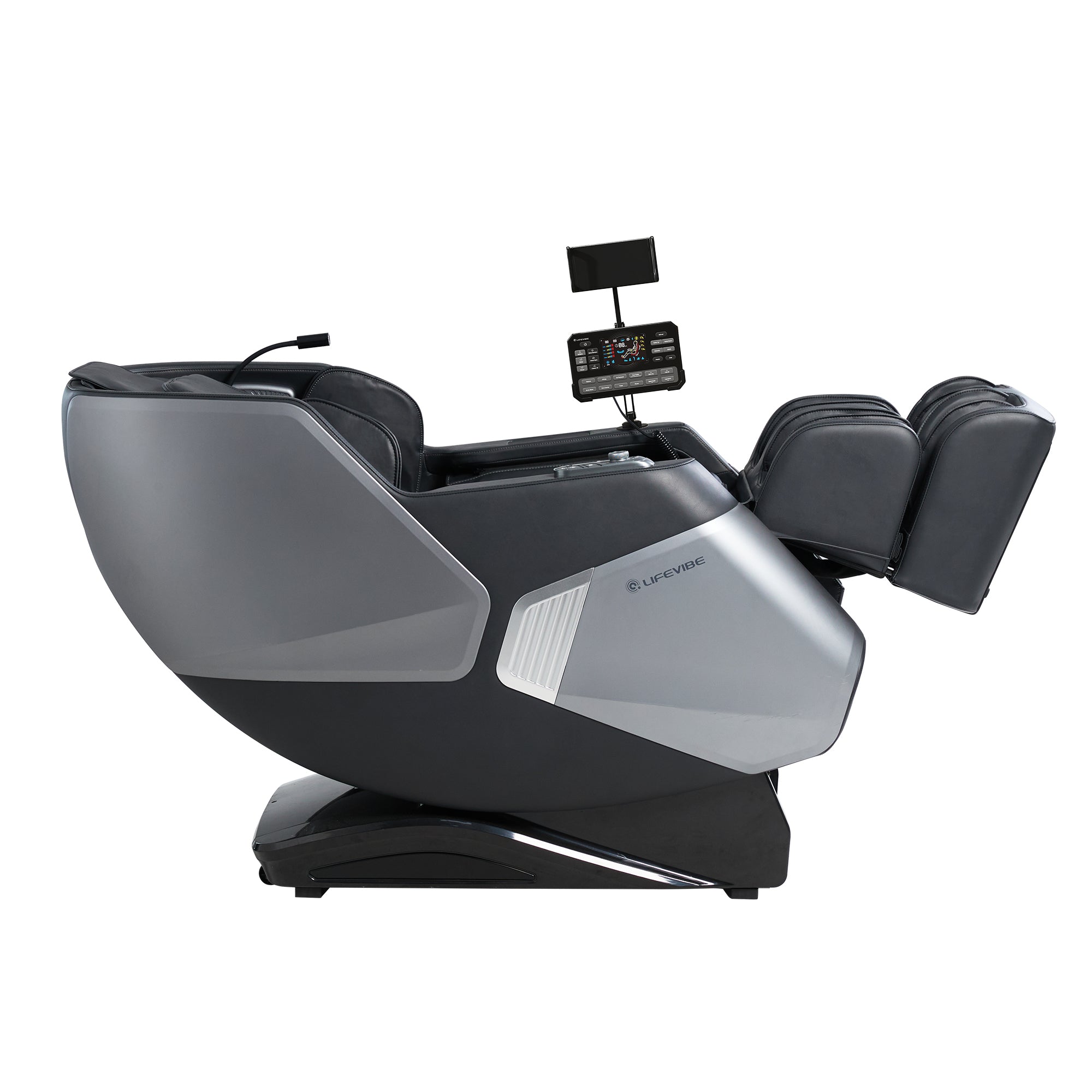
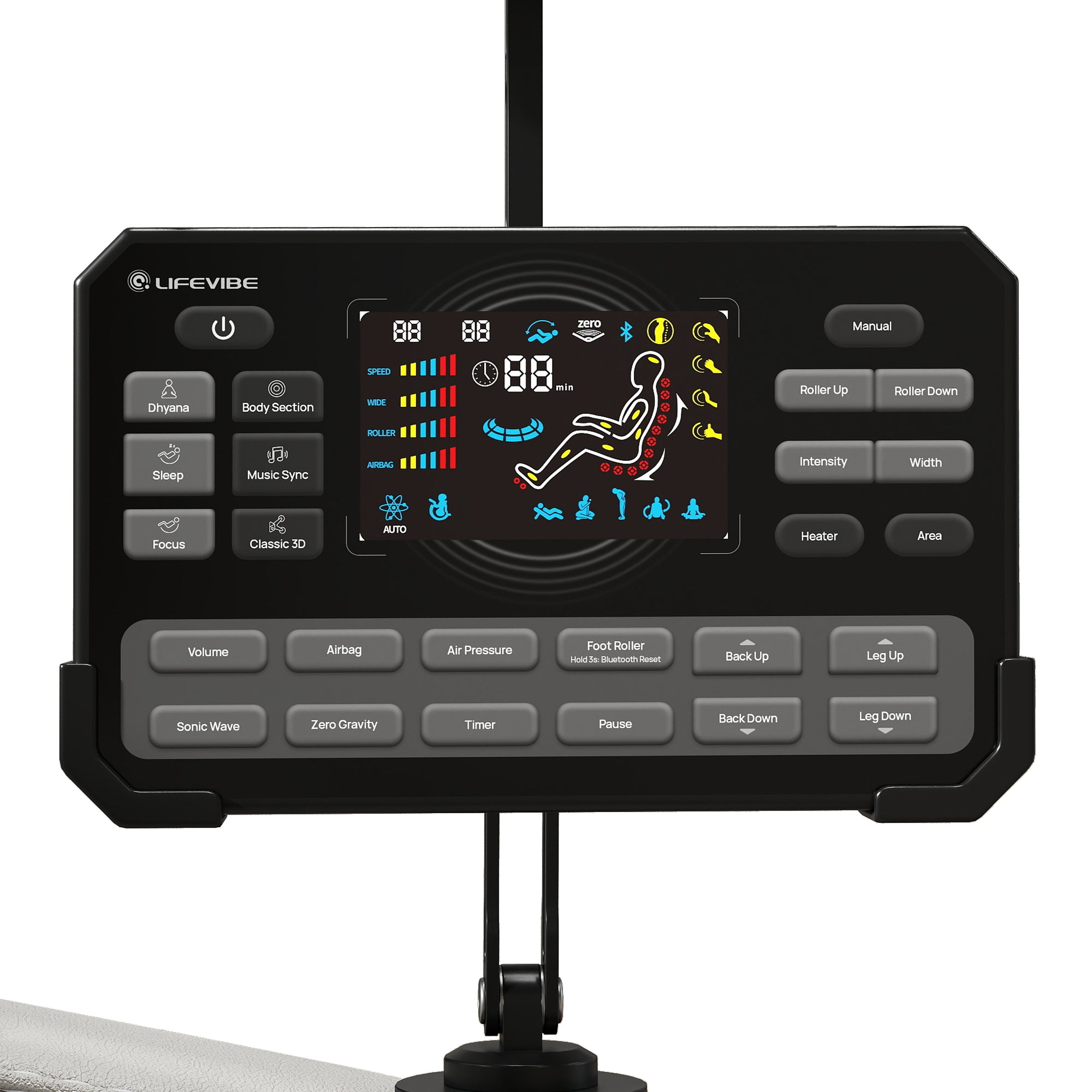
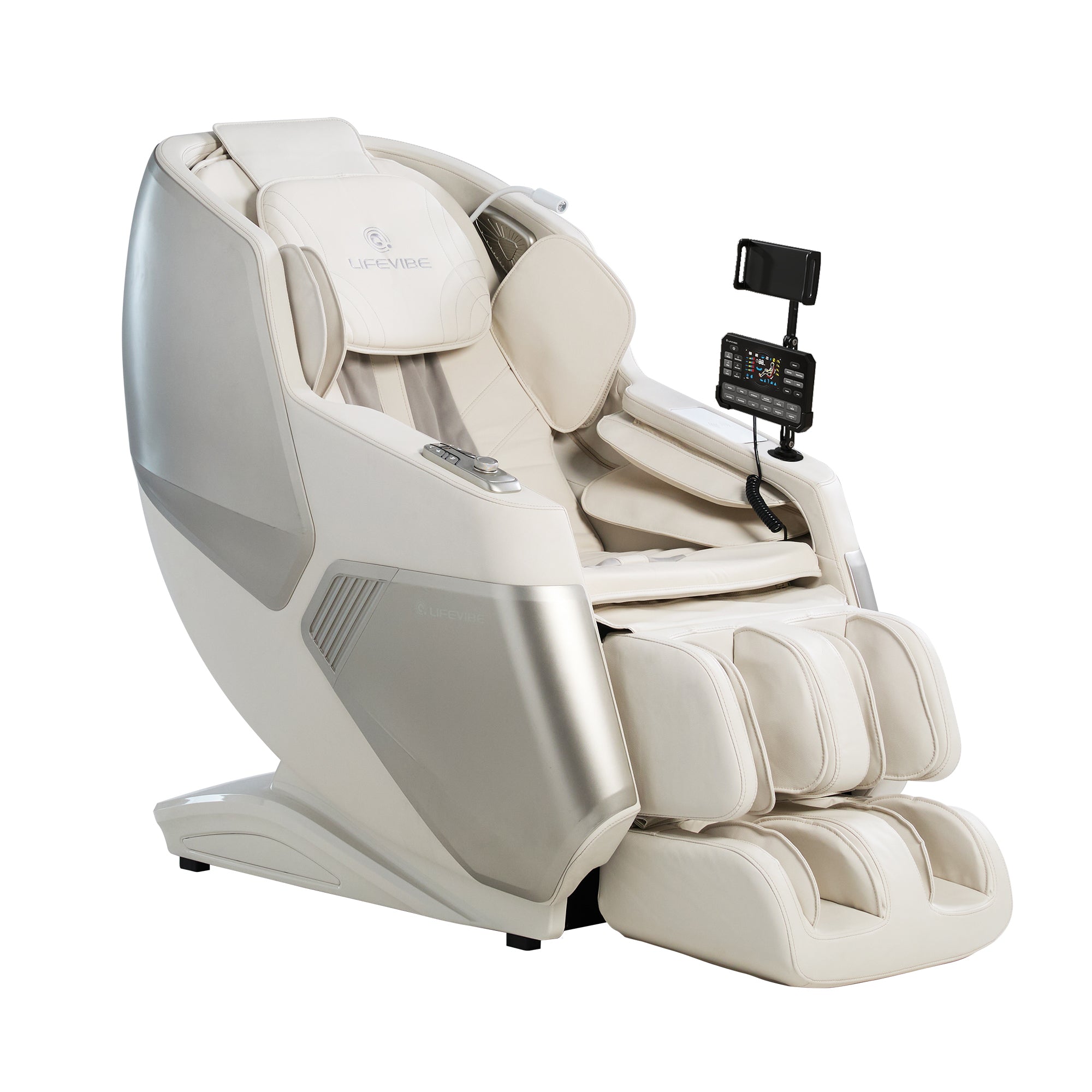
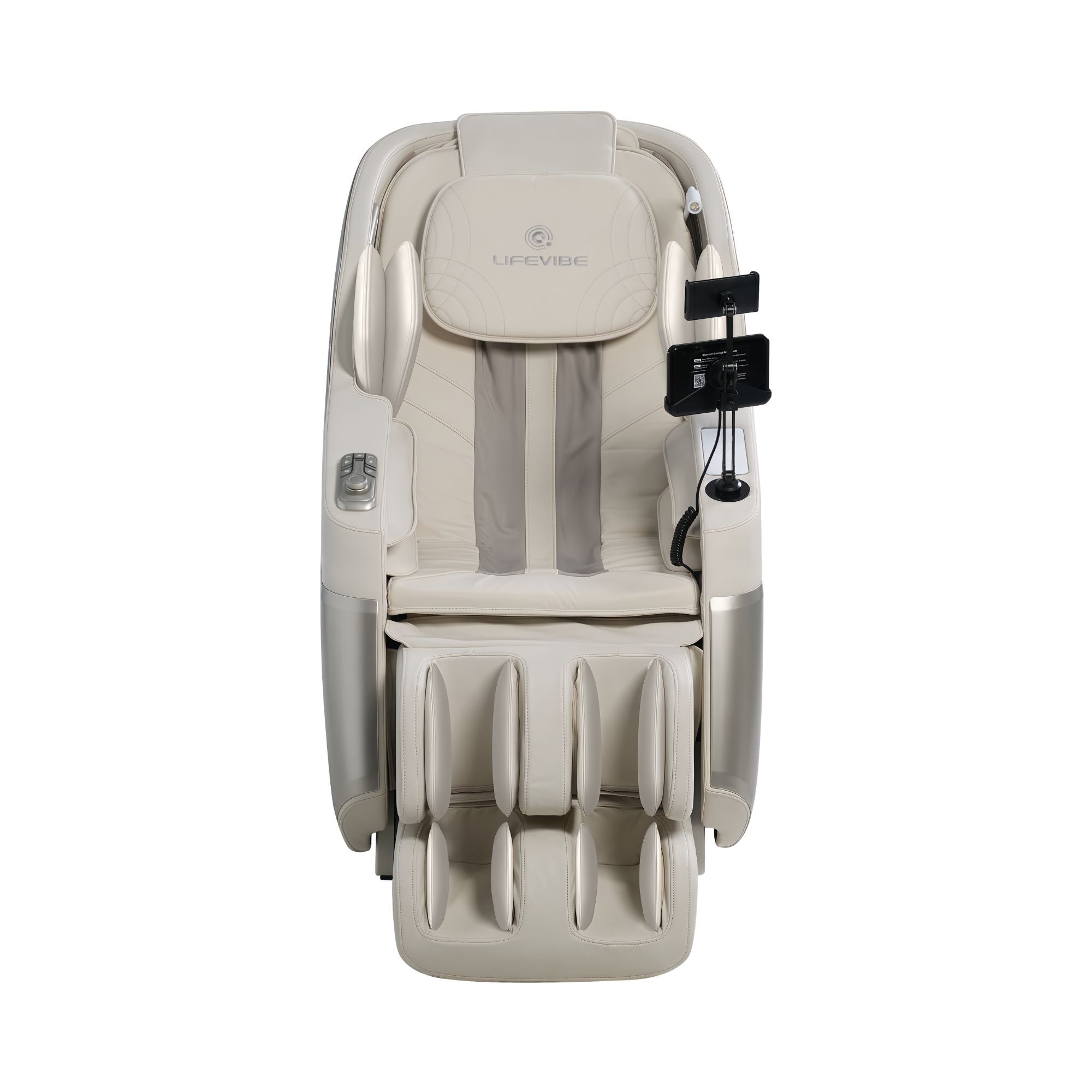
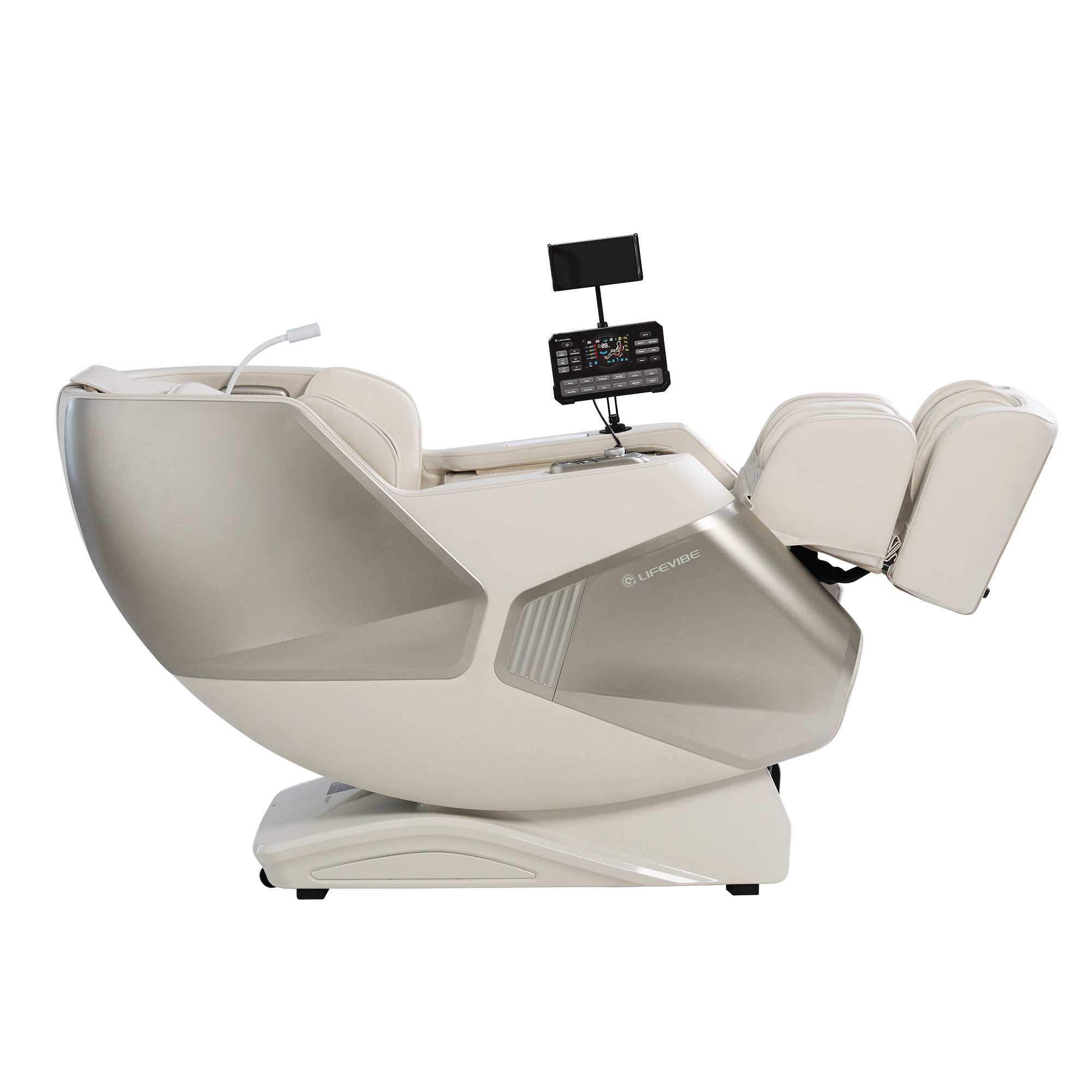
Vibroacoustic therapy (VAT) chairs use low-frequency sound waves and vibrations that travel through your body. The chairs usually have embedded vibration panel (Lifevibe VAT chair with sonic wave massage mechanism) that target specific areas, like your spine and lower back. When the vibrations move through muscles and soft tissues, it can help loosen tension, improve circulation and relax tight spots.
Some research even suggests that these vibrations can help reduce chronic back pain and stiffness. A study published by the National Institutes of Health found that vibroacoustic therapy improved pain and mobility in patients with musculoskeletal issues (source: https://www.ncbi.nlm.nih.gov/pmc/articles/PMC5741141/).

Lifevibe VAT massage chairs (right) work deeper than traditional massage chair
Benefits for your back
Vibroacoustic therapy chairs are particularly handy if you spend long hours sitting, have tight muscles, or feel general tension in your spine. The vibrations can:
Relax muscles: Gentle vibrations help release knots and tight areas along your back.
Reduce pain: For mild chronic pain or stiffness, the therapy may help improve comfort.
Boost circulation: Better blood flow can support healing and reduce soreness.
Lower stress: The calming effect of the vibrations can indirectly relieve tension-related back discomfort.
Brands like Lifevibe focus on designing chairs that target the whole back while keeping comfort in mind. Ergonomic features and adjustable intensity mean the experience can feel more like a gentle massage than a mechanical shake.
Things to keep in mind
Even though vibroacoustic therapy can be helpful, it’s not a universal fix. There are a few points worth considering before hopping into a session:
Existing injuries: If you have fractures, severe osteoporosis, or acute back injuries, strong vibrations could worsen your condition. Always check with a doctor first.
Intensity and duration: Overuse or high-intensity settings can sometimes cause temporary soreness or even minor bruising. Start slow and adjust to your comfort level.
Individual results vary: Some people feel immediate relief, while others notice gradual benefits over time. Your response may depend on your specific back issues.
A healthcare professional, like a physical therapist or physician, can help determine whether vibroacoustic therapy is safe for your back and suggest how often you should use it.

How to make it work for you
Using a vibroacoustic therapy chair isn’t complicated, but a few tips can improve your experience:
Position yourself correctly: Sit upright or slightly reclined so the vibration massage roller target your back evenly.
Start gentle: Low intensity for 10–15 minutes is usually a safe starting point.
Listen to your body: Mild relaxation is good, but sharp pain or unusual discomfort is a warning sign to stop.
Consistency over intensity: Short, regular sessions tend to be more effective than long, intense sessions.
The right chair design can make a big difference. Chairs from brands like Lifevibe are built to deliver vibration across the spine safely, with adjustable levels so users can find what feels best for them.
What the science says
There’s increasing interest in vibroacoustic therapy as a non-invasive approach to back care. Studies have shown it can help relax muscles, improve mobility, and reduce discomfort in people with musculoskeletal conditions. The NIH study mentioned above suggests that these benefits are linked not just to vibration, but to how vibrations interact with soft tissues and nerve pathways.
While research is ongoing, early results are promising. Vibroacoustic therapy isn’t a replacement for medical treatment, but it can be a helpful addition to other therapies like stretching, physical therapy, or light exercise.

Deeper penetration: Low-frequency waves bypass the surface, activating muscles, fascia and nerves from within.
Bottom line
Vibroacoustic therapy chairs can be a useful tool for back relief, especially for tension, stiffness, or mild chronic pain. They help relax muscles, improve circulation and make sitting less stressful. But they’re not for everyone—people with serious injuries or specific medical conditions should get a professional opinion first.
When used safely, chairs like those from Lifevibe offer a relaxing, low-impact way to support back health. The key is moderation, proper positioning, and listening to your body. With that approach, a vibroacoustic chair can be a comfortable companion in your routine for back care.




Share:
How Zero Gravity in Massage Chair Mode Benefits the Spine and Circulation?
Can You Use a Vibroacoustic Therapy Massage Chair After Eating?