

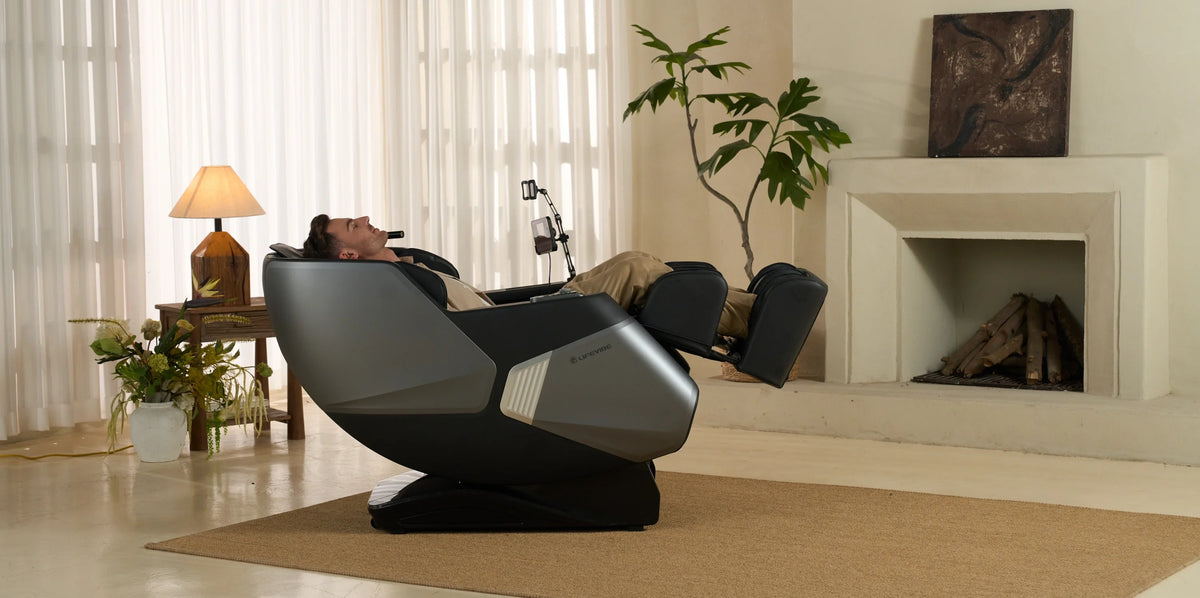
If you’ve ever tried a regular massage chair and then sat in a vibroacoustic massage chair, you may notice something almost immediately: the sensation is different. It doesn’t necessarily feel stronger. In fact, it can feel gentler. But instead of feeling like rollers simply pressing, kneading or tapping your muscles, you may notice a subtle sense of vibration moving through the body while the massage is happening.
So what causes that difference? The short answer is that vibroacoustic massage adds low-frequency sound-generated vibration to mechanical massage. Instead of relying only on physical pressure from rollers, the experience combines touch, vibration, sound, and rhythm.
That is the basic idea behind Lifevibe’s approach to vibroacoustic massage.
Regular Massage Mainly Starts With Physical Pressure
A conventional massage chair works in a fairly straightforward way. Its rollers move along your back and use techniques such as kneading, tapping, knocking, or Shiatsu-style pressure. Airbags may squeeze your shoulders, arms, calves, and feet, while heat can add another layer of comfort. You feel these effects primarily because something is physically contacting and moving against your body. That can feel great, especially when you enjoy a stronger massage.
But there is another way to create a massage sensation: vibration generated by sound.
Vibroacoustic therapy, or VAT, uses low-frequency sound vibrations, sometimes combined with music, to create a physical vibrational sensation. Research on VAT is still developing, and studies have used different frequencies, devices, and treatment protocols, so it would be too strong to claim that every frequency produces a specific medical effect. A 2022 scoping review in BMJ Open, indexed by PubMed, found that research protocols varied considerably and concluded that more high-quality randomized trials are needed.
That distinction matters. Vibroacoustic massage is an interesting wellness technology, but it shouldn't be presented as a replacement for medical treatment.

Traditional massage mechanisms rely solely on mechanical massage, while Lifevibe VAT chairs combine traditional massage with vibroacoustic technology to create a deeper, more immersive experience.
Sound Can Become a Physical Sensation
Here’s the part that makes vibroacoustic massage unusual. Sound isn't only something you hear. When sound is converted into mechanical vibration, you can also feel it.
A vibroacoustic system uses an audio signal to drive a transducer, converting electrical energy into controlled mechanical movement. Instead of producing only audible sound through a speaker, the system can create a low-frequency physical vibration that is transmitted through a contact surface. That is why the experience can feel less like a conventional vibrating motor and more like a gentle pulse or resonance.

SonicWave™ massage mechanism with 3D massage rollers and sonic components.
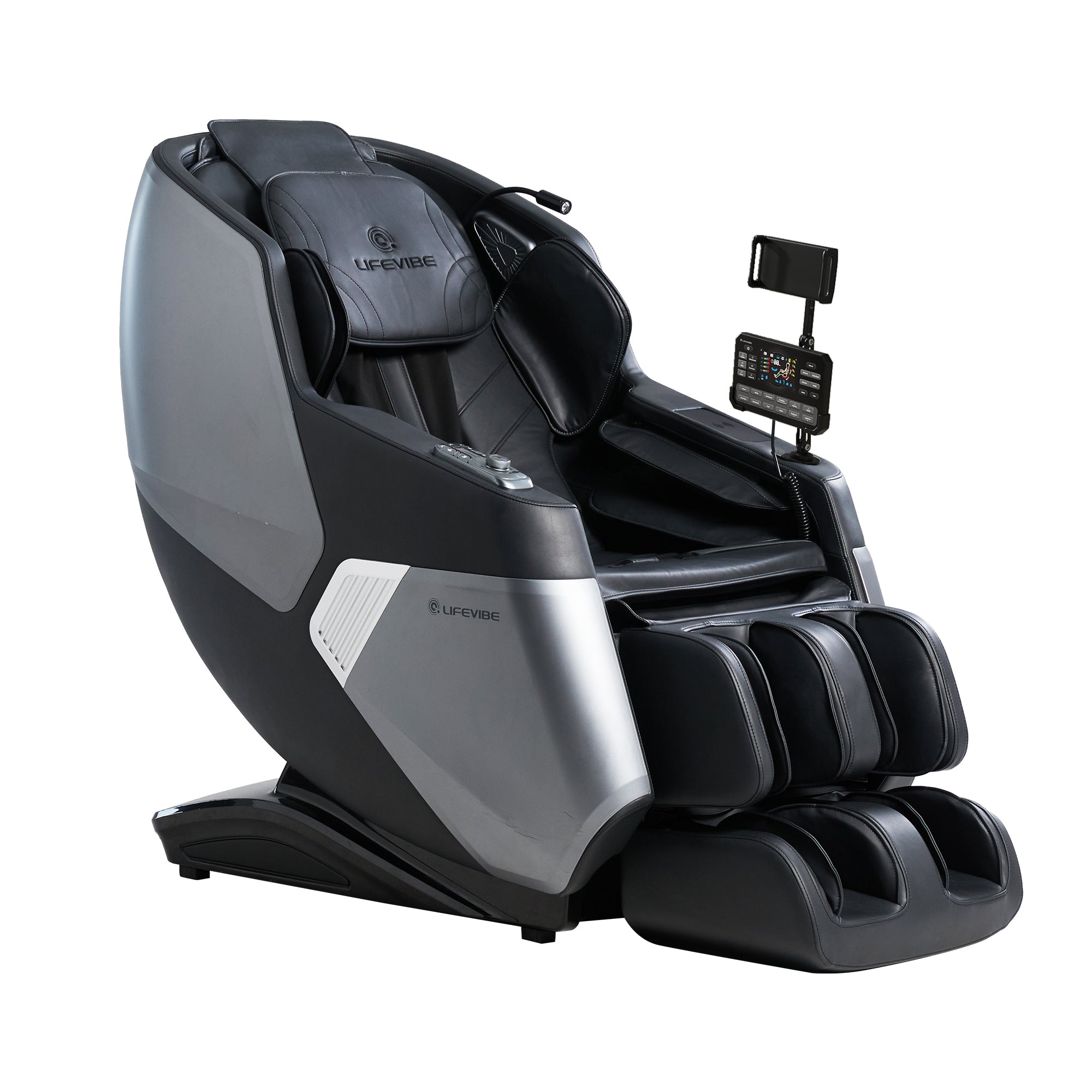
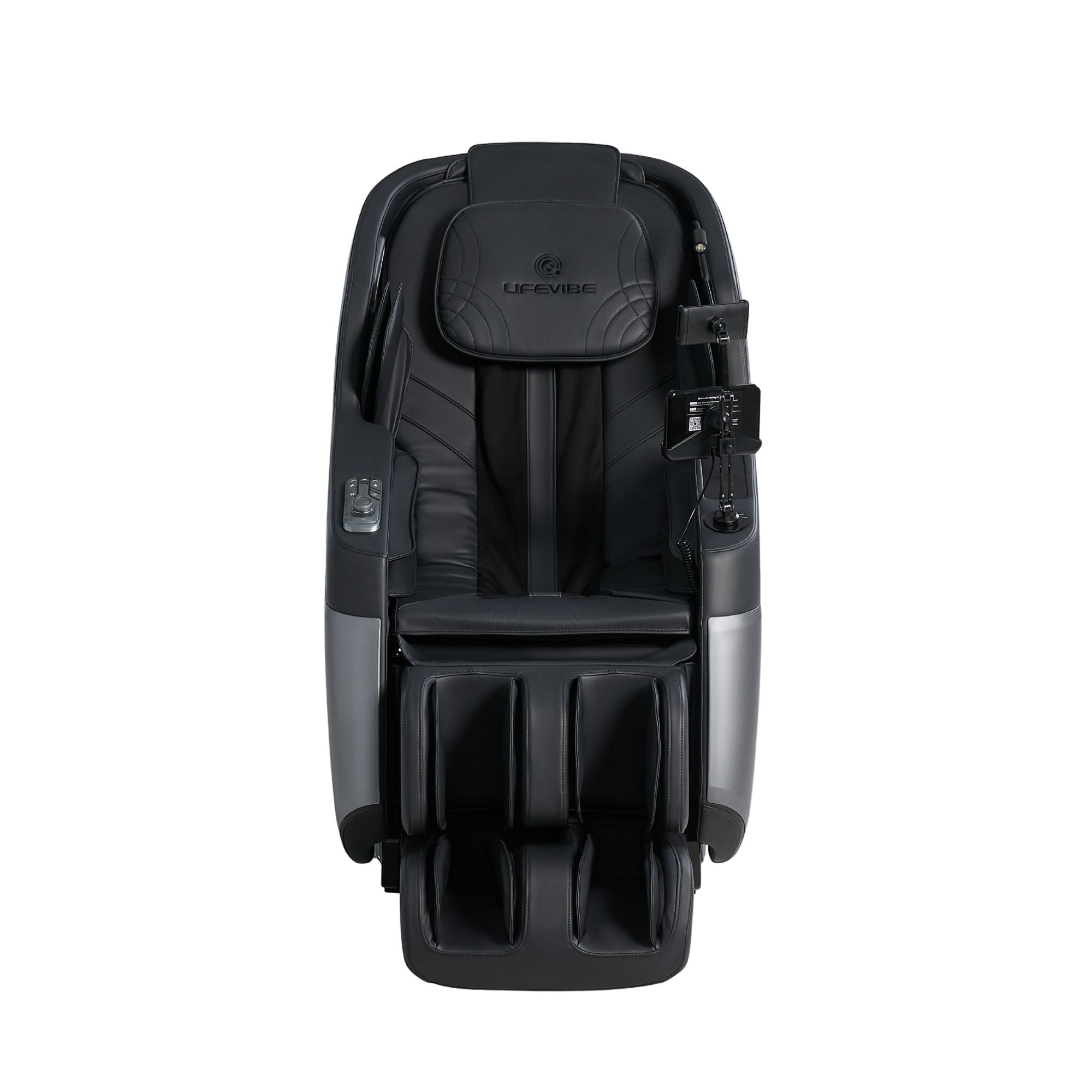
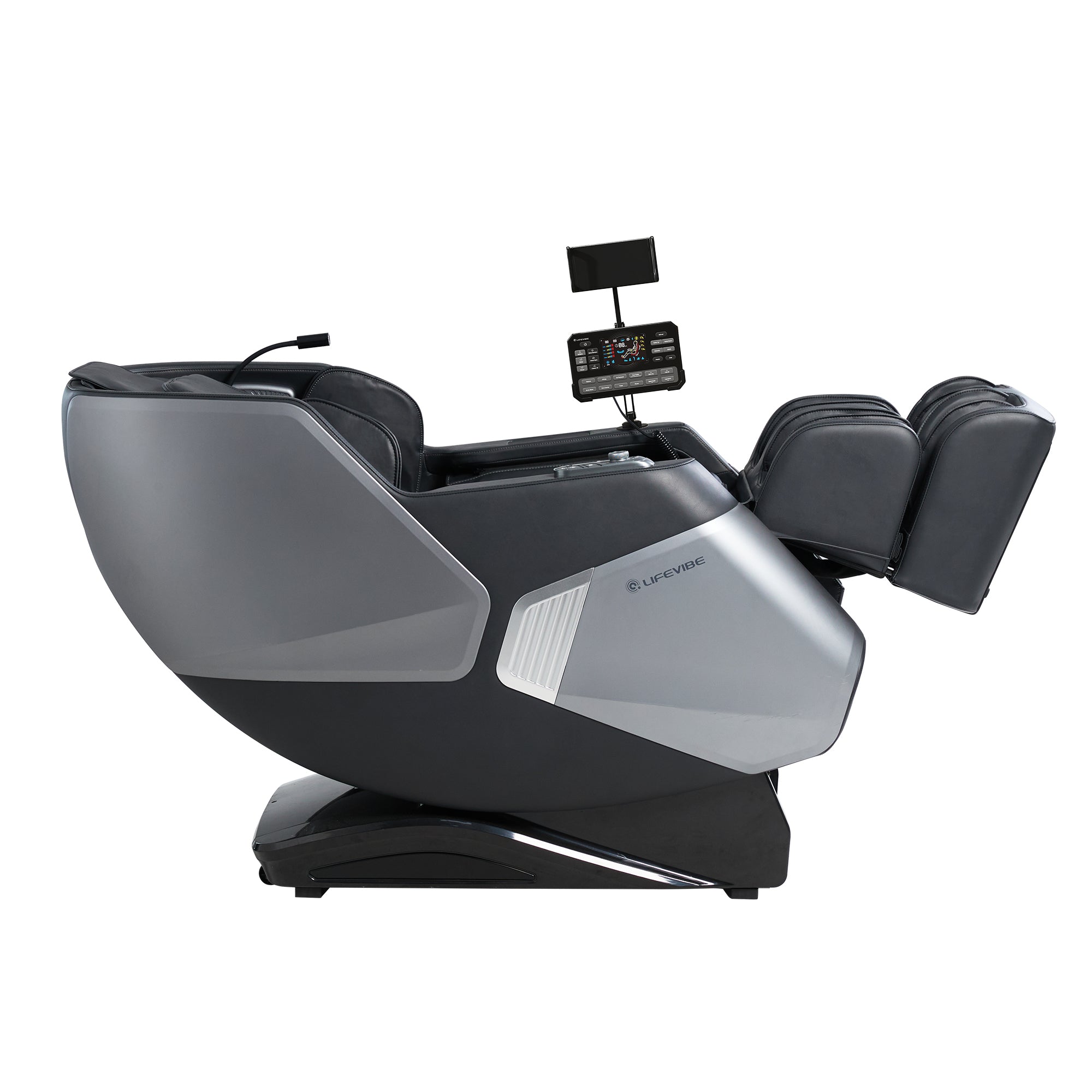
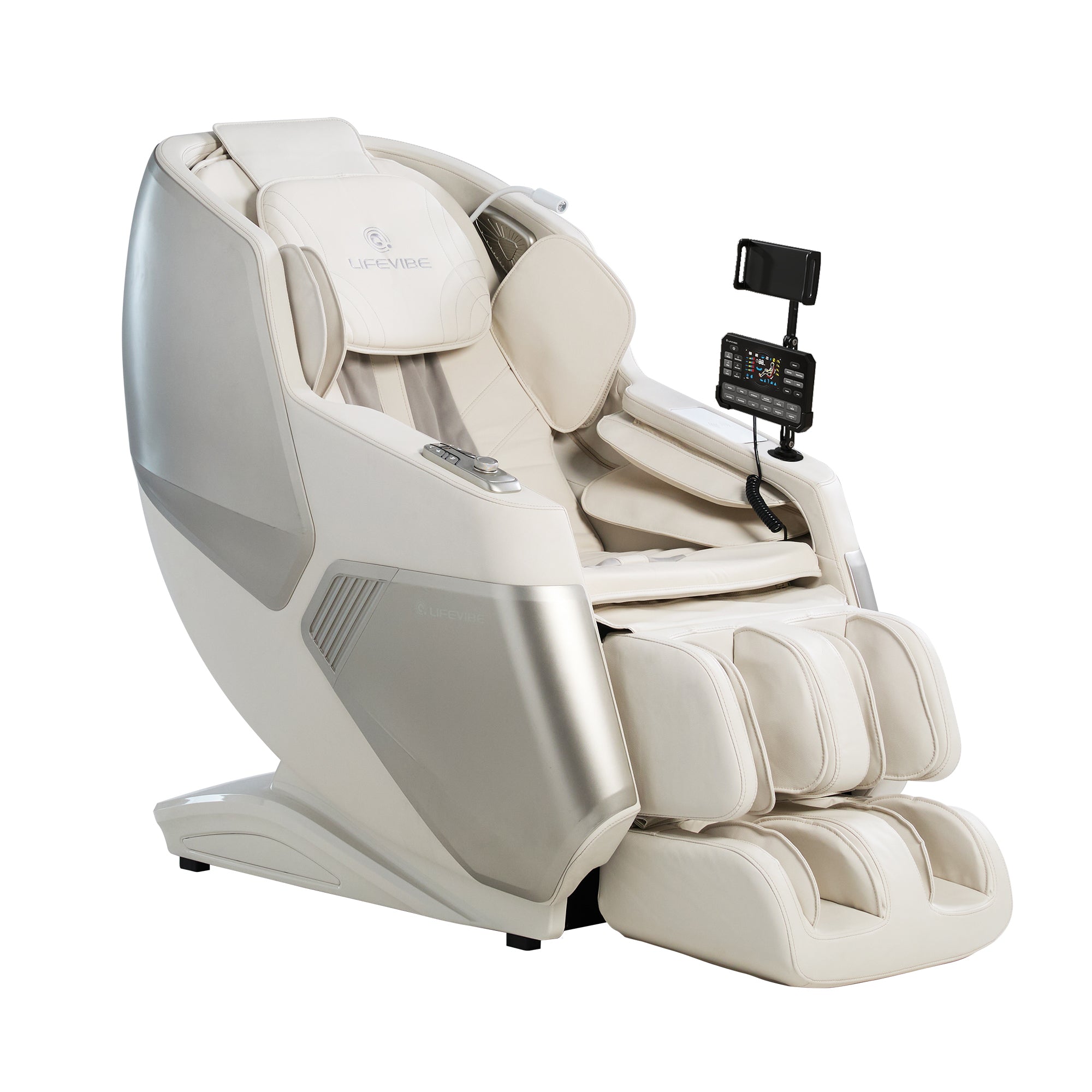
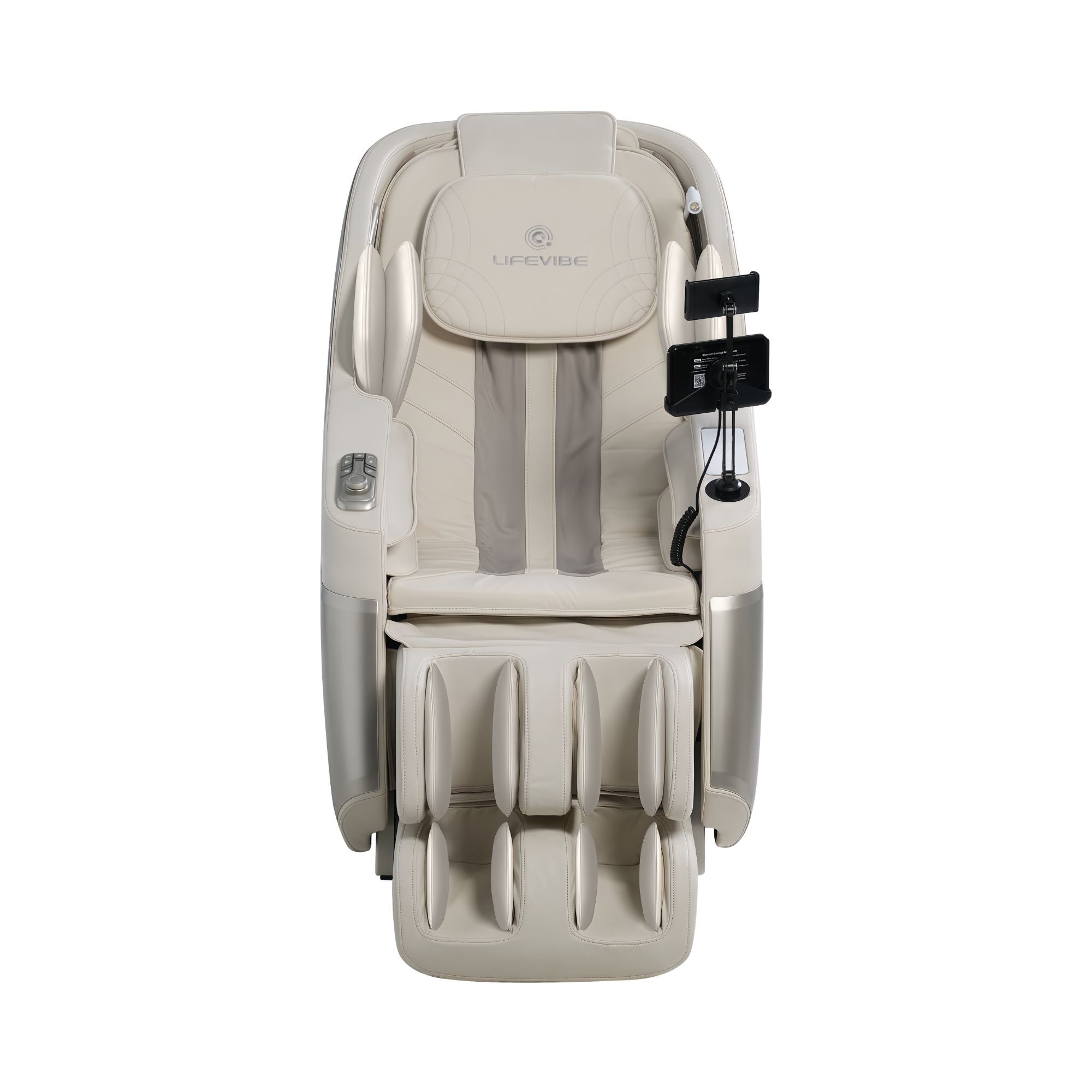
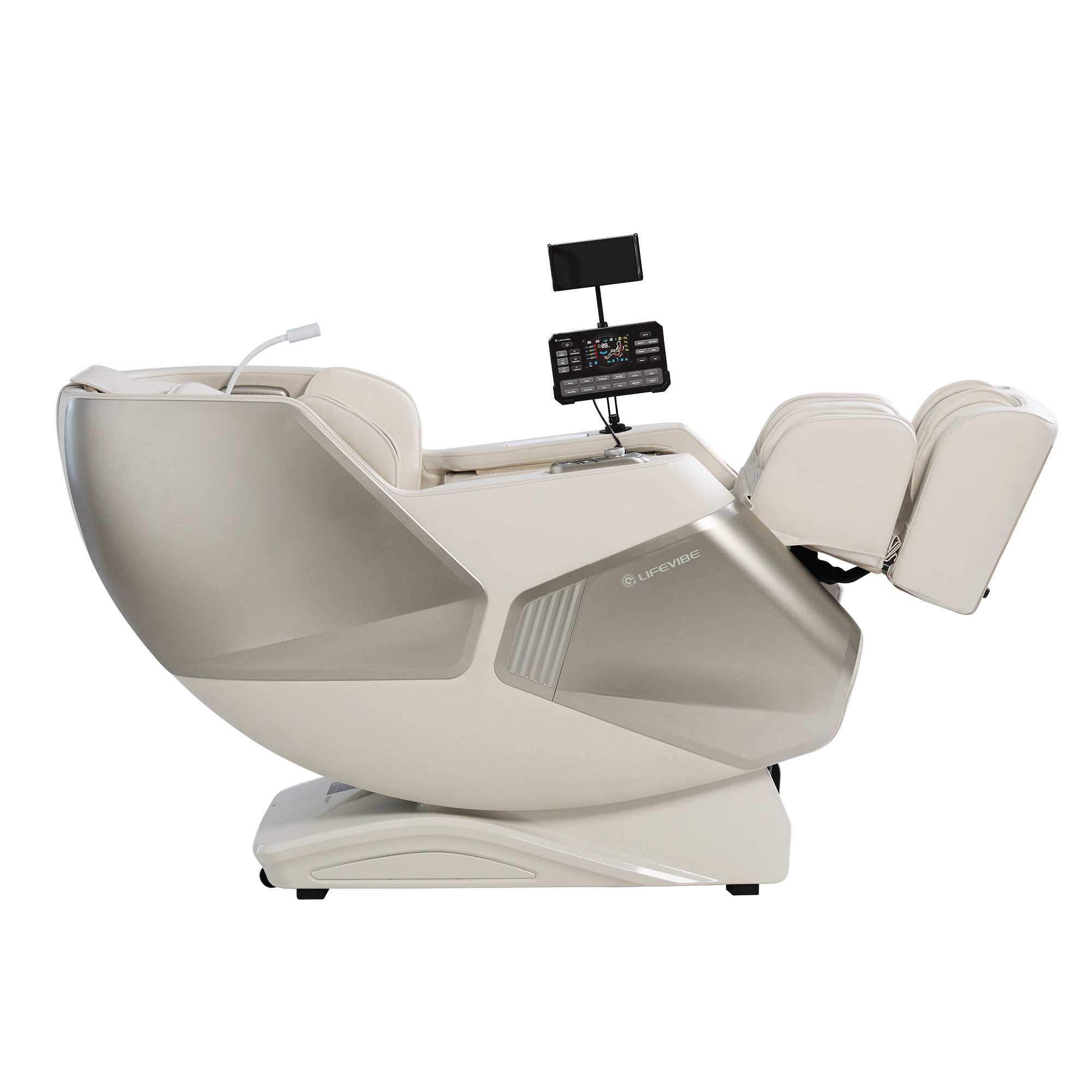
With Lifevibe Prime, the SonicWave™ massage mechanism combines conventional 3D massage rollers with sonic components. The rollers provide familiar mechanical massage while the sonic system adds another sensory layer.
So you're not choosing between traditional massage and vibration. You are experiencing them together.
The Difference Is More About “How It Feels” Than “How Strong It Is”
This is probably the biggest misconception about vibroacoustic massage. A different sensation doesn't automatically mean a stronger massage.
Traditional massage tends to be easier to describe in terms of pressure. You can increase roller intensity and immediately feel the difference. Vibroacoustic massage introduces another variable: frequency. Frequency describes how many cycles of vibration occur per second, measured in hertz (Hz). Changing frequency changes the character of the vibration you perceive.
Research on localized vibration also suggests that frequency can influence how the nervous system processes sensory input. A systematic review published in European Journal of Physical and Rehabilitation Medicine discussed different neurophysiological responses to localized vibration and noted that frequency can matter independently of simply increasing intensity. That helps explain why two massage experiences with similar intensity can still feel completely different.
One may feel like pressure. The other may feel like a rhythmic pulse spreading through the body.
Why Lifevibe Feels More Immersive
Lifevibe takes the idea a step further with SonicSync™ technology.
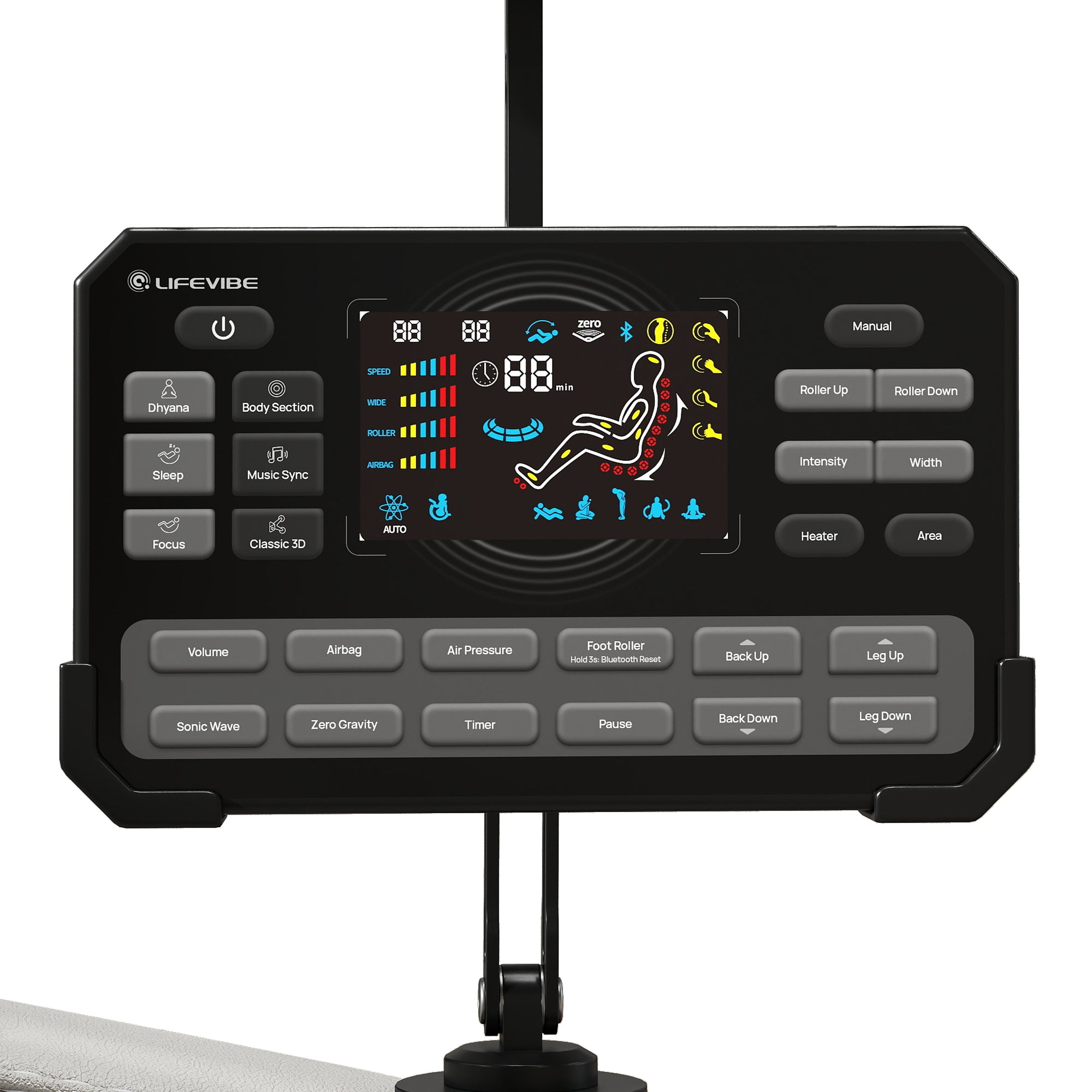
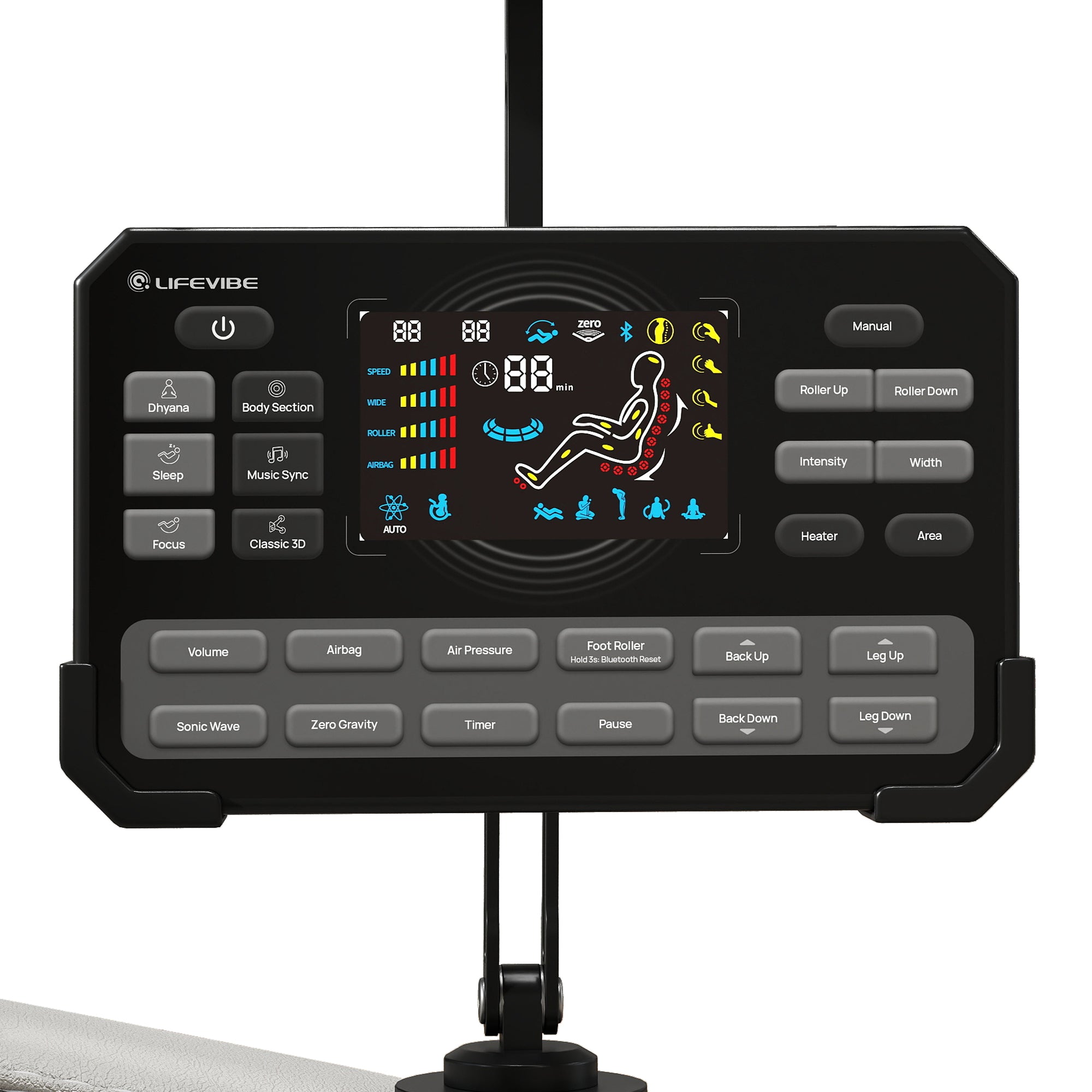
Instead of treating vibration, sound, and mechanical massage as completely separate functions, the system coordinates them according to the selected program. For example, a Sleep program can use slower, gentler rhythms. A Focus program can feel more rhythmic and alert. Music Sync can respond to the rhythm of music coming from a connected device. This changes the experience from simply “getting a massage” to experiencing a coordinated sensory environment.
Imagine listening to music while someone taps your shoulder randomly. It can feel disconnected. Now imagine the taps naturally following the rhythm. The second experience feels more coherent. That's essentially the idea behind SonicSync™: synchronize the sound, vibration, and massage movement so the different sensations don't compete with each other.
You May Notice Less “Mechanical” Sensation
Traditional massage chairs can sometimes feel very mechanical. You know exactly when a roller moves up your back. You can feel when it changes direction. A strong tapping sequence can feel distinctly like a machine repeatedly making contact with your body.
Vibroacoustic massage adds another layer that can soften that mechanical character. The vibration isn't necessarily replacing the roller. Instead, it happens alongside it.
In Lifevibe Prime vibroacoustic massage chair, the upper 3D rollers provide familiar massage techniques while the lower sonic components add controlled vibration. That combination creates a sensation that can feel more continuous rather than being defined only by individual roller movements.
For people who don't enjoy very aggressive massage, this can be particularly interesting because more sensation doesn't always have to mean more pressure.
Your Brain Is Also Part of the Experience
Massage isn't purely mechanical. Your brain constantly processes touch, vibration, sound, movement, temperature, and rhythm at the same time. That's one reason the same physical massage can feel different depending on whether you're listening to calming music, watching TV, working, or trying to fall asleep.
This is also where vibroacoustic massage becomes more than a simple vibration feature.
VAT research has investigated its potential relationship with relaxation, stress, and pain perception, although the evidence remains mixed and the protocols are not standardized. A recent review of acoustic stimulation research describes VAT as a promising area while also emphasizing the need for stronger clinical evidence, particularly for newer technologies.
So the most reasonable way to describe the experience is not “sound waves cure pain.” It's simpler: sound becomes vibration, vibration becomes physical sensation, and physical sensation becomes part of a more immersive massage experience.
It Can Feel Different Even at a Lower Intensity
This is where vibroacoustic massage gets interesting.
Suppose you normally turn a massage chair down because strong pressure feels uncomfortable. A sonic system gives you another way to add sensory stimulation without simply increasing roller pressure.
Lifevibe Prime, for example, allows the Sonic Wave intensity to be adjusted separately in applicable programs. That means you can create a softer mechanical massage while still experiencing the rhythmic vibration. For everyday relaxation, that can make the chair feel less like a machine trying to “work out” your muscles and more like a space designed for slowing down.
Of course, comfort is highly personal. Some people love deep pressure, while others prefer gentle movement and subtle vibration.
It Also Changes How Music Feels
Music Sync is another major difference. With a normal massage chair, Bluetooth usually means one thing: you listen to music while receiving a massage.
With Lifevibe's Music Sync concept, the music can also become part of the physical experience. The chair analyzes the audio and coordinates vibration with its rhythm. So a bass beat isn't only something you hear through the speakers. You may also perceive a corresponding physical pulse. That's why watching a movie, listening to music, or playing a game can feel different in a vibroacoustic chair.
You're not just hearing the soundtrack. You're adding another sensory channel.
So, Is Vibroacoustic Massage Better?
Not necessarily. It's different.
If you love strong roller pressure, deep kneading, and the familiar feeling of a traditional massage chair, conventional massage may already be exactly what you want. If you prefer a softer experience but still want something you can physically feel, vibroacoustic massage may be more appealing. And if you enjoy music, meditation, relaxation rituals, or immersive technology, the combination of sound, rhythm, vibration, and mechanical massage offers something traditional massage chairs don't usually focus on.
The scientific evidence around VAT is promising in some areas but still developing. A 2022 review found that existing VAT research was too heterogeneous to determine exactly which treatment properties are responsible for benefits, which is why responsible product descriptions should focus on the sensory and wellness experience rather than making broad medical claims.
That may actually be the most interesting thing about the technology.
Vibroacoustic massage doesn't try to make traditional massage stronger. It changes the way massage is delivered. With Lifevibe, rollers provide the physical touch, sonic vibration adds another layer of sensation, and SonicSync™ brings sound and movement together. The result is a massage that you don't simply feel on the surface.
You hear it. You feel it. And, when the rhythm is right, you can almost settle into it.





Share:
Is Vibroacoustic Therapy Just Another Word for Vibration Massage?
Why Does Vibroacoustic Massage Feel Relaxing Without Deep Pressure?