

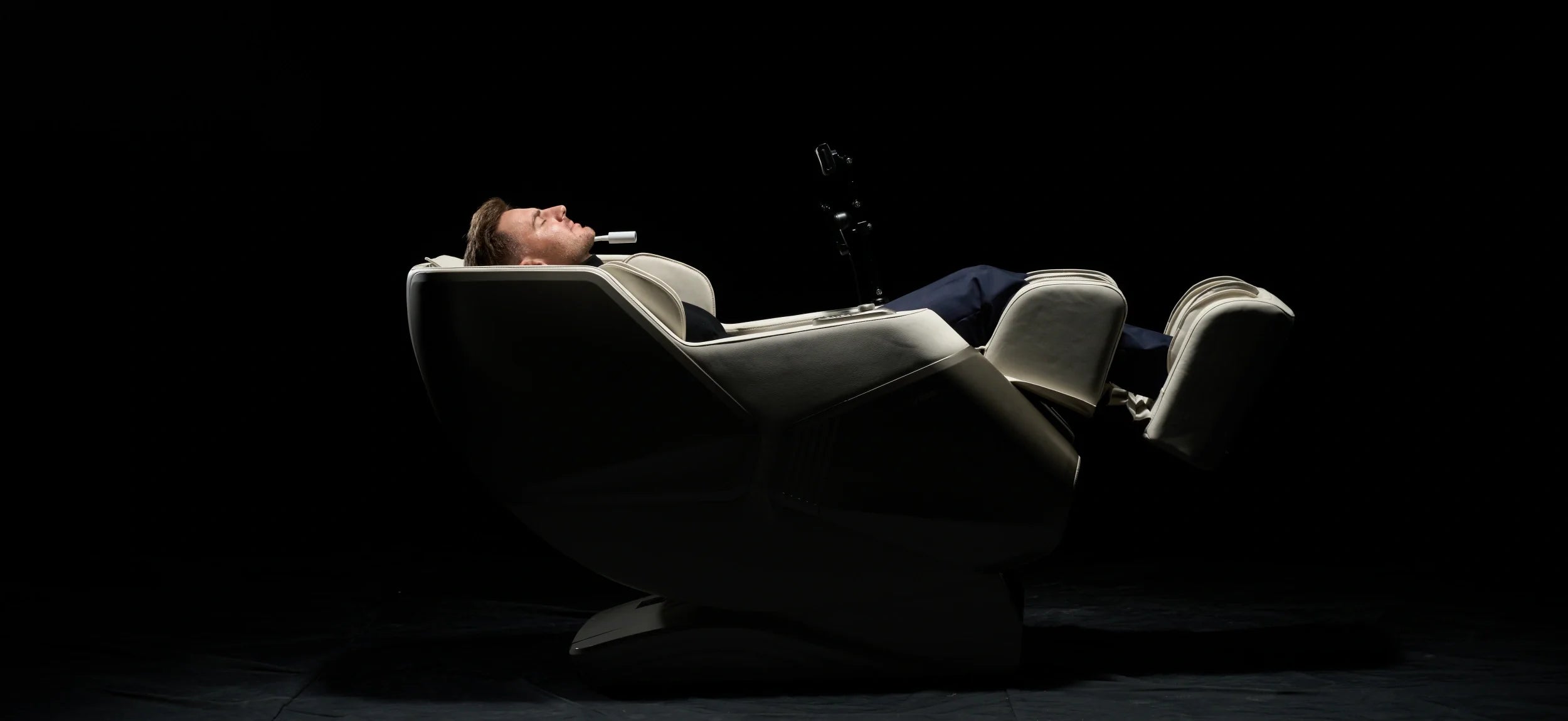
If you have ever sat in a vibroacoustic massage chair and felt it shake, you might assume that vibroacoustic therapy is simply a fancier name for vibration massage. It sounds reasonable. Both involve vibration. Both can feel relaxing. And both can be built into wellness devices. But there is an important difference: the source, delivery method and purpose of the vibration are not necessarily the same.
That distinction matters if you are trying to understand what Vibroacoustic Therapy (VAT) actually means, rather than simply treating every vibrating massage device as the same thing.
Vibration Massage Is Mostly About Mechanical Movement
Traditional vibration massage generally relies on mechanical movement. A motor or mechanical mechanism creates repeated movement that is transferred to the body through a massage head, roller, pad or another contact surface. You feel that movement directly.
Massage chairs are a good example. Their rollers can knead, tap, knock, or press against the body, while other components may add vibration. The goal is usually straightforward: create physical stimulation that helps the body feel less tense and more relaxed.
Mechanical vibration is also a legitimate area of scientific research. Studies have examined local vibration and whole-body vibration for muscle activity, strength, balance, pain and other outcomes. A 2024 systematic review, for example, examined how whole-body vibration affects neuromuscular responses in healthy people.
So vibration massage is not “fake” or meaningless. It is simply a different category from vibroacoustic therapy.
 Massage Gun with Traditional Vibration Massage
Then What Makes Vibroacoustic Therapy Different?
Vibroacoustic Therapy uses sound and low-frequency vibration as part of the intervention, rather than relying only on mechanical massage movement. A peer-reviewed scoping review published in BMJ Open describes VAT as involving low-frequency sound vibration and music, with studies using sinusoidal sound waves delivered through specialized devices. The review also found considerable variation in how VAT was delivered, including differences in frequency, amplitude, pulsation, and loudness. That is the key idea. With ordinary mechanical vibration, the machine itself creates physical movement.

With VAT, sound becomes part of the physical experience. Audio signals can be converted into low-frequency vibrations that are transferred through a device and felt by the body.
So while both approaches involve vibration, “vibration” describes the sensation, not necessarily the technology behind it.
Why Does the Frequency Matter?
This is where things get a little more interesting. Vibration is not just vibration. Frequency, amplitude, duration, and the way the stimulus is delivered can change how the body responds.
Research on VAT has used different frequencies, but there is no universally established frequency chart showing that one specific frequency reliably produces one specific therapeutic outcome. In fact, the BMJ Open scoping review found that protocols varied substantially, although 40 Hz appeared frequently in the studies it reviewed. The authors concluded that the evidence was still too limited to identify which VAT properties are beneficial for pain management and called for better randomized controlled trials.
That is an important reality check.
You may see wellness content claiming that 50 Hz is for one purpose, 75 Hz for another, and 100 Hz for something else. Those numbers can be useful for describing how a product is programmed, but they should not automatically be interpreted as clinically proven frequency prescriptions.
For consumers, the more useful question is often: How is the vibration being generated, and how is it being delivered?
VAT Isn't Simply “A Massage That Vibrates”
Think about the difference between listening to music through headphones and sitting on a vibrating platform. Both involve sound or vibration, but the experience and mechanism are different.
VAT is designed around the relationship between sound, vibration, and the person's sensory experience. Traditional massage focuses much more directly on physical manipulation: pressure, kneading, tapping, rolling, and similar movements. This is also why VAT research often sits somewhere between music-based interventions, sensory stimulation, rehabilitation, and wellness research. The BMJ Open review notes that VAT has been studied in areas including pain management, while also emphasizing that the evidence base remains heterogeneous and incomplete.
In other words, calling something “vibration massage” doesn't automatically make it VAT.
You might be interested in: Research Advances in VAT.
Where Does a Vibroacoustic Massage Chair Fit In?
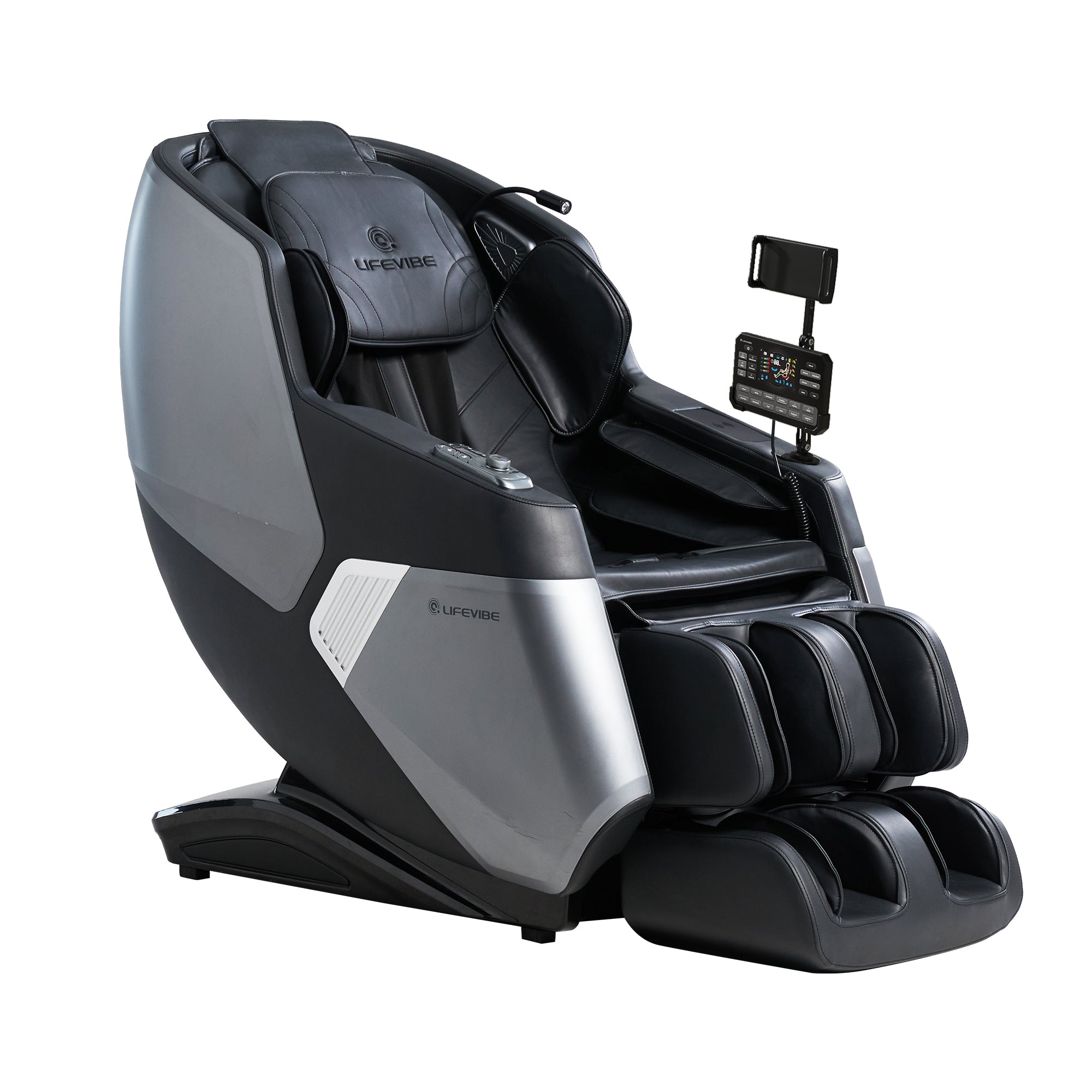
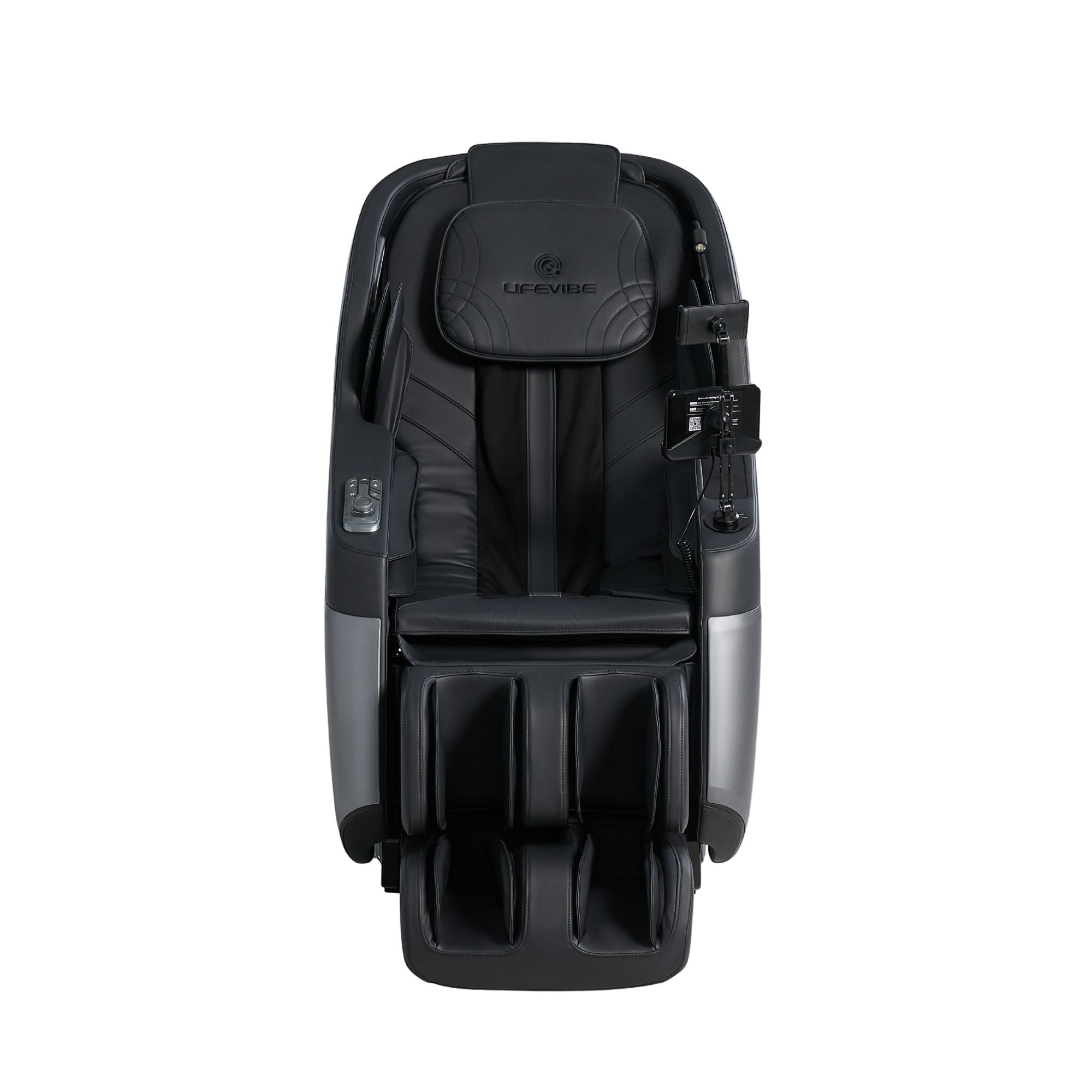
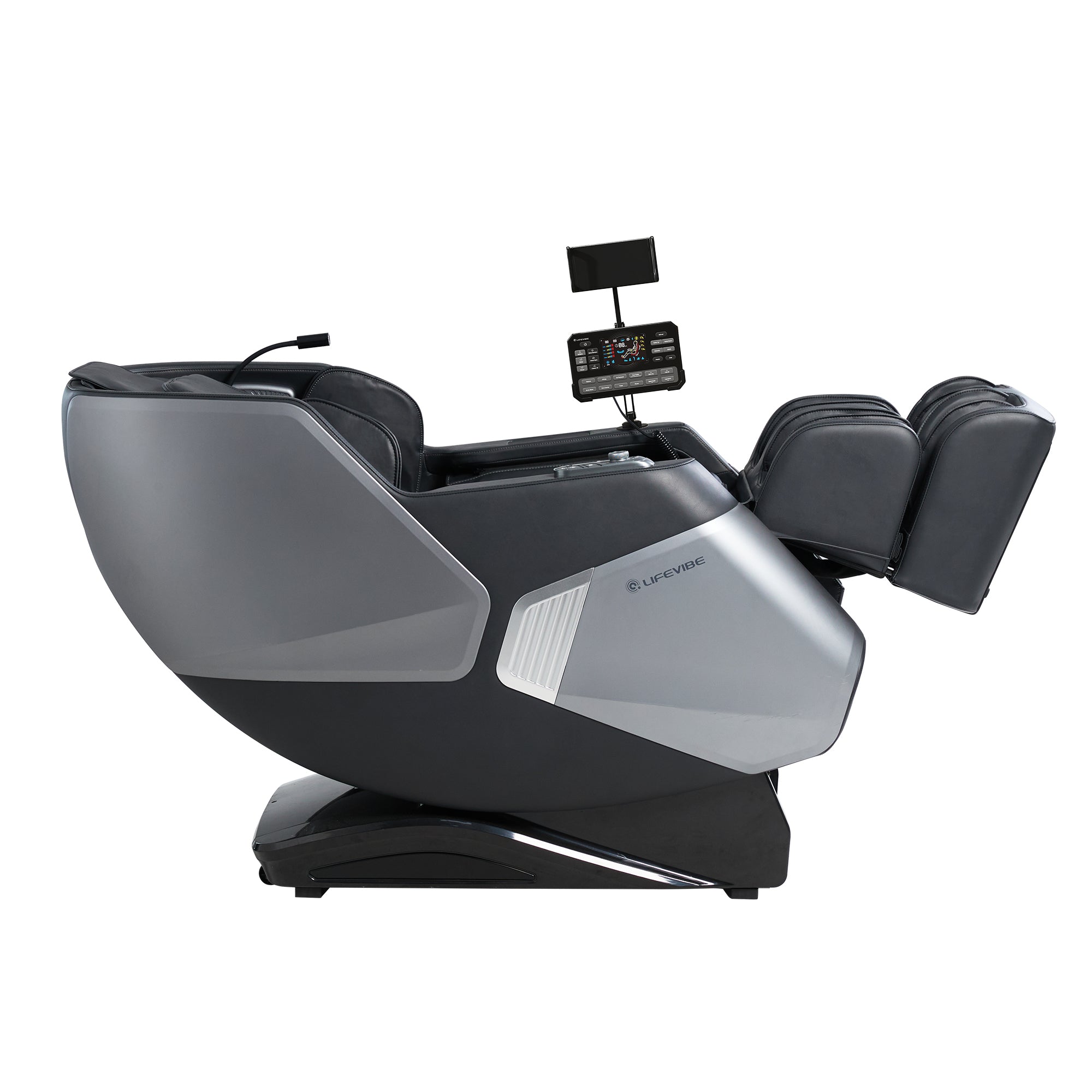
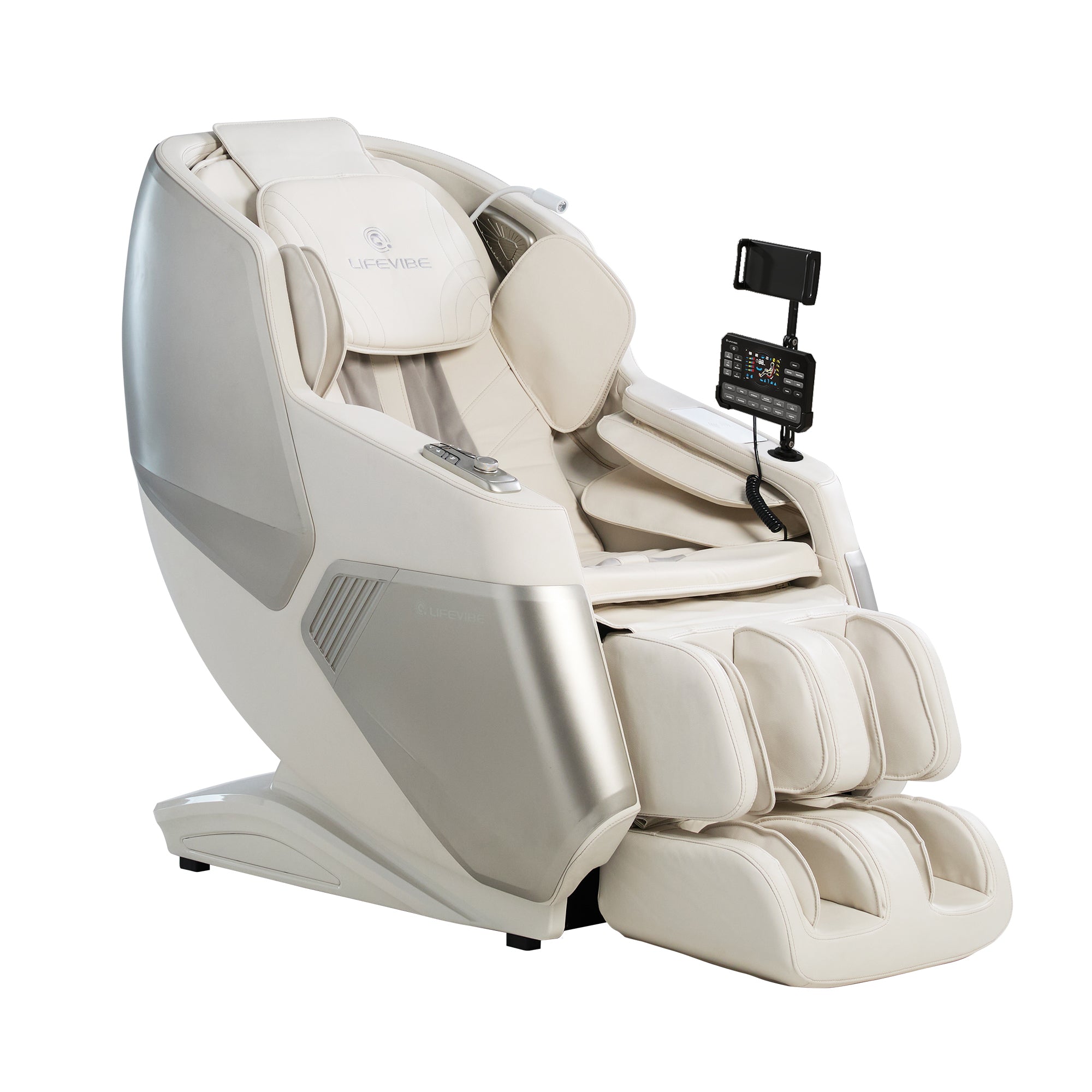
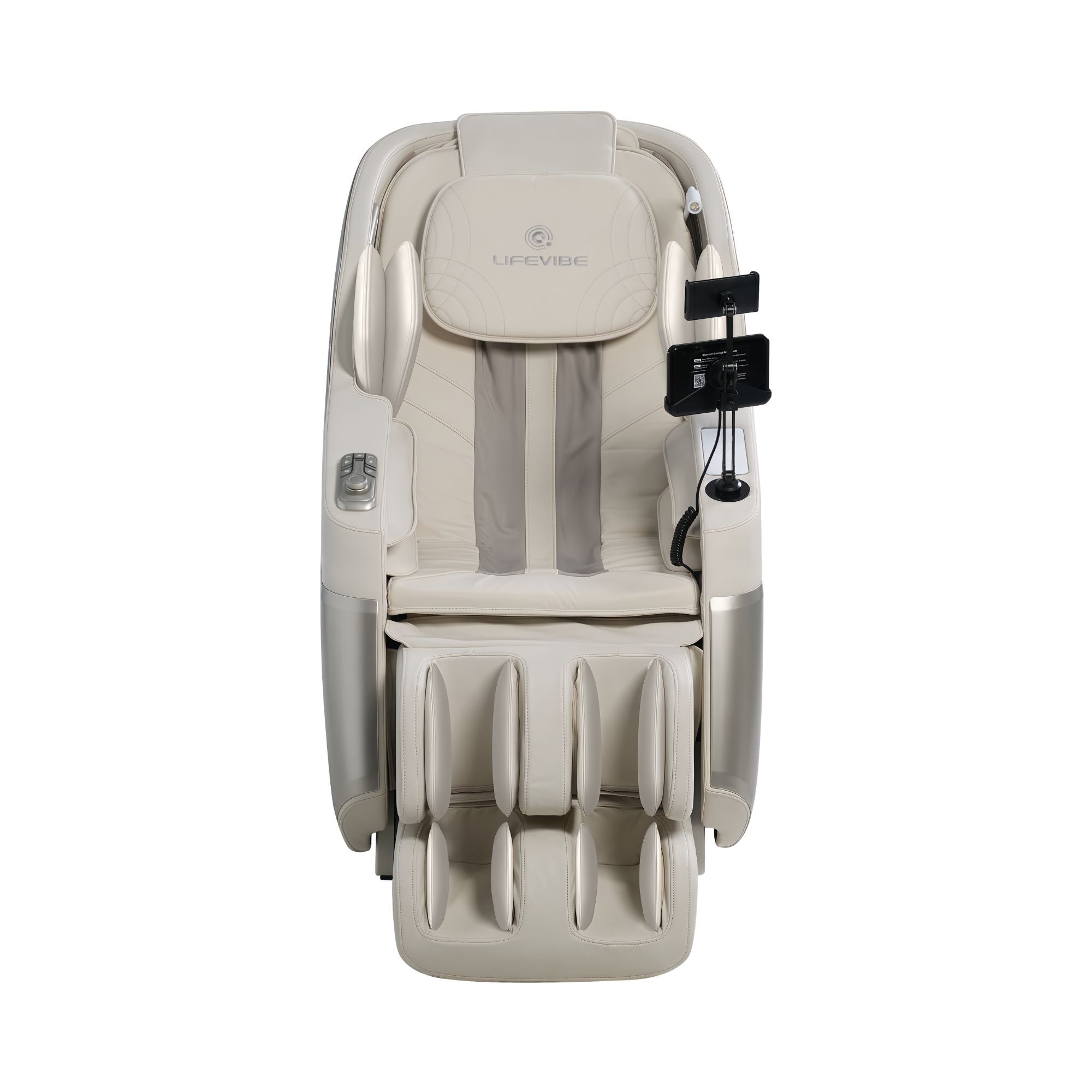
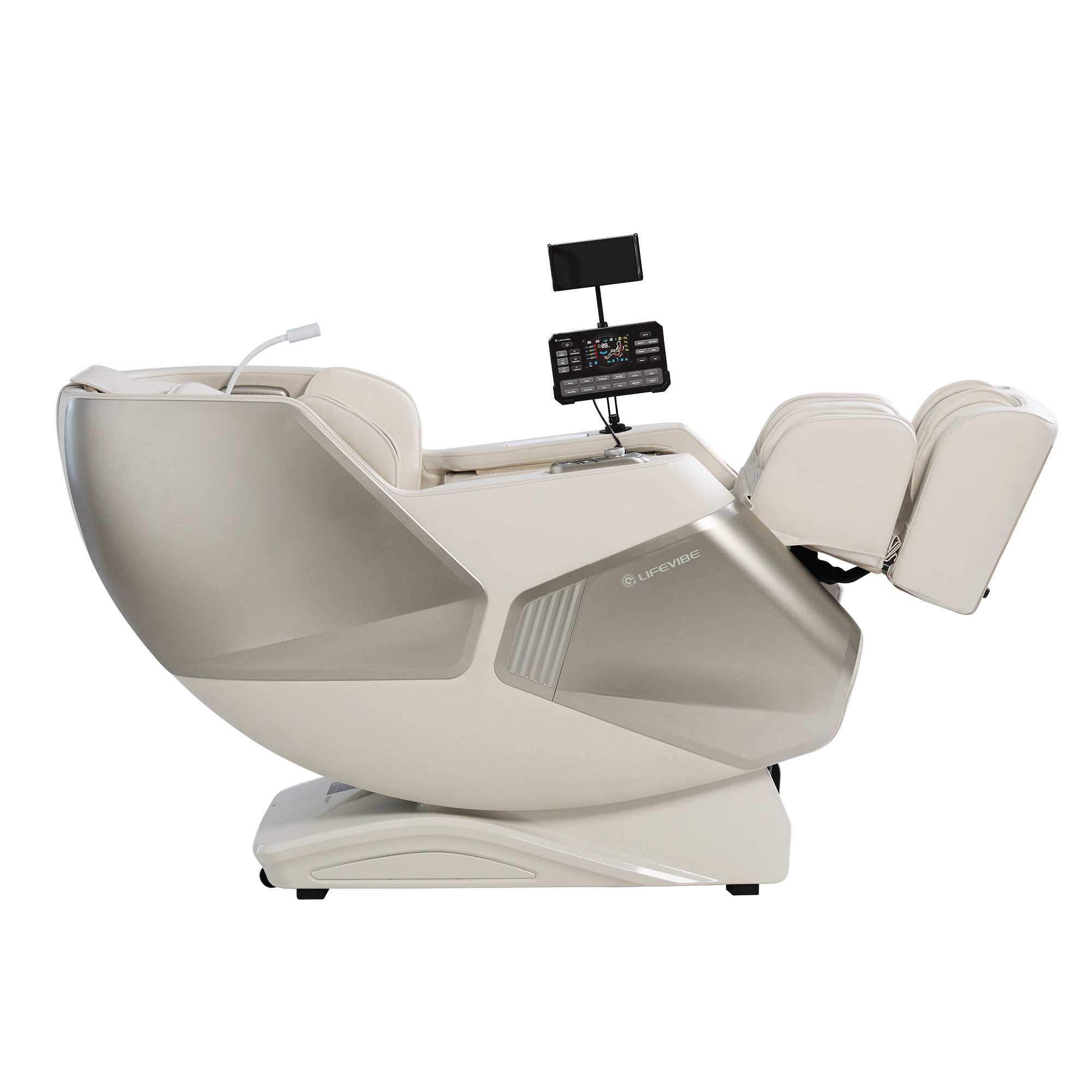
This is where the idea gets especially interesting. A chair can combine traditional massage mechanics and vibroacoustic stimulation instead of forcing you to choose one or the other. That is the approach behind Lifevibe Prime.

According to the product materials, its SonicWave™ massage mechanism combines an upper layer of 3D massage rollers with lower sonic components designed to convert audio signals into controlled vibrations. Its SonicSync™ system is designed to coordinate sound, vibration, and mechanical massage movements in rhythm. So the chair isn't simply adding a vibration motor to a conventional massage mechanism. The concept is more like this:
Mechanical massage + low-frequency sonic vibration + synchronized sound = a combined sensory experience.
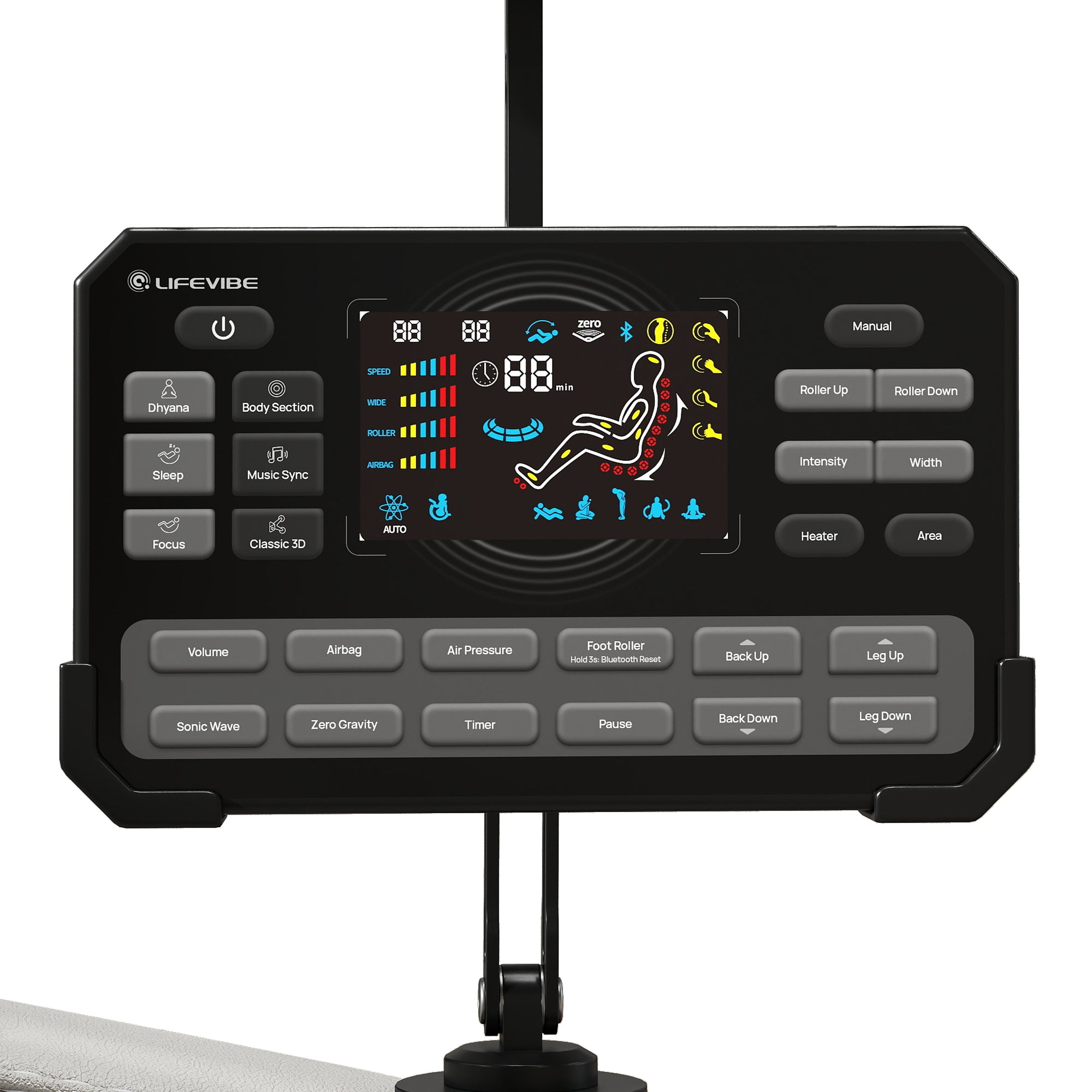
That distinction is central to how Lifevibe positions its technology. The Prime also includes traditional features such as an SL-track, air compression, heat, foot rollers, zero gravity, body scanning and multiple massage techniques.
What About Music?
Music is another reason people sometimes get confused about VAT. Playing relaxing music while getting a massage does not automatically turn the massage into vibroacoustic therapy. In VAT, sound can be part of the actual physical stimulation rather than merely background entertainment.
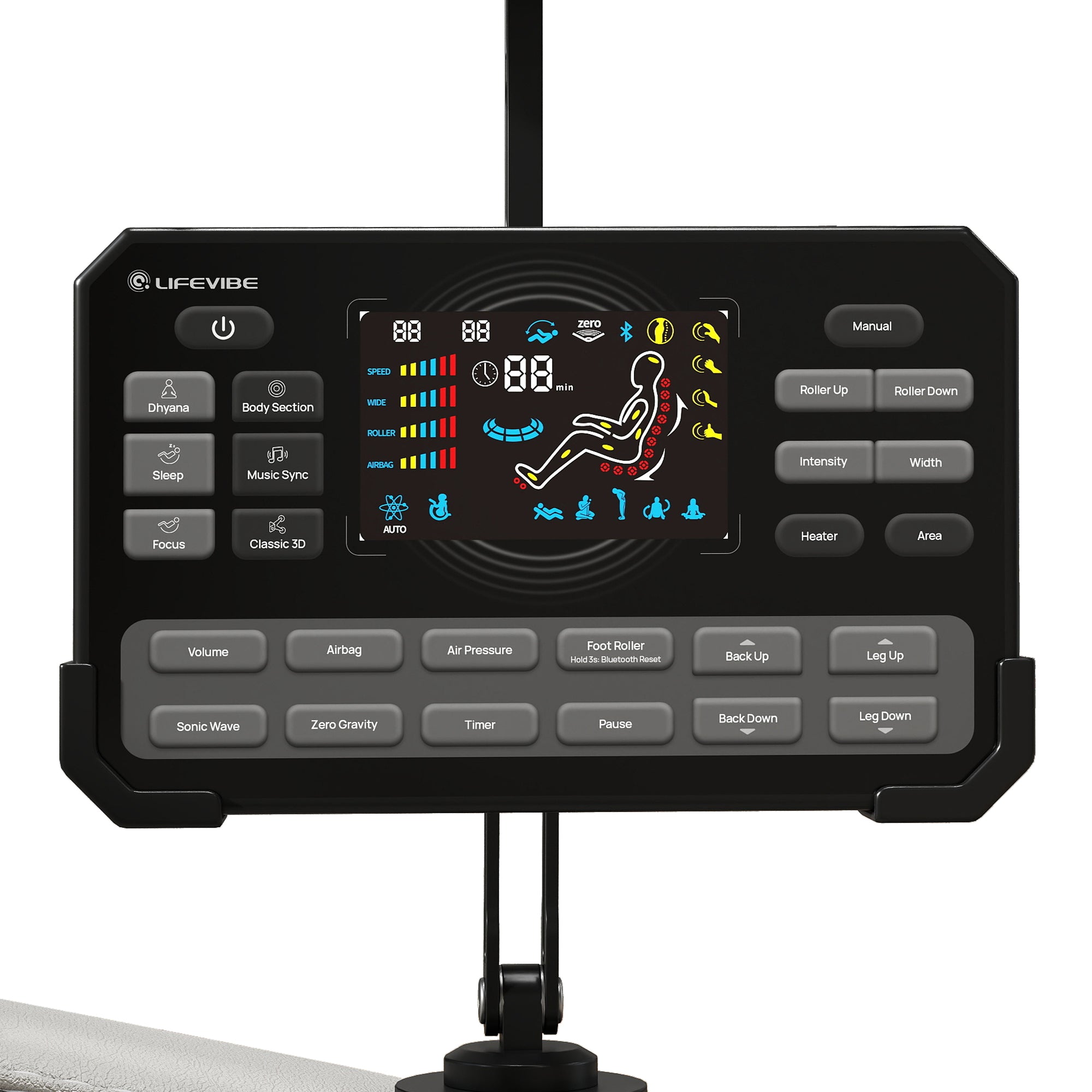
Lifevibe's Music Sync mode illustrates this idea. According to its product documentation, audio from a connected device can be analyzed and used to synchronize vibration with the rhythm of the music.
That creates a different relationship between sound and touch.
Instead of hearing music while your body receives an unrelated massage, the product is designed so that the sound and vibration experience are connected.
Lifevibe VAT chair Prime in MusicSync Mode with SonicSync™ system
Is VAT Scientifically Proven?
This is where it pays to separate promising research from proven medical treatment. There is research on vibroacoustic therapy, including studies involving pain and relaxation. A 2022 scoping review identified 20 relevant studies involving adults with pain. However, the researchers concluded that the evidence was too sparse and heterogeneous to determine which VAT characteristics reliably produce beneficial effects. They specifically called for more randomized controlled trials.
There is also research on mechanical vibration. For example, a 2023 systematic review and meta-analysis reported that vibration therapy may reduce pain and improve lumbar function in people with chronic low back pain, but the authors rated the certainty of evidence as low and noted that the clinical importance of the findings remained questionable. So neither category should be oversold.
VAT is a real research area. Mechanical vibration is a real research area. But neither should automatically be treated as a guaranteed medical solution.
So Is Vibroacoustic Therapy Just Vibration Massage?
No — although they can overlap.
Vibration massage generally describes the physical use of mechanical vibration to stimulate the body. Vibroacoustic therapy is a broader approach in which low-frequency sound and vibration are intentionally used as part of the sensory experience.
A device can combine both. That is essentially the idea behind Lifevibe: traditional massage techniques remain part of the experience, while SonicWave™ adds sonic vibration and SonicSync™ connects sound, vibration and massage movement.
So if a chair simply shakes, calling it VAT would be misleading. But when sound-generated vibration is deliberately integrated with the massage experience, you're looking at something closer to a vibroacoustic massage system rather than ordinary vibration massage. And perhaps that is the easiest way to remember the difference:
Vibration massage asks, “How does the machine move your body?”
Vibroacoustic therapy asks, “How can sound and vibration become part of the way your body experiences relaxation?”
The two ideas can meet in the same chair, but they are not exactly the same thing.





Share:
Can a Vibroacoustic Massage Chair Help Relieve Soreness From Sitting or Standing Too Long?
Why Does Vibroacoustic Massage Feel Different From Regular Massage?