

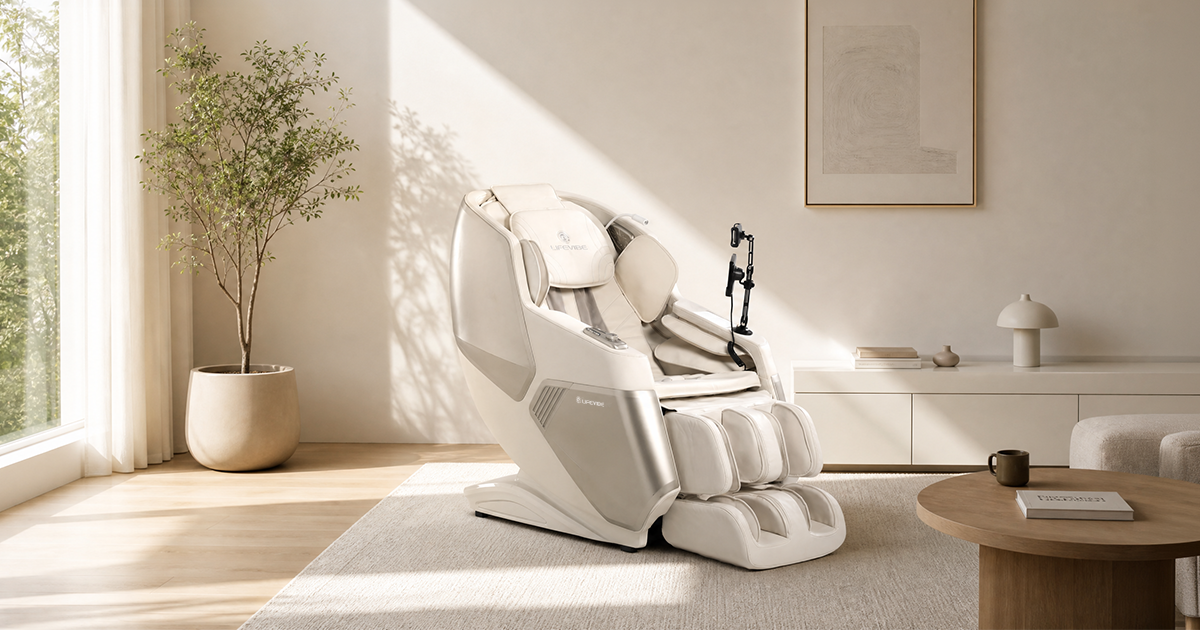
If you spend most of your workday sitting at a desk, driving, or working from home, you probably know that strange end-of-day feeling: your back feels tight, your shoulders are tense, and your hips or legs just feel tired. Standing all day can leave you feeling much the same way. Retail workers, healthcare professionals, teachers, salon workers, warehouse staff, and anyone else who spends hours on their feet can finish a shift with tired calves, sore feet, and an achy lower back. So where does a vibroacoustic massage chair fit into all this?
It may help you relax and ease the feeling of everyday muscle tension and soreness after prolonged sitting or standing. But there is an important distinction: current research on vibroacoustic therapy (VAT) is still developing, so it should be viewed as a wellness and relaxation approach rather than a proven treatment for pain.
Why Does Sitting or Standing Too Long Make You Sore?
Your body isn't designed to stay in exactly the same position for hours. When you're sitting, certain muscles and joints remain in relatively static positions for long periods. Standing isn't necessarily a perfect solution either. Research has linked substantial occupational standing with low-back symptoms and, in many studies, lower-extremity symptoms as well. A systematic review of prolonged standing found that low-back and lower-extremity symptoms were among the most commonly studied problems. Another study found that prolonged standing could contribute to changes in muscle fatigue, discomfort, and vascular measures.
Sitting has its own issues. Research suggests that prolonged sitting can be associated with temporary increases in low-back discomfort, although the relationship between posture, sitting, and back pain is more complicated than simply saying "sitting causes back pain." That's why regularly changing position matters. In fact, a 2026 systematic review of randomized controlled trials found that short activity breaks involving things such as stretching, walking, stair climbing or dynamic movements may reduce musculoskeletal discomfort associated with prolonged sitting. The researchers also noted that the available studies were limited and several had a high risk of bias.
In other words, don't spend eight hours sitting and expect a massage chair to undo everything afterward. Movement still matters.
So Can Vibroacoustic Vibration Help After Sitting Too Long?
It may help with relaxation and the perception of everyday soreness, but the evidence isn't strong enough to say that VAT specifically treats soreness caused by prolonged sitting or standing. That's an important difference.
Vibroacoustic Therapy uses low-frequency sound vibrations to create a physical vibration that can be felt by the body. Researchers have studied VAT in people experiencing different types of pain, and some studies have reported improvements in pain-related outcomes. However, a 2022 scoping review published in BMJ Open looked at 20 studies involving adults experiencing pain and found substantial variation in how VAT was delivered. The authors concluded that the research was still too sparse to identify which specific VAT characteristics are beneficial for pain management.
So, if you finish a long day at your desk feeling sore, it's reasonable to use vibroacoustic massage as part of a relaxation routine. It's not reasonable to claim that the vibration is repairing damaged tissue or treating an underlying medical condition. That distinction makes the technology much easier to understand.
VAT is better thought of as another way to help your body shift from tension and fatigue toward relaxation.

How Could a Vibroacoustic Massage Chair Feel Different?
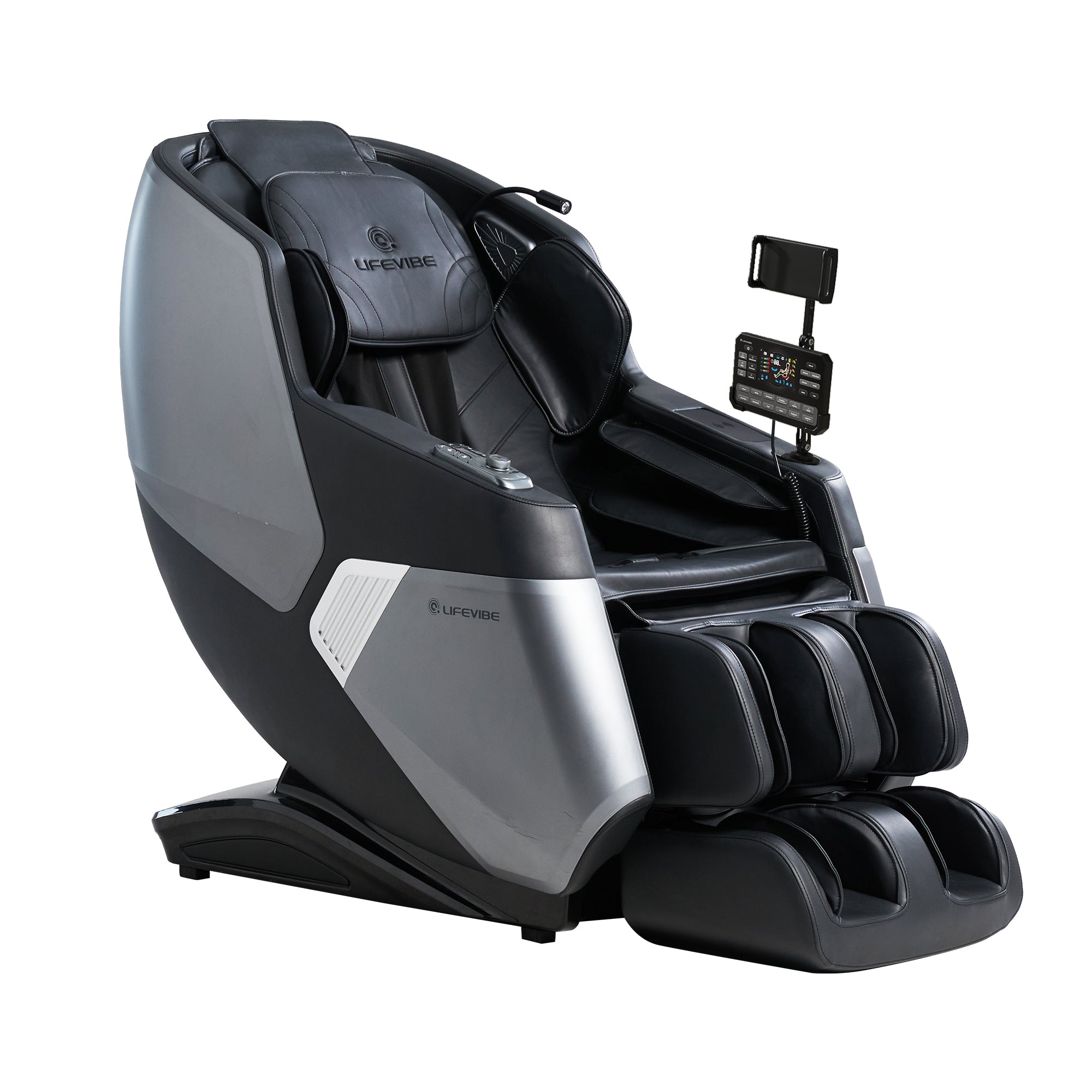
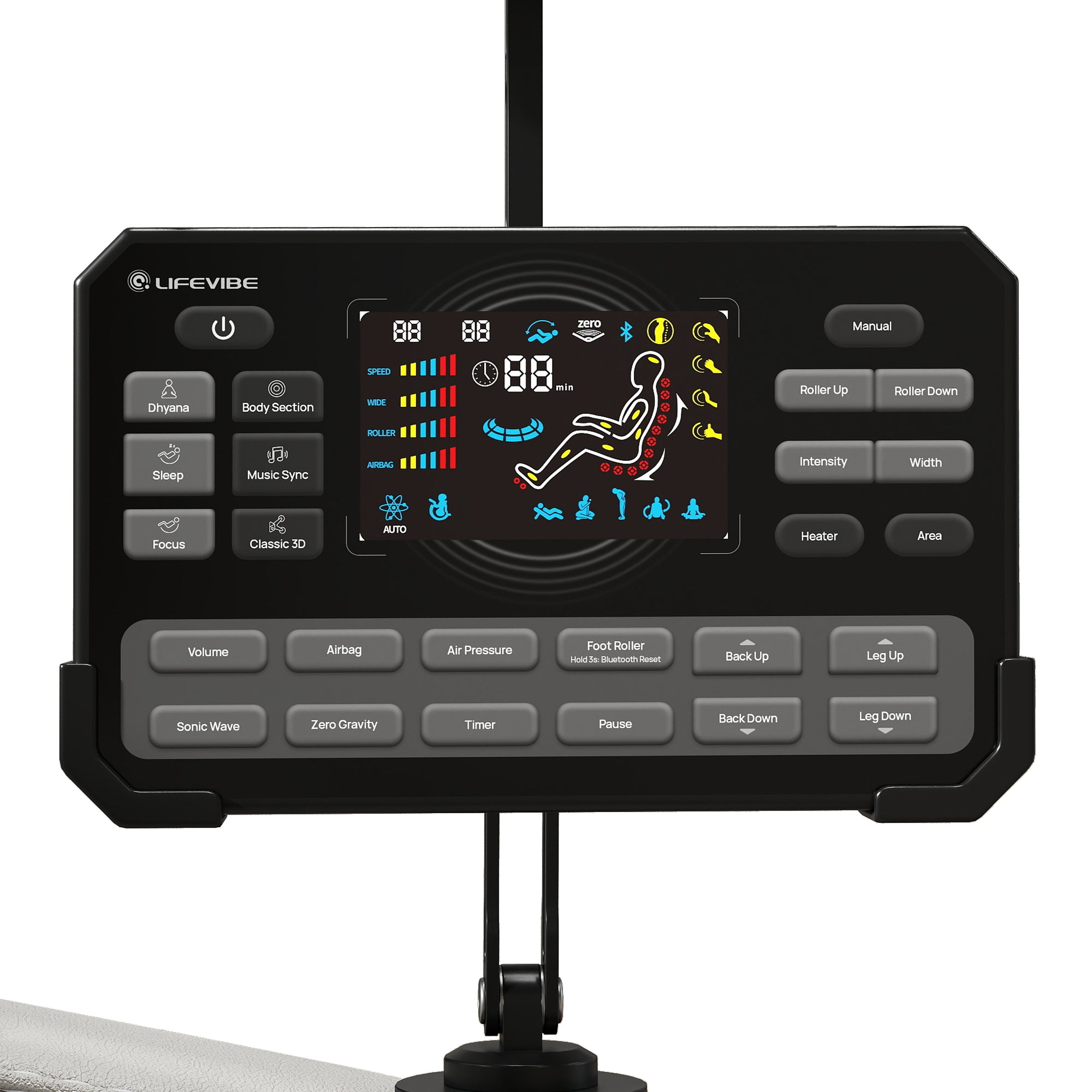
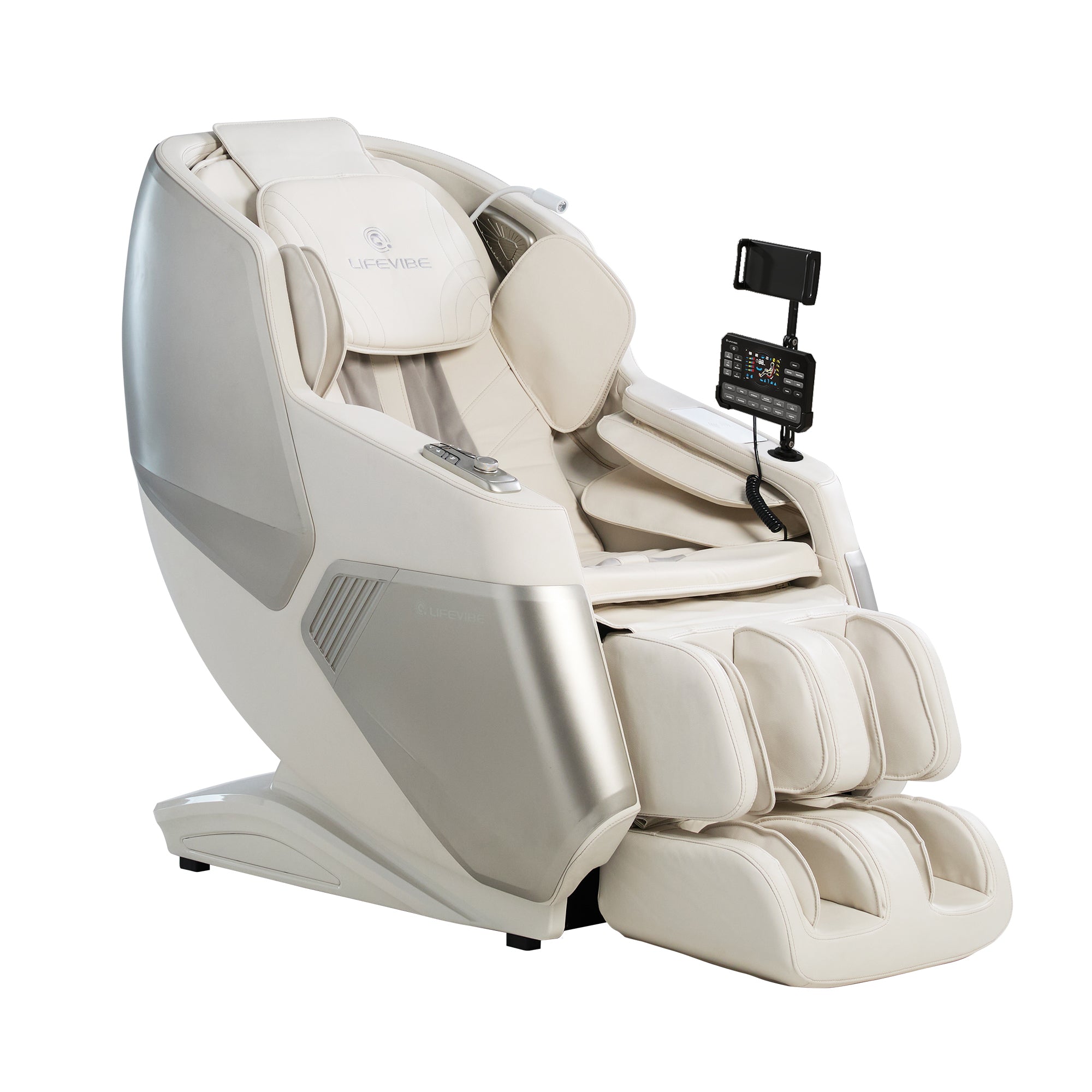
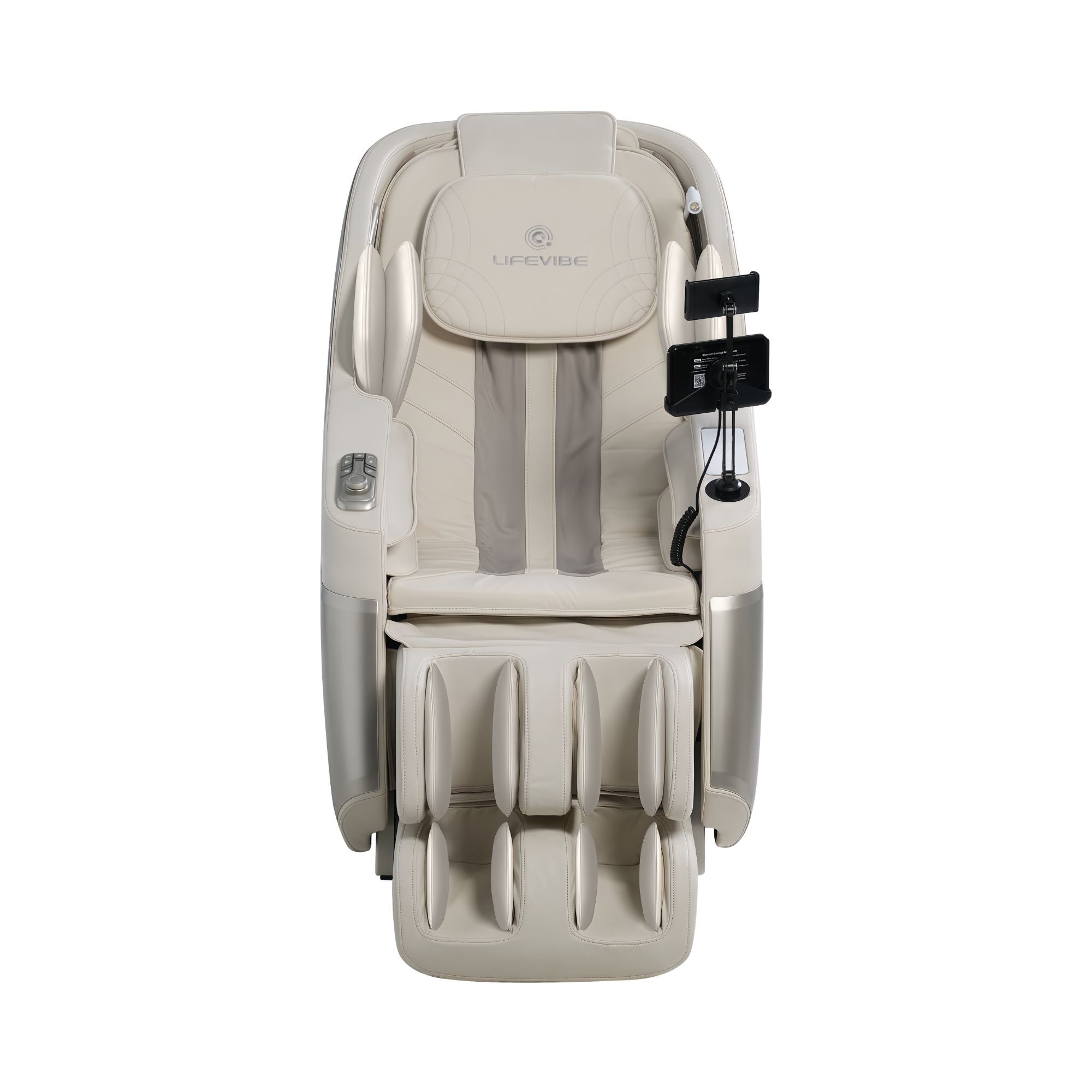
A traditional massage chair mainly uses mechanical movements such as kneading, tapping, pressing and rolling. A vibroacoustic massage chair adds another layer: low-frequency vibration. For example, Lifevibe VAT Chair Prime combines a 3D massage mechanism with SonicWave™ technology. The lower section uses mechanical rollers, while the upper sonic components generate controlled vibration. That means you aren't relying entirely on stronger mechanical pressure to create a deeper-feeling massage. Instead, you get a combination of massage movement and sonic vibration. This can be particularly appealing after a long day when your muscles feel tired but you don't necessarily want an extremely strong massage.

What If You Sit at a Desk All Day?
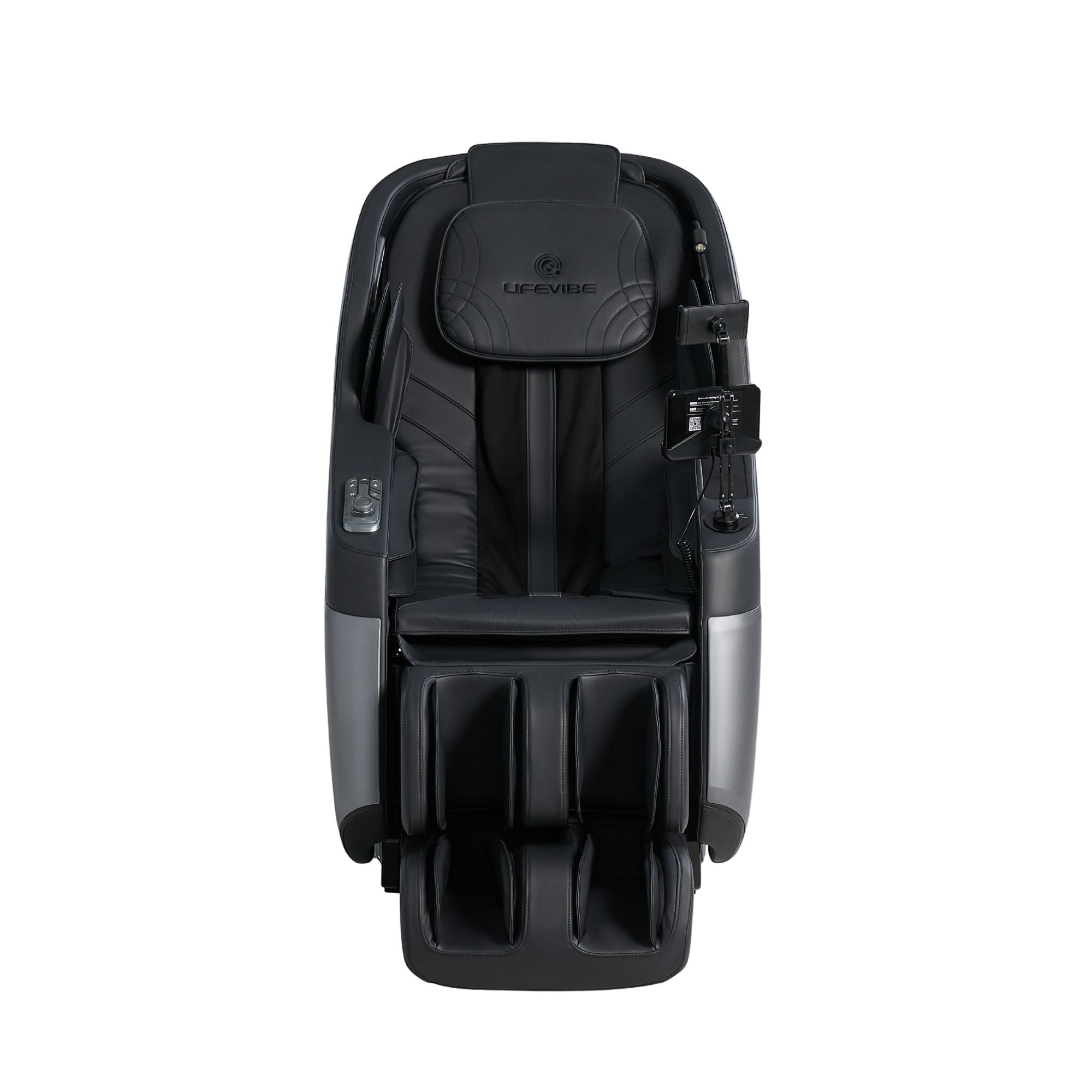
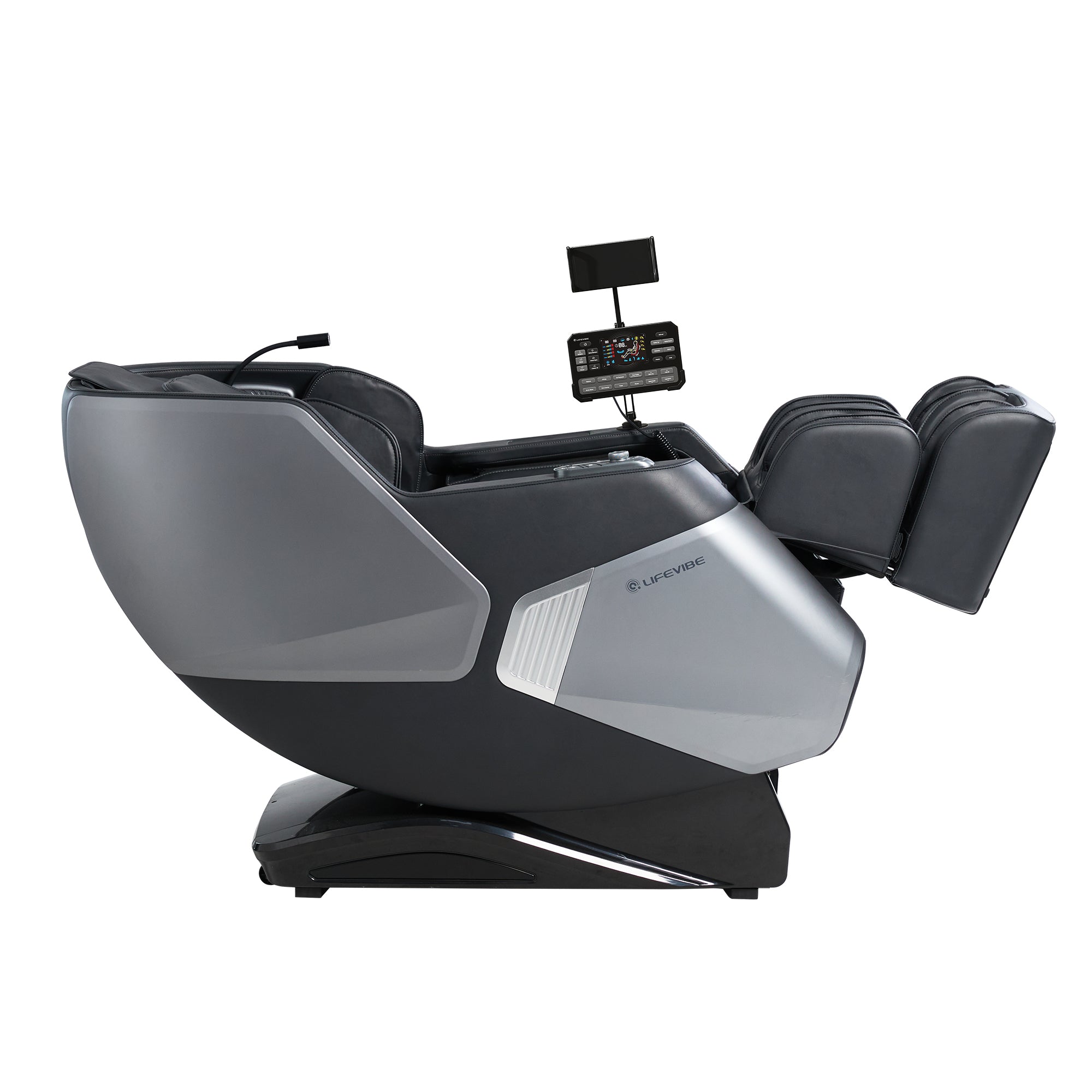
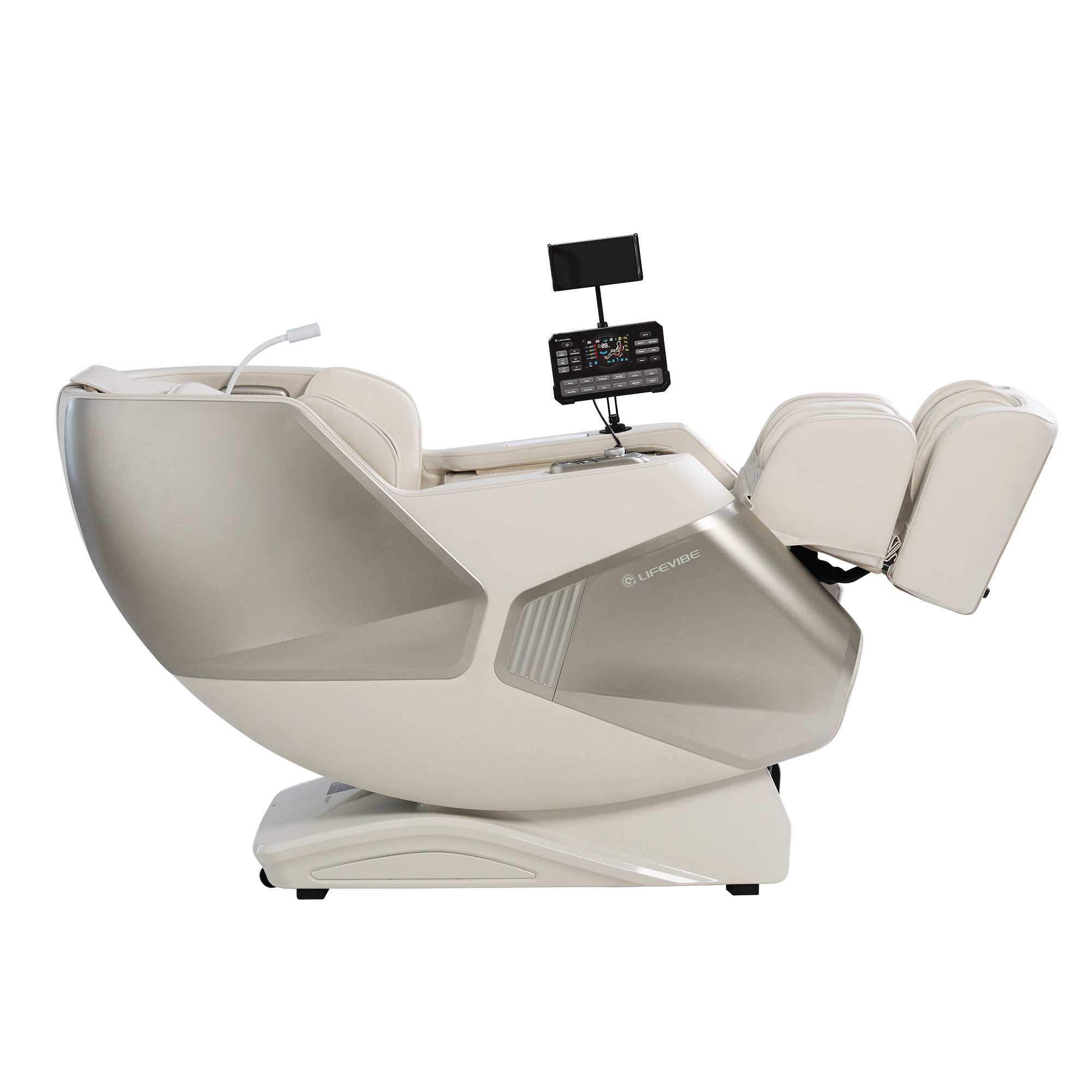
Picture a typical WFH day. You sit down at 9 a.m., get caught up in emails, jump between meetings, eat lunch at your desk, and suddenly it's 5:30 p.m. Your shoulders are tight, your lower back feels stiff, and your hips don't feel particularly happy. This is the kind of situation where a vibroacoustic massage chair can become part of a daily wind-down routine. Lifevibe Prime combines sonic vibration with an SL-track, 3D massage movements, air compression, heat, foot rollers and Zero Gravity positioning. Its Body Section programs can also focus on areas such as the neck and shoulders, lower back, or hips and legs. Instead of running a long full-body program every time, you can choose a session that matches what feels tired that day.
And sometimes that's all you want after sitting for hours: something that feels good without requiring much effort.

What About Standing All Day?
Standing for hours can create a different kind of fatigue. Your feet may feel worn out. Your calves can feel heavy. Your lower back may become uncomfortable. Research on occupational standing has found associations between substantial standing exposure and low-back symptoms, while evidence for lower-extremity symptoms has also appeared across many studies. This is where the combination of several massage-chair features can make sense. Lifevibe Prime uses airbags around the shoulders, arms, legs, and feet. It also has foot rollers, leg and waist heating and Zero Gravity. The experience isn't about aggressively attacking tired muscles. Instead, the combination of compression, warmth, mechanical massage, and vibration can create a more relaxing end-of-day experience.
For someone who spends most of the day on their feet, that can be a welcome change.

Does Stronger Massage Mean Better Relief?
Not necessarily. When you're already tired, the strongest setting isn't automatically the best setting. Some people enjoy deep mechanical pressure. Others prefer a softer sensation, especially after sitting or standing for several hours.
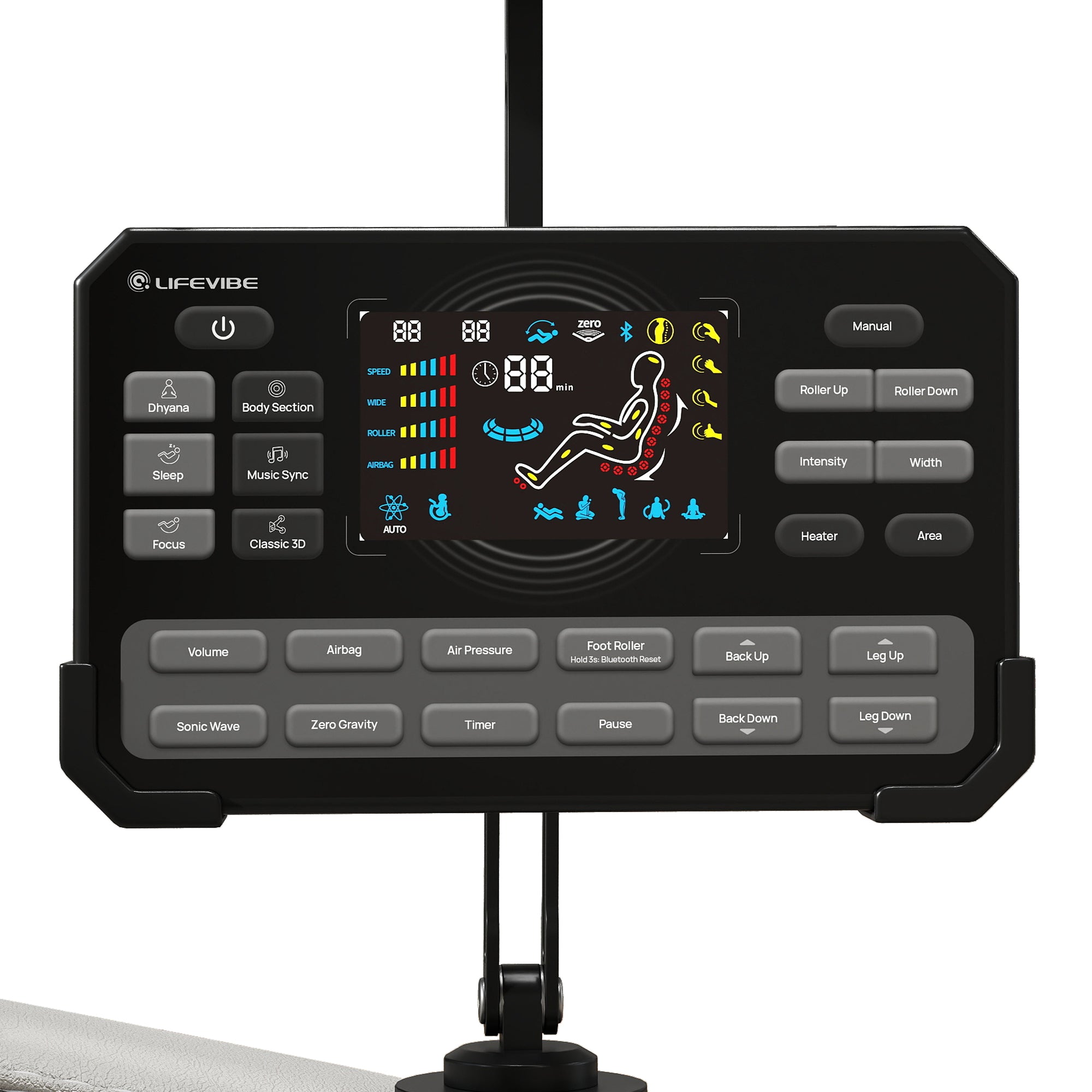
Lifevibe Prime offers three massage intensity levels, three airbag pressure levels, and adjustable sonic intensity in compatible programs. That gives you room to find a sensation that feels comfortable instead of assuming you need maximum pressure. This is especially relevant when the problem is general fatigue and stiffness rather than a specific injury. A relaxing session should leave you feeling more comfortable, not like you've just completed another workout.

What Makes SonicSync™ Interesting?
Lifevibe's SonicSync™ technology is designed to coordinate the chair's sound, vibration, and mechanical massage movements. That matters because the experience isn't simply "massage plus some vibration." Different programs use different rhythms and combinations.
Sleep Mode uses slower, gentler movements intended for winding down. Dhyana Mode focuses on a slower, quieter rhythm for relaxation and meditation. Focus Mode uses a more active rhythm for a daytime reset, while Body Section Mode concentrates on selected areas. Music Sync adds another interesting element: your Bluetooth audio can be synchronized with the chair's vibration, turning music into part of the physical experience.

For someone who spends all day staring at a screen, that can make the transition away from work feel noticeably different.
A Massage Chair Shouldn't Replace Movement
This part is worth repeating. If you sit for eight hours, don't spend eight hours sitting and then assume a 30-minute massage chair session solves the problem. It's better to interrupt prolonged sitting with regular movement. Recent research suggests that short "exercise snacks" lasting just a few minutes may help reduce musculoskeletal discomfort in sedentary adults, although more high-quality research is still needed.
Try standing up between meetings. Walk around while taking a phone call. Stretch your hips and shoulders. Adjust your workstation. If you work on your feet, take opportunities to change positions and move rather than remaining stationary. Then use your massage chair as the relaxing part of the routine. Move during the day. Relax afterward. That's a much more realistic approach.
When Should You Avoid Using a Massage Chair for Pain?
Everyday soreness after a long day is different from persistent or severe pain. If you're dealing with significant pain, numbness, weakness, swelling, an acute injury, or symptoms that keep getting worse, don't rely on a massage chair to figure out what's wrong. It's better to talk with a qualified healthcare professional.
The Lifevibe Prime safety guidance also recommends consulting a physician for certain medical conditions and avoiding use in situations listed in the product manual, including pregnancy and certain cardiovascular, circulation, neurological, and spinal conditions. A massage chair is designed for relaxation and wellness. It isn't a substitute for medical evaluation or treatment.
Is a Vibroacoustic Massage Chair Worth Trying After a Long Day?
It can be. The strongest case isn't that vibroacoustic technology magically fixes the effects of sitting or standing for too long. The better case is much simpler. Long periods in one position can leave your body feeling tired and uncomfortable. Movement breaks are important, and research supports interrupting prolonged sitting with physical activity. Meanwhile, early research on VAT suggests potential benefits in pain-related settings, but the evidence is still too limited to make strong treatment claims.
A chair such as Lifevibe VAT Chair Prime brings these ideas together through sonic vibration, mechanical massage, air compression, heat, foot rollers, and Zero Gravity. So if you've spent the day at a desk or on your feet, the goal isn't to force away every ache. It's to give yourself a comfortable way to slow down. And sometimes, after hours of sitting or standing, that's exactly what your body is asking for.


Share:
How Does Vibroacoustic Massage Affect Circulation and the Nervous System?
Is Vibroacoustic Therapy Just Another Word for Vibration Massage?