


If you’ve ever felt calmer after a massage, there’s a reason for it. Massage doesn’t just work on tight muscles. It can also influence blood flow, heart rate and the way your nervous system responds to stress.
Vibroacoustic massage takes that idea in a different direction. Instead of relying only on pressure from massage rollers, it uses low-frequency sound vibrations that can be felt through the body. The goal is a softer, more immersive experience that combines sound, vibration, movement and relaxation. So, how does vibroacoustic massage affect circulation and the nervous system? The short answer is that vibration and massage may support peripheral blood flow and relaxation-related nervous system responses, but the exact effects depend on the type, frequency, intensity and duration of stimulation.
What Is Vibroacoustic Massage?
Vibroacoustic Therapy, or VAT, uses low-frequency sound vibrations to create a physical sensation in the body. The Lifevibe materials describe a frequency range of roughly 30–120 Hz and position VAT around relaxation, circulation, and nervous system regulation. The idea is pretty simple: sound becomes physical vibration. A transducer converts an audio signal into controlled mechanical movement, allowing the body to feel the vibration rather than simply hear the sound.
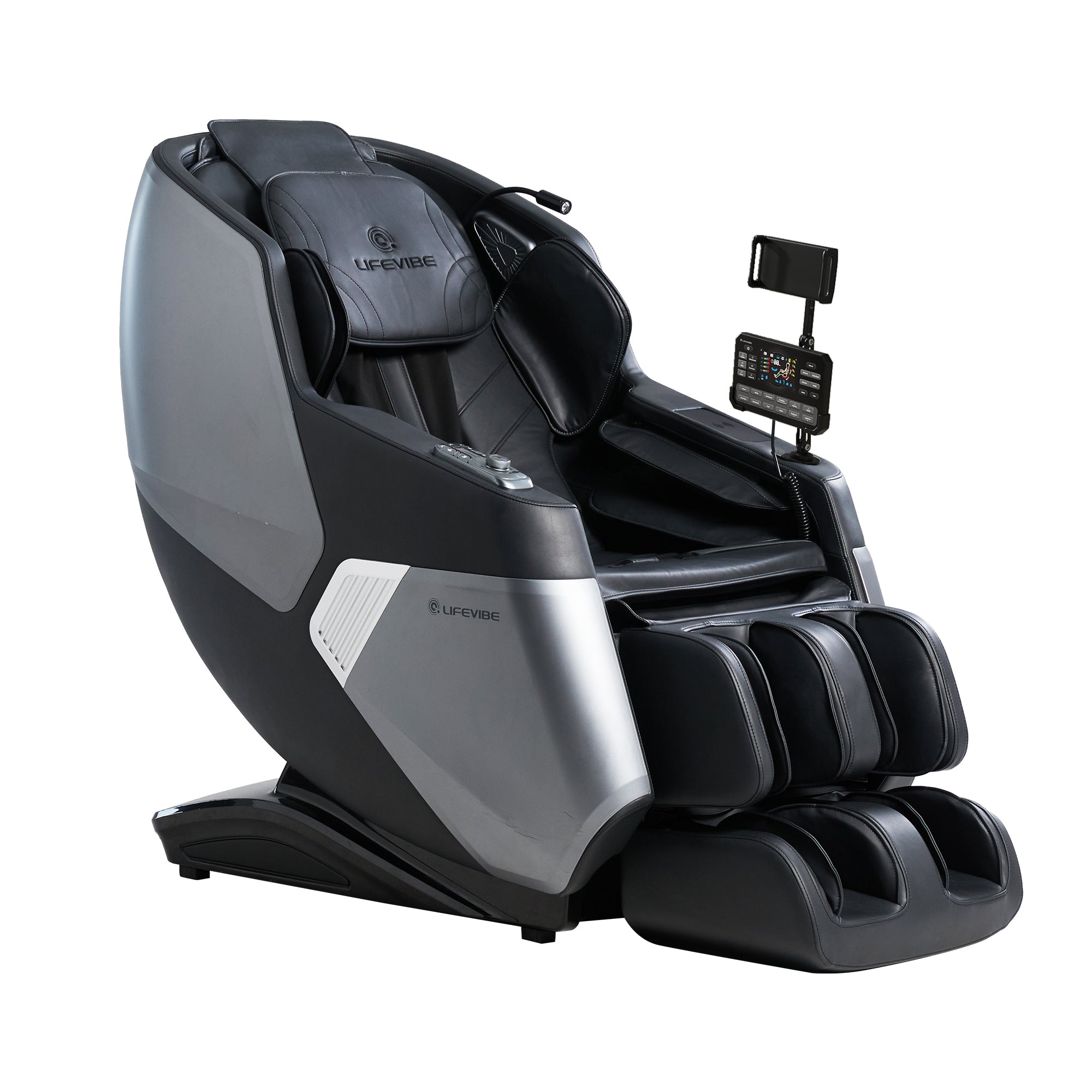
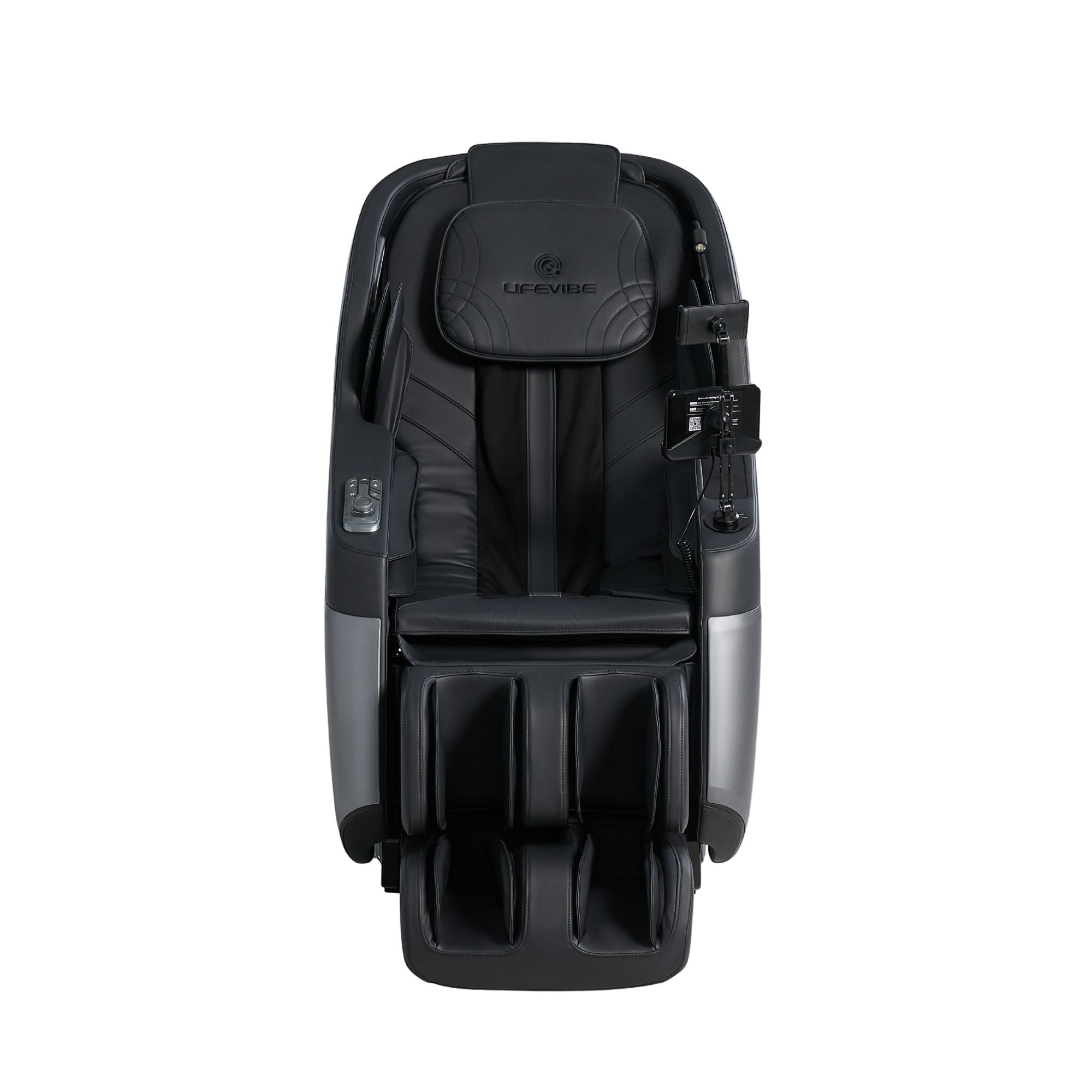
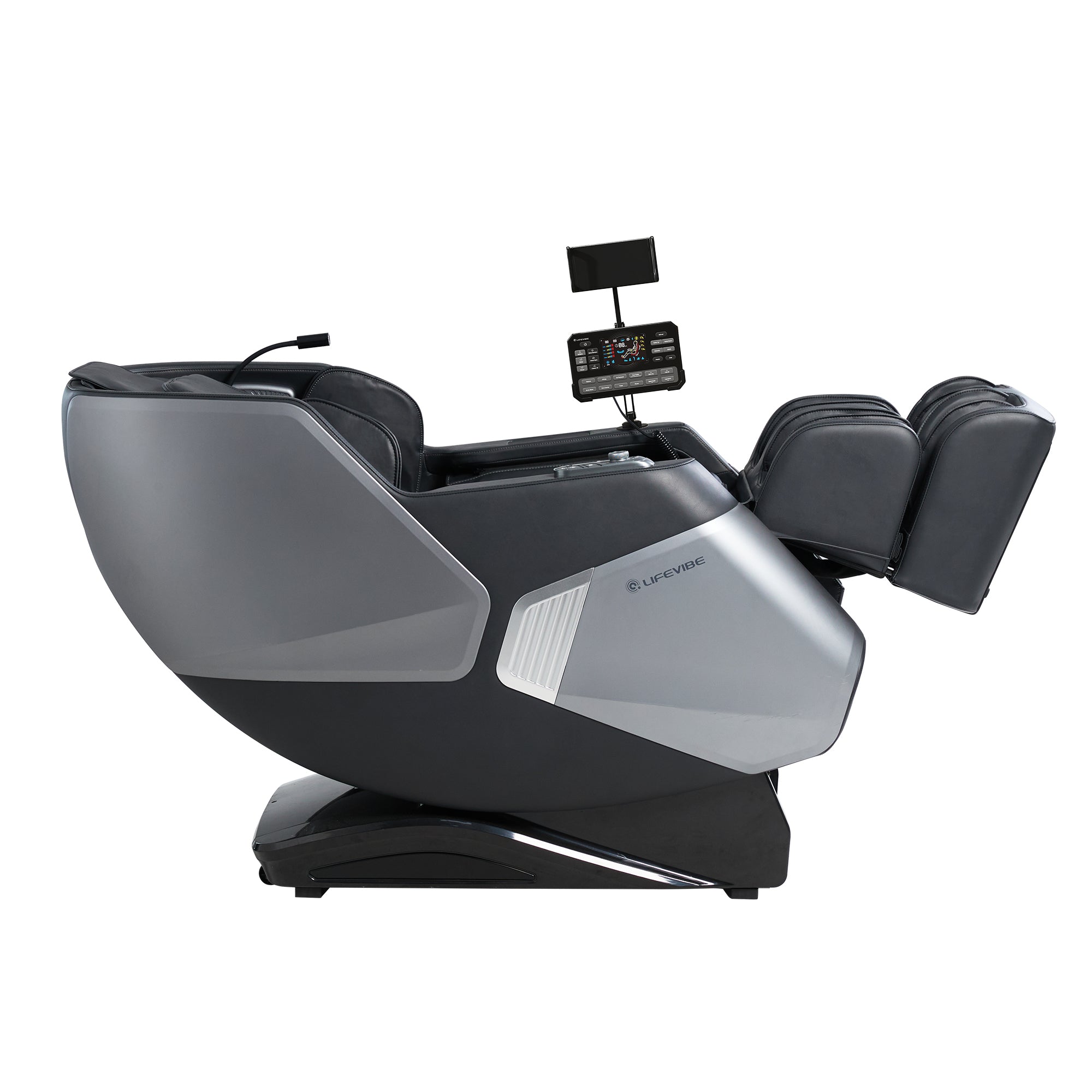
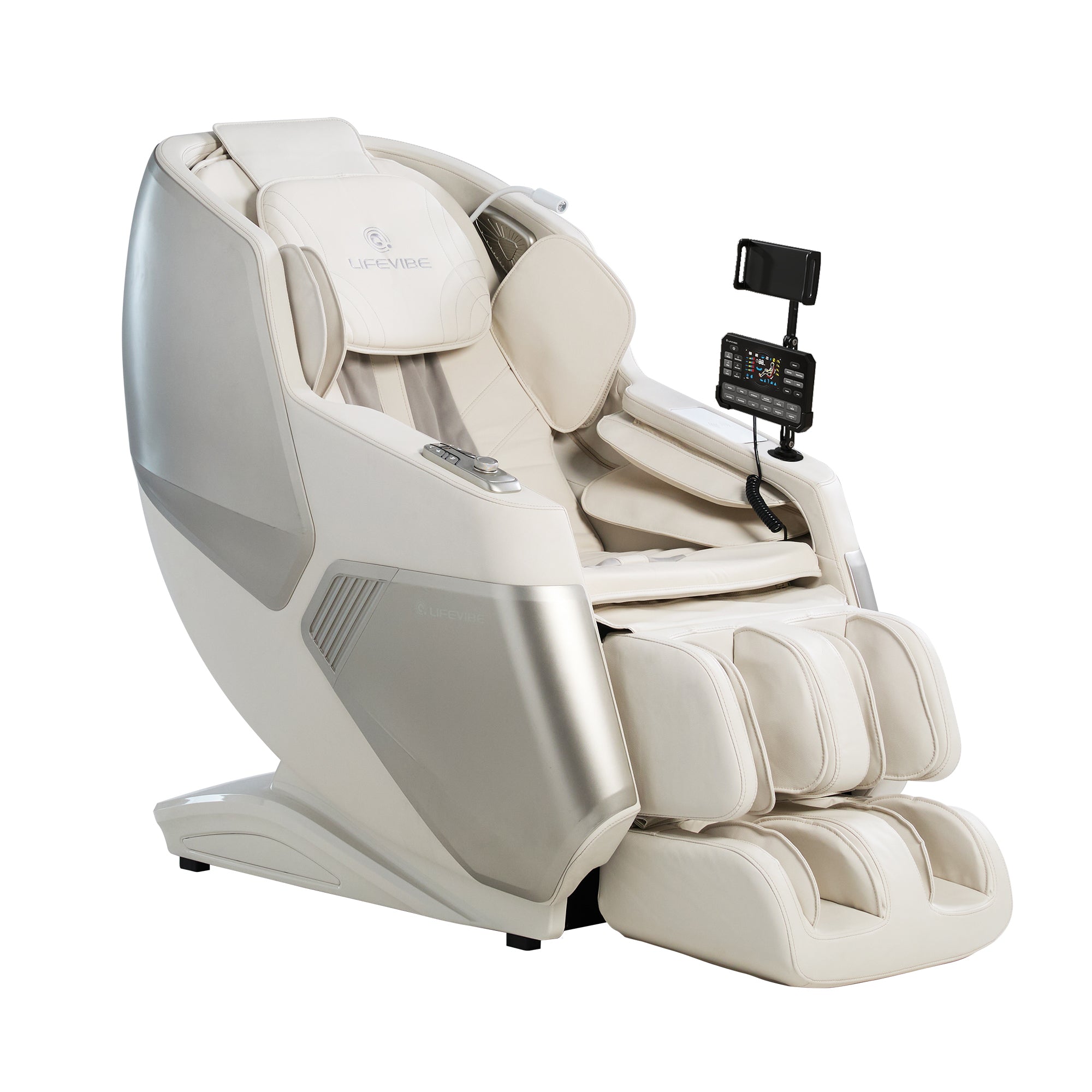
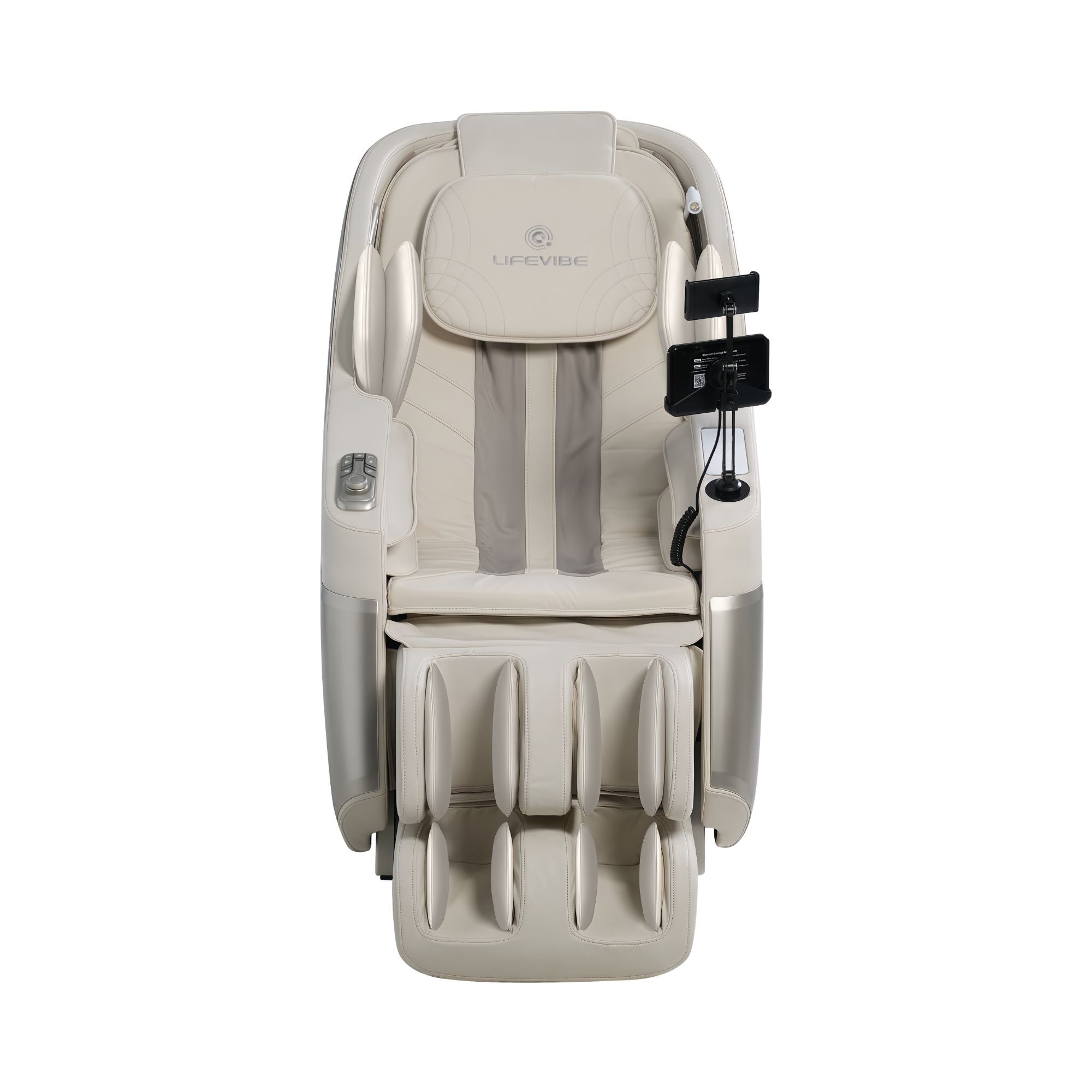
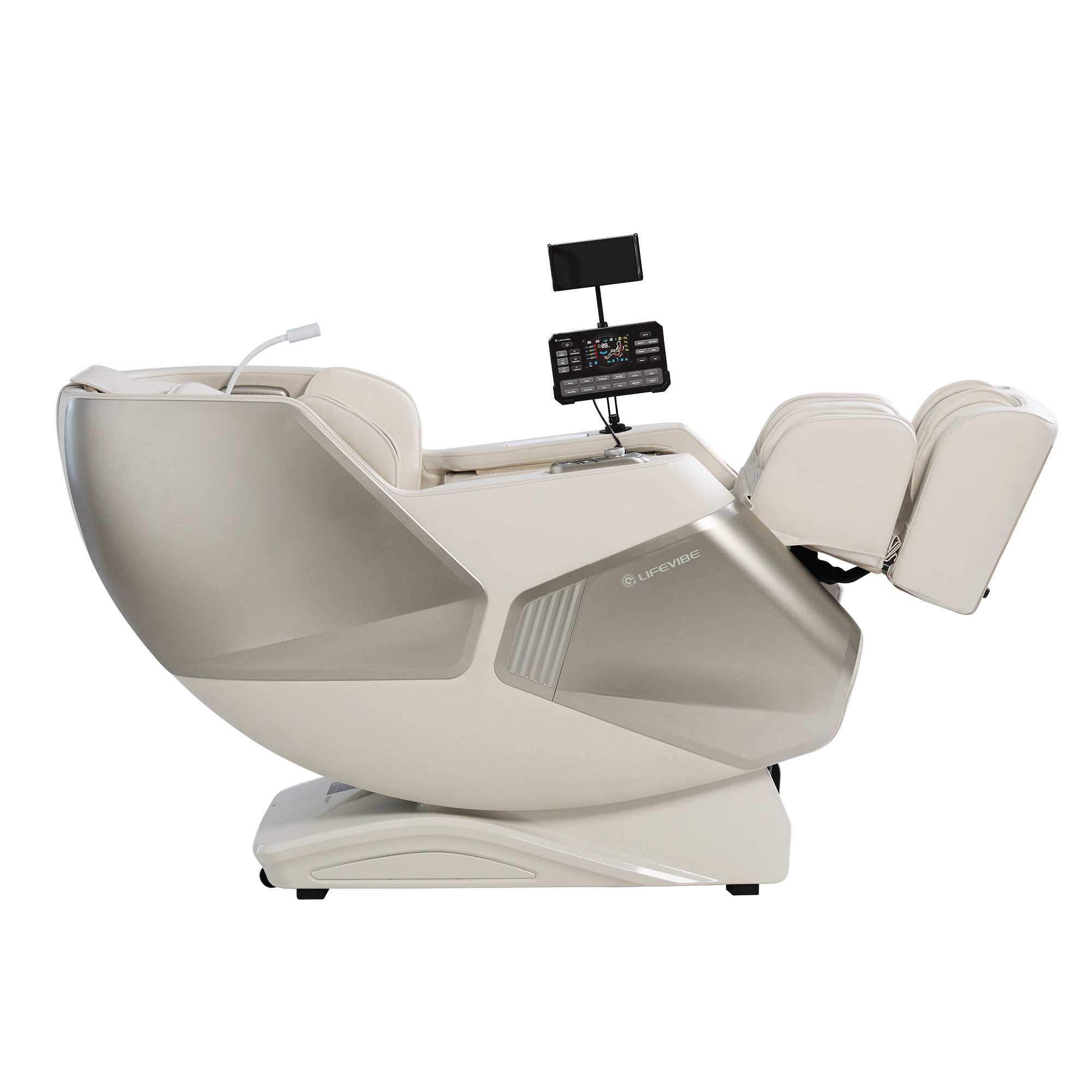
Lifevibe VAT Chairs' Vibroacoustic Therapy Massage
Lifevibe uses this concept in its SonicWave™ massage mechanism, which combines conventional 3D massage rollers with sonic vibration. Its SonicSync™ technology coordinates sound, vibration, and massage movements to create a more rhythmic experience. That doesn’t mean every frequency produces the same response. In fact, vibration research suggests that frequency and vibration characteristics can change how the circulatory system responds.
How Can Vibroacoustic Massage Affect Circulation?
One of the most interesting areas is peripheral blood flow. Vibration can create mechanical stimulation in muscles and surrounding tissues. This may encourage changes in local blood flow, especially when the vibration is delivered at appropriate frequencies and intensities.
Research on whole-body vibration has found that short-term vibration can increase peripheral blood flow, although the response varies according to vibration type and frequency. A meta-analysis published in Clinical Physiology and Functional Imaging found an overall positive effect on peripheral blood flow after acute whole-body vibration.
There is also research looking specifically at localized vibration. One human study found that 38 Hz and 47 Hz localized vibration increased blood-flow velocity and volume flow in the popliteal artery, while 30 Hz did not produce the same effect. That’s an important detail: it’s not accurate to say that “more vibration equals better circulation.” Frequency, intensity, location, and exposure time all matter.
Massage itself may also contribute. A 2026 literature review found evidence that massage can influence cardiovascular measures such as blood pressure, heart rate, peripheral circulation, and vascular function, although results vary between massage techniques and study populations.
What Happens to the Nervous System?
This is where things get especially interesting. Your autonomic nervous system helps control automatic functions such as heart rate, blood pressure, breathing, and digestion. It includes the sympathetic system, which is associated with alertness and stress responses, and the parasympathetic system, which is strongly involved in rest and recovery.
A relaxing massage may influence this balance. For example, a randomized controlled trial published in the International Journal of Neuroscience found that moderate-pressure massage produced changes in heart-rate-variability measures associated with parasympathetic activity. Other research has found that rhythmic massage can influence heart-rate variability, another commonly used measure of autonomic regulation.
Still, there’s an important caveat. Reviews of manual therapy research show that autonomic effects are not always consistent. Responses can vary depending on the technique, person, and how the nervous system is measured. So rather than saying vibroacoustic massage “resets” or “controls” the nervous system, it’s more accurate to say that massage and rhythmic sensory stimulation may influence autonomic activity and promote a relaxation response.
Why Rhythm and Sound May Feel So Relaxing
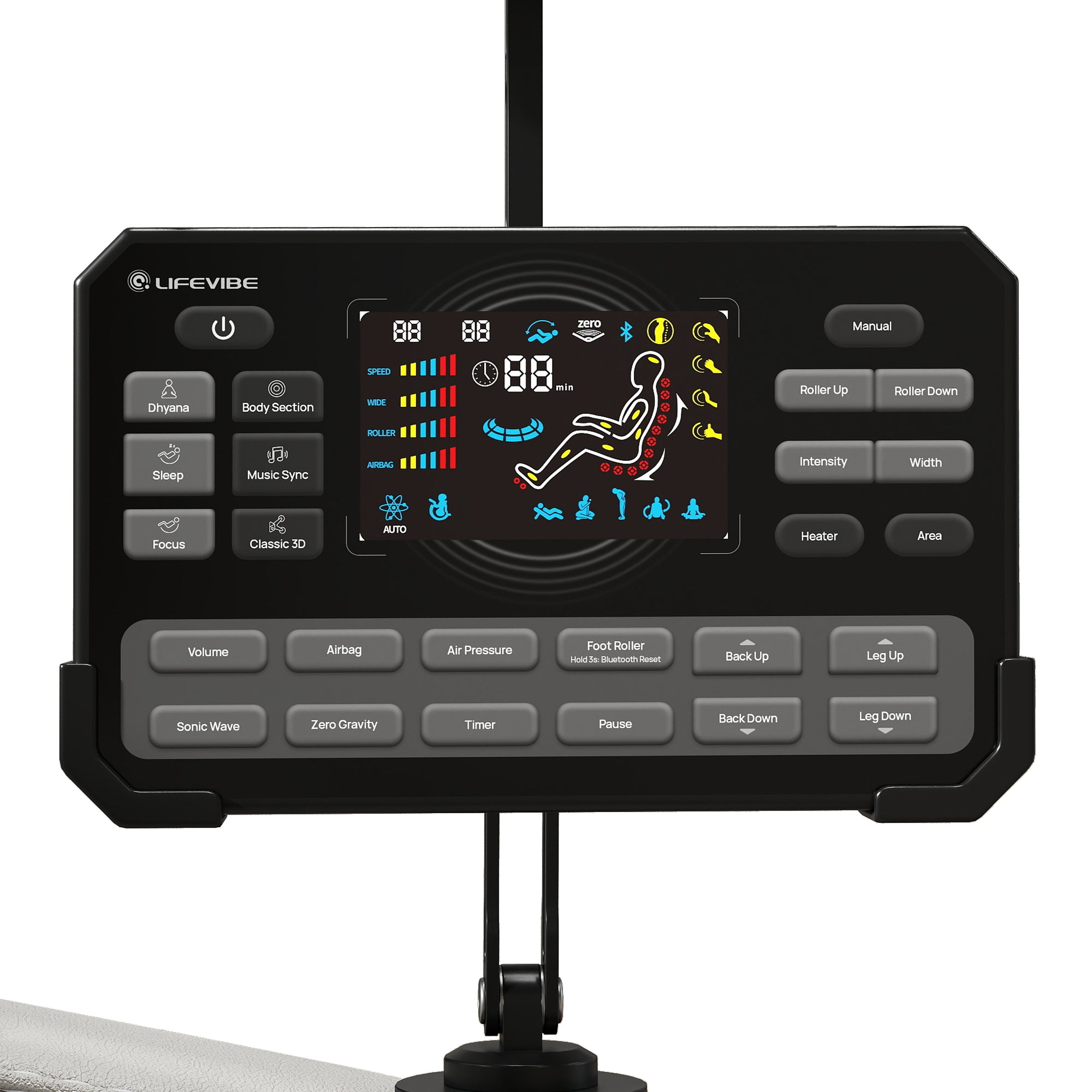
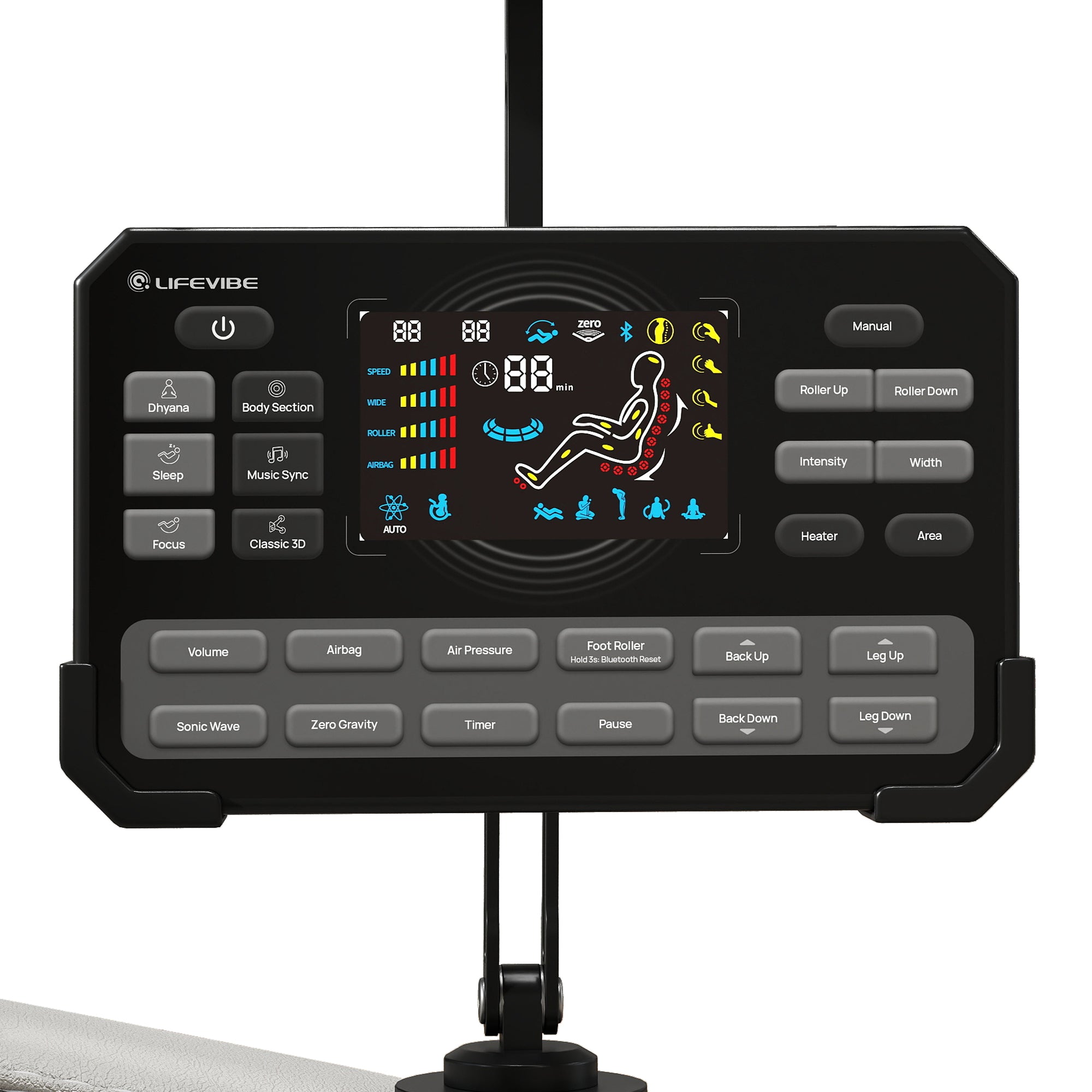
There’s more going on than vibration alone. When sound, vibration and massage movements follow a steady rhythm, the experience can feel more predictable and less abrupt. That matters because the nervous system constantly processes sensory information. Lifevibe’s SonicSync™ system is designed around this idea. Its sound, sonic vibration, and mechanical massage movements are coordinated around programmed rhythms. The chair includes modes such as Dhyana, Sleep, Focus, Body Section, Music Sync, and Classic 3D. For example, a slower program may feel appropriate when you’re winding down, while a more rhythmic program can feel more stimulating during a daytime break.
Think of it less as forcing the body to relax and more as giving it a steady sensory environment in which relaxation can happen.
Where Lifevibe Fits In
Lifevibe takes the traditional massage chair approach and adds a vibroacoustic layer. The VAT Chair Prime combines a SonicWave™ mechanism with SonicSync™ technology, 25 automatic programs, zero gravity, air compression, heat, foot rollers, and body scanning. The SonicWave™ system uses two layers: 3D rollers provide familiar mechanical massage, while the sonic components convert audio signals into vibrations. That combination is useful for people who enjoy massage but don’t always want intense pressure. Instead of relying entirely on stronger mechanical force, the experience adds vibration and rhythm to the session.

And there’s another practical benefit: you can simply sit back and let the different sensory elements work together. Zero gravity, gentle heat, air compression, and foot massage can all contribute to the overall relaxation experience.
What Should You Expect From a Session?
You may notice several things at once: a gentle buzzing or pulsing sensation, warmer muscles, rhythmic pressure, and a gradual feeling of physical relaxation. Some people may feel more relaxed afterward, while others may simply notice that their muscles feel less tense. Circulation-related effects may be subtle rather than something you immediately notice.
It’s also worth keeping expectations realistic. Research on vibration and massage is promising, but vibroacoustic massage is not a replacement for medical treatment, and evidence for specific VAT frequencies or therapeutic outcomes is still developing.
If you have a medical condition, circulation disorder, serious heart condition, thrombosis, pregnancy or another health concern, check with your doctor before using a massage chair. Lifevibe’s own safety guidance specifically recommends medical advice for several of these conditions.
A More Comfortable Way to Think About Vibroacoustic Massage
Vibroacoustic massage isn’t simply about making a massage chair vibrate. The more interesting idea is the combination of sound, vibration, touch, rhythm and relaxation.
Research suggests that vibration can influence peripheral blood flow, while massage can affect cardiovascular and autonomic measures. The evidence does not support promising a specific medical outcome from every vibroacoustic session, but it does give us a reasonable scientific basis for studying how rhythmic sensory stimulation may support relaxation and circulation.
That’s the space Lifevibe is working in: not just stronger massage, but a different way of experiencing it—one that uses resonance and rhythm alongside familiar massage techniques.


Share:
How Does a Vibroacoustic Massage Chair Work?
Can a Vibroacoustic Massage Chair Help Relieve Soreness From Sitting or Standing Too Long?