

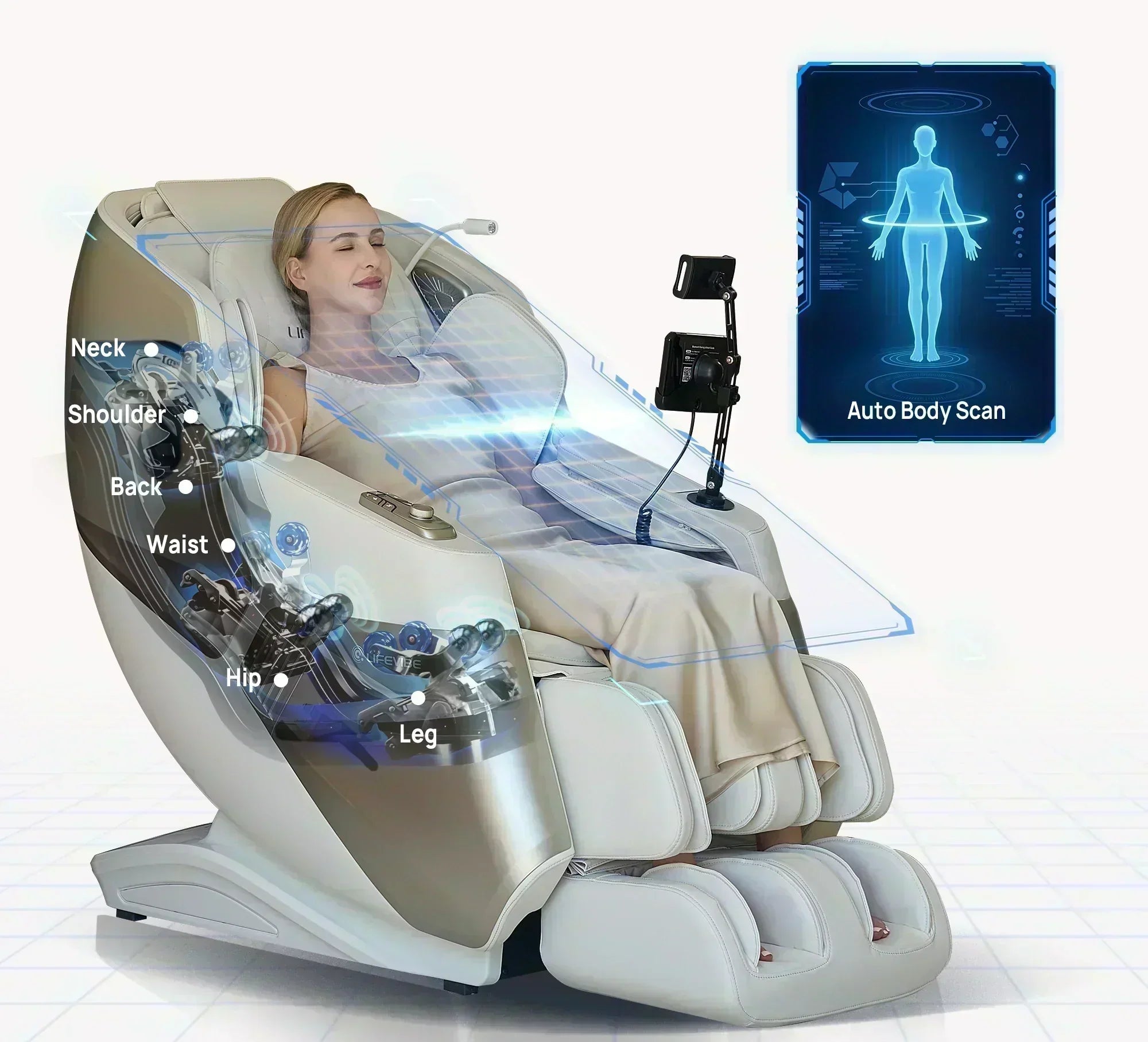
A massage chair usually makes you think of rollers, airbags, heat, and maybe a zero-gravity position. But a vibroacoustic massage chair adds something quite different to the experience: sound-based vibration. Instead of relying only on mechanical pressure, it uses low-frequency sound signals to create gentle physical vibrations that you can actually feel through the chair. The idea is pretty simple: sound is converted into controlled vibration, and that vibration becomes part of the massage experience.

Vibroacoustic massage chairs combine vibroacoustic therapy with mechanical massage
That is the basic concept behind vibroacoustic therapy or VAT. Research on VAT is still developing, so it is important not to treat every claimed health benefit as medically proven. A 2022 scoping review in BMJ Open, for example, found that research protocols vary considerably and concluded that more high-quality randomized controlled trials are needed before firm conclusions can be made about VAT for pain management.
So, how does the technology actually work? And what makes a vibroacoustic massage chair different from a regular vibrating massage chair?
What Is Vibroacoustic Therapy?
Vibroacoustic therapy, commonly shortened to VAT, combines low-frequency sound vibration with a physical delivery system. Instead of simply hearing music through speakers, the user also experiences vibration generated from the sound signal.
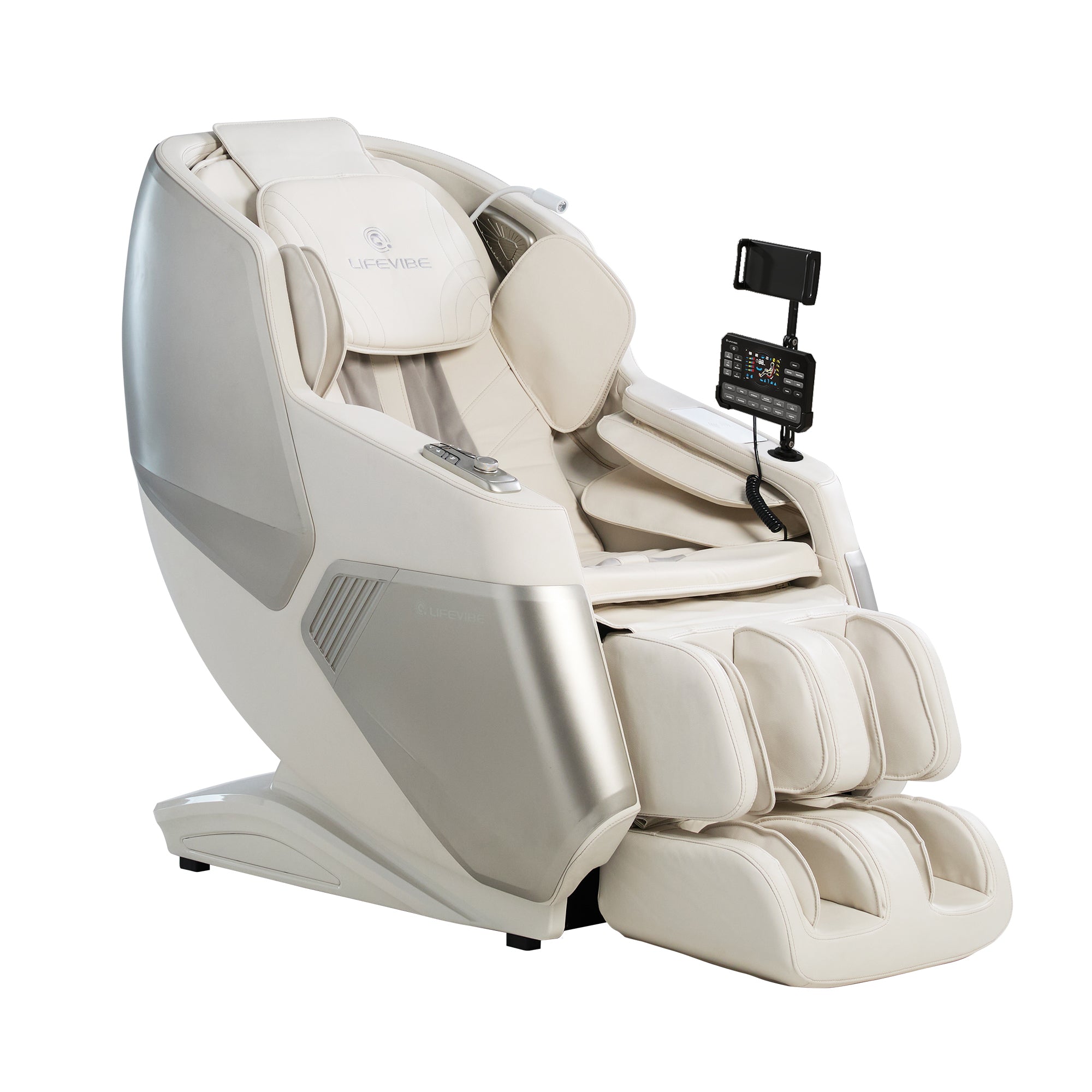
Lifevibe describes VAT as using low-frequency sound vibrations, with its chair operating across a 30–120 Hz range. The Lifevibe Prime is designed around this concept, combining sound-based vibration with conventional massage mechanisms rather than treating audio as nothing more than background music. That distinction matters.

Lifevibe VAT Chair Prime's sonic transducer
If you play music through an ordinary Bluetooth speaker, you mainly hear the sound. In a vibroacoustic system, an audio signal can also be sent to a transducer that converts the signal into controlled mechanical vibration. In other words: Audio signal → transducer movement → physical vibration → vibration felt by the body. It is less about making the chair shake and more about controlling how vibration is produced and delivered.
How Does a Vibroacoustic Massage Chair Work?
Think of the chair as having two massage systems working together. The first is familiar: mechanical massage rollers move along the body to perform techniques such as kneading, tapping, knocking and Shiatsu.
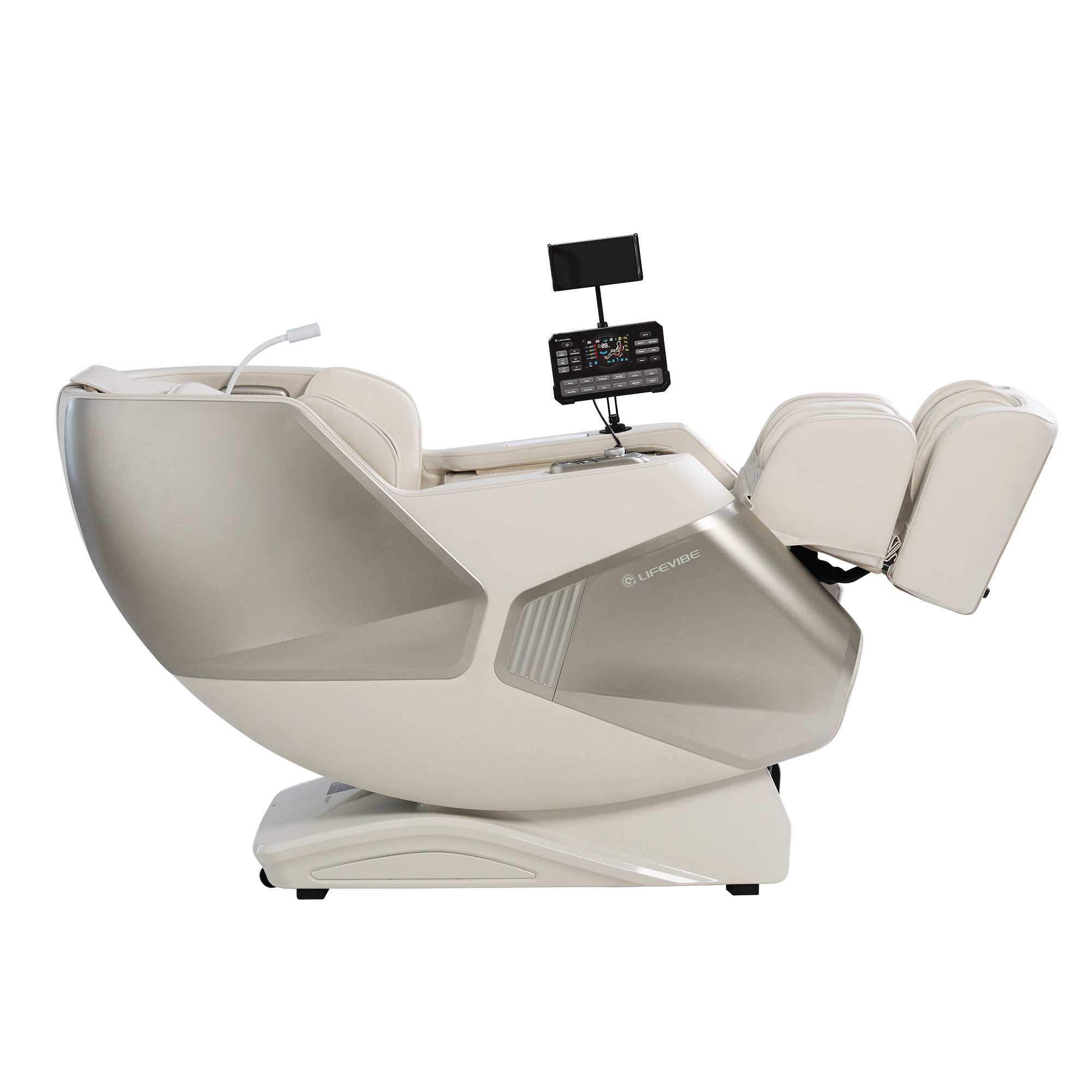
The second is the vibroacoustic system. A sonic transducer receives an audio-frequency signal and converts that signal into physical movement. The Lifevibe product information describes its SonicWave™ mechanism as a dual-layer system, with 3D rollers on the upper layer and sonic components underneath.
That gives the experience two different sensations at once. The rollers provide localized mechanical massage, while the sonic components create a broader vibration that can feel more continuous and rhythmic. It is a little like listening to music while sitting close to a powerful speaker: you do not only hear the bass—you can sometimes feel it.
A vibroacoustic massage chair takes that basic idea and turns it into a controlled massage function.
The Science Behind the Vibration
The technology starts with an electrical audio signal. Inside the sonic transducer, the signal drives an electromagnetic component that moves back and forth. That movement is stabilized and transferred through the contact structure of the transducer, creating a physical vibration. The product documentation describes this process as: audio signal → voice-coil movement → controlled mechanical movement → vibration transferred to the body.
The intensity can then be adjusted through the chair's controls. Lifevibe's product specifications list five sonic-wave intensity levels on the VAT Chair Prime, while the chair also offers three conventional massage-intensity levels. This is important because vibration is not simply an on-or-off effect. Frequency, amplitude, duration, and the way the vibration is delivered can all change how it feels.
A peer-reviewed scoping review of VAT research found considerable variation among studies in frequency, amplitude, pulsation, loudness, treatment duration, and delivery methods. The authors specifically recommended that future VAT studies report these parameters more consistently.
Why Combine Sound With Massage Rollers?
This is where a vibroacoustic massage chair gets interesting. A conventional massage chair primarily depends on mechanical movement. The rollers move along a track and apply pressure to different areas of the body.

Lifevibe Prime mechanism
Lifevibe's SonicWave™ approach adds a sonic layer beneath the mechanical massage. According to the product material, the upper 3D rollers provide familiar massage techniques, while the lower sonic components convert audio signals into vibration. The result is not necessarily "stronger" massage. Instead, the sensation can feel different. Mechanical rollers give you a clear sense of pressure and movement. Sonic vibration can add a continuous buzzing, pulsing, or resonant sensation around that movement. That is also why the product materials describe the concept as “precision, not pressure.”
For someone who dislikes aggressive massage, that softer vibration layer may be appealing. You can still use traditional kneading or Shiatsu when you want it, but you have another way to create a relaxing sensation.
What Is SonicSync™ Technology?
The next part is the synchronization between sound, vibration and mechanical massage. Lifevibe calls this system SonicSync™. According to the product documentation, it was developed with EvoSonics and is designed to coordinate sound, vibration and mechanical massage movements according to the rhythm of a program. Imagine listening to a song where the bass, drums, and melody are completely out of sync. It would feel strange. Now imagine the opposite. The rhythm, vibration, and movement arrive together. The experience feels much more connected.
That is the basic idea behind SonicSync™.
Lifevibe Musicsync mode
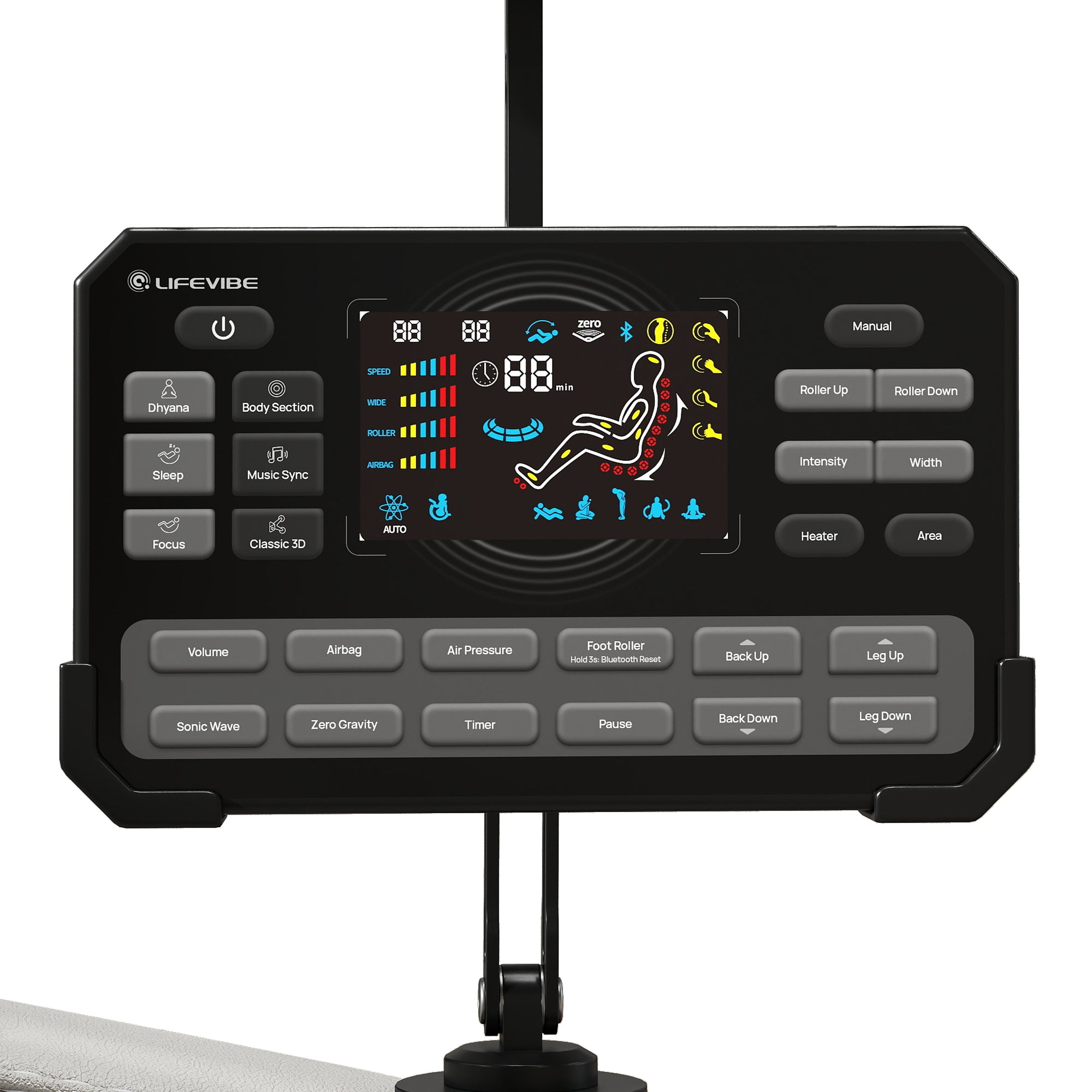
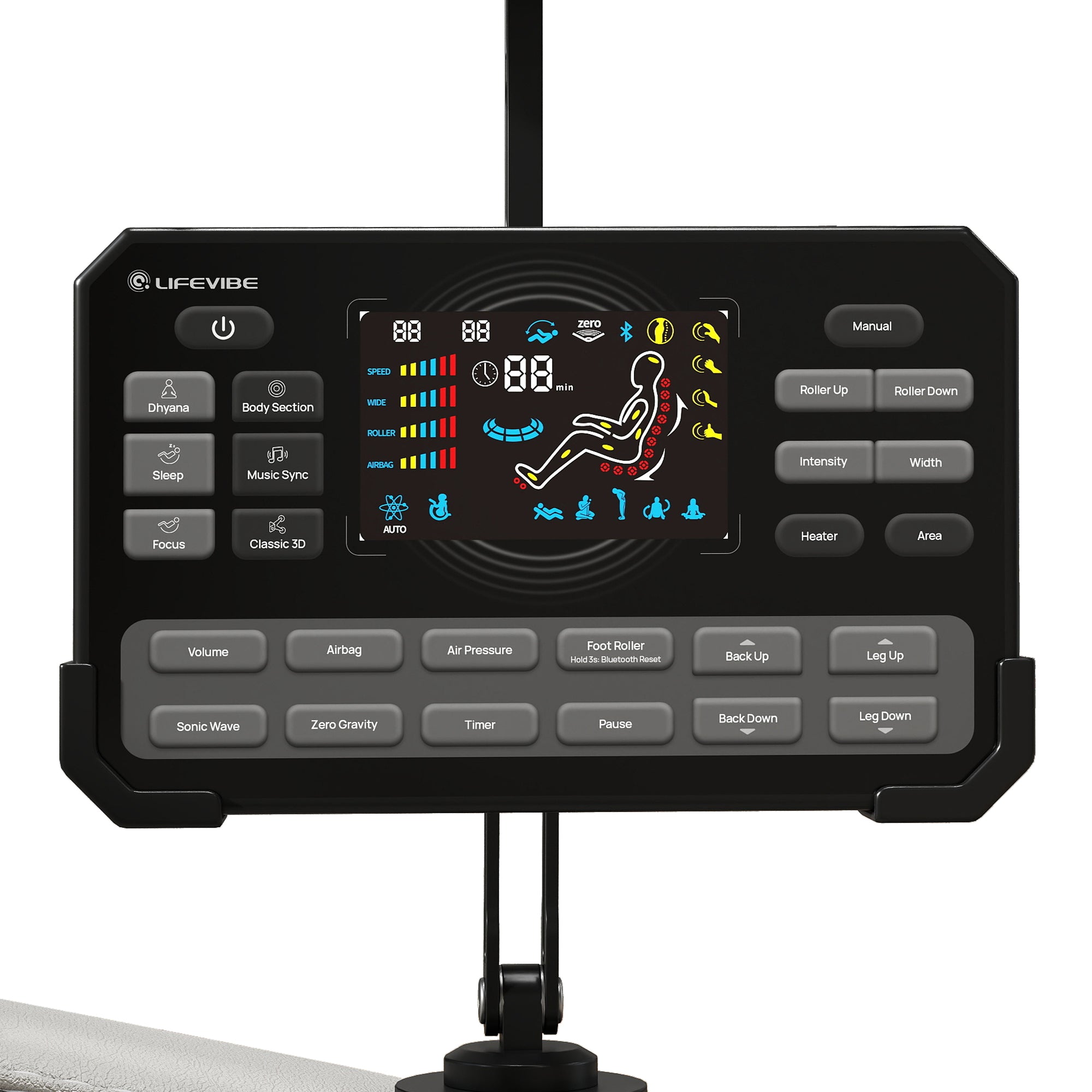
Lifevibe Prime includes programs such as Dhyana, Sleep, Focus, Body Section, Music Sync, and Classic 3D. The chair has 25 automatic programs in total, along with six manual massage techniques. The Music Sync function takes the concept one step further. The product documentation says the chair can analyze audio through Bluetooth and synchronize its vibration modules with the rhythm of the music.
So instead of music simply playing in the background, the rhythm becomes part of the physical experience.
What Happens When You Use One?
Let's say you have been sitting at your desk for hours. You sit down, start a relaxation program, and the chair first performs its body scan. Lifevibe Prime is designed to detect areas such as the shoulders, neck, and spinal curvature so the massage rollers can be adjusted to your body position. Then the chair reclines and the massage begins.
The mechanical rollers may start kneading your back while the sonic system produces low-frequency vibration. Airbags around the shoulders, arms, legs, and feet can add rhythmic compression, while heat can be used around the waist and legs. The Prime also includes zero gravity, foot rollers, an SL-track, and an adjustable footrest. The important point is that the chair is not relying on one sensation.
You are getting movement, pressure, vibration, sound, warmth, and body positioning as part of the same session. That is what gives a vibroacoustic massage chair its more immersive feel.

Does Vibroacoustic Therapy Really Work?
This is probably the question people should ask before getting too excited about the technology. A peer-reviewed scoping review published in BMJ Open examined 20 studies involving adults with pain. The researchers found that many studies reported positive changes, but the methods varied significantly, and they concluded that the existing evidence was still too limited to identify exactly which VAT properties are responsible for beneficial effects. They called for better randomized controlled trials.
There is also some research looking at low-frequency sound vibration and stress. One pilot randomized controlled trial involving 54 university students found a significant between-group difference in certain heart-rate-variability measures after low-frequency sound vibration, although the authors also noted that research in this area remains limited. More recent research continues to investigate acoustic stimulation as a possible non-drug approach for pain management, but reviews still describe VAT as an emerging area that needs additional clinical research.
So it is more accurate to say that vibroacoustic massage may support relaxation and contribute to a comfortable wellness experience, rather than saying that a specific frequency can diagnose, treat, or cure a medical condition.
What Does Frequency Have to Do With It?
Frequency is one of the most talked-about parts of vibroacoustic technology. Lifevibe Prime is designed to work within a 30–120 Hz sonic vibration range. Its product materials associate different frequency ranges with different program experiences, such as slower rhythms for relaxation and higher-frequency patterns for focus. But frequency should not be viewed as a magic number. Scientific research does not currently support a simple rule such as “50 Hz always does X” or “100 Hz always does Y.” The VAT literature uses different frequencies and protocols, and researchers have specifically pointed out that the field needs more consistent study designs. That means the better way to look at frequency is as one part of a larger system that also includes intensity, rhythm, duration, music, body position, and mechanical massage.
Why the Overall Experience Matters
There is another reason vibroacoustic massage chairs can feel different: they combine physical stimulation with sensory cues. Lifevibe's Dhyana and Sleep programs use slower rhythms, while Focus uses a clearer rhythm structure. Music Sync allows the user's own audio to influence the vibration experience. That creates a different relationship between the user and the chair.
You are not simply sitting there while a machine moves through a preset massage routine. The sound, rhythm, mechanical movement, and vibration can become one continuous experience. For people who enjoy meditation, music, reading, or simply having a quiet routine after work, that may be one of the biggest attractions of vibroacoustic massage technology.
What Makes Lifevibe Different?
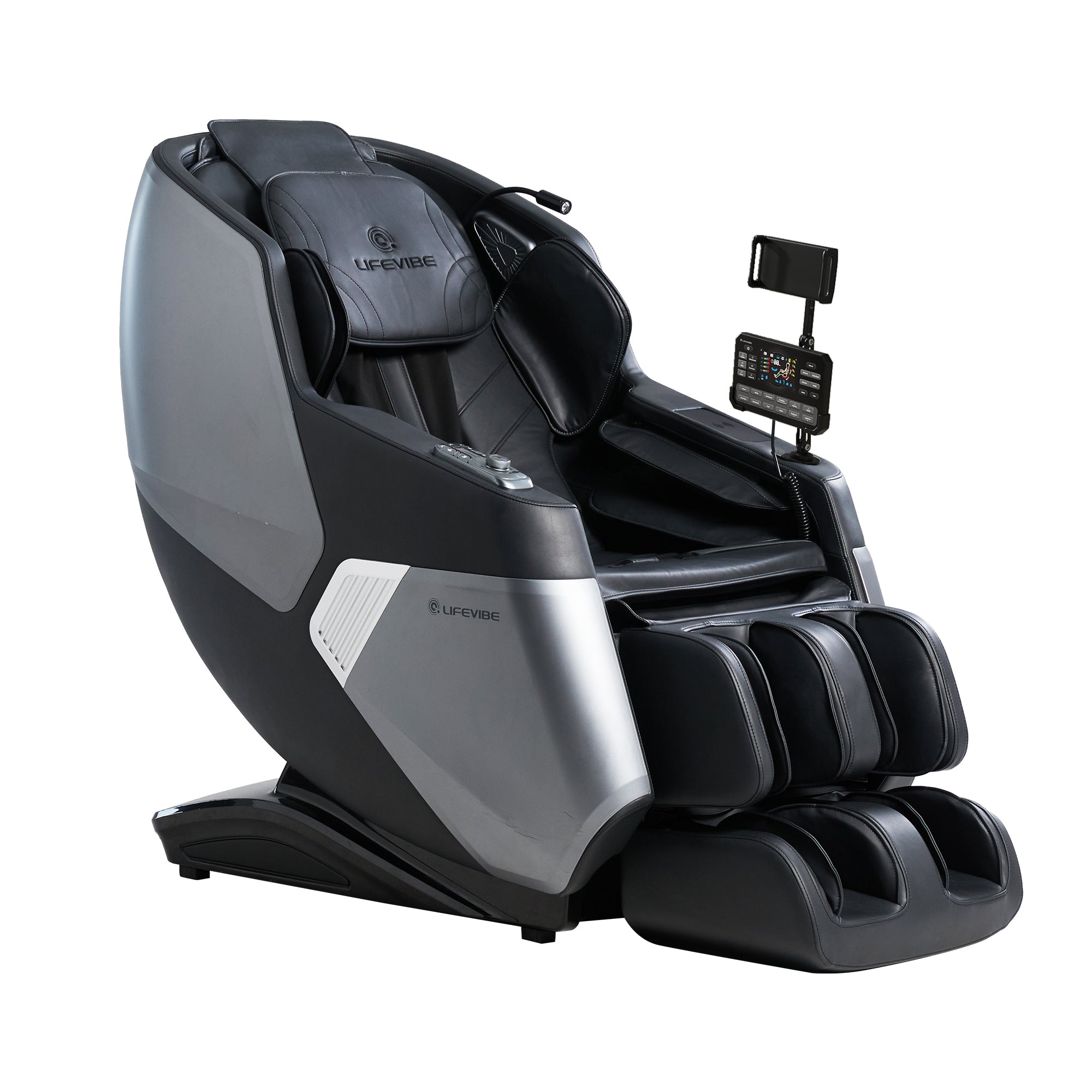
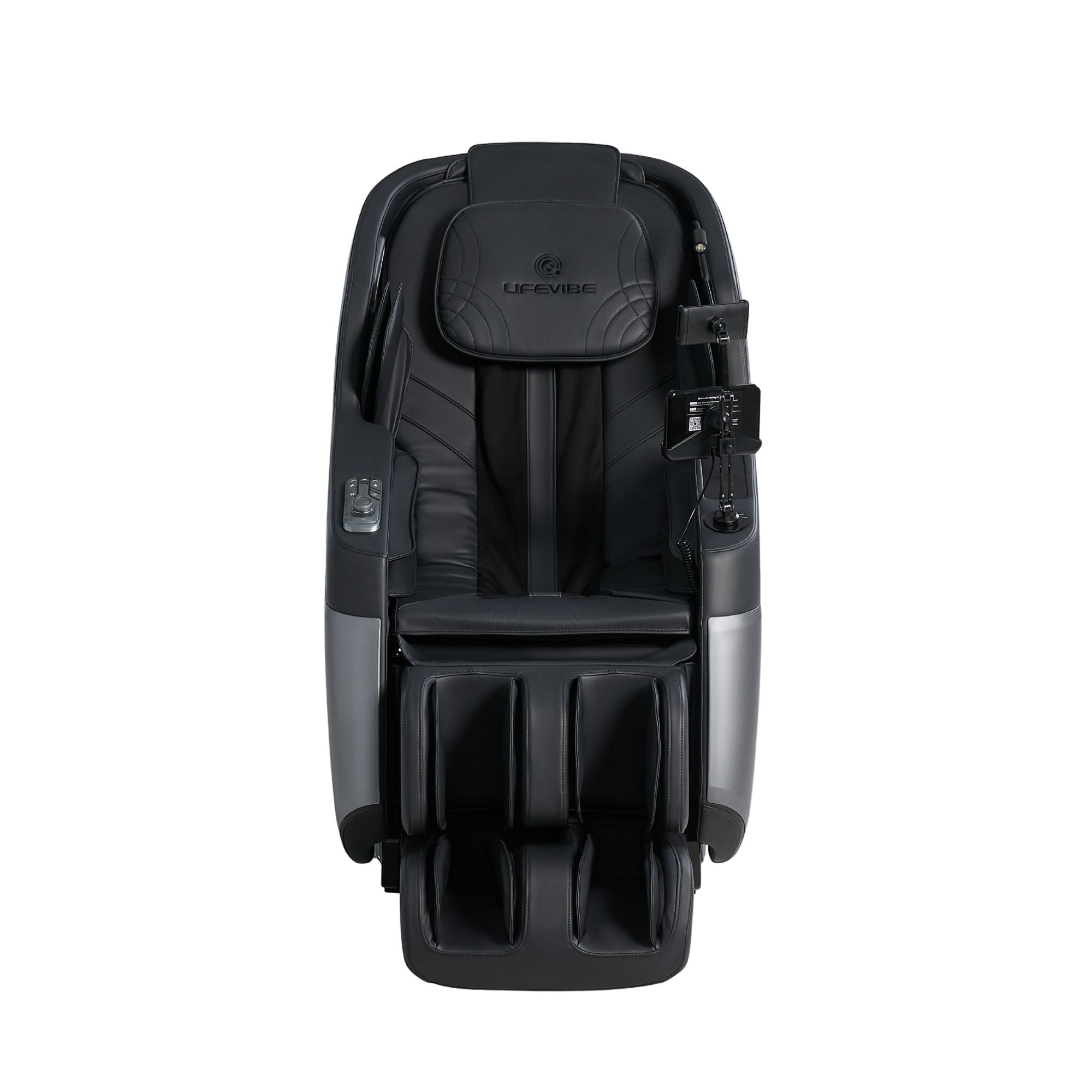
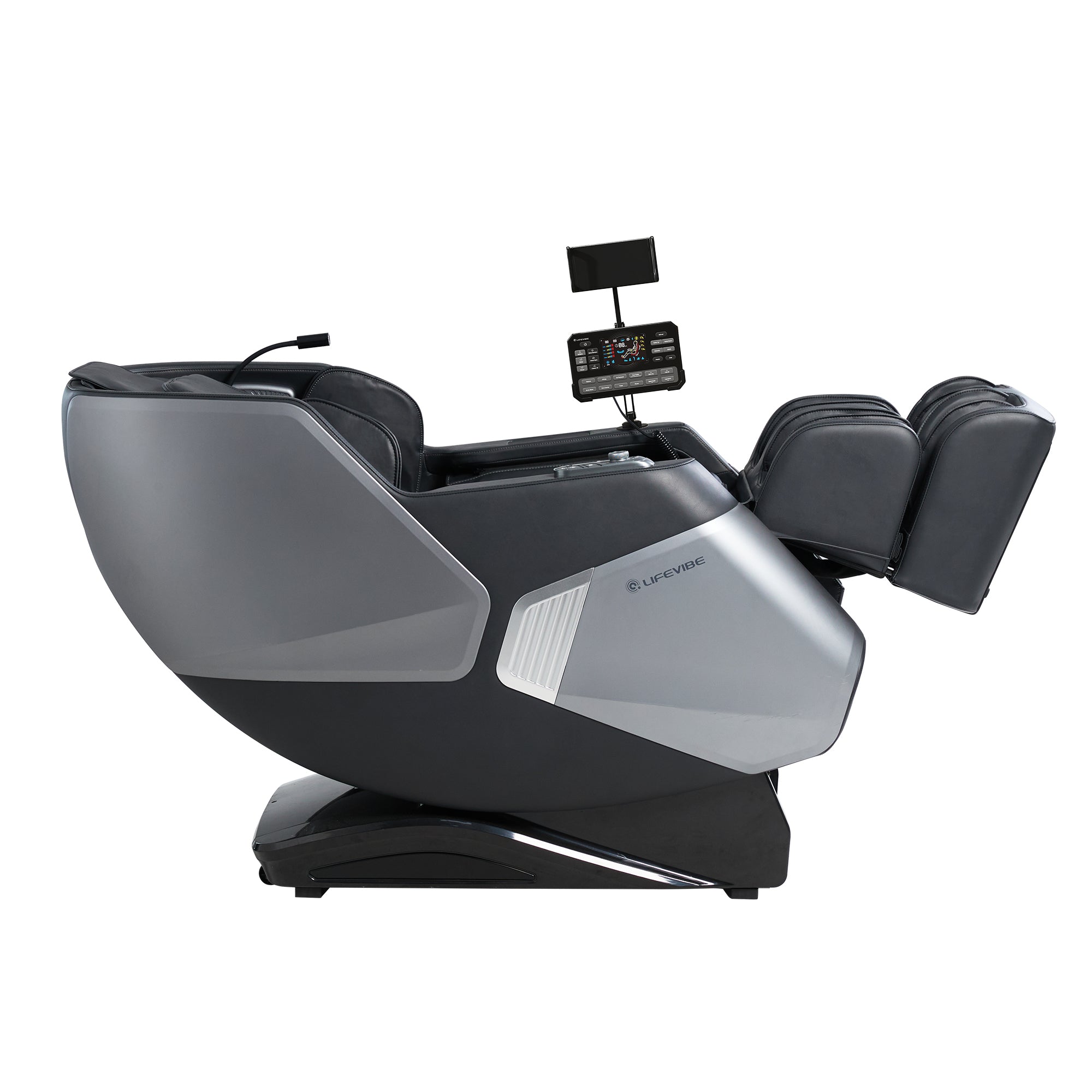
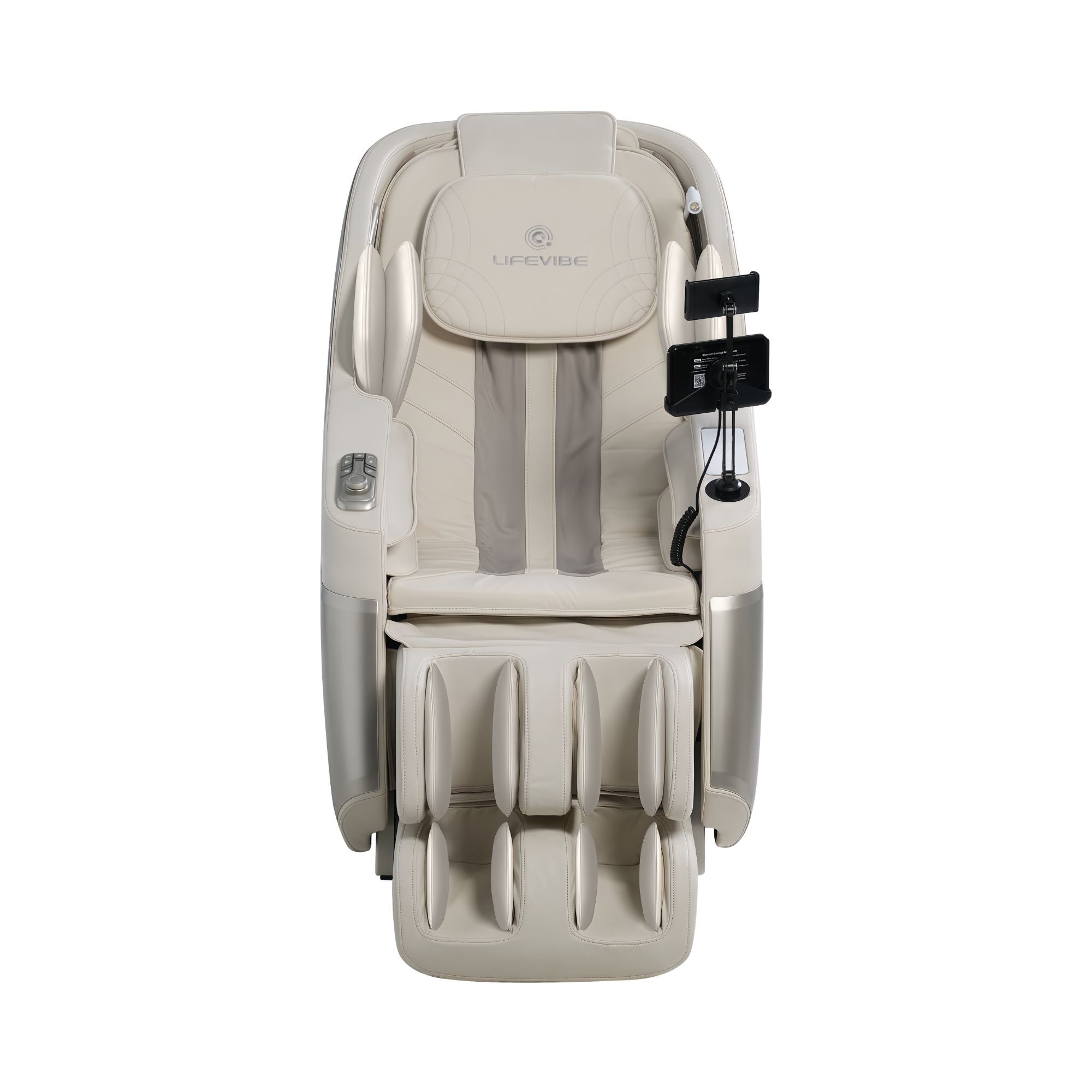
Lifevibe positions its Prime chair around the idea of “Resonate Deeper.” Its core technology combines the SonicWave™ massage mechanism with SonicSync™ synchronization rather than treating sound as an extra entertainment feature. The Prime also brings together many familiar massage-chair features, including 3D rollers, an SL-track, body scanning, airbags, zero gravity, heat, foot rollers, Bluetooth audio, and 25 automatic programs. In practical terms, that means you can switch between a more traditional 3D massage and a sound-and-vibration-focused experience depending on what you want that day.

Maybe you want kneading after a long day at your desk. Maybe you want a slow, quiet session before bed. Or maybe you simply want to put on your favorite playlist and feel the rhythm through the chair. That flexibility is where the concept becomes much more interesting than simply adding vibration to a massage chair.
A Few Things to Keep in Mind
Vibroacoustic massage chairs are wellness products, not replacements for medical care. The current scientific literature is promising in some areas but still limited, particularly when it comes to proving specific medical outcomes.
It is also worth following the manufacturer's safety instructions. The Lifevibe Prime manual advises users with certain medical conditions—including serious cardiovascular conditions, thrombosis or circulation disorders, pregnancy, spinal injuries and other listed conditions—to consult a physician before using the chair. And, as with any massage chair, comfort matters. Start with a lower intensity, pay attention to how your body responds, and avoid assuming that stronger automatically means better.
The Bottom Line
A vibroacoustic massage chair works by combining low-frequency sound-driven vibration with mechanical massage. The sonic transducer converts an audio signal into controlled physical movement. The vibration is then delivered through the chair while rollers, airbags, heat, and reclining positions can work alongside it.
What makes the technology appealing is the experience itself: instead of massage being only about pressure, a vibroacoustic chair adds another dimension—rhythm you can hear, feel, and experience through your body.
And that is really the idea behind Lifevibe: not simply adding more force to massage, but creating a different way to relax through sound, movement and resonance.





Share:
How Low-Frequency Sonic Vibration Massage Can Fit Into Your Daily Wellness Routine
How Does Vibroacoustic Massage Affect Circulation and the Nervous System?