

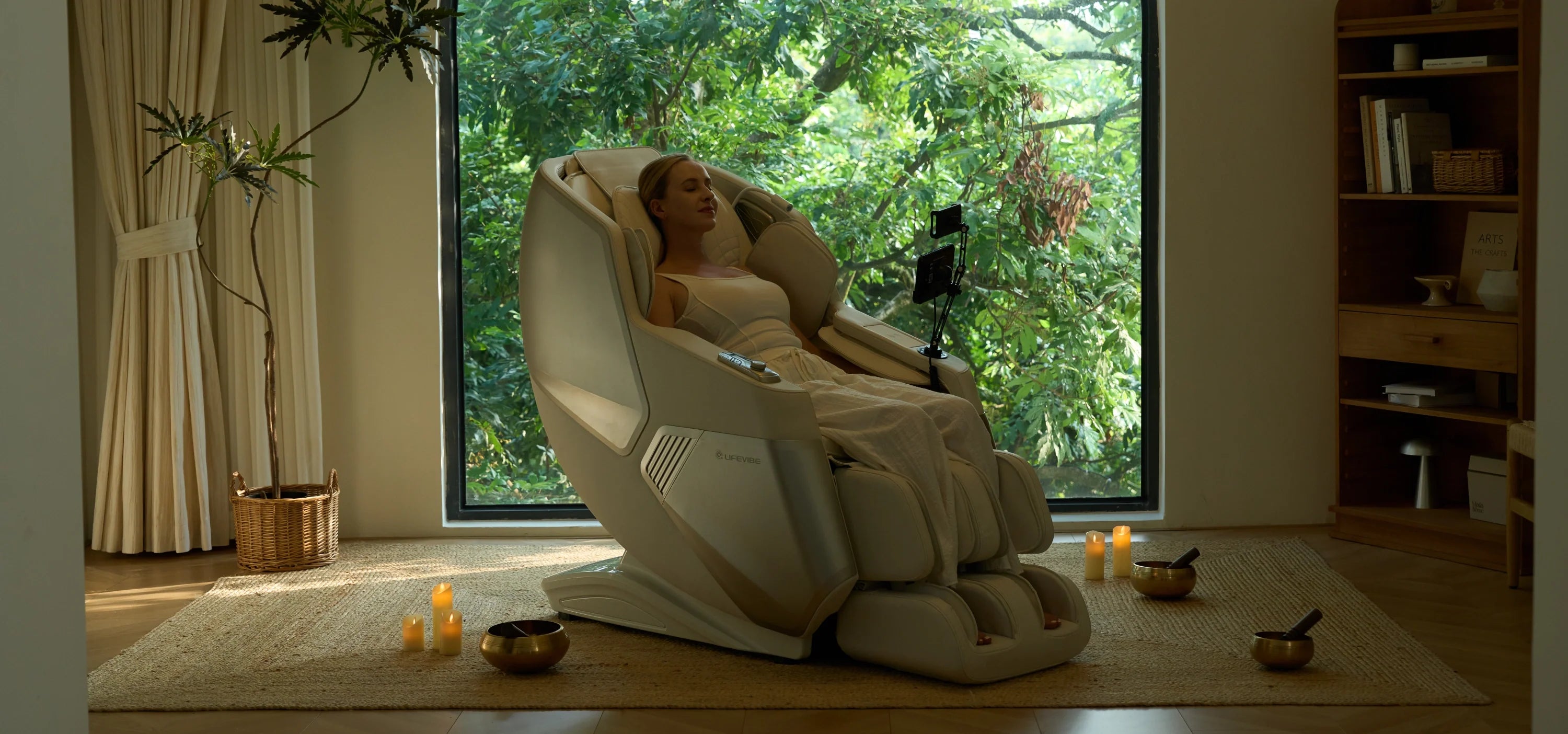
If you have ever had a strong massage, you probably know the feeling: more pressure, more intensity, more “work” on the muscles.
But vibroacoustic massage takes a different approach. Instead of relying mainly on forceful pressing or deep mechanical pressure, it uses sound-based vibration to create a physical sensation throughout the body. The experience can feel surprisingly deep while still being gentle.
So, how does that work? And why can something that does not feel intensely pressed still leave you feeling deeply relaxed? The answer has a lot to do with how the body responds to vibration, rhythm and sensory input—not simply how much pressure is applied.
Deep Relaxation Doesn't Always Mean Deep Pressure
We often use the word “deep” to describe a massage, but there are actually two different ideas hiding behind it. One is physical depth: how much force is being applied to the body. The other is sensory depth: how strongly and broadly you perceive the stimulation.
Traditional massage chairs mainly create sensation through mechanical movement. Rollers knead, tap, press and push against the body. Increase the intensity, and the sensation becomes stronger. Vibroacoustic massage adds another layer. Low-frequency sound can be converted into controlled vibration and delivered through the body-contact surface. In other words, the goal isn't simply to push harder. It is to create a rhythmic vibratory sensation that the body can feel.
Research on sound vibration suggests that vibration can influence neurological, physiological, and musculoskeletal responses, although researchers still say more work is needed to understand exactly how different frequencies and intensities affect the body. PubMed: “Possible Mechanisms for the Effects of Sound Vibration on Human Health” That distinction helps explain why a massage can feel substantial without feeling aggressive.
Your Nervous System Is Part of the Relaxation
Relaxation isn't just about muscles. Your nervous system is constantly processing what is happening around you: pressure, movement, sound, temperature, rhythm, and touch. When those signals are steady and comfortable, they can become part of a calming sensory experience. This is one reason rhythmic stimulation can feel so different from a sudden, forceful massage.
A 2022 pilot randomized controlled trial looked at low-frequency sound vibration and acute stress responses. The researchers found a significant improvement in some heart-rate-variability measures in the vibration group, while also noting that more research is needed. Another study published in 2024 examined vibroacoustic sound massage and reported increased parasympathetic activity along with changes associated with reduced arousal and greater relaxation. Again, this is promising research rather than proof that every person will experience the same response. That is an important point: vibroacoustic massage isn't relaxing simply because “sound magically reaches deep tissue.” The body is responding to a combination of sensory stimulation, vibration, rhythm, touch, posture, and the overall environment.
Why Vibration Can Feel Deeper Than It Looks
Think about the difference between someone pushing firmly on your shoulder and sitting next to a powerful speaker at a concert. The speaker isn't pressing into your shoulder with a hand, but you can still feel the bass physically. Vibroacoustic systems use a related idea: sound energy is converted into physical vibration that you can feel through contact with the body.
The research literature describes vibroacoustic therapy as involving low-frequency, sound-induced vibration, sometimes combined with music. Studies have used different frequencies and delivery methods, so there isn't one scientifically established “magic frequency” that guarantees a particular effect. This matters because it keeps the explanation realistic. The sensation may feel like it is coming from inside the body, but that doesn't mean the vibration literally travels through every layer of tissue in a uniform way.
What you actually notice is a broader, softer vibratory sensation rather than a concentrated pushing sensation. And for people who dislike aggressive massage, that difference can be huge.
The Combination of Sound and Movement Makes It More Immersive
This is where the design of Lifevibe becomes interesting.
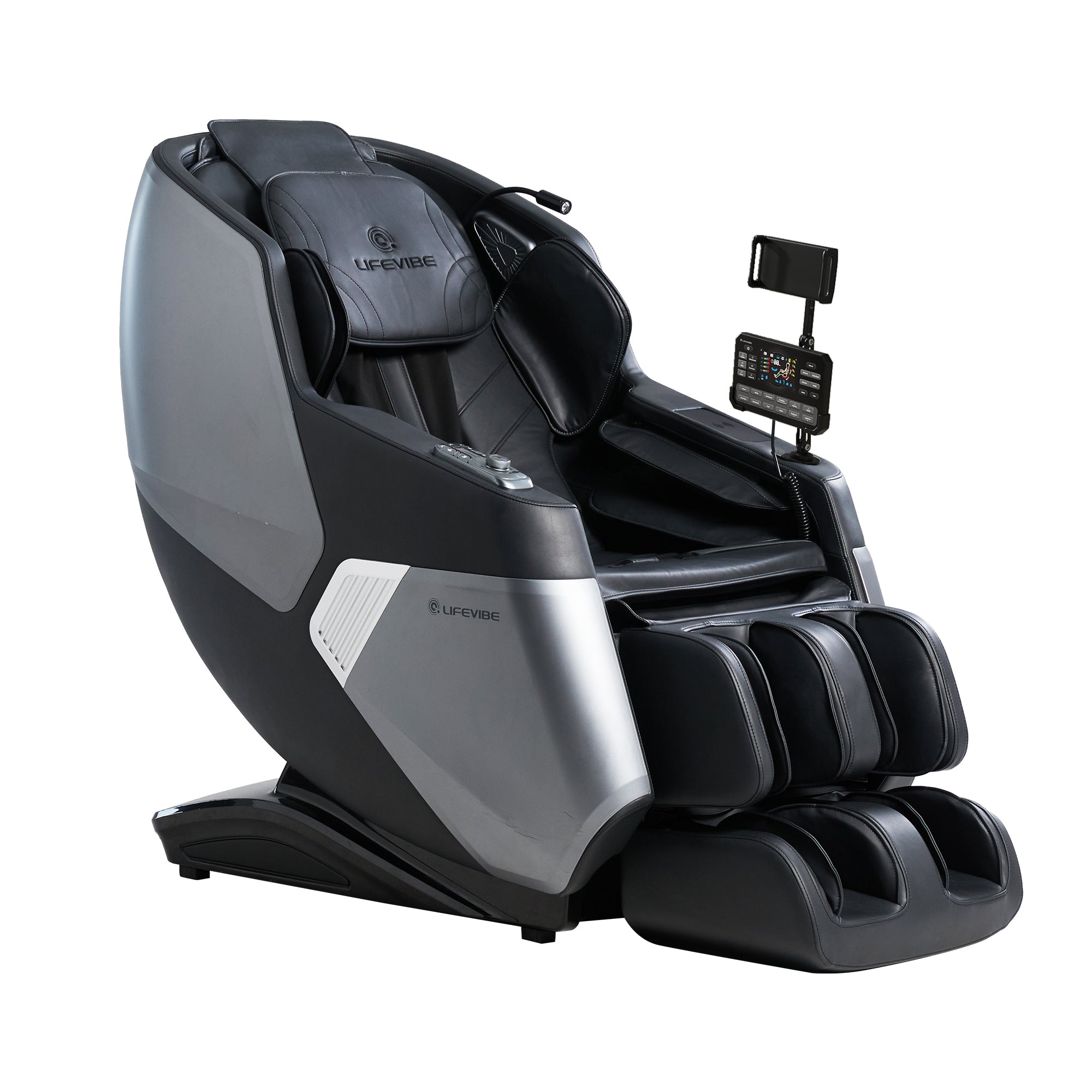
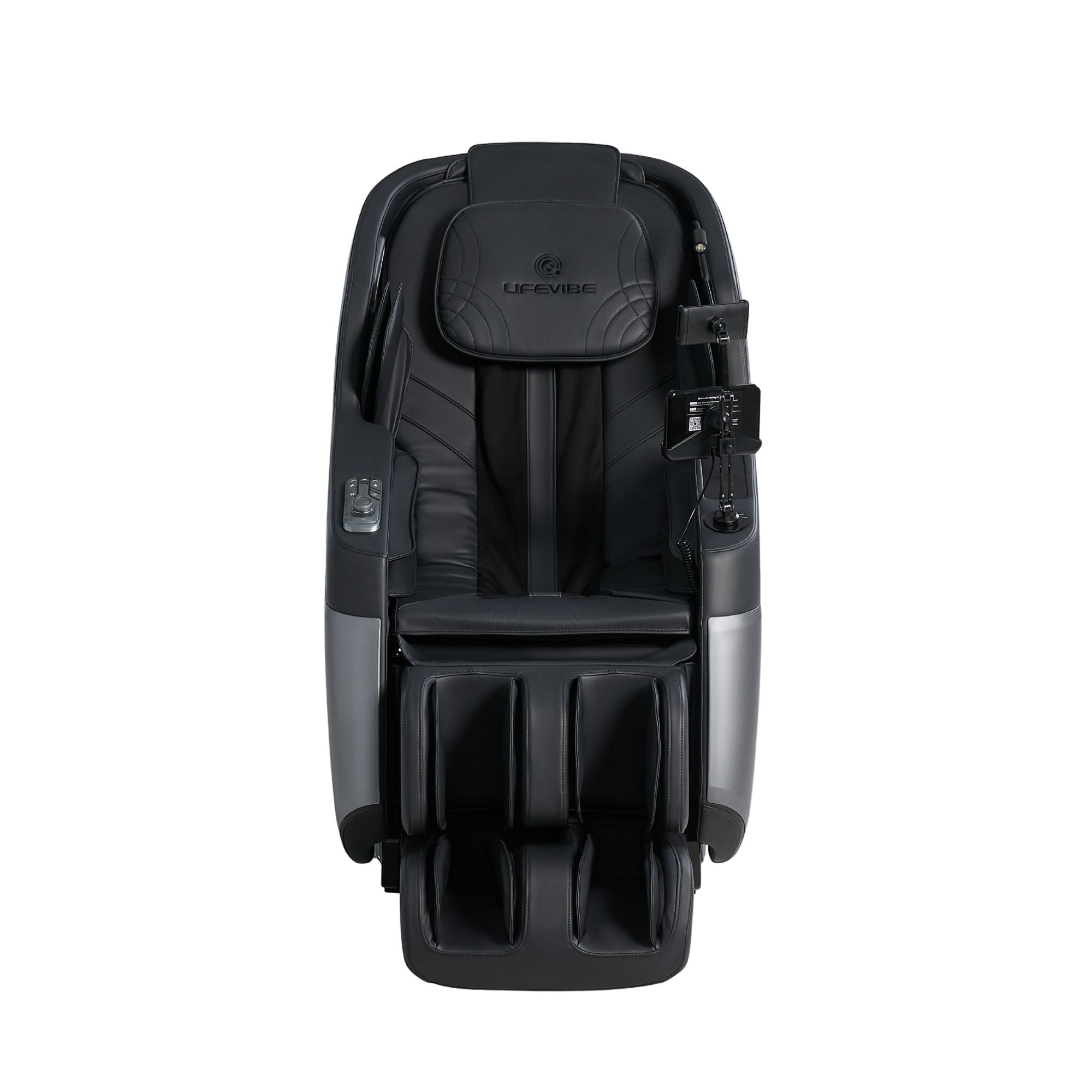
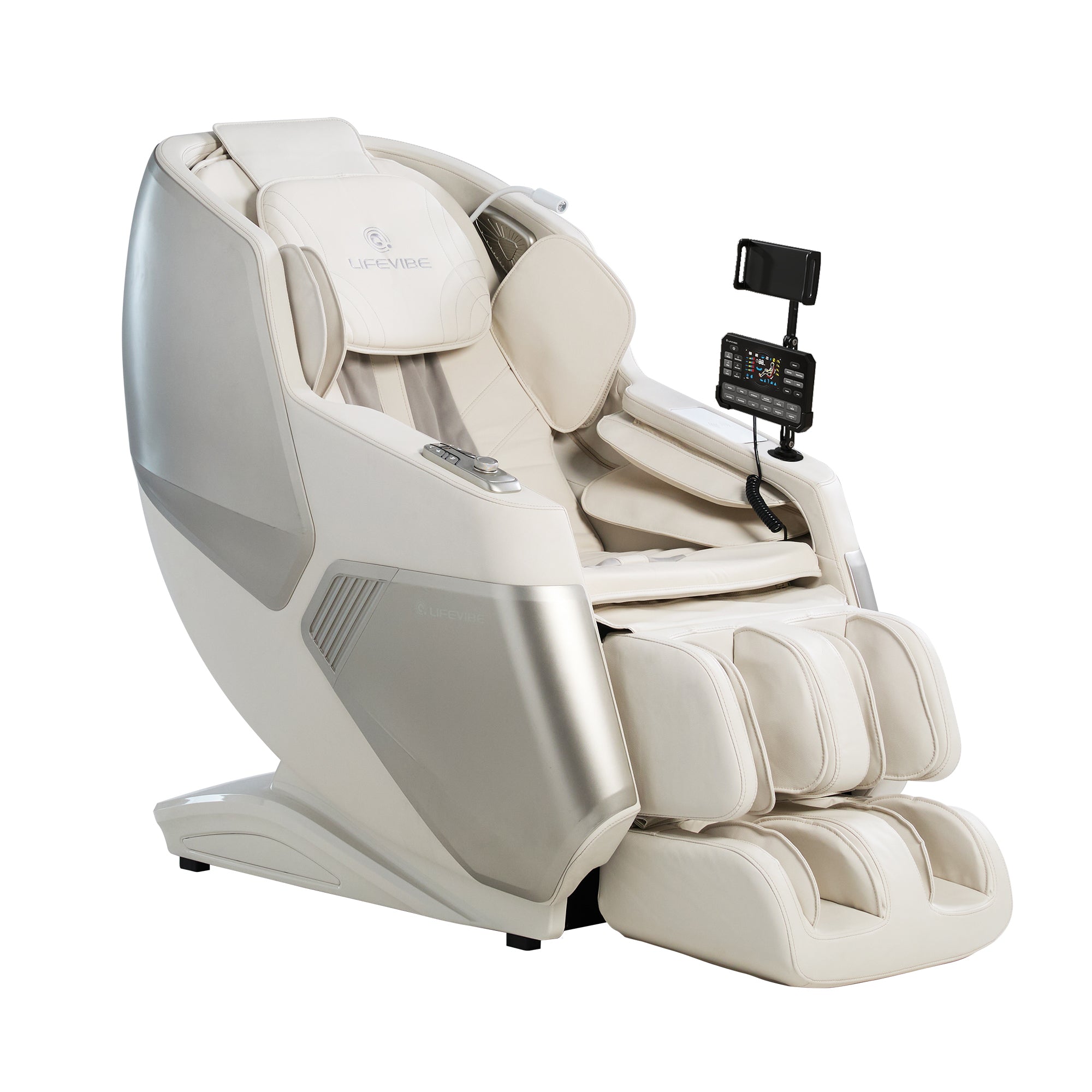
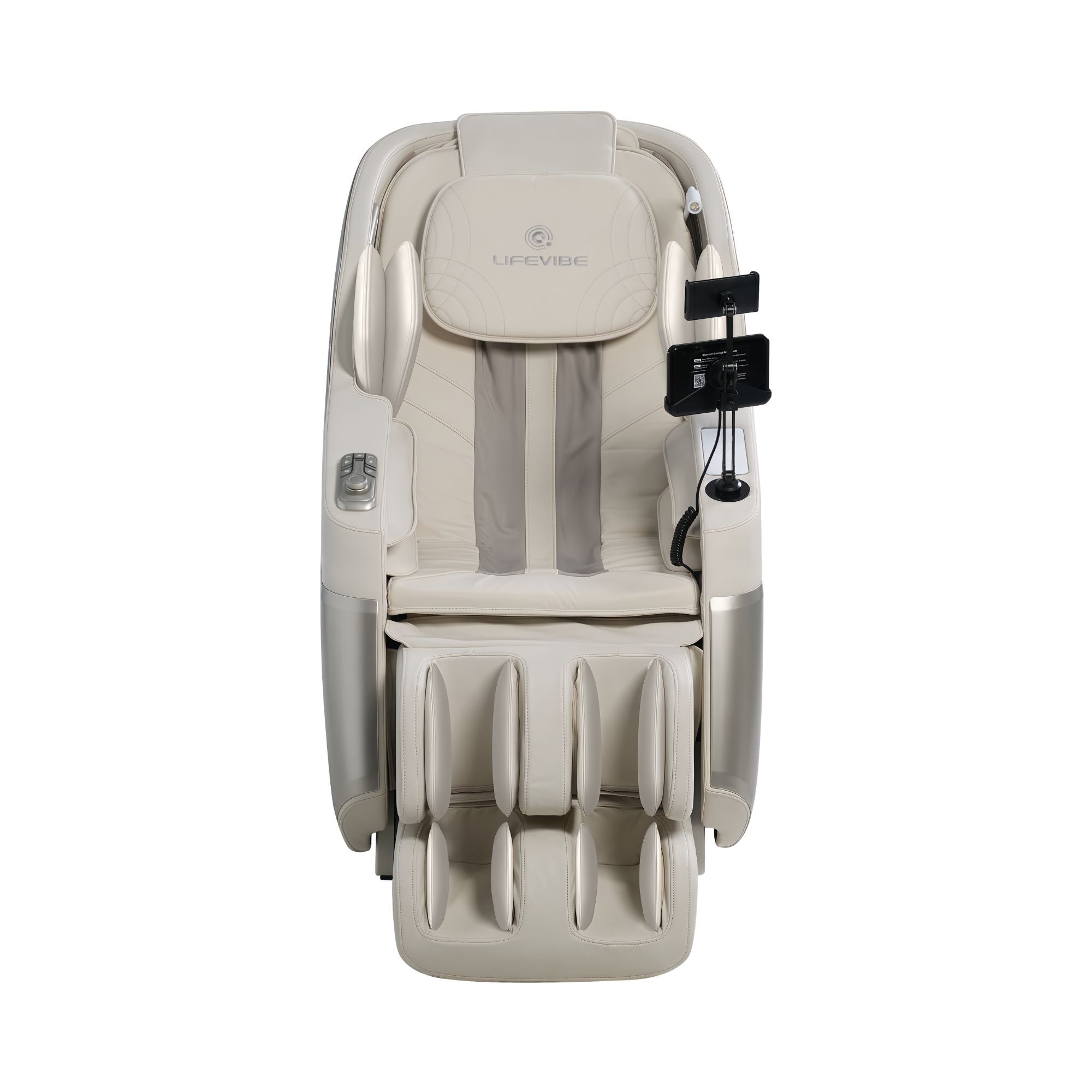
The Lifevibe VAT chairs combines an upper 3D mechanical massage system with lower sonic components. Its SonicWave™ mechanism is designed to combine traditional roller movement with sound-based vibration, while SonicSync™ coordinates sound, vibration and massage movement around the same rhythm. Instead of feeling like one isolated action—press, release, press, release—the experience can feel more continuous.

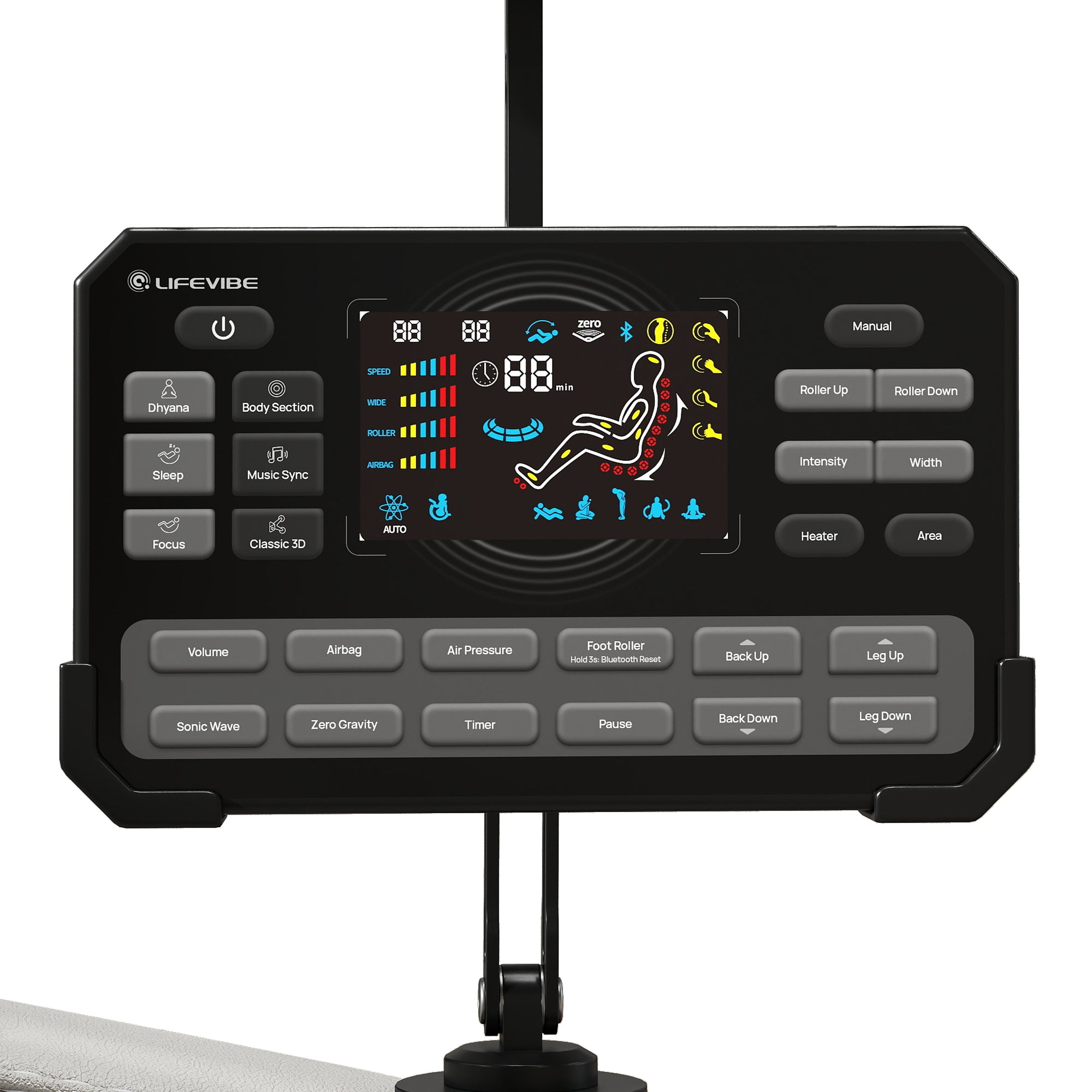
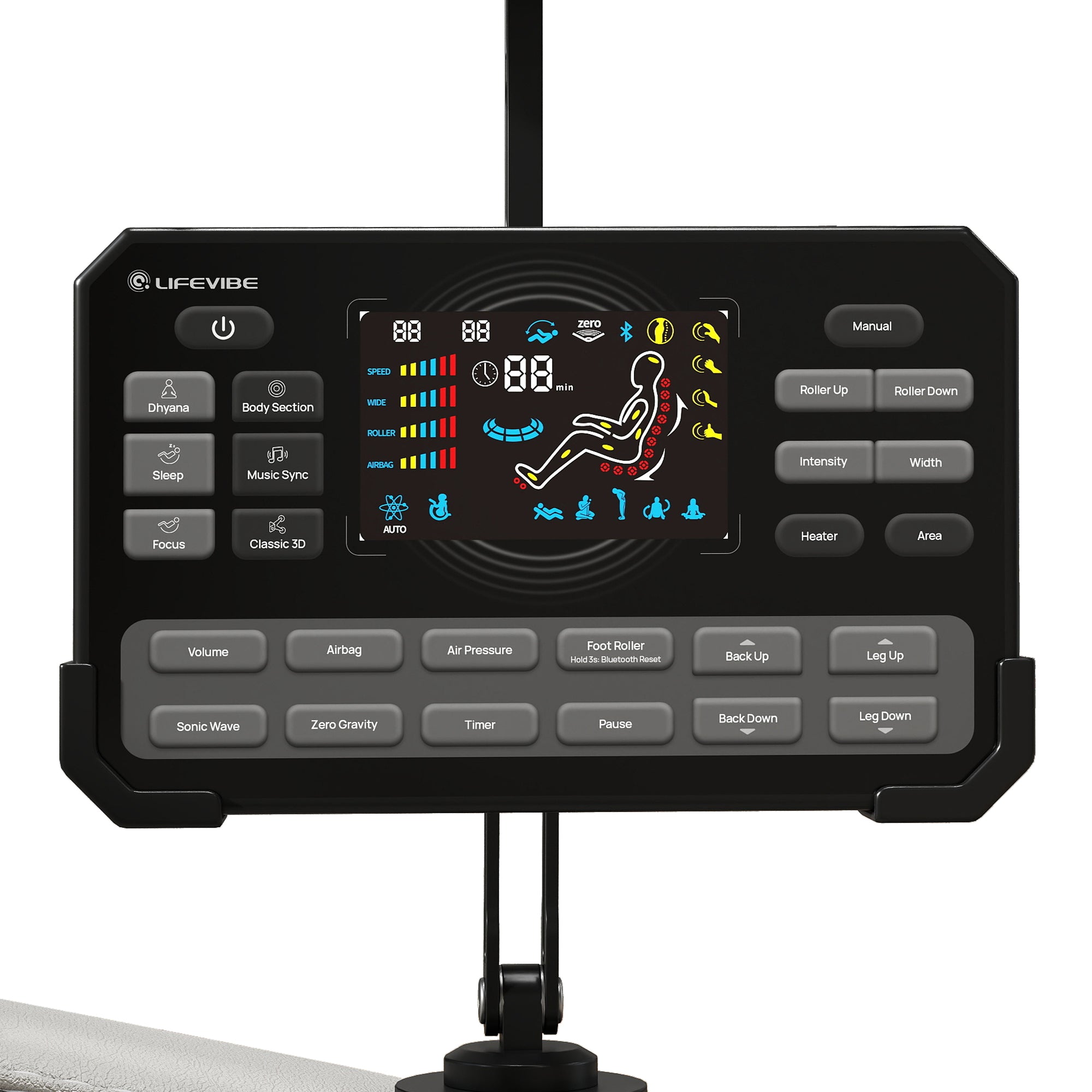
These chairs also includes programs built around different rhythms and experiences, including Sleep, Dhyana, Focus, Body Section, Music Sync and Classic 3D. That rhythmic element matters because predictable sensory input can be easier to settle into than constantly changing or abrupt stimulation. It is a little like listening to slow music while lying down. The music isn't physically “massaging” your muscles, but its rhythm can influence the way you experience the moment. With vibroacoustic massage, sound and physical vibration become part of the same experience.
Lifevibe Dhyana mode
Why Gentle Can Sometimes Feel Better
There is also a practical reason why people may prefer lower-pressure stimulation. A very strong massage can feel great for one person and uncomfortable for another. Too much pressure may leave the body feeling overstimulated rather than relaxed. Vibroacoustic massage offers another option: use vibration and rhythm to create a noticeable sensation without continually increasing mechanical pressure.
The Lifevibe VAT chairs, for example, provides adjustable sonic-wave intensity alongside three massage-intensity levels, so users can change the experience instead of simply turning everything up to maximum. That makes the experience less about chasing the strongest possible massage and more about finding a level that feels comfortable.
And honestly, that can make a difference when you want to sit in the chair for a while instead of enduring a few minutes of extremely intense pressure.
Zero Gravity Adds Another Piece to the Experience
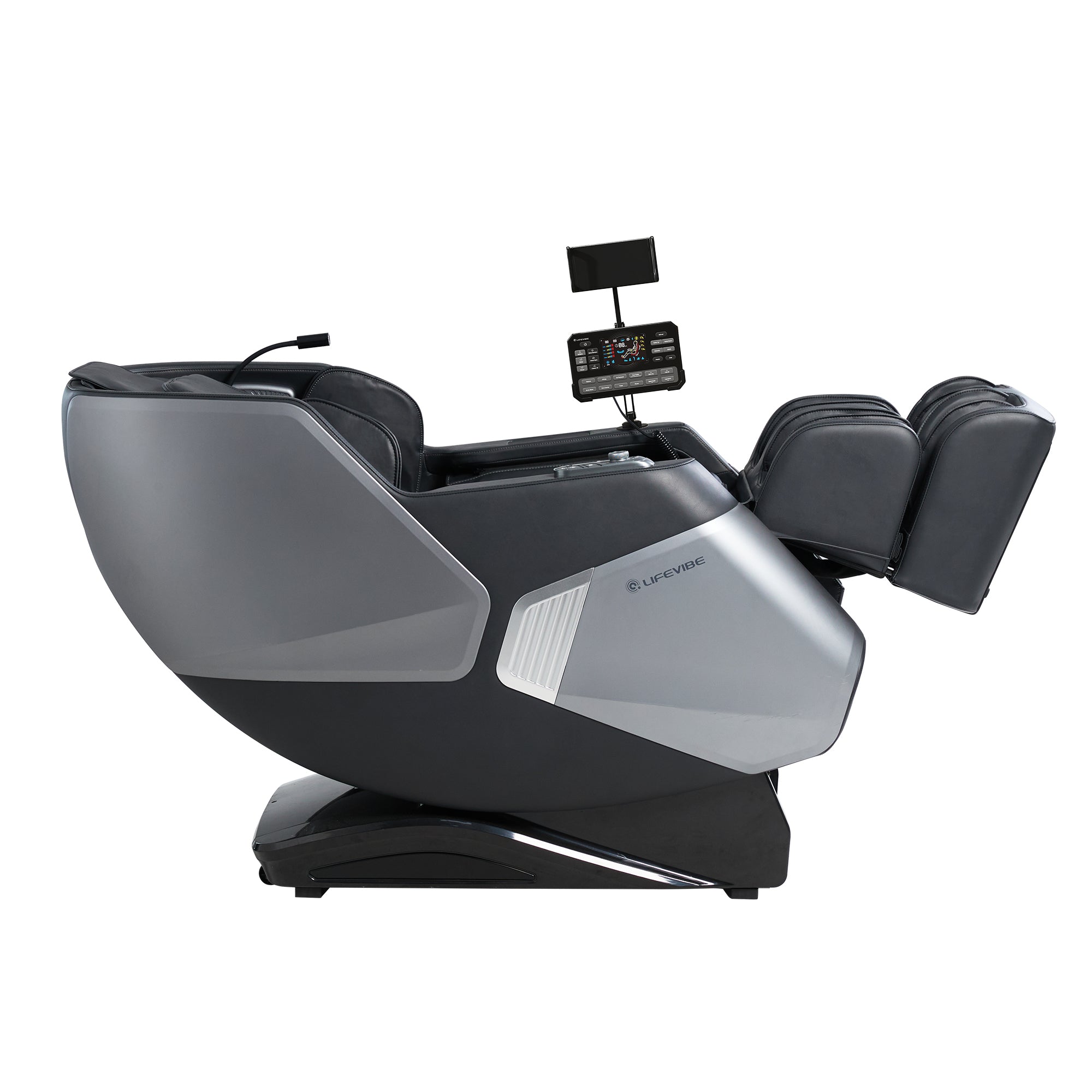
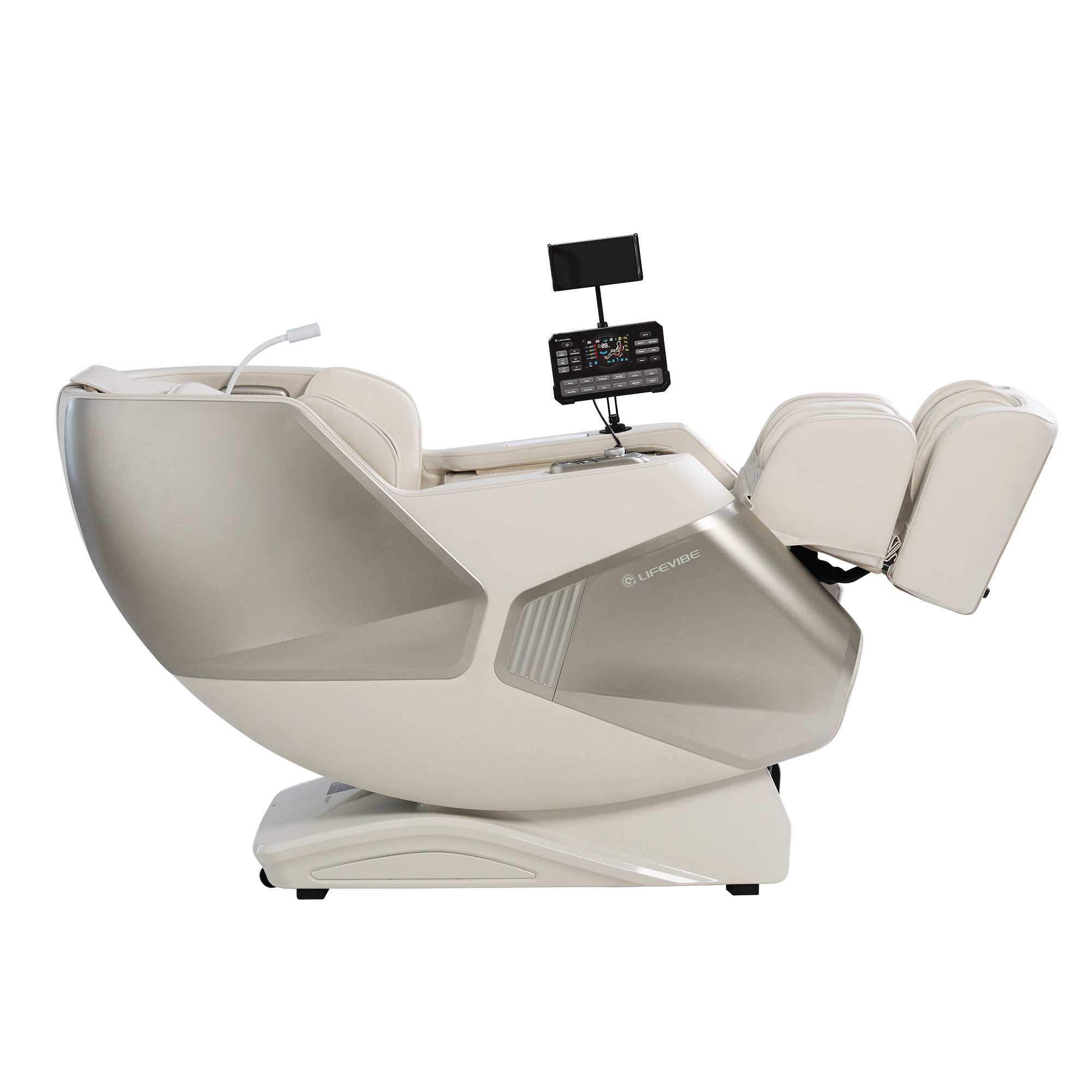
The vibration isn't working alone. Lifevibe VAT chairs also have a Zero Gravity position that reclines the back and raises the legs, creating a more supported body position. The product documentation describes the position as reducing spinal pressure and creating a feeling of weightlessness. This is important because relaxation is rarely caused by one feature.
When your body is supported, the massage feels smoother. When the vibration is steady, the stimulation feels less abrupt. When the sound matches the movement, the experience can feel more cohesive. Put those things together and the result can feel much deeper than the amount of physical pressure would suggest.
So, Is Vibroacoustic Massage Actually “Deep”?
It depends on what you mean by deep. If you mean strong mechanical pressure, then no. Vibroacoustic massage is specifically interesting because it doesn't need to rely entirely on force. If you mean a noticeable, whole-body sensory experience, then yes, vibration can feel surprisingly substantial without the sensation of being pushed hard.
The scientific evidence is encouraging but still developing. A 2022 scoping review of vibroacoustic therapy research found substantial variation in study methods and frequencies and concluded that the evidence was not yet strong enough to identify exactly which VAT properties reliably produce beneficial effects.
So the better way to think about it isn't “vibration replaces deep tissue massage.” It is that vibroacoustic massage offers a different route to relaxation. Instead of asking, “How much pressure can my body handle?” the experience asks, “How can sound, vibration, rhythm, and gentle movement work together to help my body settle down?” That's a pretty different philosophy of massage.
The Bottom Line
Vibroacoustic massage can feel relaxing without deep pressure because relaxation isn't determined by pressure alone.
Low-frequency vibration gives the body another form of sensory input. When that vibration is combined with rhythmic movement, sound, supportive positioning, and gentle mechanical massage, the experience can feel deeper and more immersive without becoming painfully intense. That's the idea behind Lifevibe's approach: less dependence on force, more emphasis on resonance, rhythm, and the overall sensory experience.
The science around vibroacoustic therapy is still developing, so it's worth being careful with claims about specific frequencies or medical effects. But the basic idea is well worth paying attention to: sometimes, relaxation doesn't require pushing harder. Sometimes, a steady rhythm and gentle vibration are enough to help you slow down.





Share:
Why Does Vibroacoustic Massage Feel Different From Regular Massage?