

Relaxation usually gets described as something you “do” — lie down, close your eyes, maybe stretch a little. But vibroacoustic therapy (VAT) flips that idea. It’s not just about what you do, but what your body receives.
Low-frequency sound becomes physical movement. Movement becomes sensation. And sensation slowly shifts how your nervous system behaves. That’s the basic idea behind vibroacoustic relaxation, and it’s also what makes devices like a VAT massage chair feel so different from traditional massage systems.
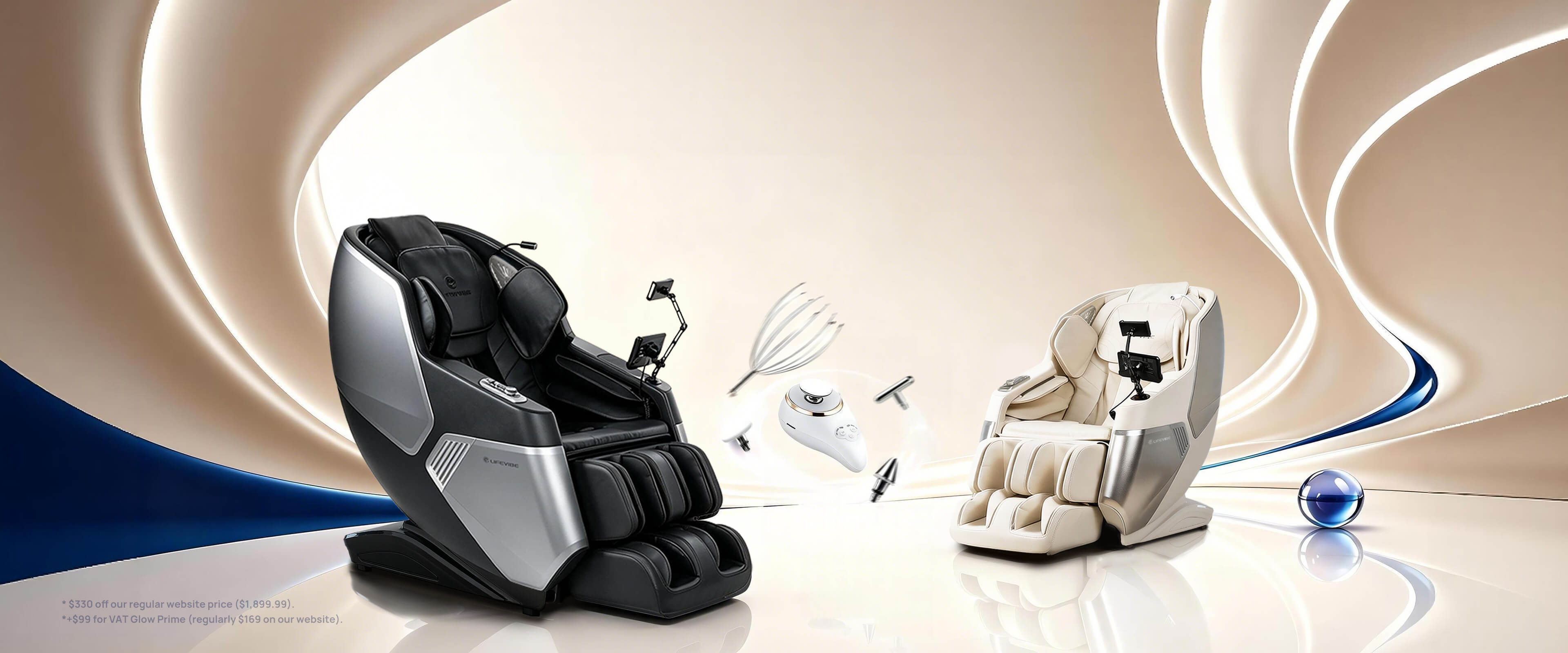
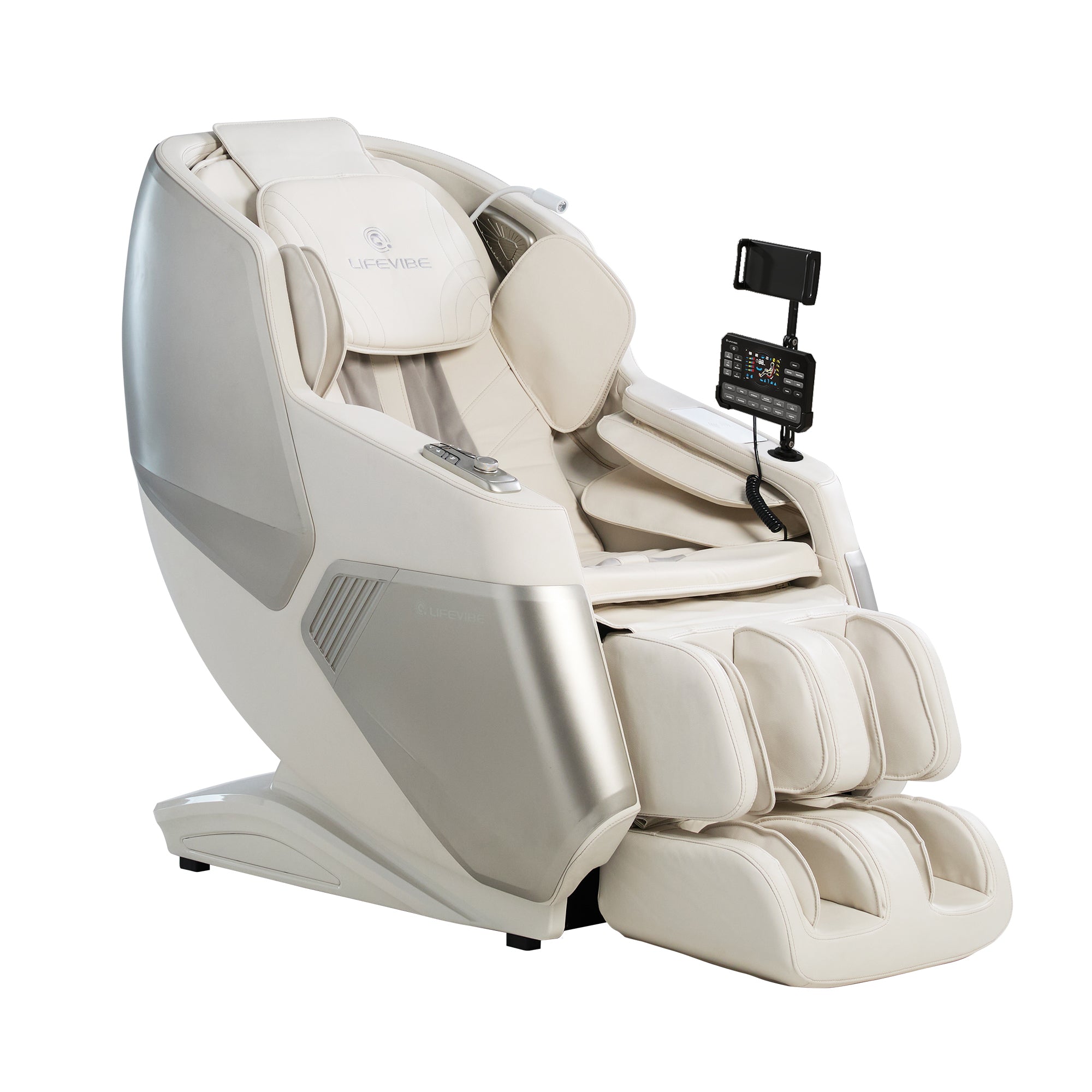
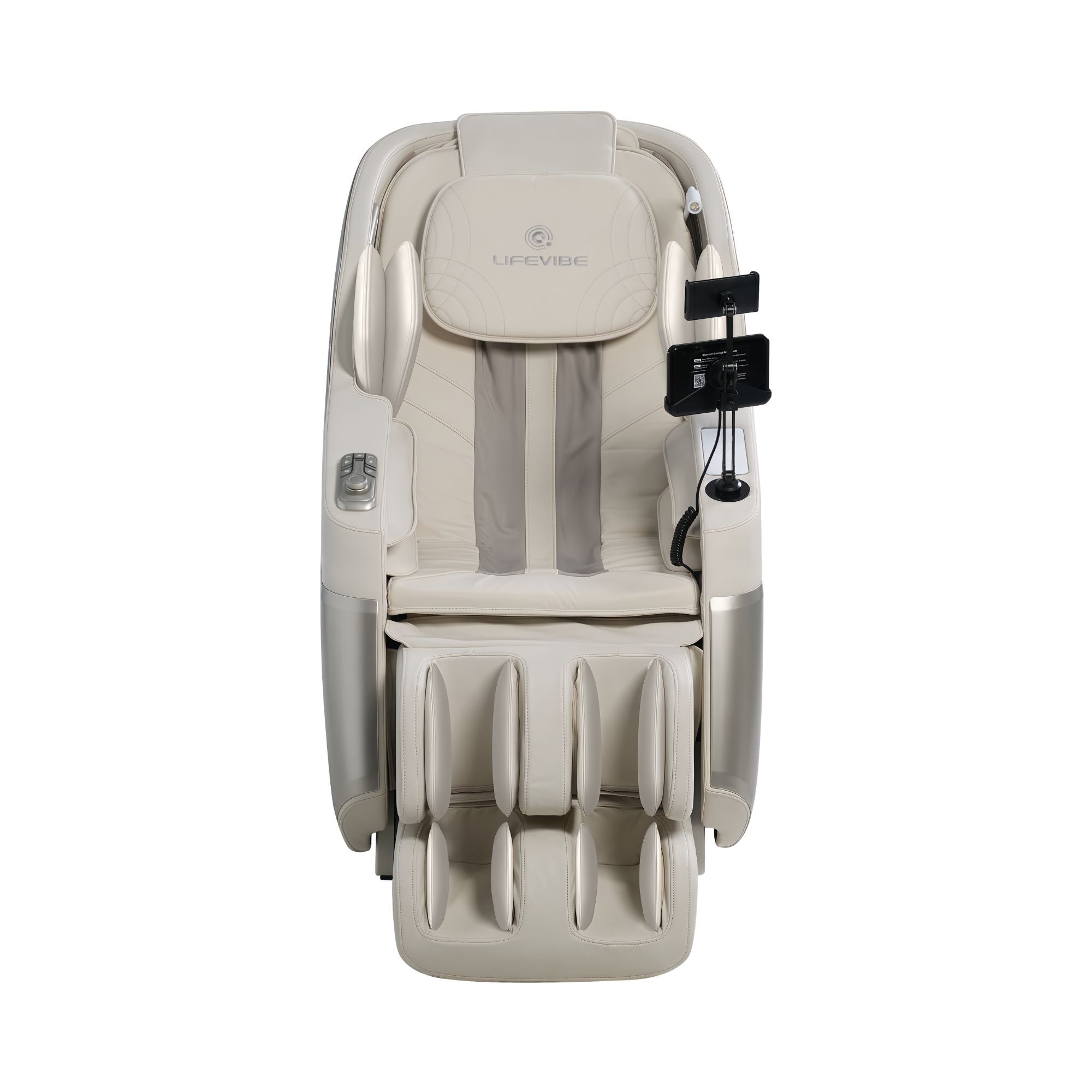
One of the most widely discussed applications today is in vibroacoustic therapy chairs such as those developed by Lifevibe, especially models like their vibroacoustic therapy chair systems designed around SonicWave™ and SonicSync™ technologies.
And interestingly, this technology has also started showing up in consumer wellness conversations around events like Amazon Prime Day — not as a quick purchase trend, but as a “home recovery upgrade” people consider for long-term stress and sleep support.
When sound becomes something your body can feel
Most people think of sound as something that enters the ears. Vibroacoustic therapy treats sound differently. It treats sound as a mechanical wave that can travel through the body.
Low-frequency sound (commonly 30–120Hz in vibroacoustic systems) doesn’t just stay in the air. When delivered through a surface like a chair or bed, it becomes vibration that passes through muscle tissue and fascia. This is where things start to feel unusual. Instead of a massage pushing into your body, your body starts responding from within — almost like the tissues are “echoing” the rhythm.
Research in vibroacoustic stimulation has shown that low-frequency vibration can influence perceived muscle tension and relaxation states, especially in the neck and back region. A separate body of clinical rehabilitation research has also explored how vibration-based therapies may support comfort and reduce subjective discomfort in patients with chronic neck and shoulder tension. These studies don’t claim dramatic medical outcomes, but they consistently point toward one idea: the nervous system responds strongly to rhythm-based mechanical input.
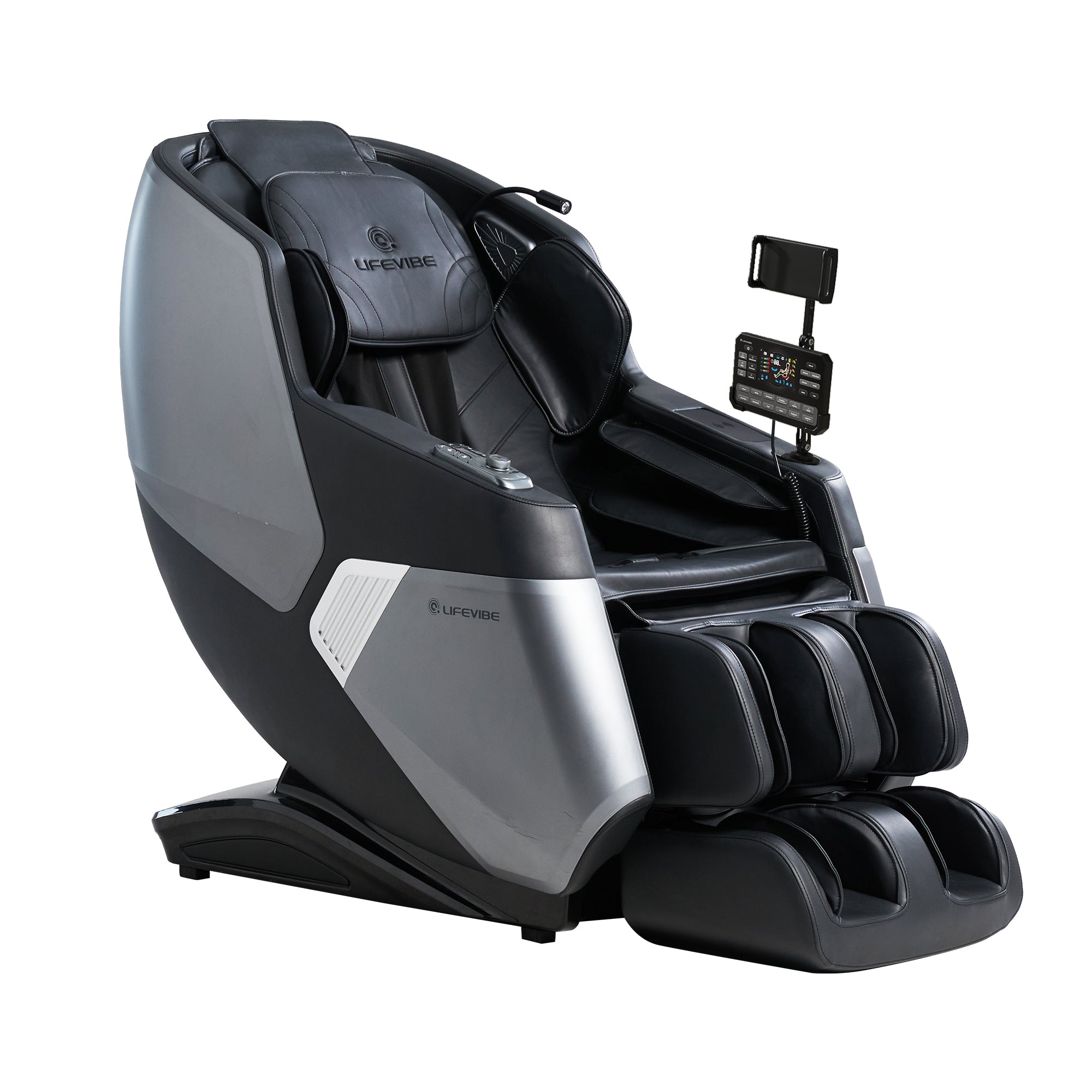
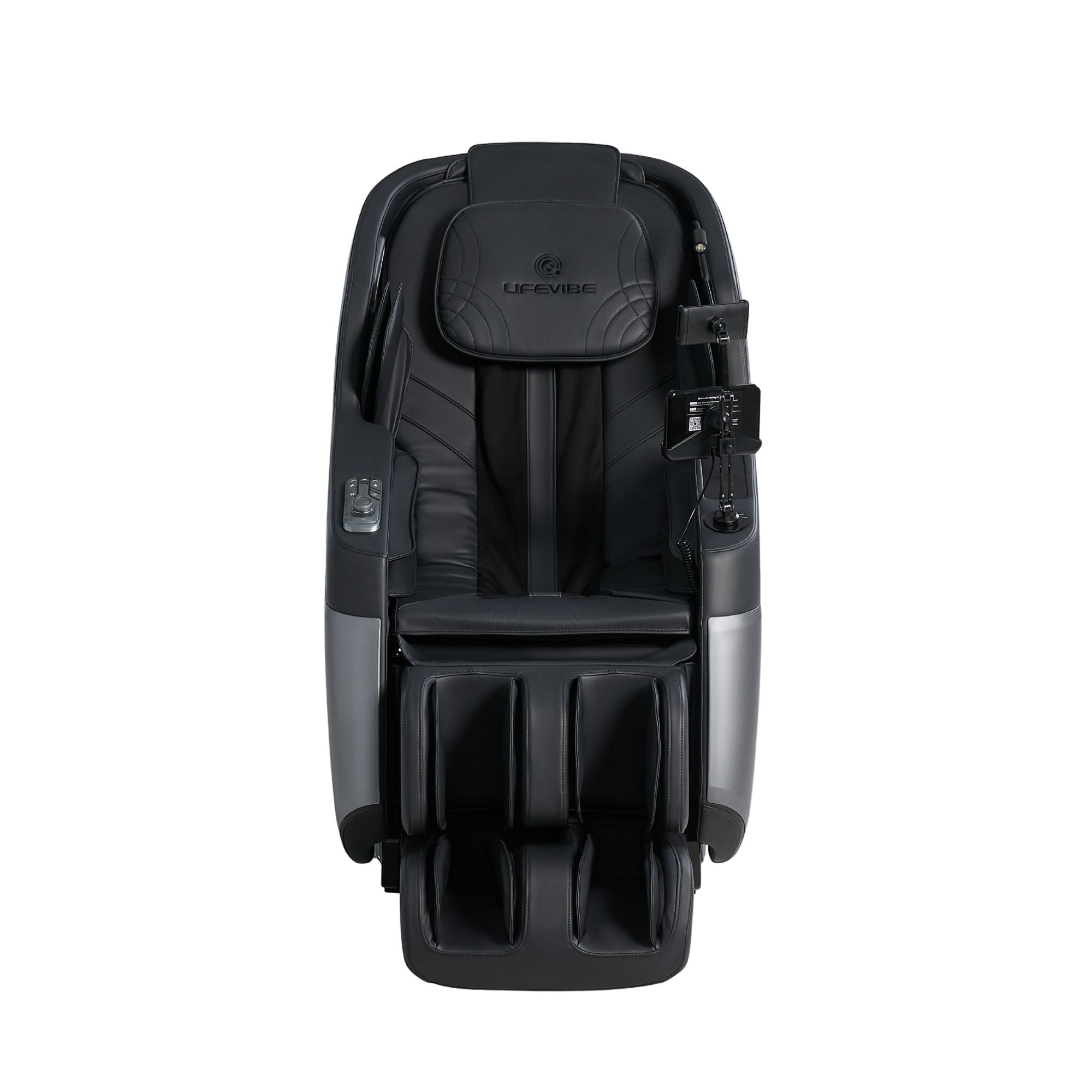
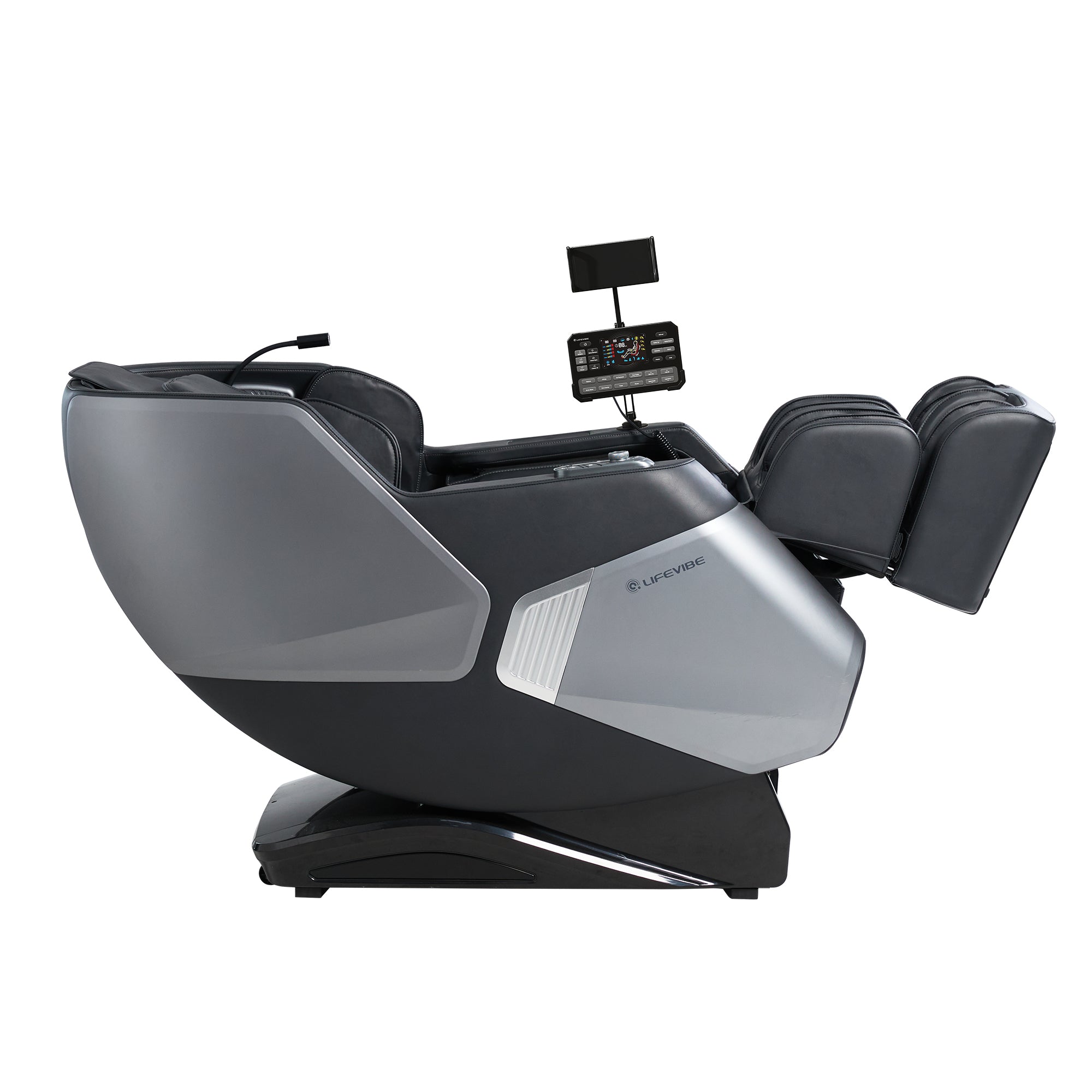
Lifevibe use mechanical pressure massage and sonic wave mechanism
Why vibroacoustic relaxation feels different from massage
Traditional massage works through pressure. Vibroacoustic systems work through frequency. That difference matters.
Pressure-based massage targets muscle fibers directly. Vibroacoustic stimulation spreads energy through tissue in a more distributed pattern. Instead of a single point being pressed, multiple layers of the body respond at once. This is why users often describe vibroacoustic as feeling “deeper but lighter.” There’s no intense pushing sensation, yet the body still feels like it’s releasing tension.
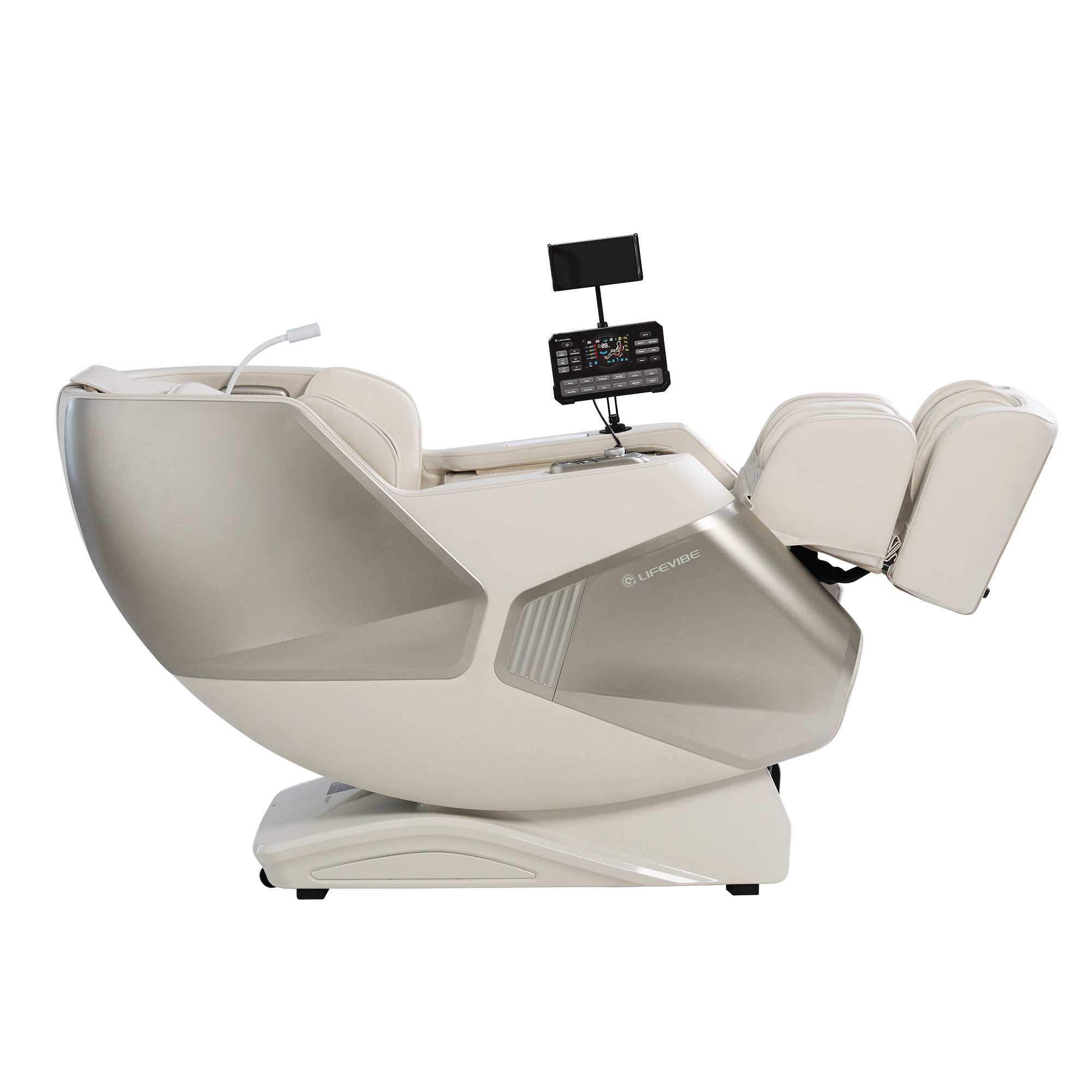
In systems like the VAT massage chair, this is achieved by combining mechanical rollers with low-frequency sonic vibration. The rollers provide structure. The vibration provides resonance. Together, they create a layered experience — one external, one internal.

On the left is pure pressure-based massage, while on the right, pressure-based massage is combined with sonic vibration.
What research suggests about low-frequency vibration
Scientific interest in vibroacoustic therapy started decades ago, with early work by Scandinavian researchers exploring how low-frequency sound affects relaxation and stress states. Since then, studies have expanded into physiology, rehabilitation, and sensory processing.
One area of focus is how vibration influences muscle activity and autonomic nervous system balance. Some studies suggest that rhythmic low-frequency stimulation can help shift the body toward a calmer physiological state, often associated with reduced sympathetic activity.
Another research direction looks at mechanical vibration and tissue response, including how fibroblasts and connective tissue behave under controlled stimulation. While still experimental, it supports the idea that the body is sensitive to mechanical frequency input beyond simple touch.
What ties these findings together is not a single medical claim, but a pattern: rhythm and frequency influence how the body perceives stress and relaxation.
Inside a vibroacoustic therapy chair experience
A vibroacoustic therapy chair is not just a massage device with added sound. It’s built around synchronized systems that work together. In Lifevibe systems, for example, SonicWave™ technology combines upper mechanical rollers with lower sonic vibration modules. The rollers shape physical pressure along the spine. The vibration layers travel deeper, through tissue and connective structures.

Then comes synchronization — where sound, motion, and rhythm align. This is where the experience changes. Instead of separate sensations (massage + sound), the body receives one unified pattern. That unified pattern is what many users describe as more immersive and easier to “drop into.”
Different frequencies, different states
Vibroacoustic systems often use different frequency ranges to guide different experiences.
Lower frequencies tend to feel slower and heavier, often associated with deep relaxation. Mid-range frequencies feel more balanced and steady, while higher ranges can feel more activating and alerting.
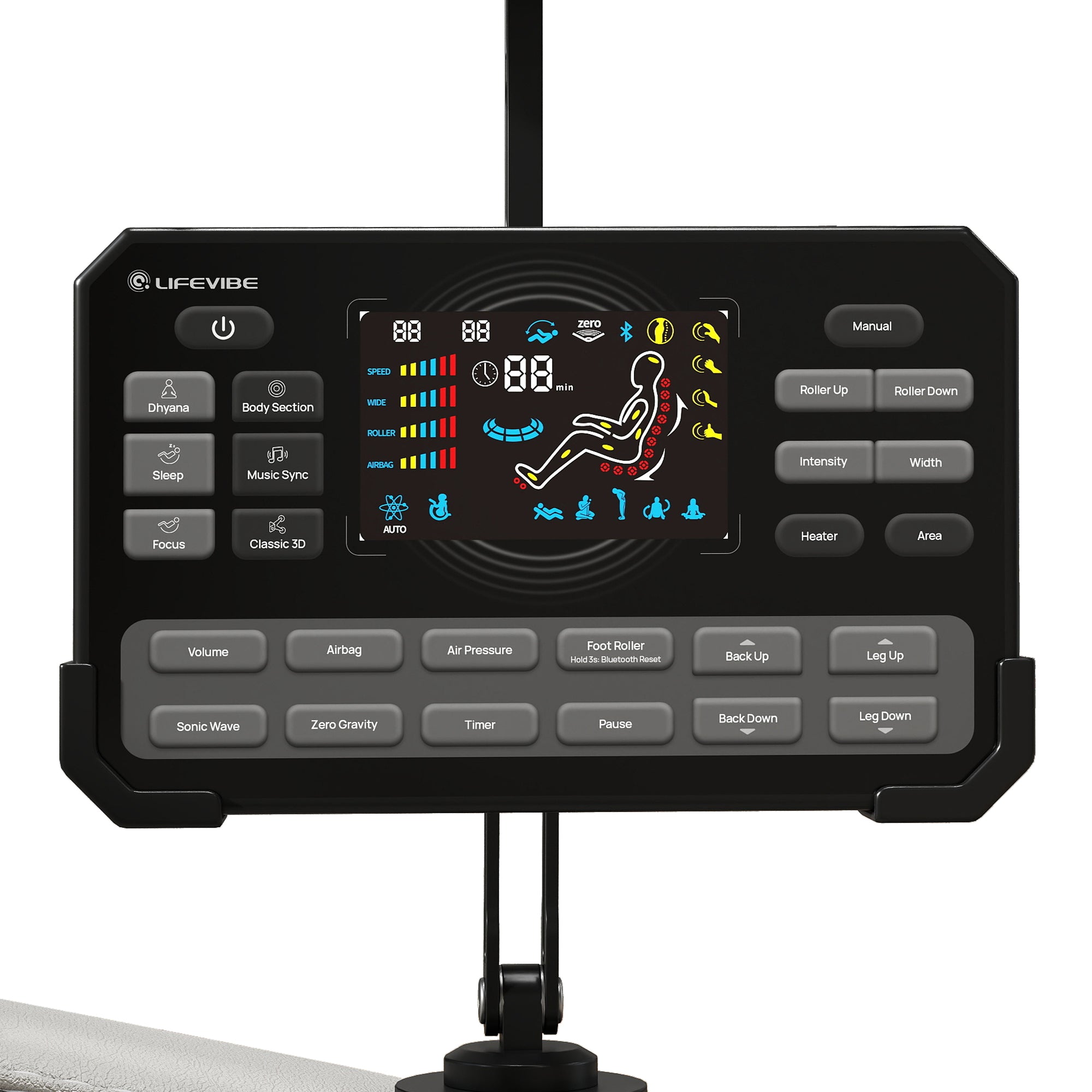
Clinical vibroacoustic research has explored these ranges in relation to relaxation response and perceived stress reduction. In practical use, this is why vibroacoustic massage chairs often include modes like sleep, focus or meditation. Each mode is essentially a different frequency pattern designed to guide the nervous system into a different state.
Why sleep and mental clarity are often mentioned
One of the most common observations from vibroacoustic users is improved ability to unwind before sleep or reset after mental fatigue.
This likely relates to how rhythmic sensory input interacts with the autonomic nervous system. Slow, consistent vibration tends to support parasympathetic activation — the body’s natural “rest and recovery” mode — while structured patterns may help maintain alertness without overstimulation.
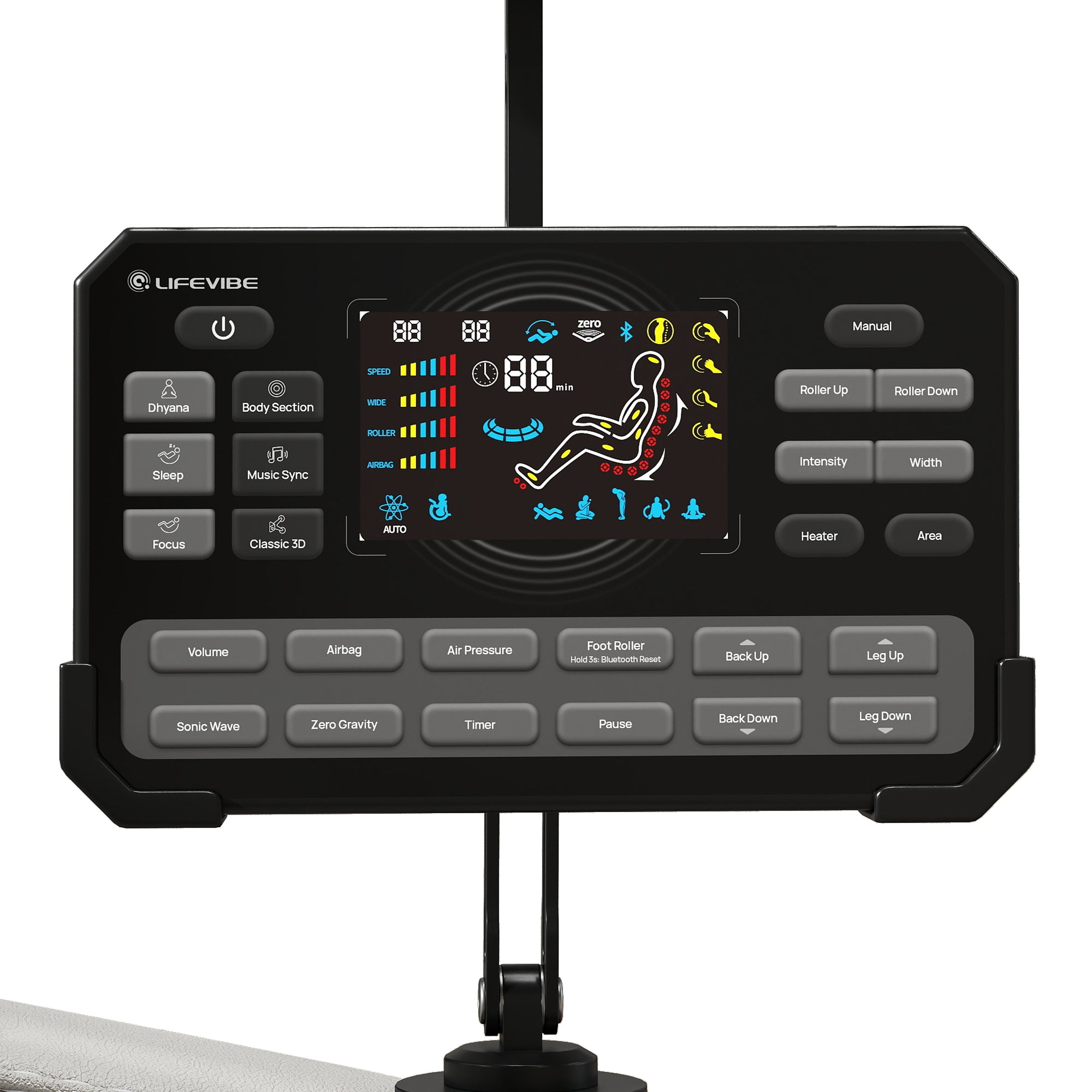
Lifevibe VAT Massage Chair Sleep Mode
Sleep-focused programs in VAT massage chairs typically reduce intensity and slow down rhythm patterns, while focus-oriented programs increase frequency complexity slightly to maintain cognitive engagement.
While research is still evolving, sensory modulation studies support the idea that rhythmic stimulation can influence perceived stress and relaxation states.
Lifevibe VAT Massage Chair Focus Mode
From clinical research to home wellness moments
What’s changed in recent years is accessibility. Vibroacoustic therapy used to be mostly discussed in clinical or research environments. Now it’s entering home wellness products, especially high-end massage systems that integrate sound, vibration and ergonomics. This shift is part of a broader trend in wellness tech — where people are less interested in isolated “quick fixes” and more interested in daily recovery systems built into their lifestyle.
During Amazon Prime Day, for example, vibroacoustic therapy chairs often get attention not just as furniture, but as long-term wellness tools — something that supports rest after work, workouts, or long screen time.
Brands like Lifevibe position these systems around that idea: not just relaxation in the moment, but repeated exposure to structured rhythmic recovery at home. Relaxation doesn’t always need silence. Sometimes it needs structure, rhythm, and a signal the body can follow.
Vibroacoustic relaxation is built on that idea — that sound isn’t only something you hear, but something your body can learn from.


Share:
Why Sound Vibration Feels More Relaxing Than Intense Massage
2026 FIFA World Cup: Vibroacoustic Massage Chairs in Sports Science Recovery