

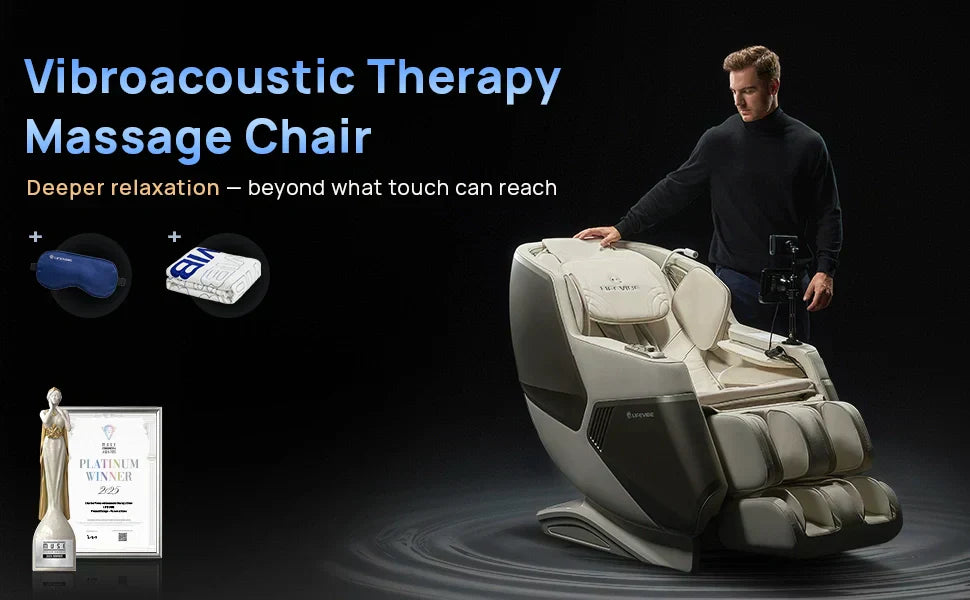
Every Amazon Prime Day, thousands of people start comparing massage chairs. Most shoppers look at familiar features first: stronger rollers, deeper kneading, more airbags, and more massage programs. It's easy to assume that the chair offering the most intense massage must also provide the best relaxation.
But after using a massage chair for a while, many people discover something unexpected. The strongest massage isn't always the most relaxing one.
That's one reason sound vibration technology has started attracting attention in the wellness world. Instead of focusing entirely on pressure and muscle manipulation, some modern massage chairs combine traditional massage with low-frequency sound vibration to create a calmer and more immersive experience.
Lifevibe is one of the brands exploring this approach. Its massage systems combine physical massage with sound-based vibration designed to help users feel relaxed not only in their muscles, but throughout their entire body.
The difference may sound subtle, but once you experience it, it feels very different from a traditional massage.
Why More Pressure Doesn't Always Feel Better
Many of us grew up thinking that a massage should be strong enough to "work out the knots." If it hurts a little, it must be doing something useful. That's the mindset that helped deep tissue massage become so popular.
The problem is that relaxation and muscle treatment aren't exactly the same thing.
Imagine you've spent ten hours working at a computer. Your shoulders are tight, your neck feels stiff, and your brain is overloaded from emails, meetings, and notifications. In that situation, your muscles aren't the only thing under stress. Your nervous system is carrying a lot of tension as well.
When an extremely aggressive massage starts digging into sore muscles, the body sometimes responds by tensing up even more. Instead of letting go, it prepares itself for the pressure. That's why some people finish a deep massage feeling sore or exhausted rather than refreshed.
Relaxation often happens when the body feels safe and comfortable enough to stop resisting. In many cases, gentler stimulation can encourage that response more effectively than intense pressure.

Your Nervous System Plays a Bigger Role Than You Think
Most conversations about massage focus on muscles, but the nervous system has a huge influence on how relaxed we actually feel.
When stress builds up, the body stays in a more alert state. Heart rate can increase, breathing may become shallower, and muscles remain slightly tense even when we're sitting still.
Researchers have spent years studying the relationship between sound, vibration and relaxation. According to the Vibroacoustic Therapy Global Network, low-frequency sound vibration has been investigated for its potential effects on stress reduction, relaxation, emotional well-being, and comfort.
Research available through the U.S. National Library of Medicine has also examined how vibroacoustic stimulation may support relaxation and improve subjective feelings of wellness.
What's interesting is that sound vibration doesn't rely on force. Instead of pushing into muscles, it introduces rhythmic frequencies that travel through the body in a much gentler way. Many users describe the sensation as calming from the inside out rather than simply loosening a particular muscle group.
Why Rhythm Feels Naturally Comforting
Think about some of the most relaxing experiences in everyday life.
Listening to rain while falling asleep.
Sitting near the ocean and hearing waves roll onto the shore.
Taking slow breaths during a quiet moment.
These experiences don't relax us because they're powerful. They relax us because they're rhythmic.
Humans naturally respond to steady, predictable patterns. Research discussed by Harvard Health Publishing has highlighted how rhythmic activities and controlled breathing can help activate the body's relaxation response.
Sound vibration taps into a similar principle. Instead of creating sharp, localized sensations, low-frequency vibrations create a steady rhythm that the body can settle into. The experience feels less like something attacking tension and more like something gradually dissolving it.
For many people, that difference is immediately noticeable.

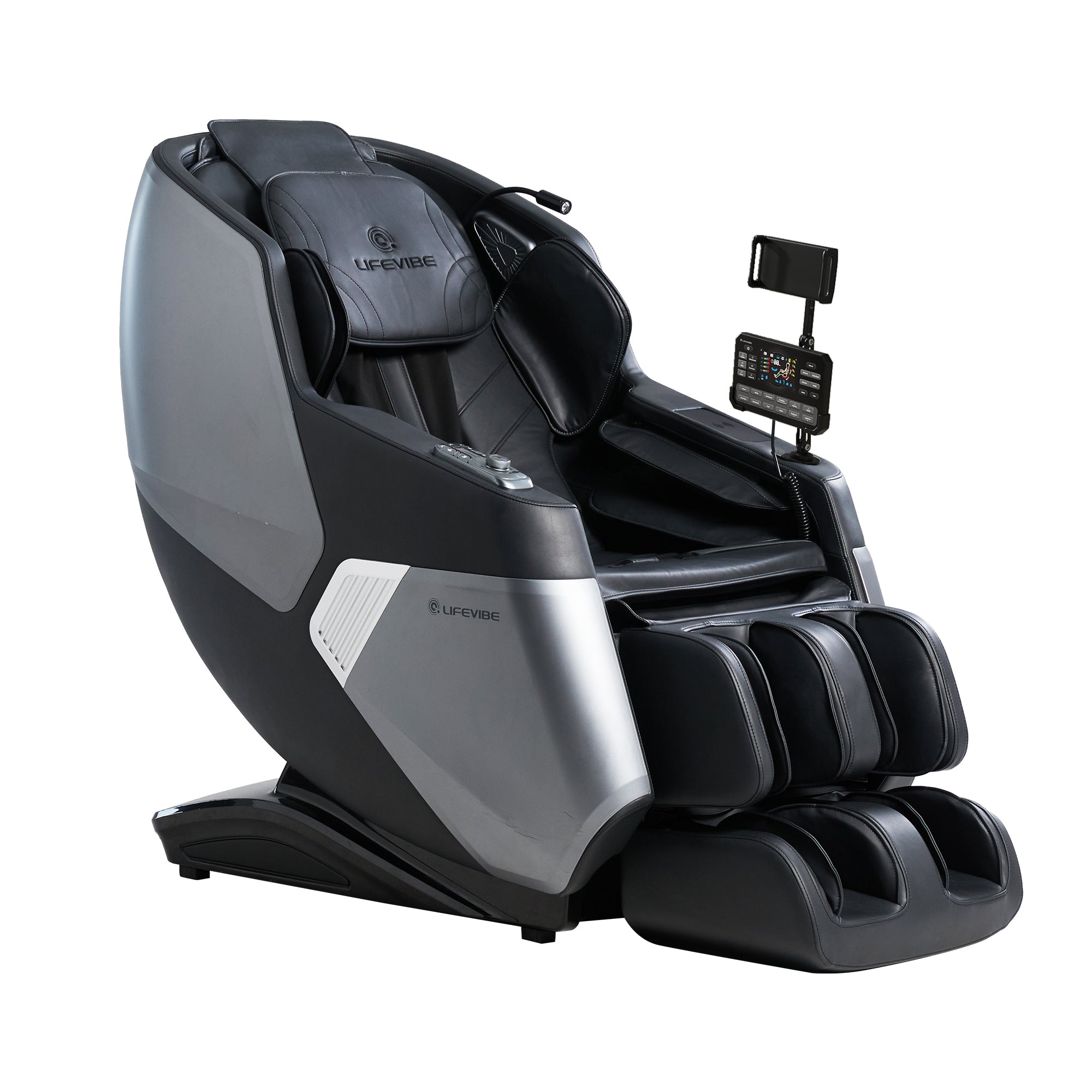
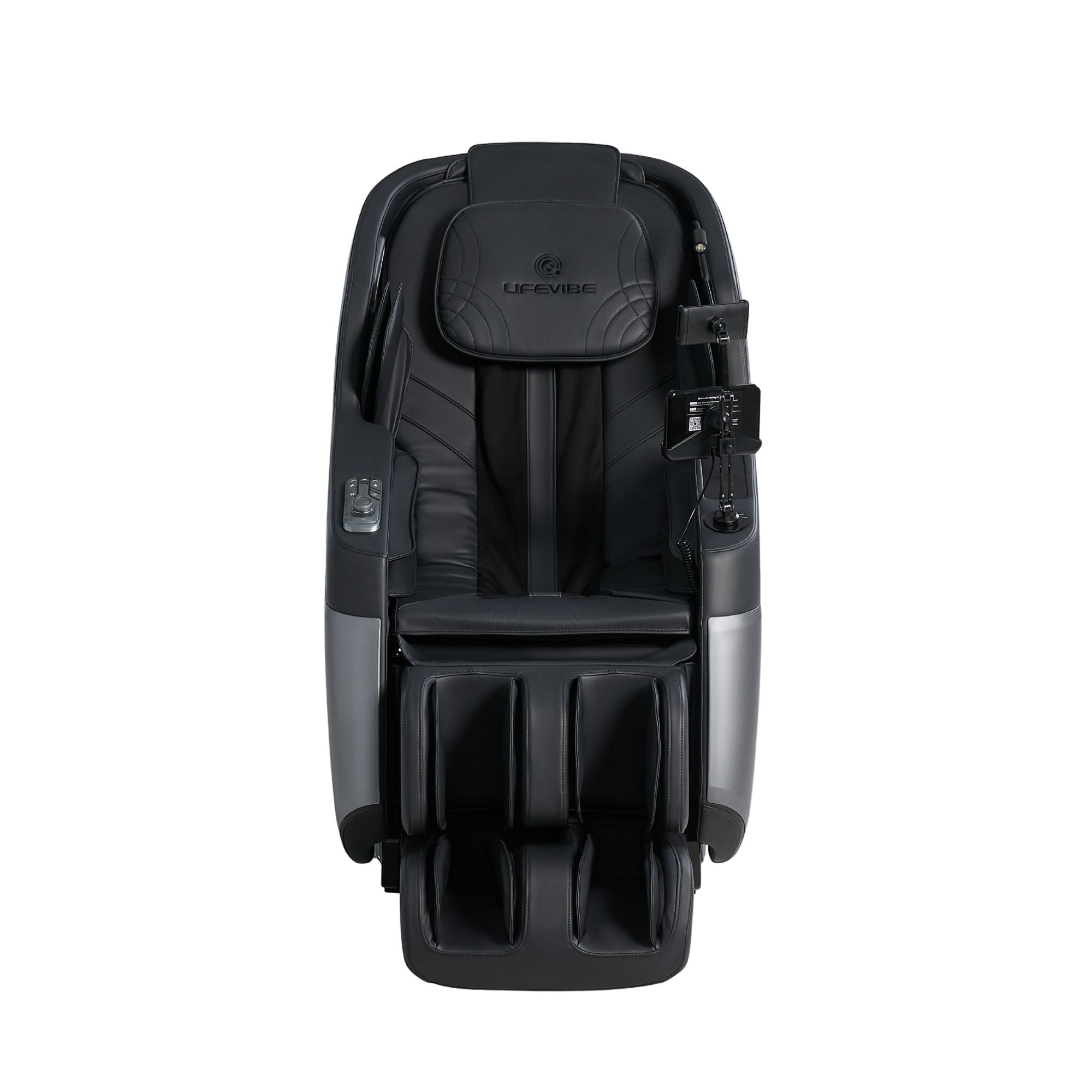
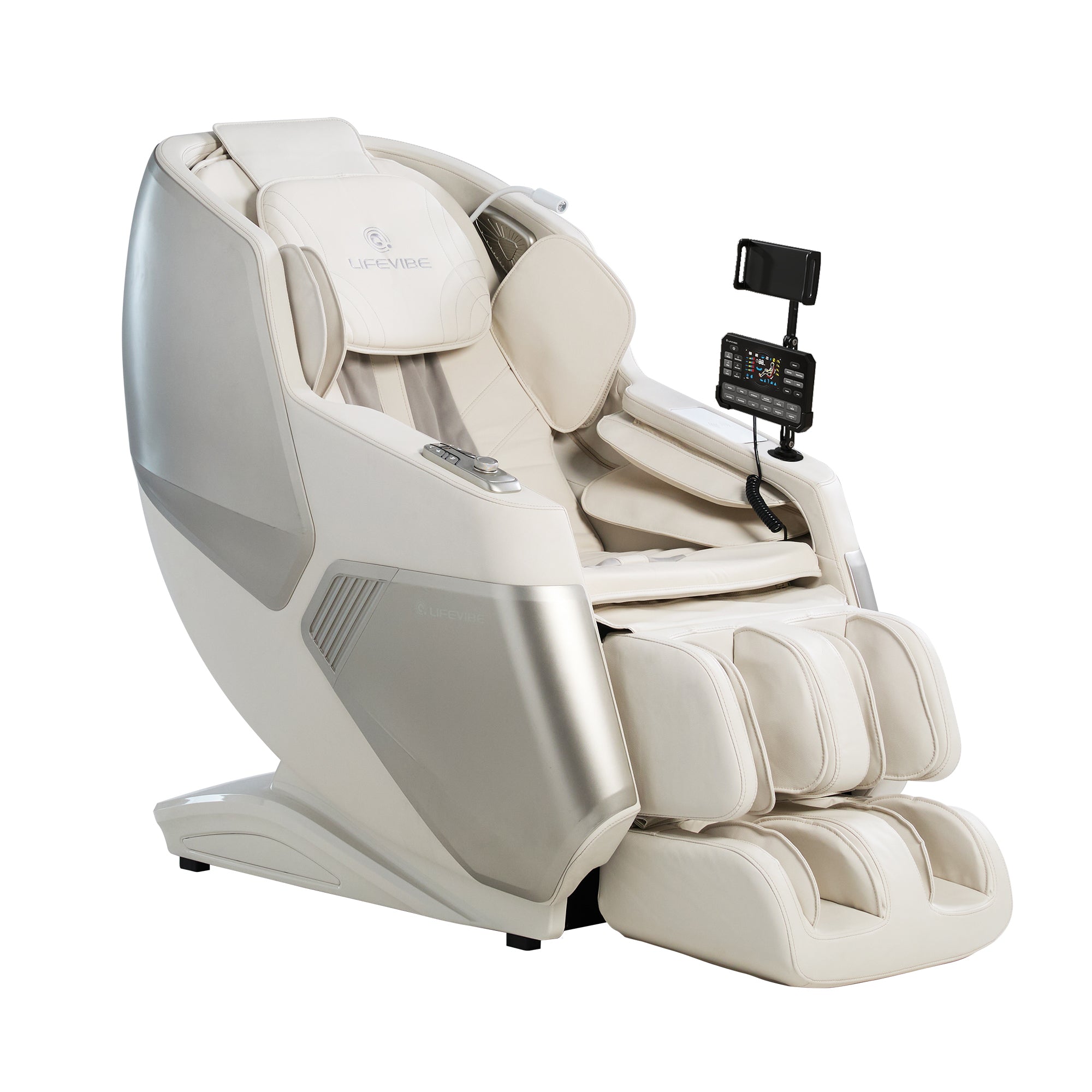
Lifevibe VAT massage chair with SonicWave massage mechanism
Sound Vibration Feels Different From Traditional Vibration
People often hear the word "vibration" and assume it's the same thing found in massage guns or older massage chairs. In reality, the experience can be quite different.
Traditional vibration motors typically create a surface-level shaking sensation. You feel the movement directly where the motor is located, and the sensation tends to stay concentrated in that area.
Low-frequency sound vibration creates a broader feeling. Instead of producing a sharp buzzing effect, it generates gentle waves that seem to move through larger portions of the body.
This is why many users describe sound vibration as immersive.
Rather than feeling a specific point of contact, they experience a sense of resonance that spreads throughout the chair and through their body. The result often feels smoother, softer, and less mechanical than conventional vibration systems.

Massage guns deliver deep percussive vibrations to target muscle tissue, unlike vibroacoustic therapy.
Why It Can Be Especially Helpful Before Bed
Many people use their massage chairs in the evening. After work is finished and the house becomes quiet, it's a natural time to relax. This is where sound vibration often stands out.
A strong massage can sometimes leave muscles feeling stimulated. Deep kneading and aggressive rollers may be useful during the day, but some users find that intense physical sensations are not what they want right before sleep. Low-frequency sound vibration tends to create a calmer atmosphere.
The National Sleep Foundation regularly emphasizes the importance of reducing stimulation before bedtime and creating relaxing evening routines. Gentle sensory experiences can support that transition from a busy day to a restful night.
Many users report that sound vibration feels less like a workout for their muscles and more like a signal that it's time to unwind.
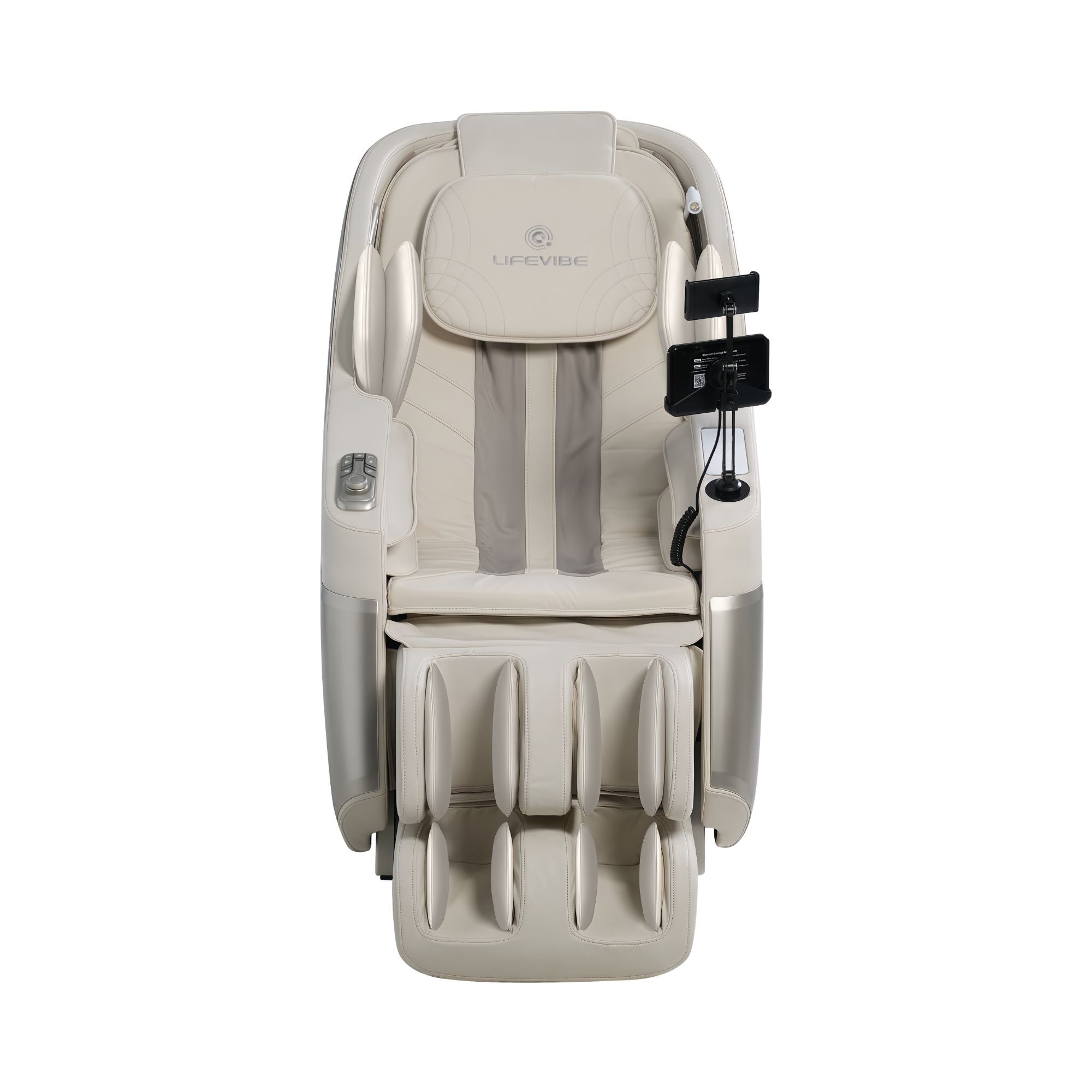
Lifevibe VAT massage chair helps you fall asleep easily.
How Lifevibe Combines Massage and Sound
What makes Lifevibe interesting is that it doesn't replace traditional massage with sound vibration. Instead, it combines the two approaches.
The physical massage mechanism still provides kneading, rolling, and pressure to address muscle tension. At the same time, sound vibration adds another layer to the experience by introducing rhythmic low-frequency stimulation.
Rather than choosing between physical relief and relaxation, users can experience both at once. This combination reflects a broader shift happening across the wellness industry. People are becoming more interested in how they feel during a recovery session, not just how much pressure is being applied. The goal is no longer simply to massage harder. It's to create a more complete relaxation experience.

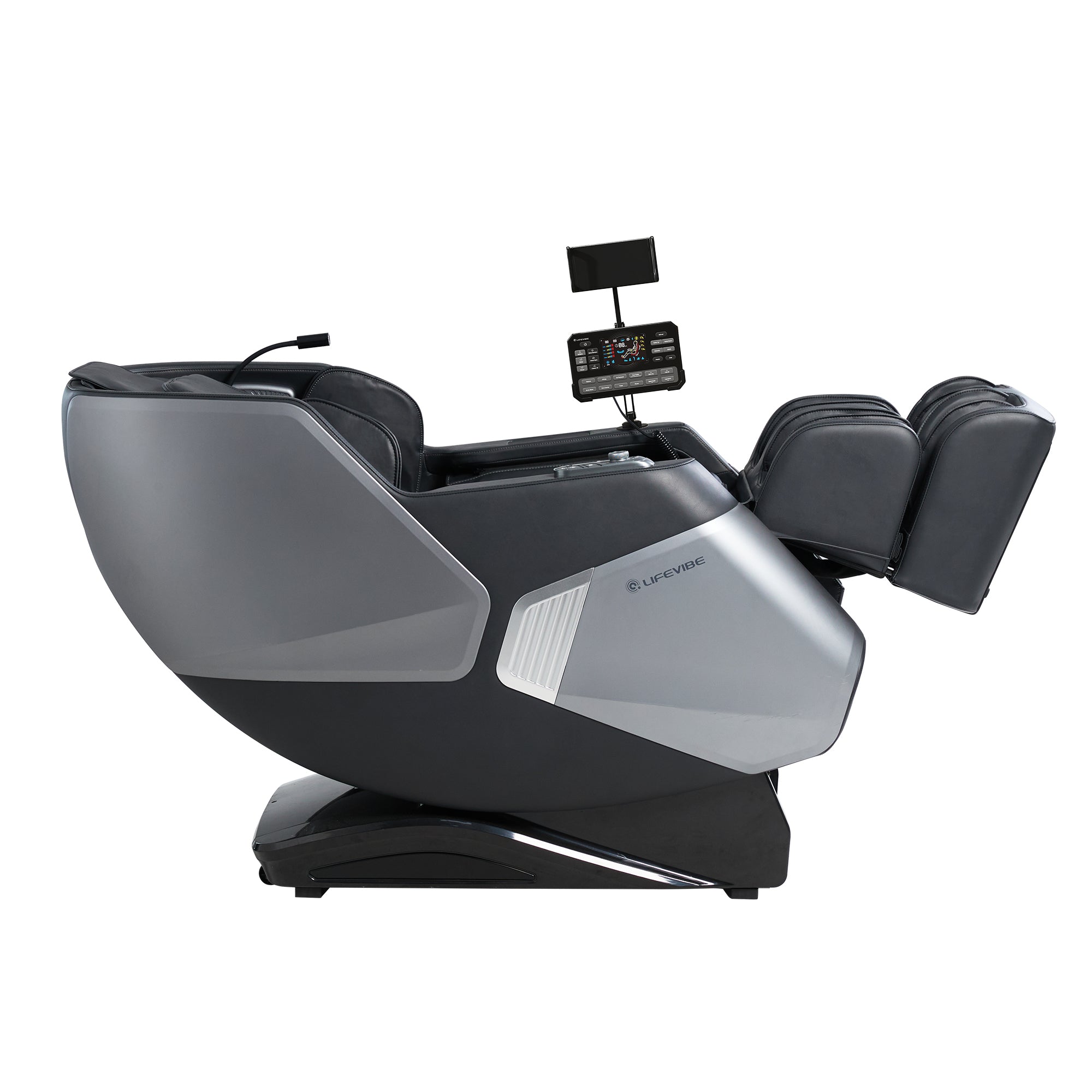
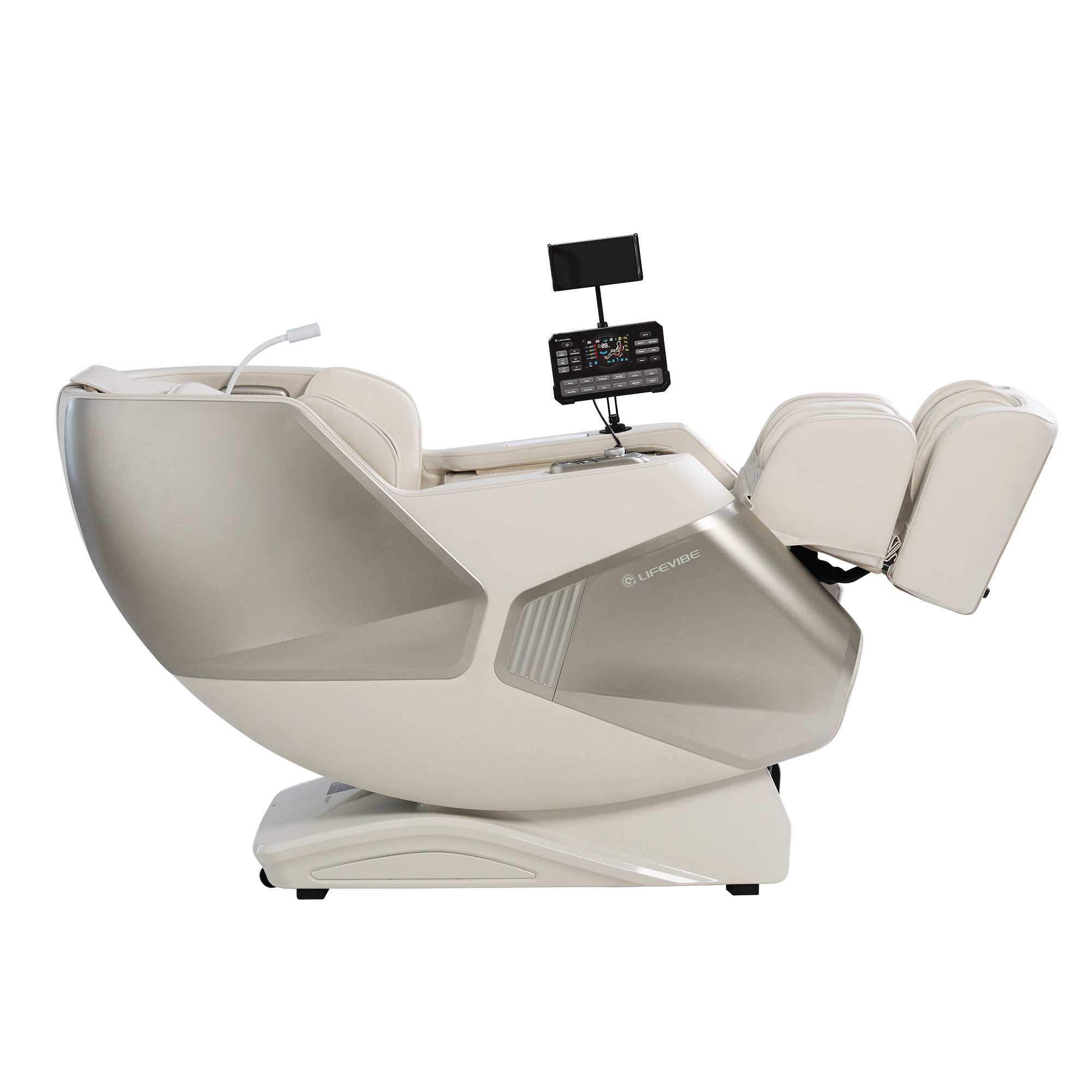
3D massage with sonic vibration in one massage chair
Shopping During Amazon Prime Day? Look Beyond Roller Strength
Amazon Prime Day is one of the most popular times of year to buy a massage chair because discounts can be substantial. While it's tempting to compare specifications and choose the model with the strongest massage mechanism, that doesn't always tell the full story. The most important question is how you want to feel after using the chair.
If your goal is intense muscle work, roller strength may be your top priority. But if you're looking for a way to unwind after stressful days, improve your evening routine, or create a calming space at home, technologies that support relaxation deserve just as much attention.
Features such as sound vibration, relaxation-focused programs, zero-gravity positioning, and immersive audio experiences can make a noticeable difference in how often you actually use the chair.
After all, the best massage chair isn't necessarily the one that feels strongest for ten minutes in a showroom. It's the one you'll enjoy using week after week.

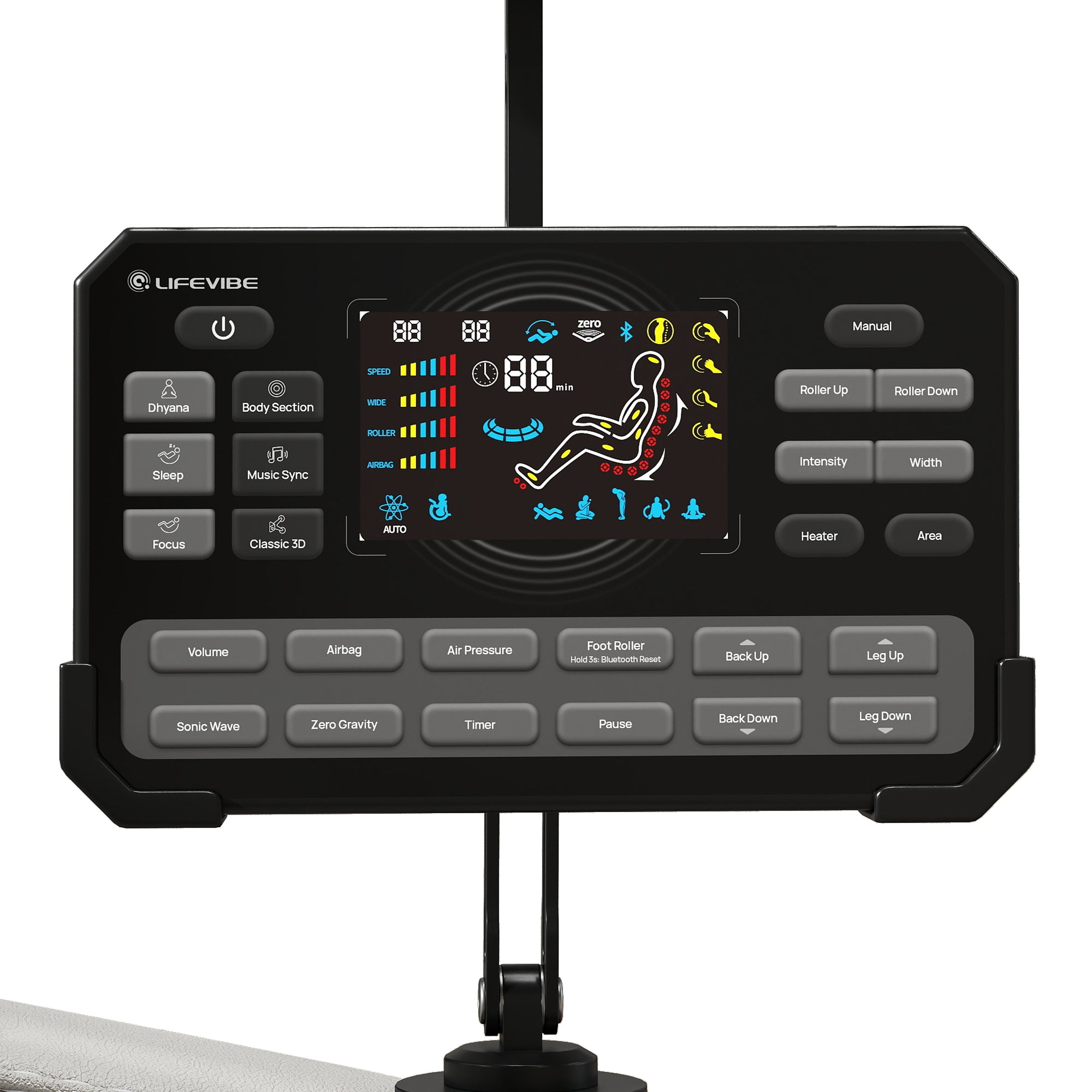
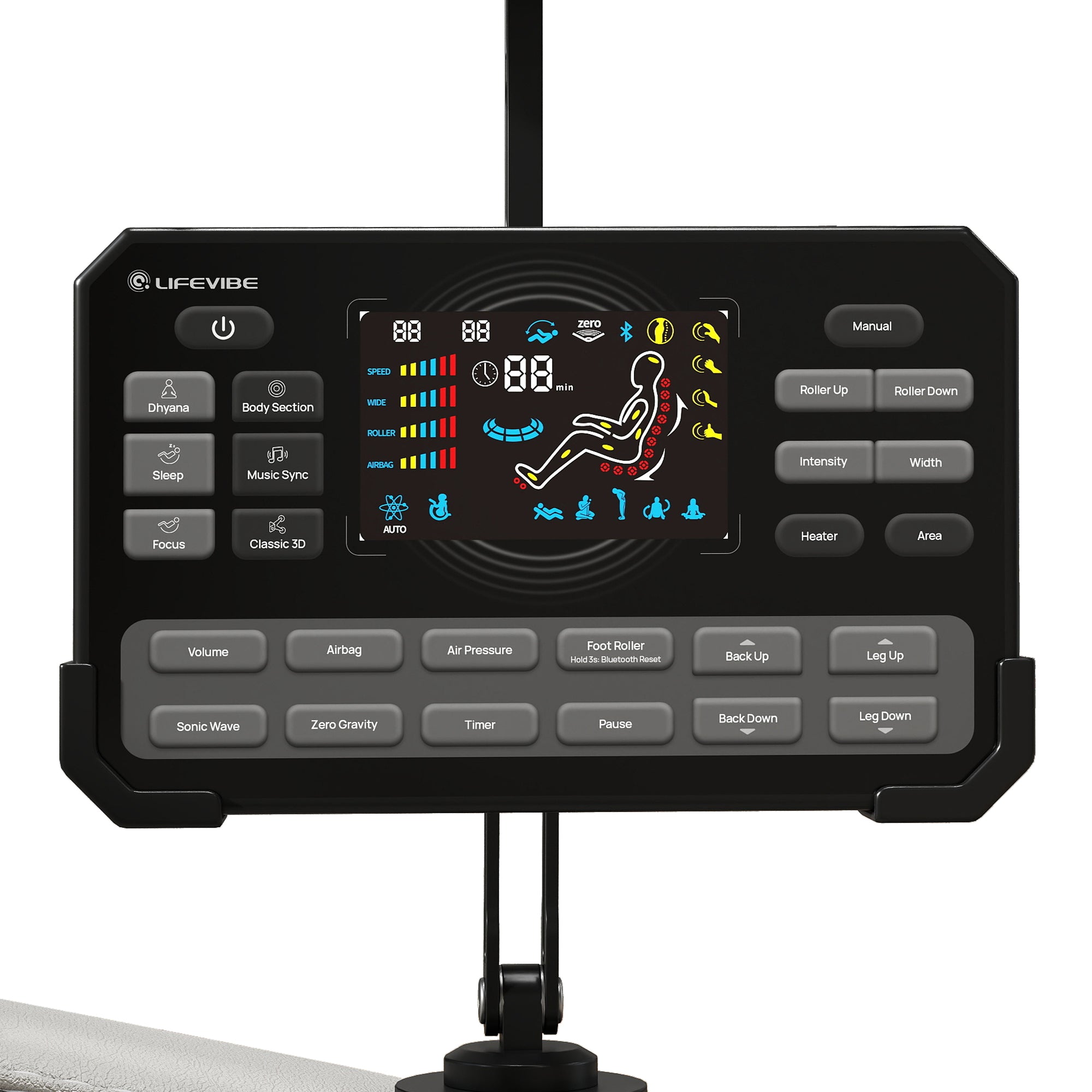
In Music Sync Mode, your music becomes full-body vibration—turning sound into a truly immersive physical experience.
A Different Way to Think About Relaxation
For years, the wellness industry focused heavily on intensity. Stronger rollers, deeper pressure, and more aggressive massage techniques were often presented as the gold standard.
Today, many people are discovering another path. Sometimes relaxation isn't about pushing harder against tension. Sometimes it's about creating an environment where tension naturally fades away.
That's why sound vibration continues to gain attention. It works alongside traditional massage rather than competing with it, offering a gentler and more immersive experience that speaks to the nervous system as much as the muscles.
As more shoppers explore wellness products during Amazon Prime Day, technologies like those found in Lifevibe massage chairs are introducing people to a different kind of relaxation—one that feels less about force and more about rhythm, comfort and overall well-being.





Share:
Prime Meets Prime: The Most Immersive Massage Chair This Prime Day
The Science Behind Vibroacoustic Relaxation – A Prime Day Gift for Yourself