

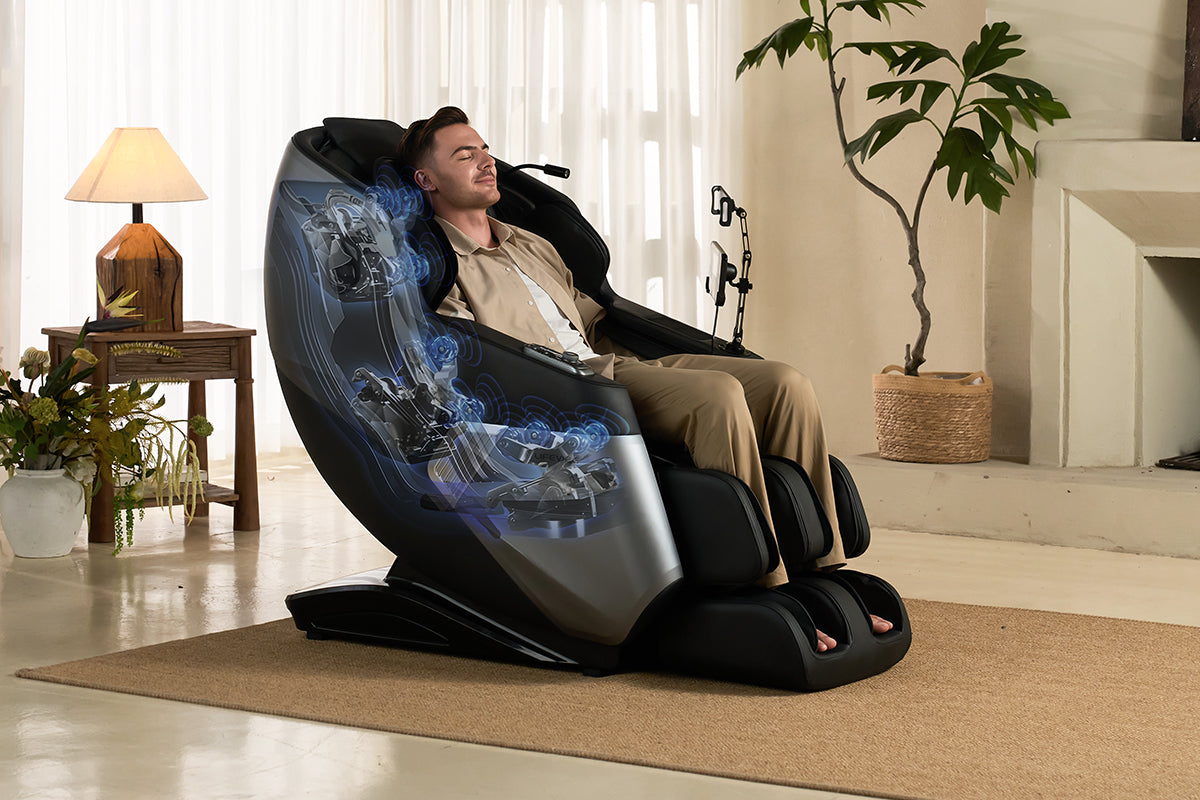
2026 FIFA World Cup is not only about football anymore. For fans, it’s also about how the body survives weeks of emotional highs, late-night matches, long hours sitting in front of screens, and constant excitement that doesn’t really pause between games. In that kind of rhythm, relaxation starts to feel less like luxury and more like recovery.
That’s where vibroacoustic systems like those developed by Lifevibe quietly enter the conversation.

Watching Football Feels Physical Now
Football fandom today is not passive. Even if you’re sitting on a sofa the whole time, your body reacts constantly—heart rate jumps during counterattacks, shoulders tighten during penalties, posture locks during long matches, and sleep cycles shift because of late-night fixtures.
By the end of a tournament like the 2026 FIFA World Cup, many fans feel physically drained even though they never stepped on the pitch. This is where environmental recovery tools become relevant—not to treat anything, but to support how the body handles long hours of stimulation.
Vibroacoustic Therapy and Why It Feels Different
Vibroacoustic Therapy (VAT) uses low-frequency sound waves, typically in the 30–120 Hz range, delivered through vibration systems that interact directly with the body. The idea has been explored in wellness and rehabilitation research for decades. Instead of only hearing sound, the body physically receives it. This changes the experience from “listening” to “feeling,” especially in muscle-rich areas like the back, neck, and legs.

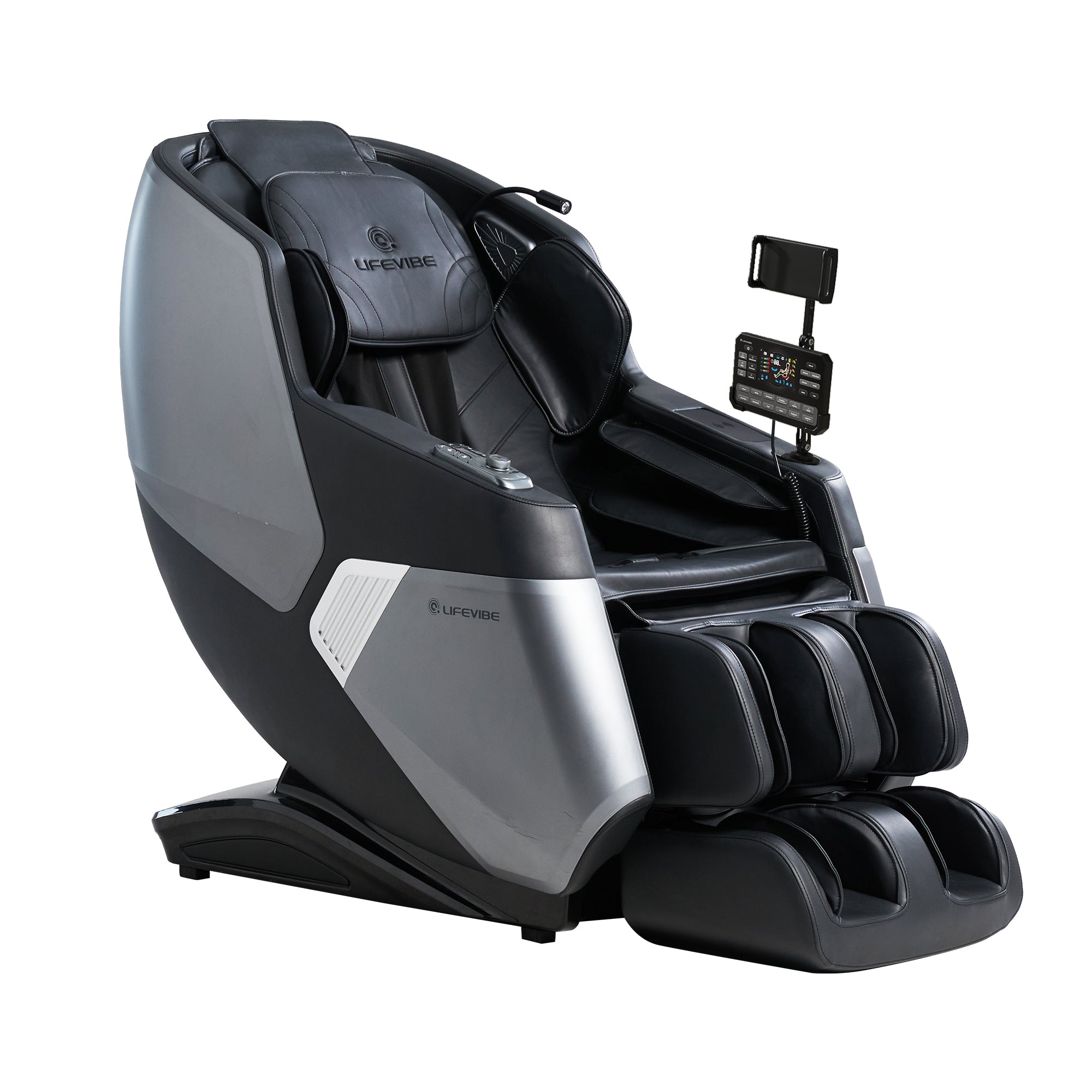
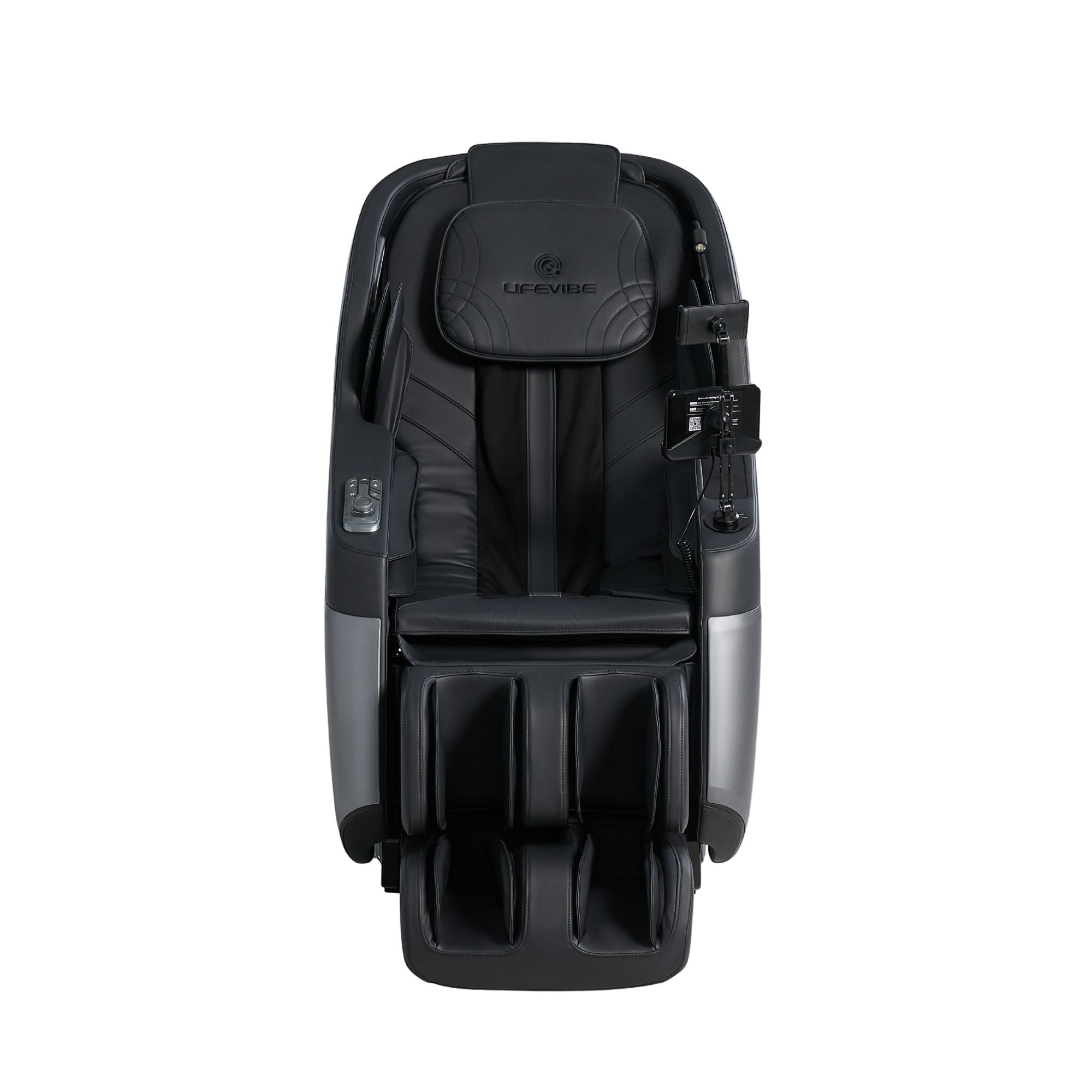
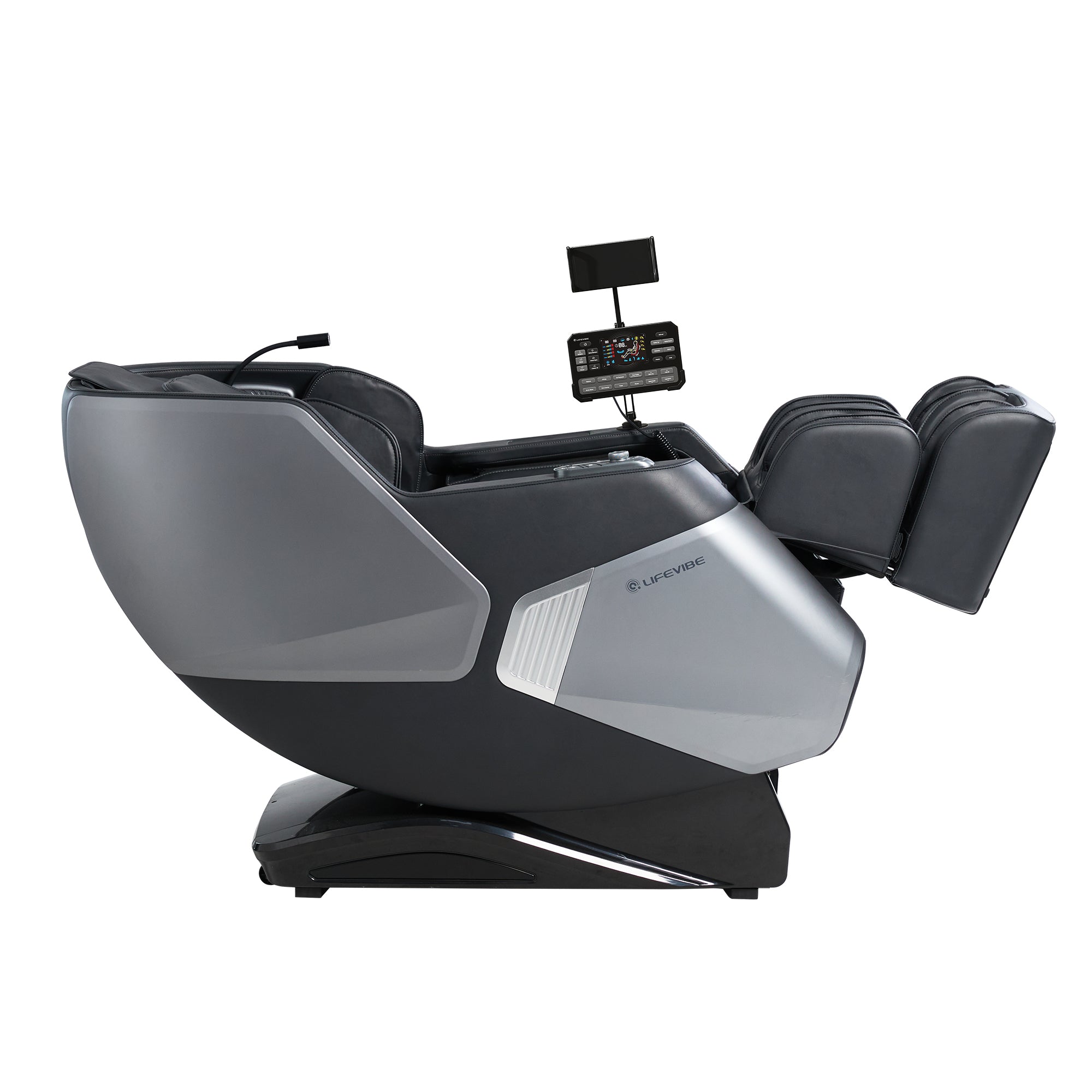
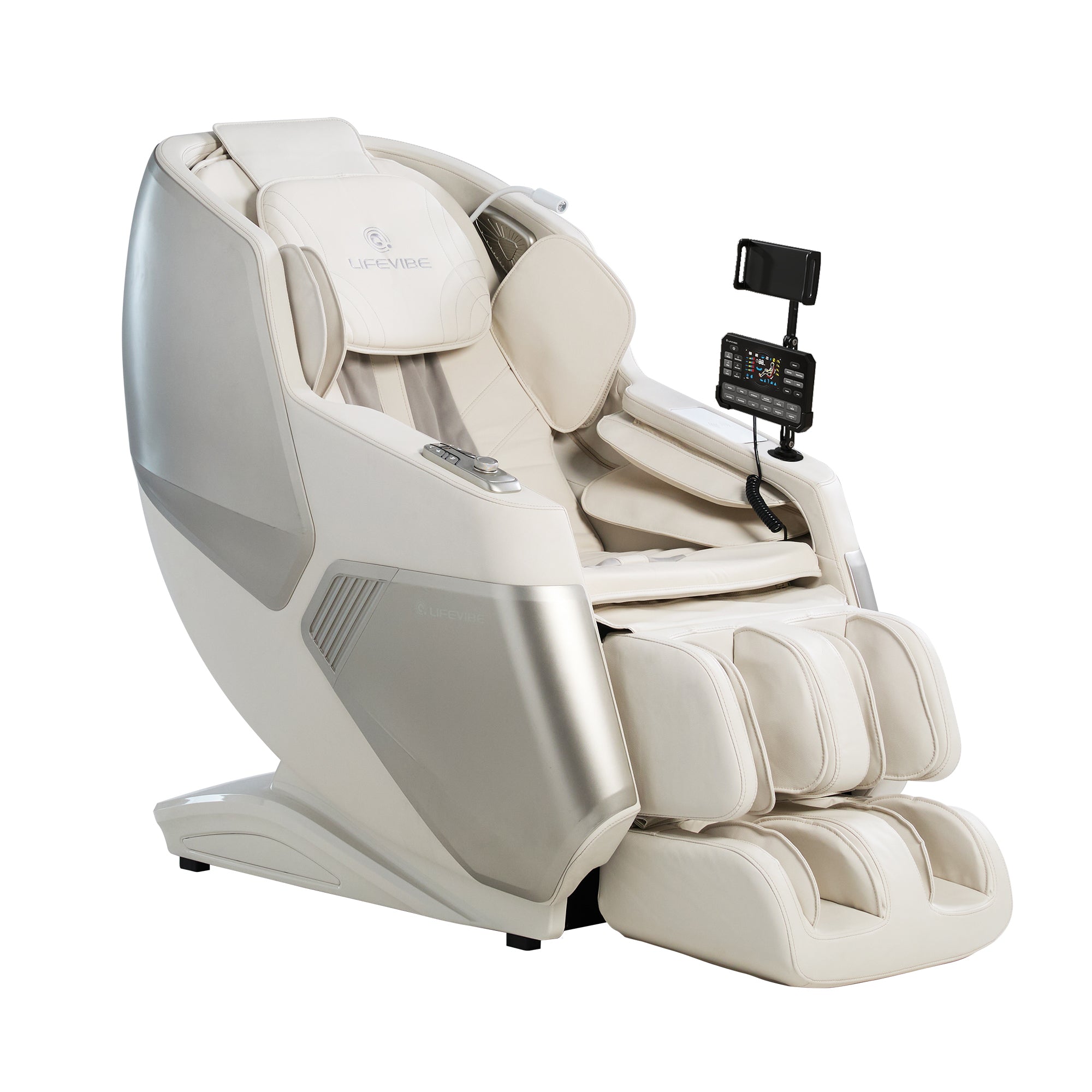
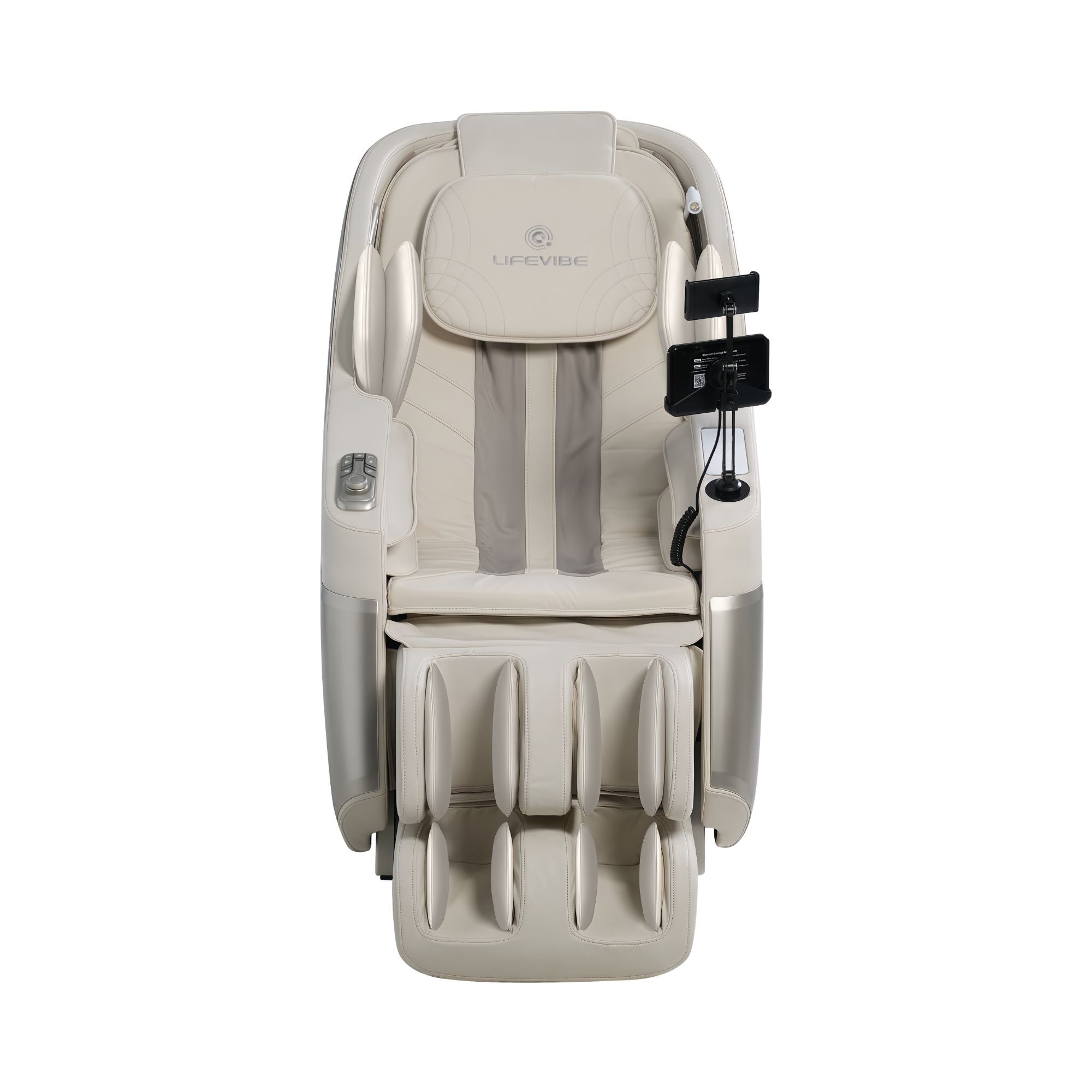
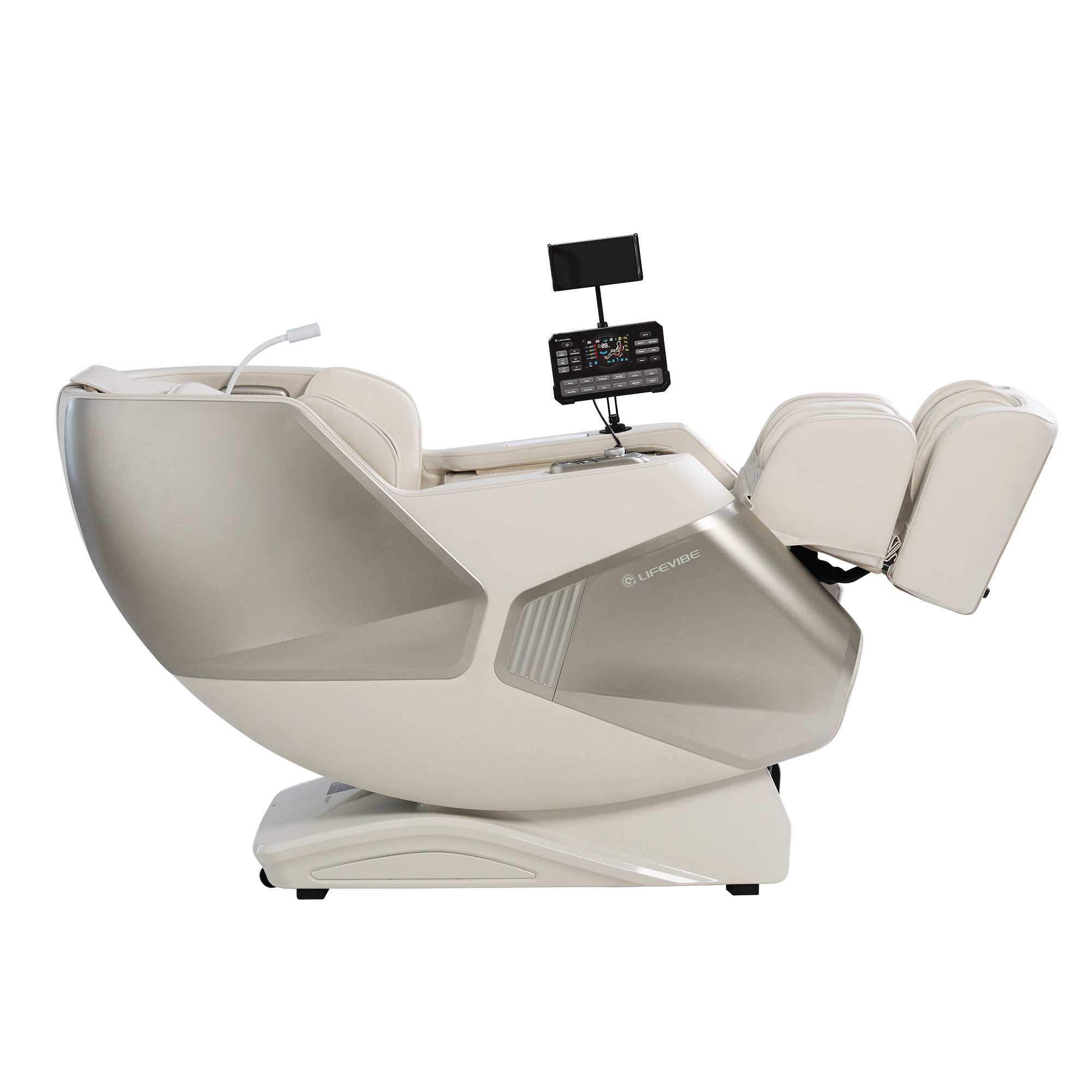
You can enjoy traditional massage and vibroacoustic therapy at the same time with Lifevibe VAT massage chair.
From Clinical Concept to Living Room Experience
Traditionally, vibroacoustic systems were used in controlled wellness or clinical environments. What changes now is accessibility. With systems like Lifevibe’s SonicWave™ and SonicSync™ technologies in Lifevibe VAT massage chairs, vibroacoustic principles are integrated into everyday furniture-level devices designed for home use, especially during long entertainment sessions like sports events.
The difference is not just vibration strength, but how everything is synchronized. Sound, motion, and rhythm are no longer separate layers—they become one coordinated sensory flow.
Why This Matters During World Cup Nights
During a global event like the 2026 FIFA World Cup, fans don’t just watch matches. They sit through emotional swings that repeat for weeks. Even without physical activity, the nervous system stays active for long periods. Low-frequency vibration environments, such as those discussed in general vibration therapy research, are often associated with reduced muscle tension patterns and relaxation responses. For fans, the relevance is simple. It means the body can stay more comfortable even during long, emotionally intense viewing sessions.
When Entertainment Becomes Physical: Music Sync Mode
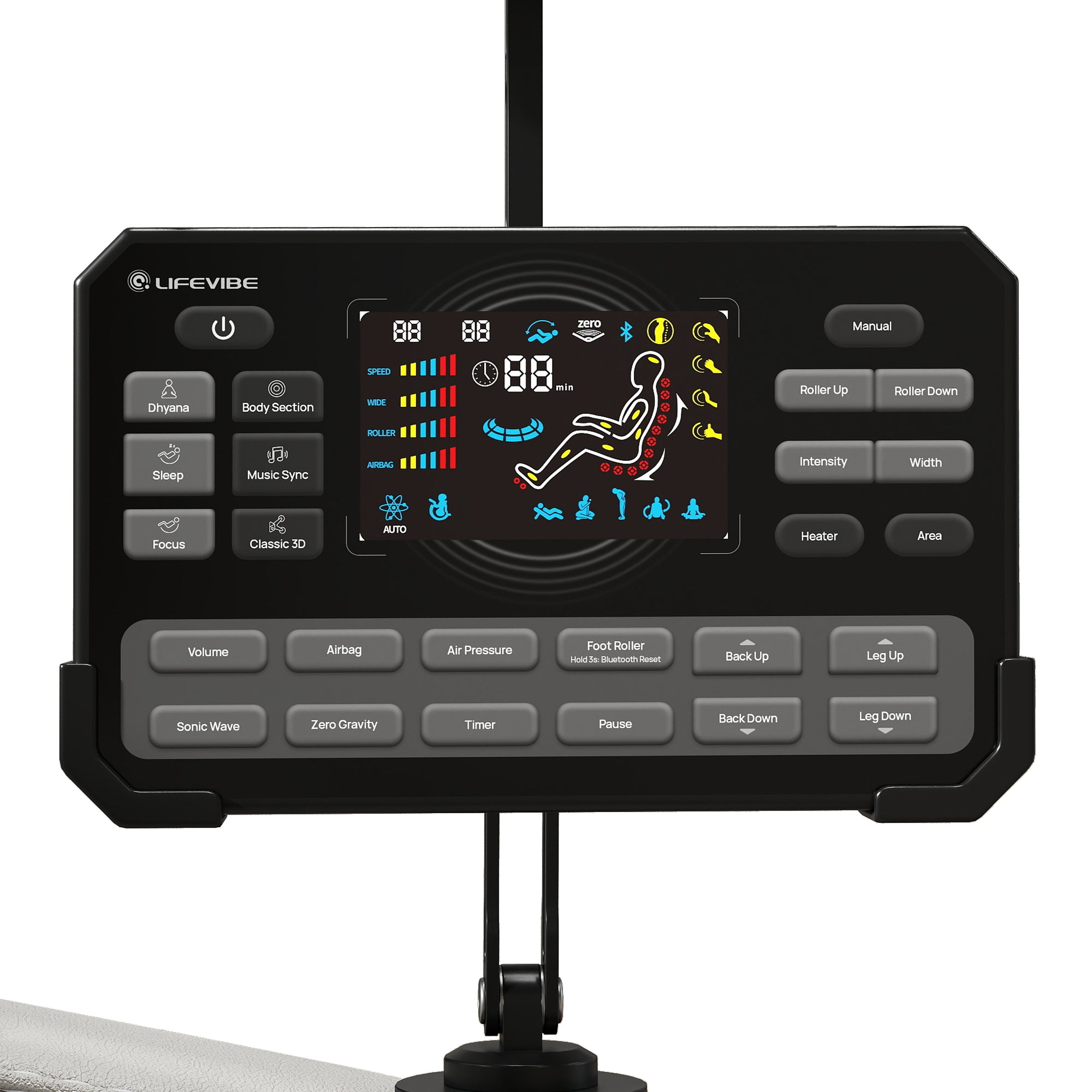
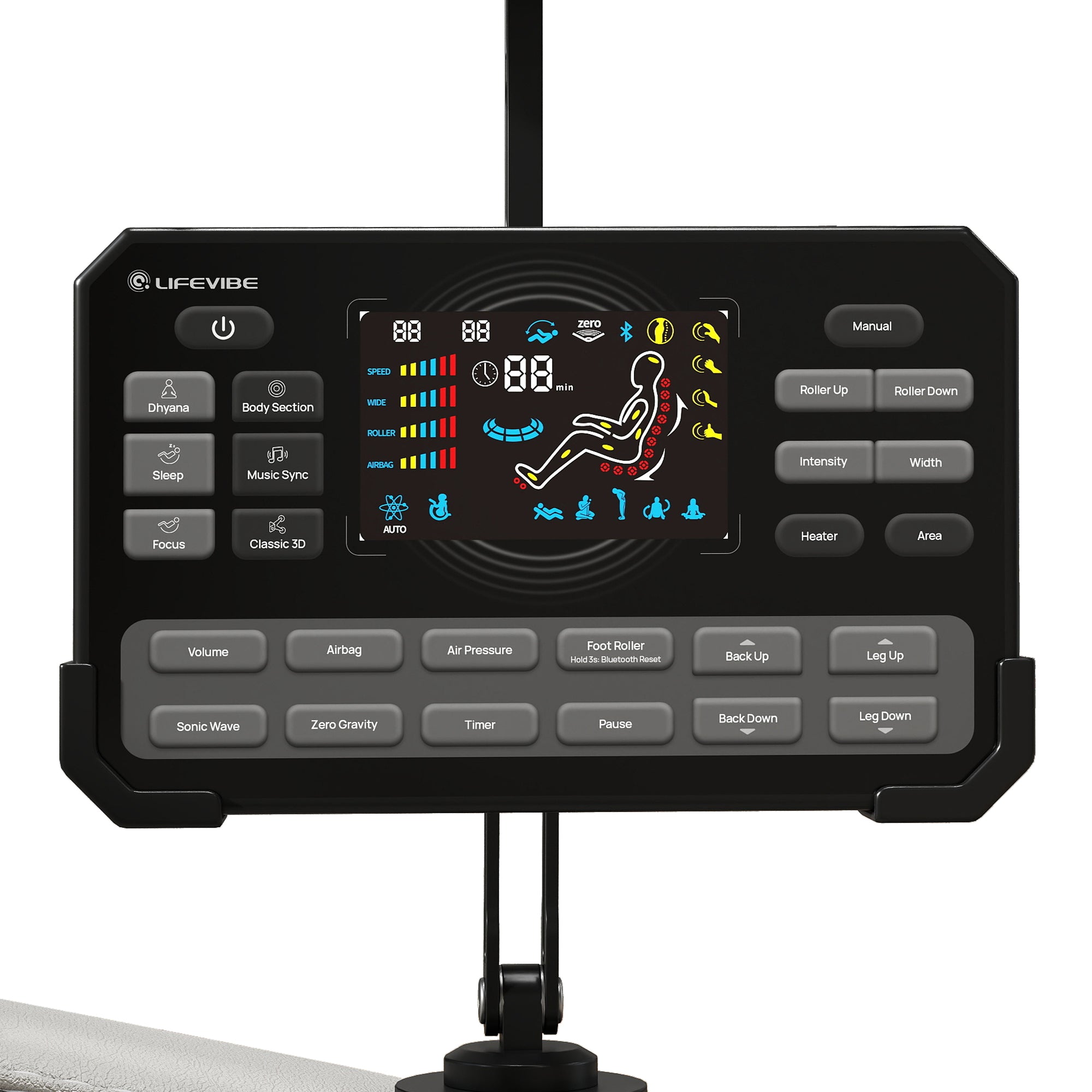
Among all features, Music Sync Mode is the one that changes how fans actually experience matches. In Lifevibe VAT massage chair systems, Music Sync Mode connects via Bluetooth to TVs, smartphones, or gaming devices. Once activated, the chair does something different—it doesn’t just play sound. It converts audio signals into real-time vibration patterns across the body.
That means during a football match: Crowd noise becomes rhythmic pulses through the back and seat area. Commentary excitement subtly shifts vibration intensity. Stadium atmosphere translates into continuous full-body rhythm changes. Instead of only hearing the match, your body physically follows it. This is especially relevant during the 2026 FIFA World Cup, where audio intensity is part of the emotional experience itself.
Music Sync Mode turns that sound environment into something you can physically feel without needing to move.
Music Sync Mode in Lifevibe vibroacoustic massage chair
How Different Modes Match Fan Behavior
Lifevibe systems are designed around how people actually behave during long viewing sessions. Focus Mode fits daytime moments when fans are working but mentally still thinking about upcoming matches. It uses more structured rhythm and clearer stimulation patterns to support alertness without adding strain.
Sleep Mode becomes relevant after late-night matches. It reduces stimulation intensity and helps the body gradually transition into rest after emotional excitement.
Sleep Mode in the Lifevibe VAT Massage Chair for Better Sleep After a 2026 FIFA World Cup Match
Dhyana Mode is slower and more minimal in rhythm, which suits moments when the mind is still replaying key match moments or penalties long after the game ends.
These modes reflect how sports events don’t stop when the match ends—the body keeps processing.
SonicWave™ and SonicSync™: Why the System Feels Unified
At the core of Lifevibe’s approach is SonicWave™ technology, which combines traditional 3D mechanical massage with low-frequency sonic vibration. Instead of relying only on pressure, it adds internal resonance through vibration.
SonicSync™ then aligns that vibration with sound and programmed motion patterns. This means the system doesn’t behave like separate features stacked together. It behaves like a single synchronized response system where sound, motion, and vibration follow the same rhythm. The result is not just comfort, but consistency in sensory experience.

When you are watching a 2026 FIFA World Cup match, the vibroacoustic massage chair converts audio signals into real-time vibration patterns across your body, creating a more immersive experience of the game.
Sports Science Perspective Without Overstatement
Vibration-based systems are widely studied in different contexts of physical relaxation and neuromuscular response. While most research focuses on clinical or athletic recovery, the underlying principle is simple: rhythmic mechanical stimulation interacts with the body’s sensory and muscular systems. A broad overview of vibration-related physiological studies can be found here: https://pubmed.ncbi.nlm.nih.gov/?term=vibration+therapy
Applied to fans, the interpretation is not medical. It is experiential. It means long sitting periods combined with emotional stimulation can be supported by structured sensory input instead of static rest.
Watching Together, Feeling Individually
World Cup viewing is usually social. People watch together, react together, celebrate together. But physical experience remains individual. Two fans watching the same match can feel completely different afterward depending on posture, tension, and emotional load.
A vibroacoustic environment like Lifevibe Prime simply adds another layer to that experience. It doesn’t change the game. It changes how the body carries the game. During a tournament like the 2026 FIFA World Cup, that difference becomes noticeable over time.
Where This Experience Is Heading
Entertainment is slowly becoming multi-sensory. Screens added visuals. Surround sound added space. Now vibration adds physical feedback. With systems like SonicWave™ and SonicSync™, Lifevibe is positioning vibroacoustic technology not as a niche wellness concept, but as part of everyday entertainment—especially for high-emotion global events like the 2026 FIFA World Cup.
Football will stay football. The goals, the tension, the unpredictability—all of it remains unchanged. But the way the body experiences those 90 minutes might feel very different.




Share:
The Science Behind Vibroacoustic Relaxation – A Prime Day Gift for Yourself
How Vibroacoustic Massage Chairs Enhance FIFA World Cup Experience