

If you’ve ever tried a massage gun, EMS pads, or one of the newer vibroacoustic chairs, you probably noticed they all “vibrate” — but in very different ways. Some feel sharp and punchy, some feel tingly, and some feel… strangely calming.
That difference isn’t accidental. It comes down to how each technology interacts with your body — and more importantly, what it’s trying to influence: muscles, nerves, or your whole sensory system.
Let’s find out how sonic wave vibrations in Vibroacoustic Therapy (VAT) chairs actually differ from EMS and massage guns, and why they feel so different when you use them.
The Vibration Isn’t the Point — The Target Is
All three technologies use some form of stimulation:
-
Massage guns use mechanical force.
-
EMS uses electrical impulses.
-
VAT chairs use low-frequency sound waves converted into vibration.
But they aim at very different layers of the body.
Massage guns target muscle tissue directly.
EMS targets motor nerves to trigger muscle contractions.
VAT targets the body’s sensory and nervous systems through resonance.
That difference in “target” is what changes the entire experience.
Massage Guns: Fast, Local, and Mechanical
Massage guns work by rapidly striking the surface of your muscles. Think of it like a tiny jackhammer for sore spots.

What they do well:
-
Increase blood flow to a specific area
-
Help loosen tight knots
-
Speed up muscle recovery after workouts
How they feel:
-
Percussive
-
Sometimes intense or even uncomfortable
-
Very localized (you’re always aiming at a specific spot)
Massage guns are great when you know exactly where something hurts and you want to attack that spot directly. But they don’t really influence your nervous system or overall relaxation. In fact, many people find them stimulating rather than calming.
They’re physical tools, not sensory experiences.
EMS: Electrical Signals That Trigger Muscles
EMS (Electrical Muscle Stimulation) sends small electrical impulses through pads on your skin to stimulate the nerves that make muscles contract.

What it’s designed for:
-
Muscle re-education in rehab
-
Preventing muscle atrophy
-
Targeted strength or recovery support
How it feels:
-
Tingling or buzzing
-
Rhythmic muscle twitching
-
Very “technical” in sensation
EMS isn’t about relaxation either. It’s about making muscles fire — sometimes when you’re not even consciously moving them. That can be useful in physical therapy or sports recovery, but it’s not particularly soothing, and for many people it feels odd or slightly uncomfortable.
It’s a neurological tool, but not a calming one.
Vibroacoustic Therapy (VAT): Resonance Instead of Force
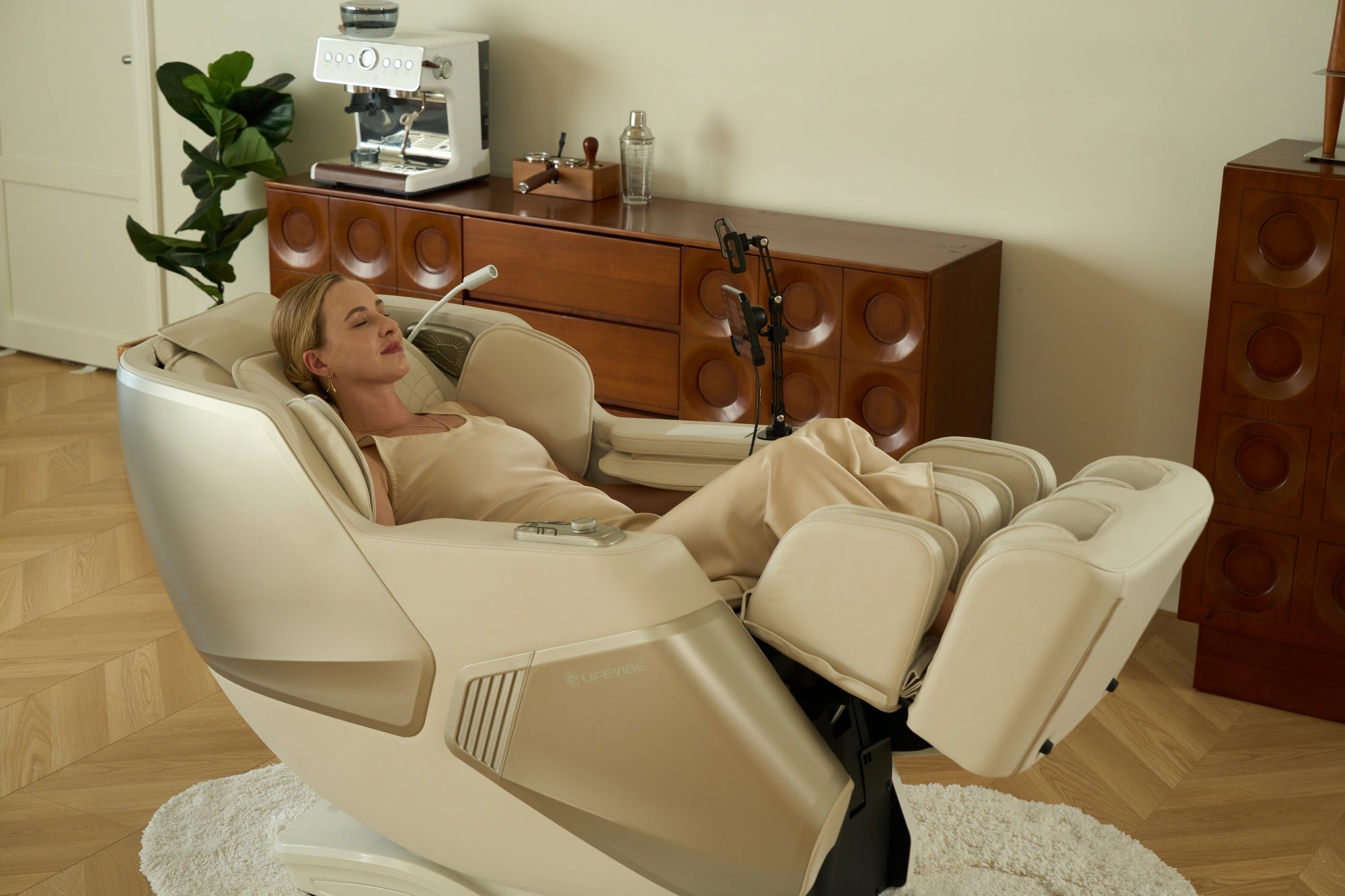
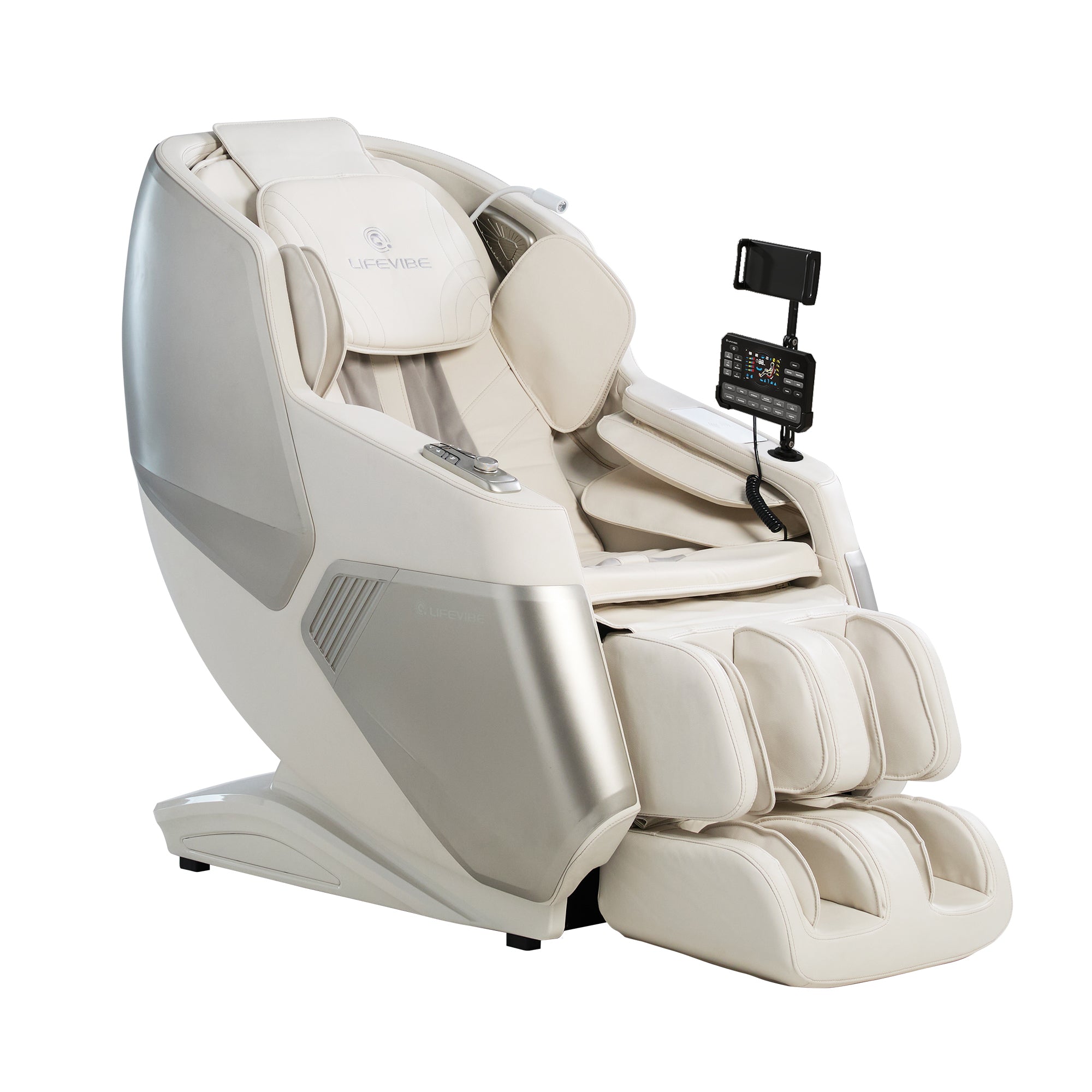
VAT chairs use low-frequency sound waves that are converted into gentle, rhythmic vibrations that travel through the body. Instead of hitting muscles or shocking nerves, they create resonance — meaning your body subtly vibrates with the frequency.

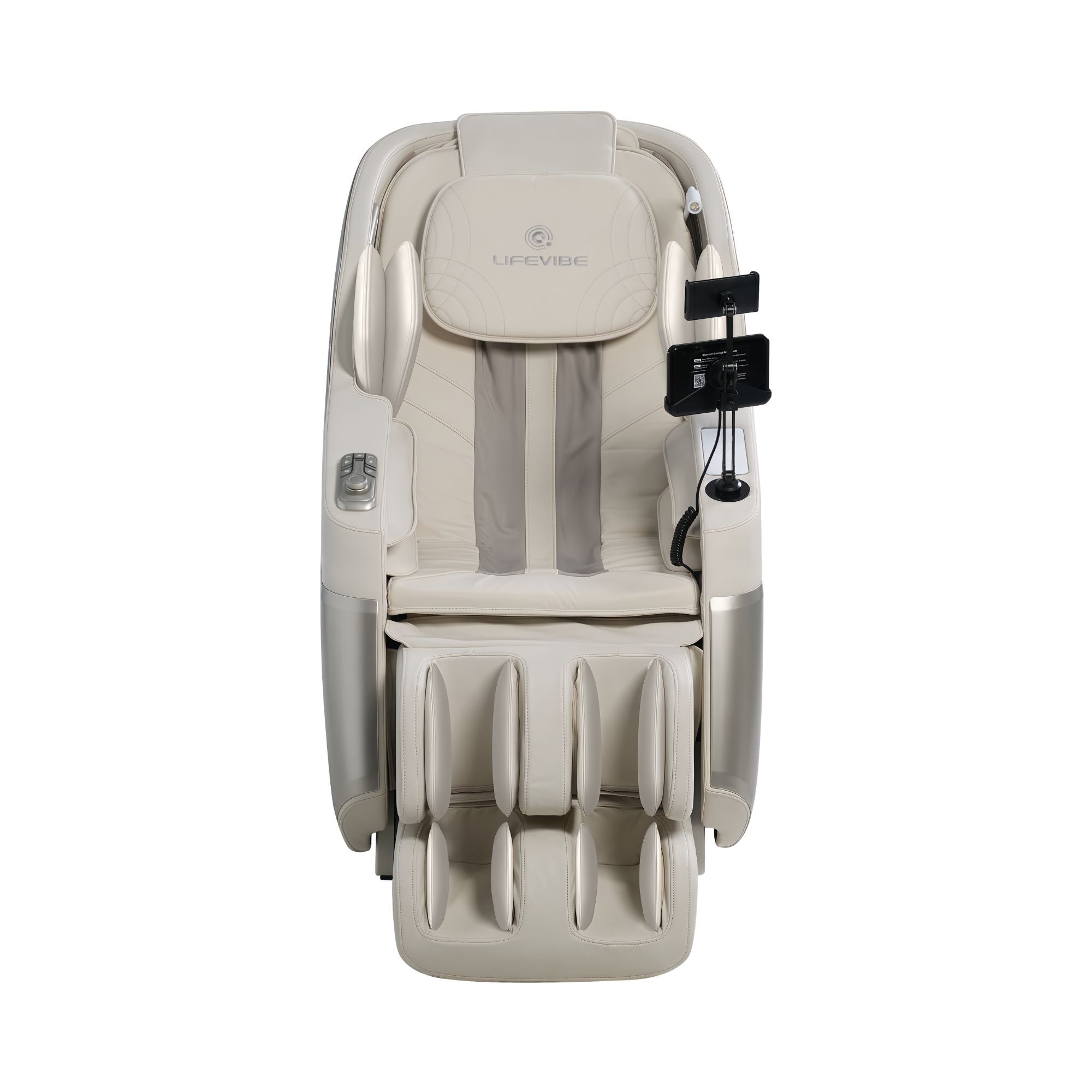
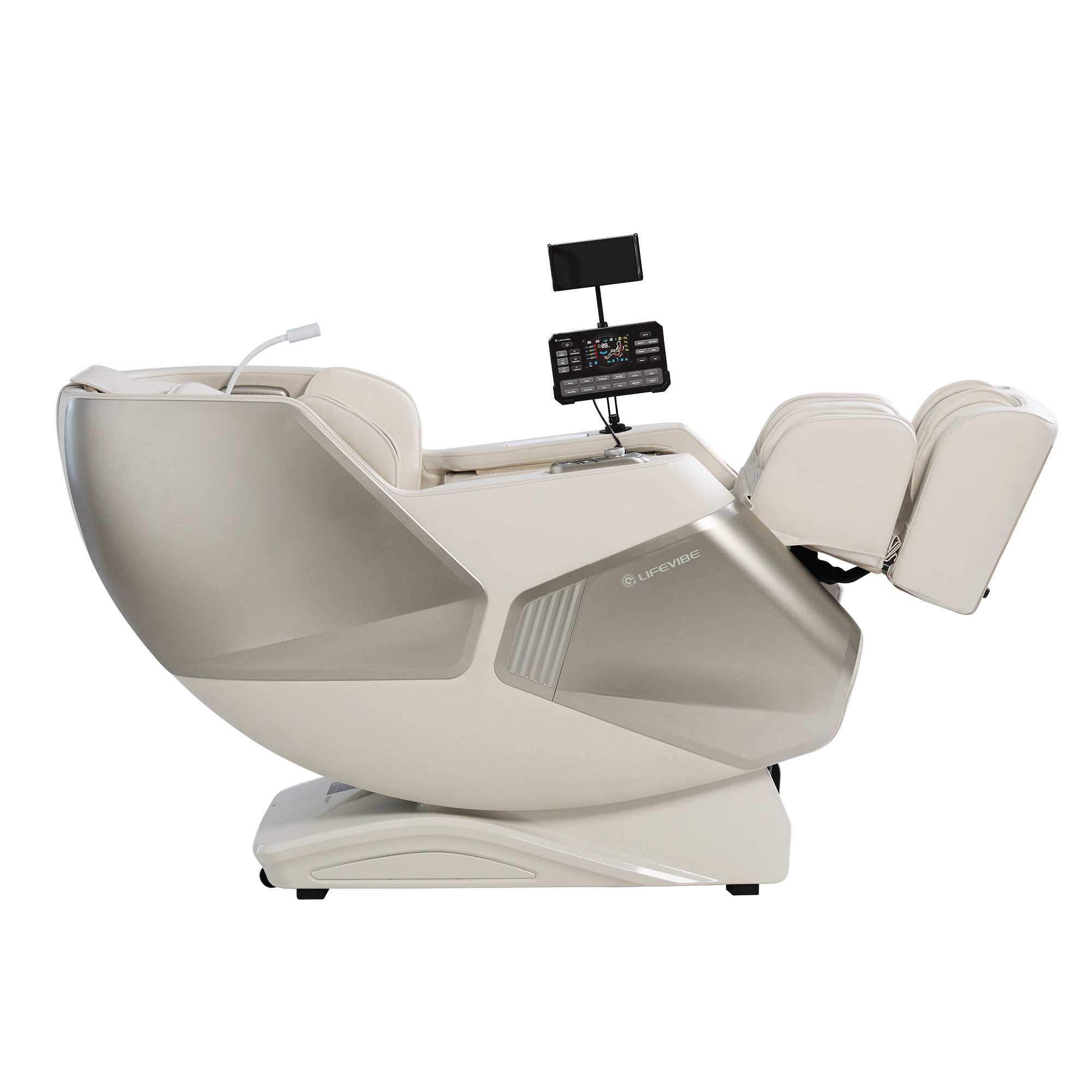
3D massage rollers (Upper Parts) and Sonic Wave Transducer (Lower Parts)
That might sound abstract, but you’ve probably experienced it before:
When deep bass in music feels like it’s moving through your chest, not just your ears — that’s resonance.
VAT uses that same principle intentionally.
What VAT focuses on:
-
Sensory regulation
-
Nervous system calming
-
Whole-body relaxation
-
Mind-body synchronization
How it feels:
-
Smooth
-
Wave-like
-
Internally calming rather than externally forceful
Instead of pushing the body to react, VAT gives the body a rhythm to settle into.
That’s why many people describe VAT as meditative, grounding, or emotionally soothing — not just physically relaxing.
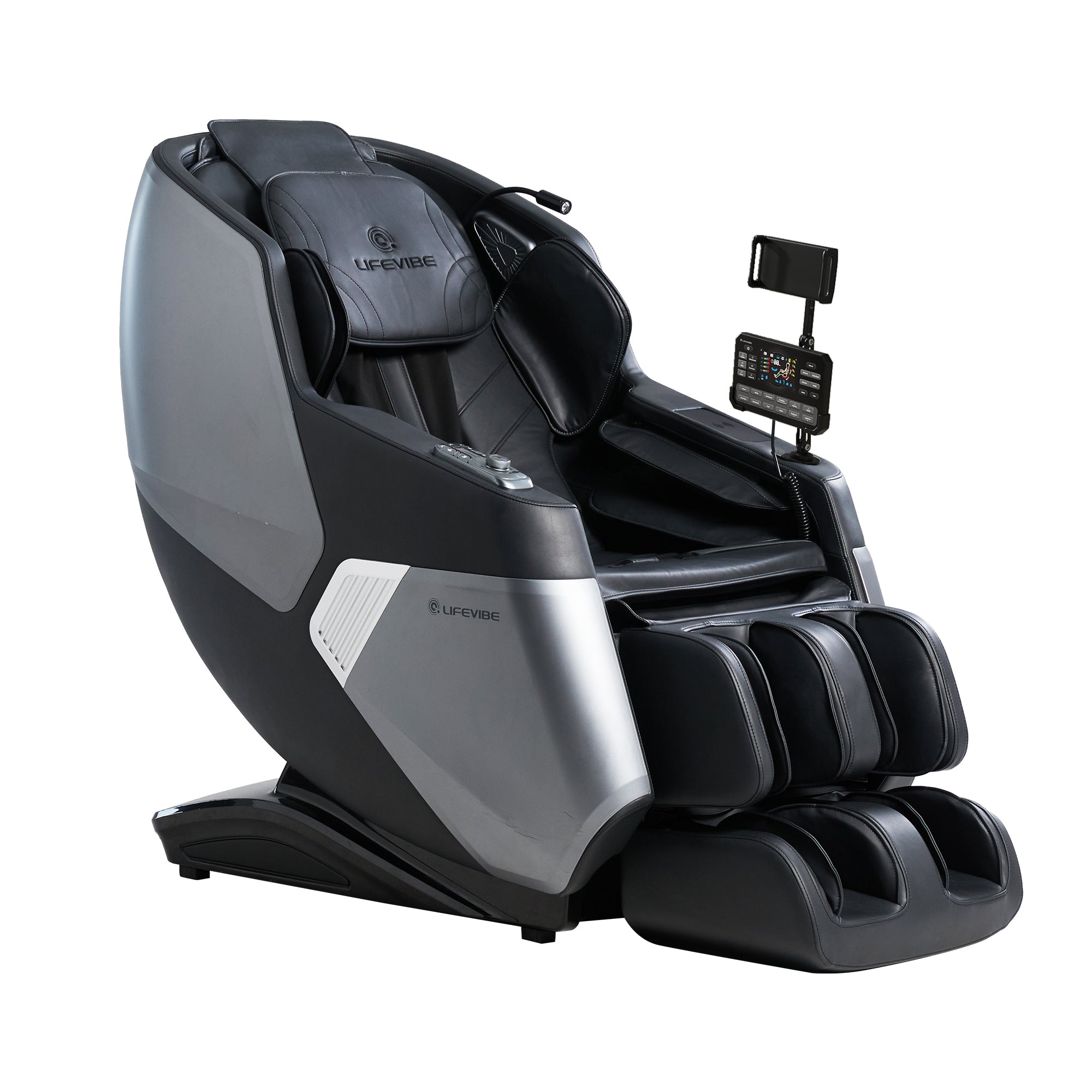
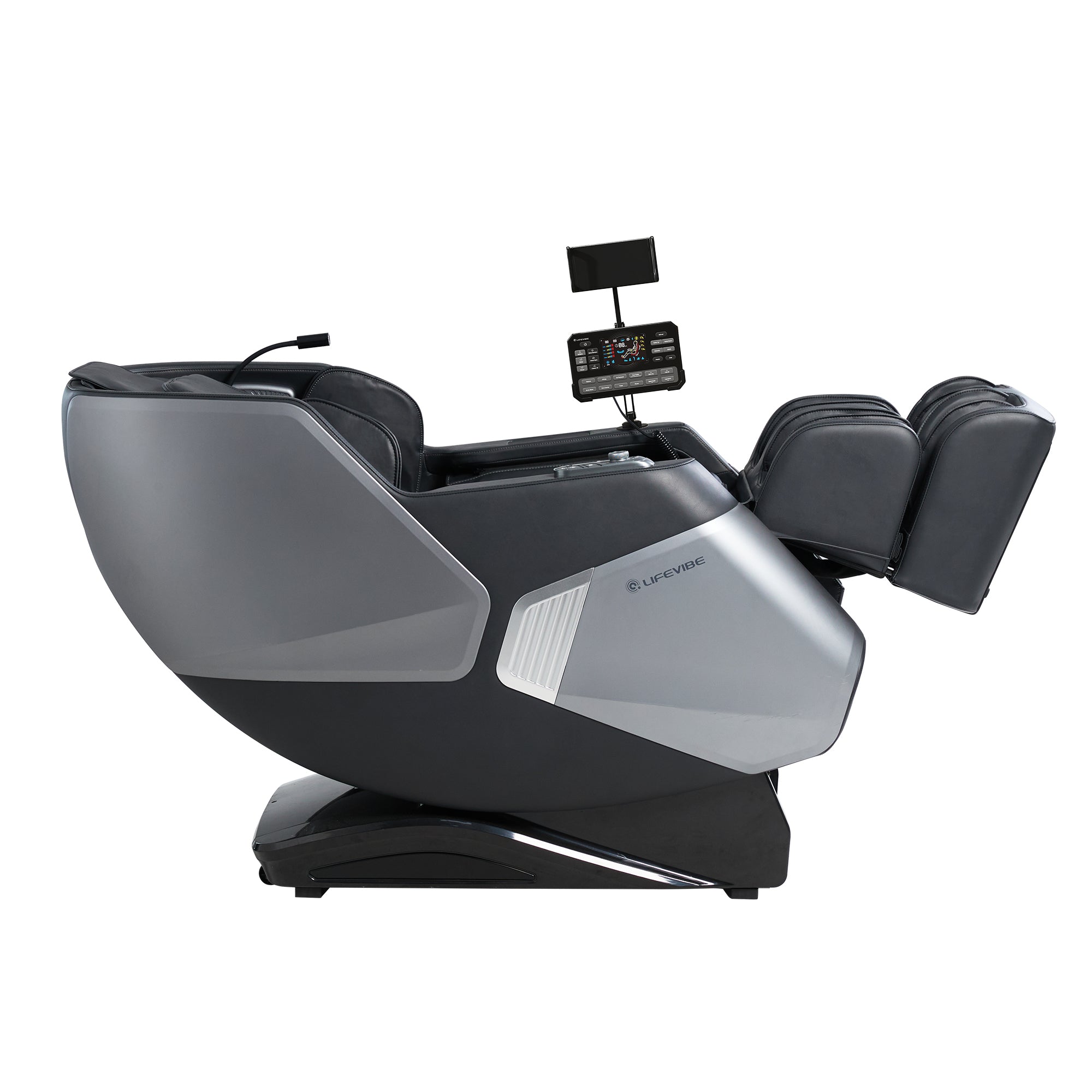
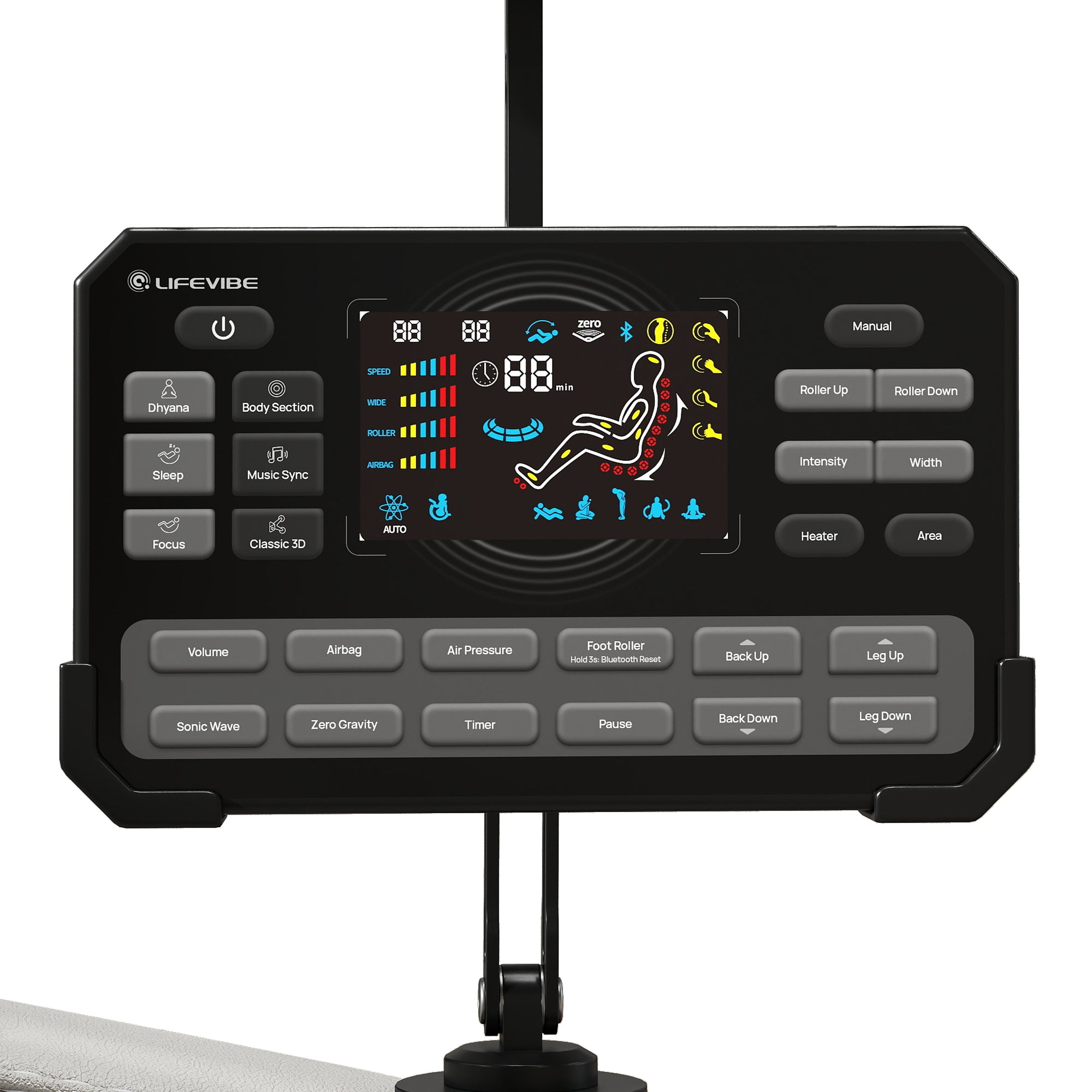
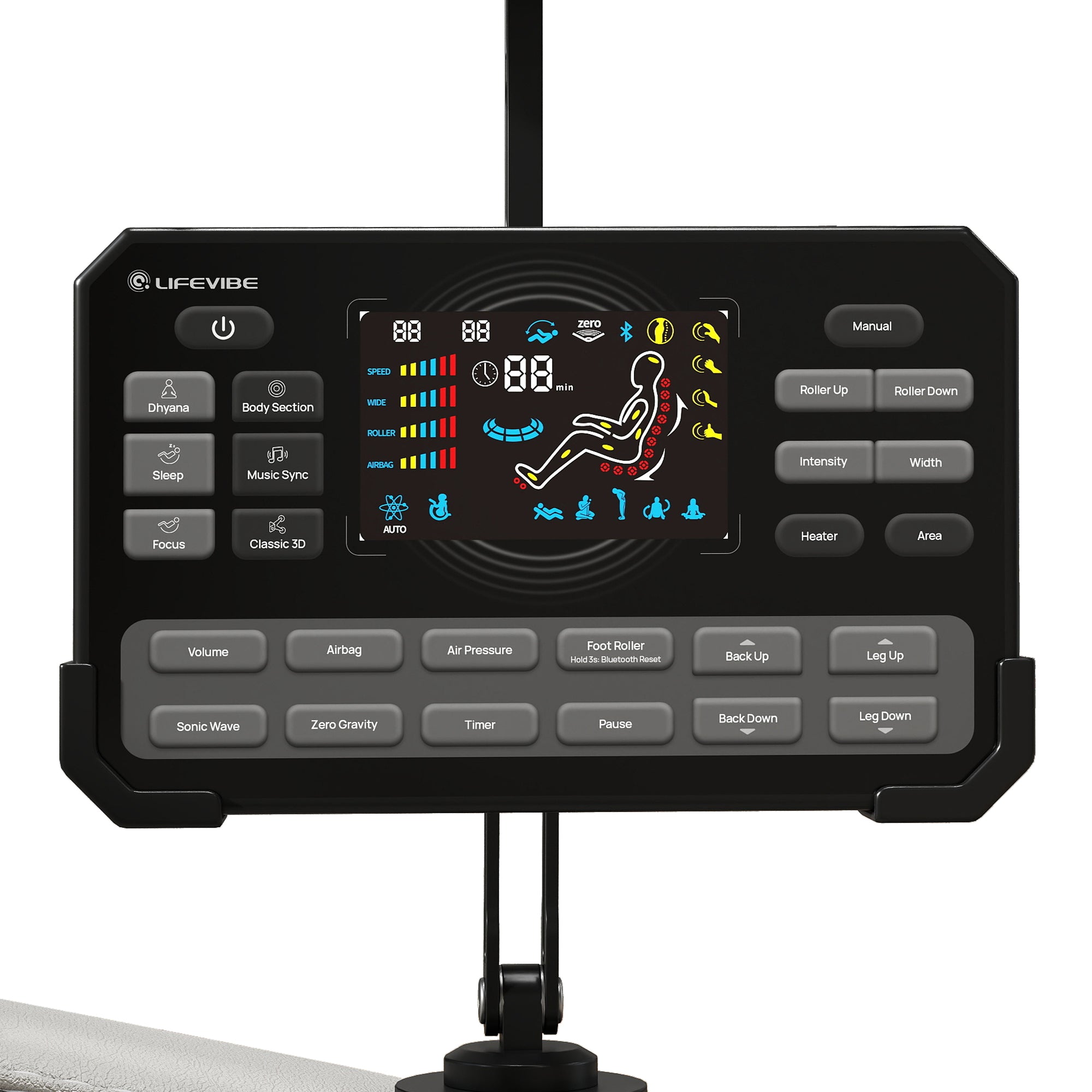
How Lifevibe VAT chair Prime work on your body
Why VAT Feels Deeper Without Feeling Stronger
One of the most interesting things about sonic wave vibration is that it can feel deep without feeling aggressive.
Massage guns go deep by increasing force.
EMS goes deep by hijacking nerve signals.
VAT goes deep by working with how your nervous system naturally processes rhythm and sensation.
Low-frequency vibrations are processed by the body not just through the skin, but also through internal tissues and sensory receptors connected to balance, tension, and emotional regulation.
That’s why VAT often affects:
-
Breathing patterns
-
Heart rate variability
-
Mental calmness
-
Sleep readiness
It’s less about muscles specifically, and more about helping your entire system shift into a relaxed state.
Local Tools vs. System-Level Experiences
Another big difference is scale.
Massage guns and EMS are local tools. You use them on one muscle or one area at a time.
VAT chairs are system-level experiences. The vibration travels along the spine, through the back, hips, and sometimes legs, creating a sense of full-body coherence rather than isolated treatment.
That’s also why VAT is often paired with music or guided soundscapes — the sound isn’t decoration, it’s part of the therapeutic input.
So Which One Is “Better”?
They’re not really competitors — they’re different tools for different goals.
-
If you have a tight calf or sore shoulder after the gym → massage gun.
-
If you’re doing rehab or targeted muscle stimulation → EMS.
-
If you want to relax deeply, calm your nervous system, or feel mentally and physically reset → Vibroacoustic Therapy.
It’s like comparing coffee, vitamins, and a warm bath. They all “do something” for your body, but in very different ways.
Vibroacoustic therapy is not trying to move your body.
Vibroacoustic therapy is trying to let your body move itself back into balance.


Share:
Can a VAT Massage Chair Be Used by Multiple Users with Different Preferences?
Vibroacoustic (VAT) Massage Chair vs.Vibroacoustic Recliner Chairs