

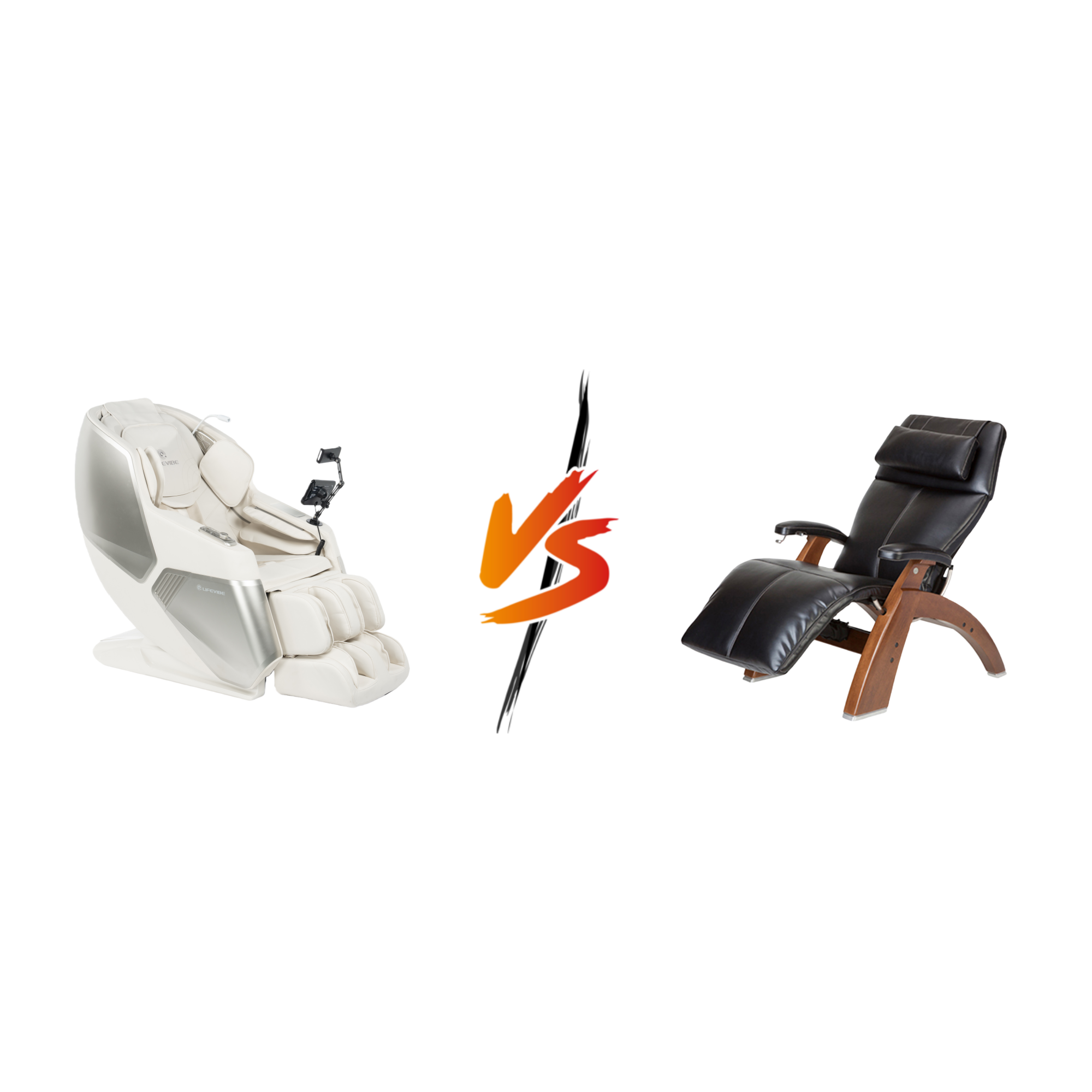
If you’ve been paying attention to the wellness chair space lately, you’ve probably noticed that “vibroacoustic” is showing up everywhere. It sounds technical, maybe even futuristic, but the idea itself is pretty simple: sound becomes vibration, and that vibration moves through your body.
What’s interesting is how differently that idea gets used.
Some chairs turn vibroacoustics into a full-body recovery system. Others turn it into a calm, ambient experience. Both use sound and vibration — but they don’t feel the same, and they don’t fit into daily life the same way either.
That’s where the difference between a vibroacoustic (VAT) massage chair and a vibroacoustic recliner actually matters.
A simple side-by-side
Here’s a simple comparison that reflects how people actually experience them:
| Aspect | Lifevibe VAT Massage Chair Prime | Vibroacoustic Recliner Chair |
|---|---|---|
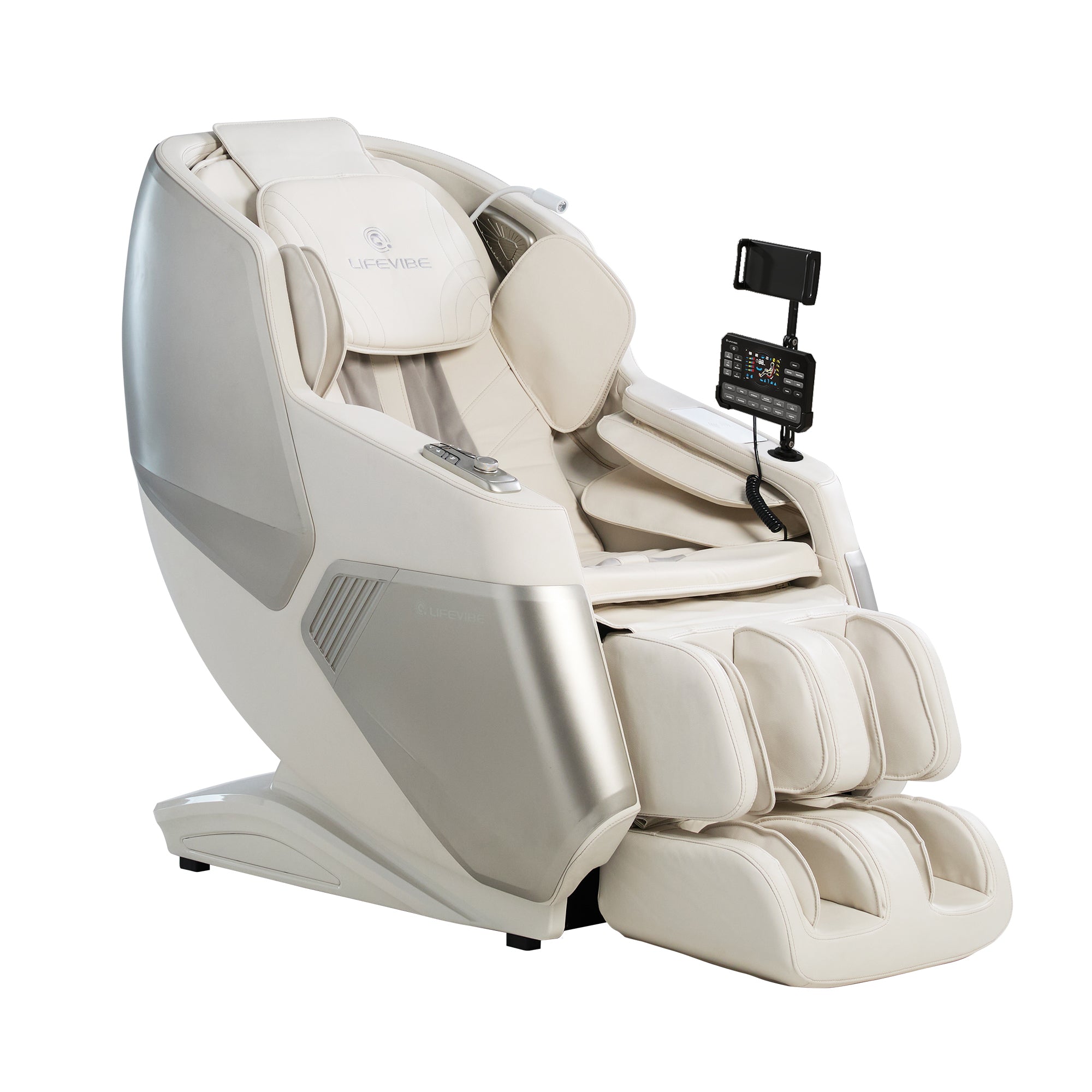
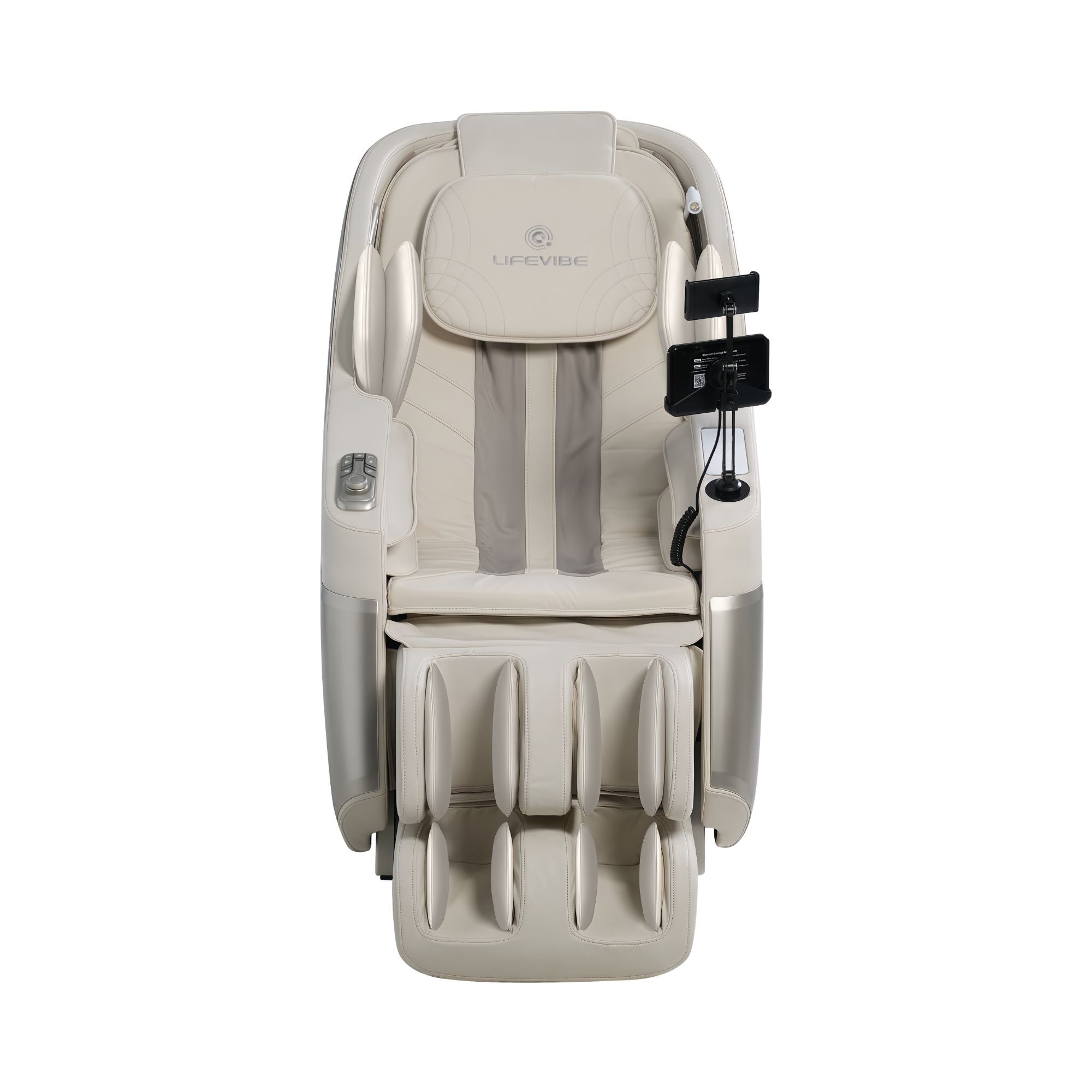
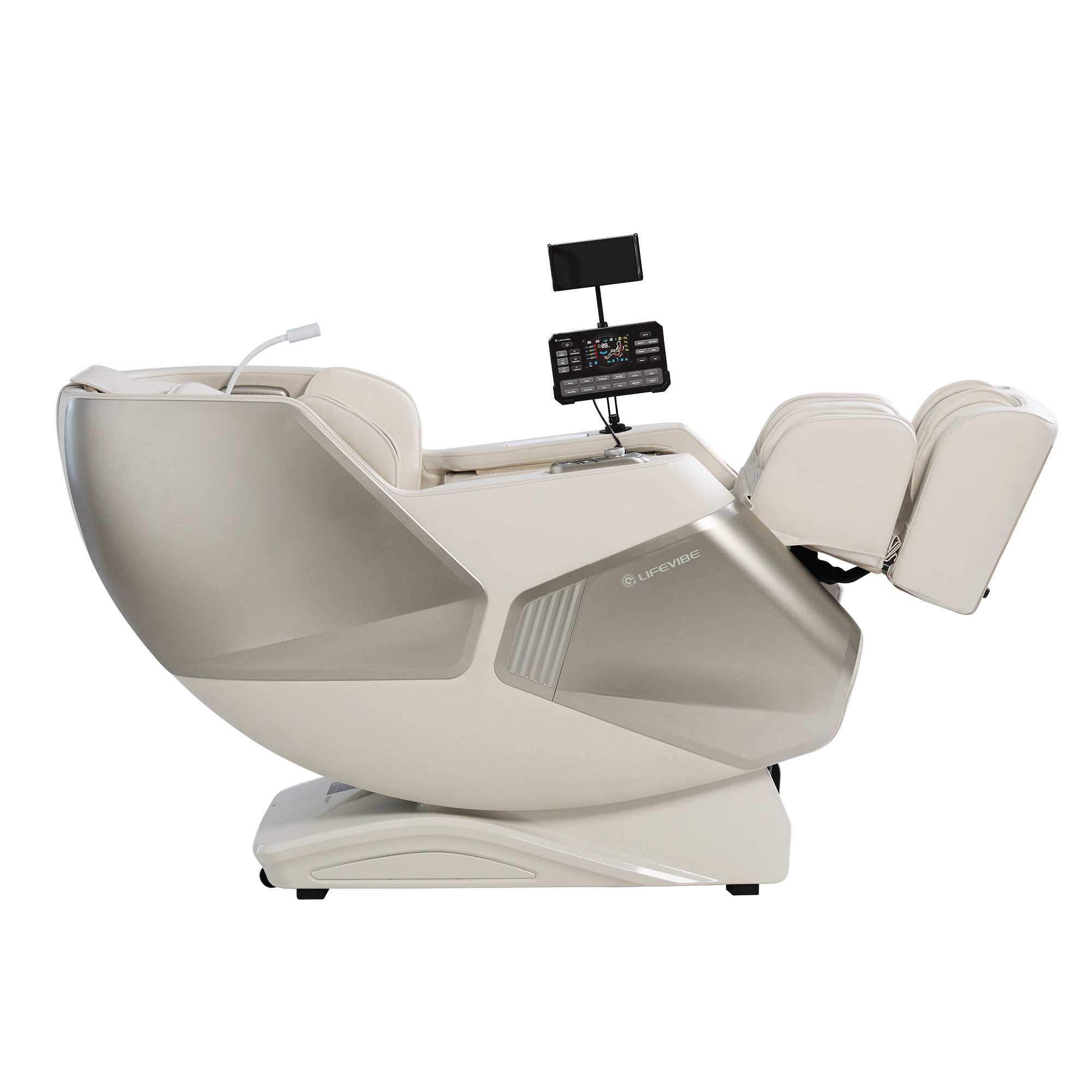
| Product category | Full vibroacoustic therapy massage system | Vibroacoustic relaxation furniture |
| Core function | Sonic resonance + 3D massage + body mechanics | Sonic resonance only |
| Technology logic | SonicSync™: sound + motion + rhythm synchronized | Sound-driven vibration only |
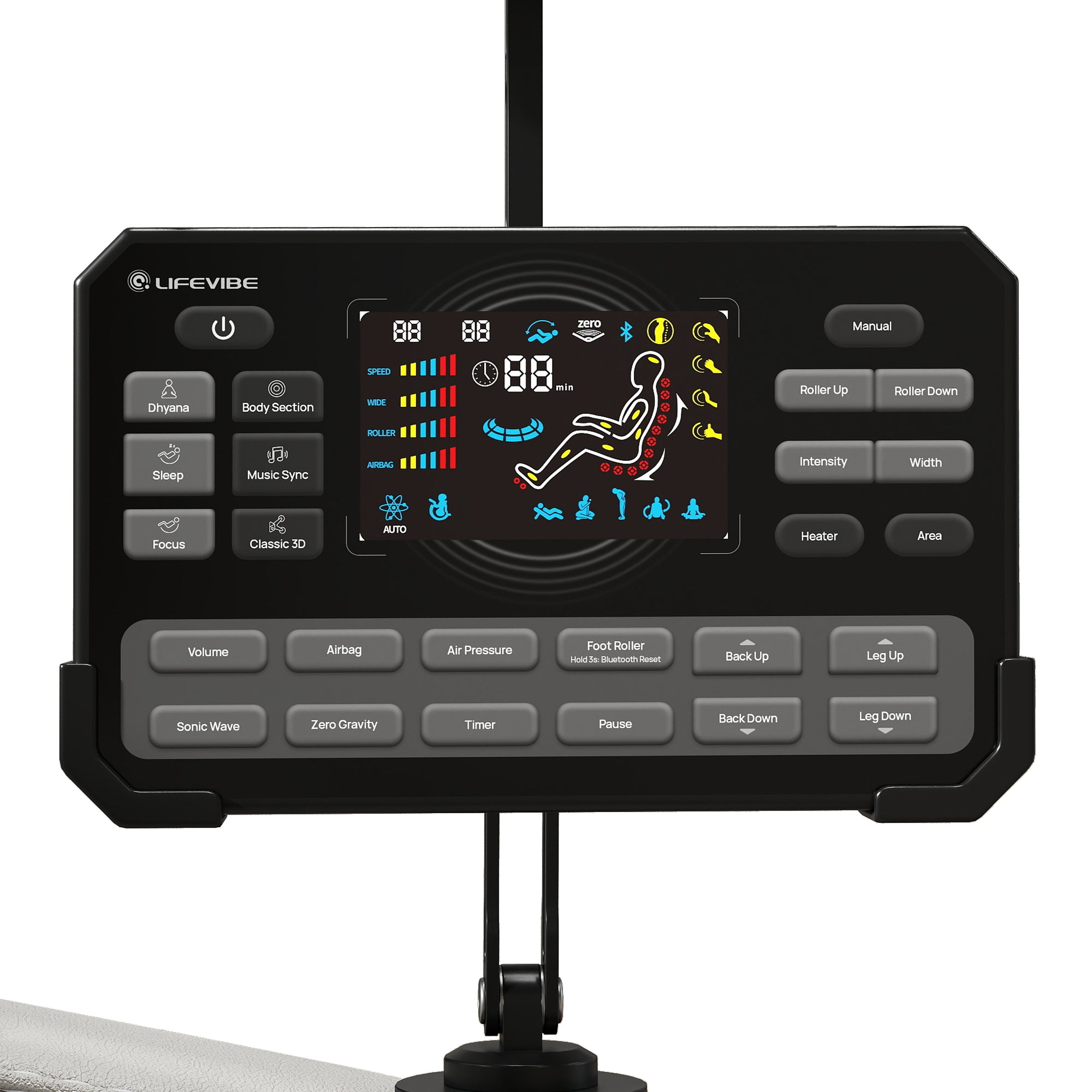
| Physical massage | 3D rollers + stretch + airbags | None |
| Vibroacoustic delivery | Dual sonic transducers integrated into massage mechanism | Usually built-in speakers or vibration pads |
| Depth of effect | Deep fascia, muscles, nerves + circulation | Mostly sensory and nervous system level |
| Experience style | Active, therapeutic, immersive | Passive, calming, ambient |
| Body engagement | Whole-body physical + neural+emotional engagement | Mainly neural and emotional engagement |
| Customization | 25 auto programs + 6 manual techniques | Usually fixed or limited presets |
| Target outcomes | Recovery, tension release, emotional reset | Relaxation, stress calming, mood support |
| Session type | Intentional therapy & physical recovery sessions | Casual rest, meditation, background use |
| Post-session feeling | Body feels lighter + mind feels clearer | Mind feels calmer, body mostly unchanged |
| User sensitivity | Adjustable for sensitive users | Naturally gentle |
| Daily use | Yes, designed for daily recovery | Yes, mainly for relaxation |
| Positioning | Wellness technology product | Lifestyle wellness furniture |
| Visual presence | Looks like a premium wellness device | Looks like a lounge chair |
| Typical user | Office workers, athletes, high-stress professionals | Meditators, therapists, sensory wellness users |
| Price tier (market) | Mid | Mid |
| Value proposition | A system that resets body and mind | A space that calms the nervous system |
One is active, the other is gentle
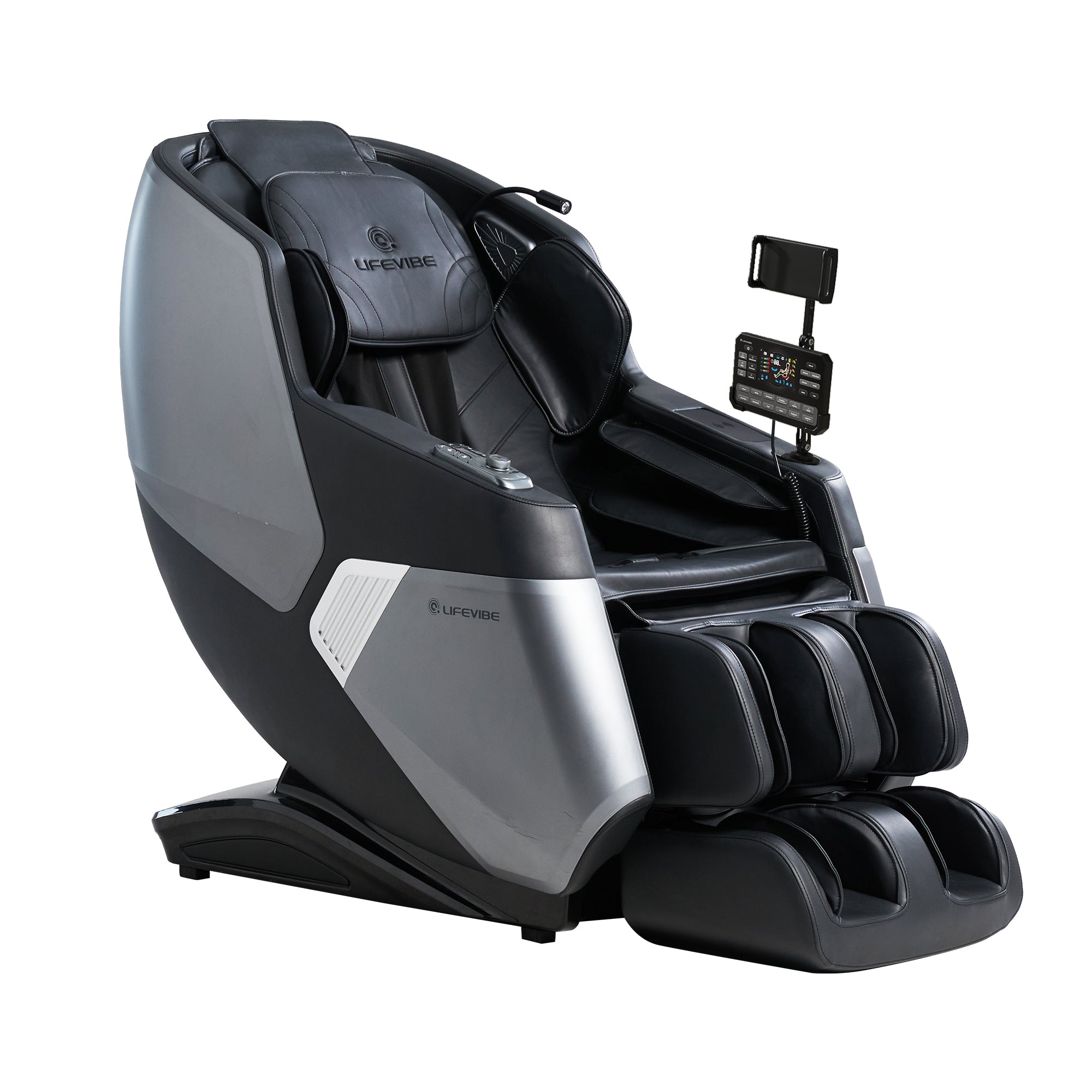
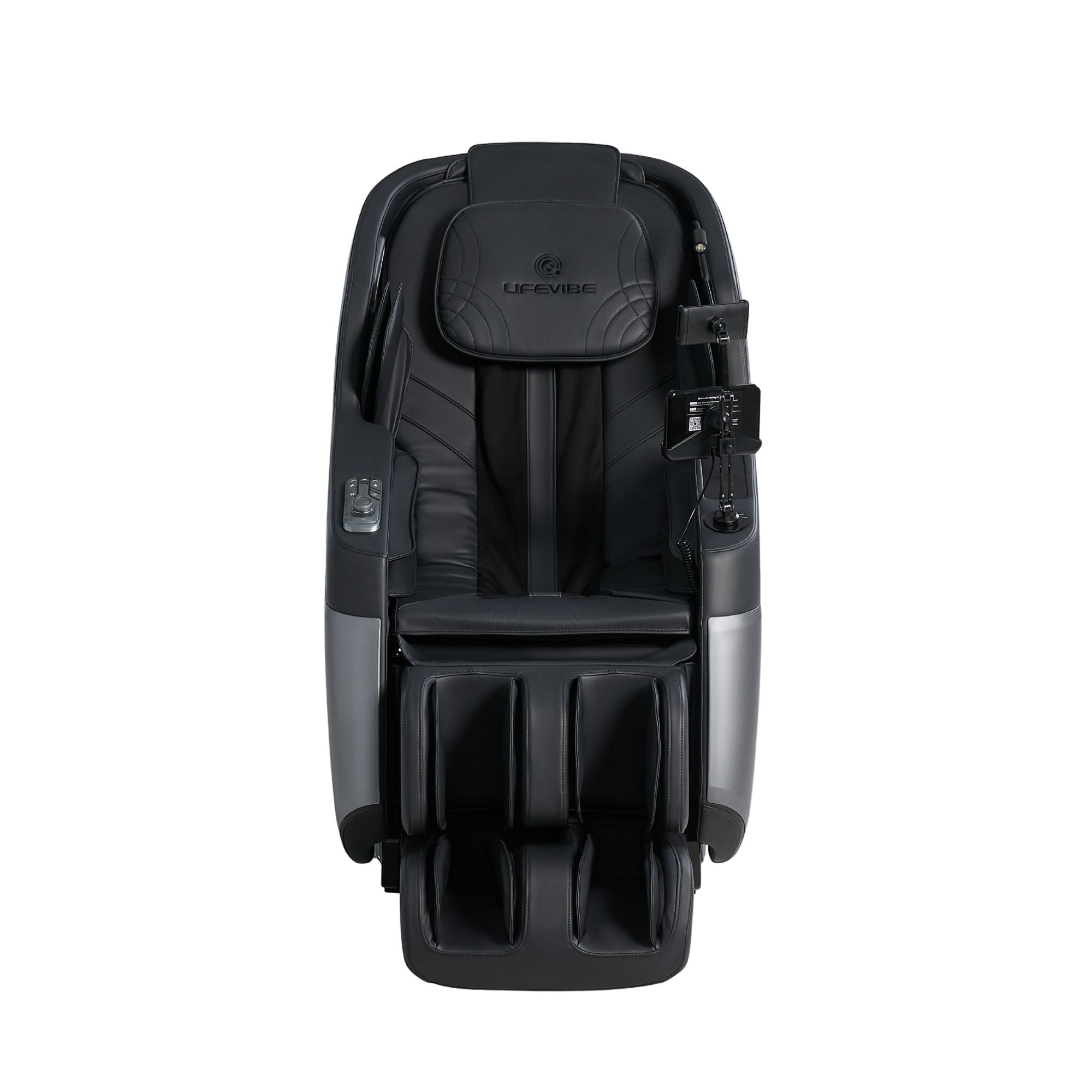
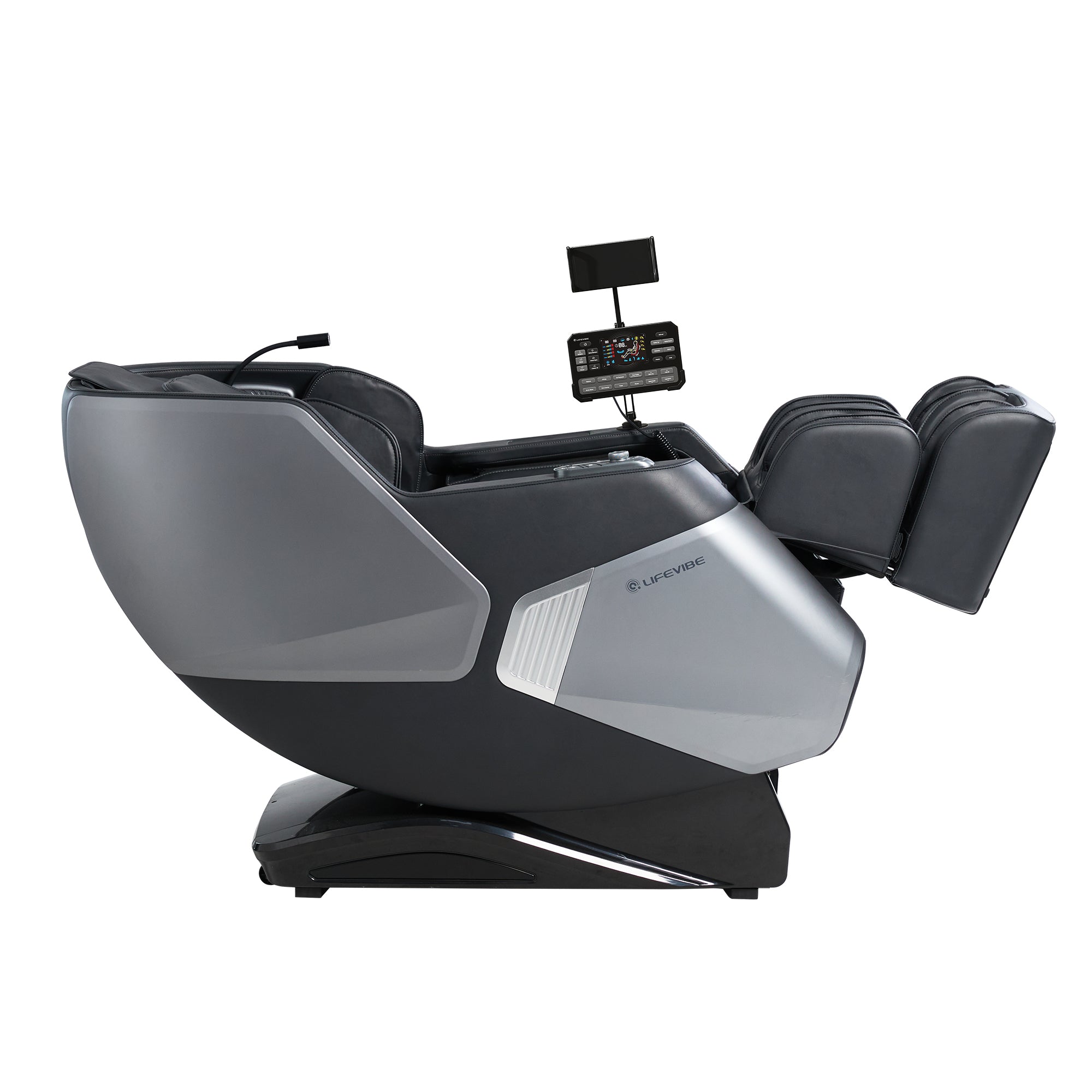
A vibroacoustic massage chair feels like something is happening to your body. There’s motion, pressure, stretching, and structure. The vibration doesn’t stand alone — it’s layered underneath the physical massage, giving the whole session more depth and flow.

a vibroacoustic massage chair works deeper
A vibroacoustic recliner is quieter in every sense. There’s no mechanical massage, no rollers, no squeezing. You sit or lie down, the chair vibrates softly with sound, and that’s it. It’s meant to calm, not to work.

vibroacoustic recliner chair works with no physical massage
One feels like physical recovery and mind rest.
The other feels like only rest.
Both are useful. Just in different moods.
How they show up in real life
People don’t talk about this part enough: how a product fits into your day often matters more than what it technically does.
A vibroacoustic recliner becomes a place. You sit in it while listening to music, reading, meditating, or just zoning out. It doesn’t ask for attention. It blends into the background.
A vibroacoustic massage chair usually becomes part of a routine. With it, you can not only get what vibroacoustic recliner can do, you can also choose different programs. You set aside time. You treat it like a session.
That difference alone changes who ends up loving which one.
The difference shows up after, not during
During a vibroacoustic massage session, you notice the mechanics. You feel the rollers move. You feel your body respond. It’s tangible.
After a vibroacoustic recliner session, you notice the absence of something — less noise in your head, less emotional tension, less sense of being rushed.
One changes how your body feels.
The other changes how your mind feels.
Neither is better. They’re just aimed at different layers of the same system.

Lifevibe Vibroacoustic Massage Chair’s 4 Standout Modes
Who usually prefers which?
People drawn to vibroacoustic massage chairs often have a physical reason. They sit a lot. They train a lot. They travel a lot. Their stress shows up in their shoulders and hips.
They want to feel something happen.
People drawn to vibroacoustic recliners usually want the opposite. They’re overstimulated, sensitive to touch, or just craving stillness. They don’t want pressure. They don’t want fixing. They want space.
They want to feel safe enough to be quiet.
Even the idea of “luxury” feels different
A vibroacoustic massage chair feels premium because it’s complex. There’s engineering involved. Motion systems, synchronization, layers of interaction.

3D massage rollers (upper part) and sonic wave transducer (lower part)
A vibroacoustic recliner feels premium because it’s minimal. Clean lines. Fewer buttons. Fewer sensations.
One feels impressive.
The other feels peaceful.
Both signal quality — just in different languages.
So which one fits you?
That depends on what kind of tired you are.
If your tired lives in your muscles, posture, and physical habits, a vibroacoustic massage chair makes more sense.
If your tired lives in your mind, emotions, or nervous system, a vibroacoustic recliner will probably feel better.
Some people end up with both. One for recovery days, one for quiet days.
And that might be the healthiest framing of all: not “which is better,” but “what do I need right now?”
Because sometimes your body wants movement and release.
And sometimes your mind just wants the world to feel softer for a while.





Share:
Sonic Wave Vibrations in VAT Chairs vs. EMS and Massage Guns
Are Vibroacoustic (VAT) Massage Chairs Safe for Elderly Users?