

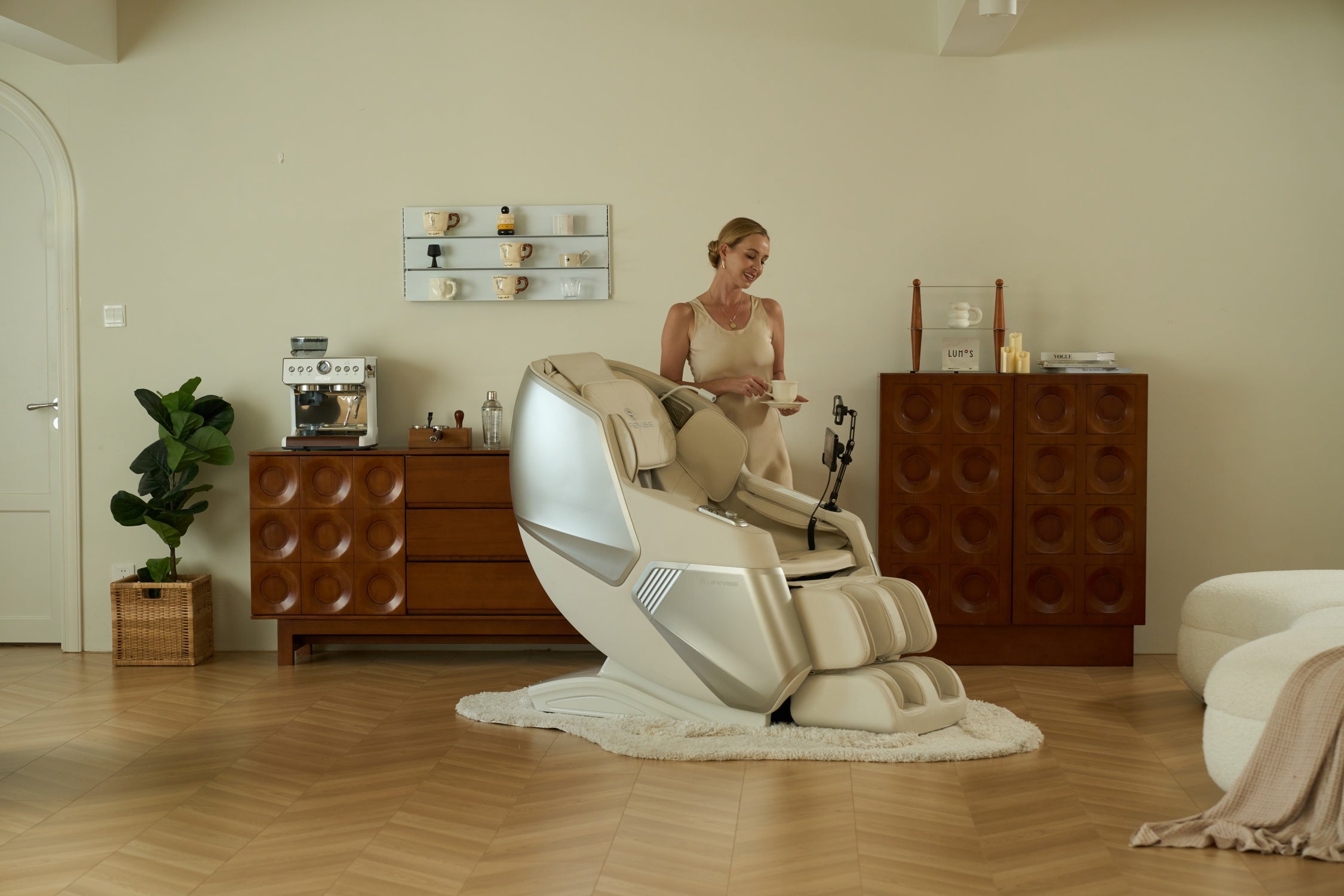
If you’ve ever shared a sofa, a car, or even a playlist with someone else, you already know that comfort is personal. What feels relaxing to one person might feel distracting, boring, or even uncomfortable to another.
So it’s a fair question:
Can a vibroacoustic therapy (VAT) massage chair really work for more than one person — especially when everyone has different tastes, body types, and sensitivity levels?
Short answer: yes — and it does it better than you might expect.
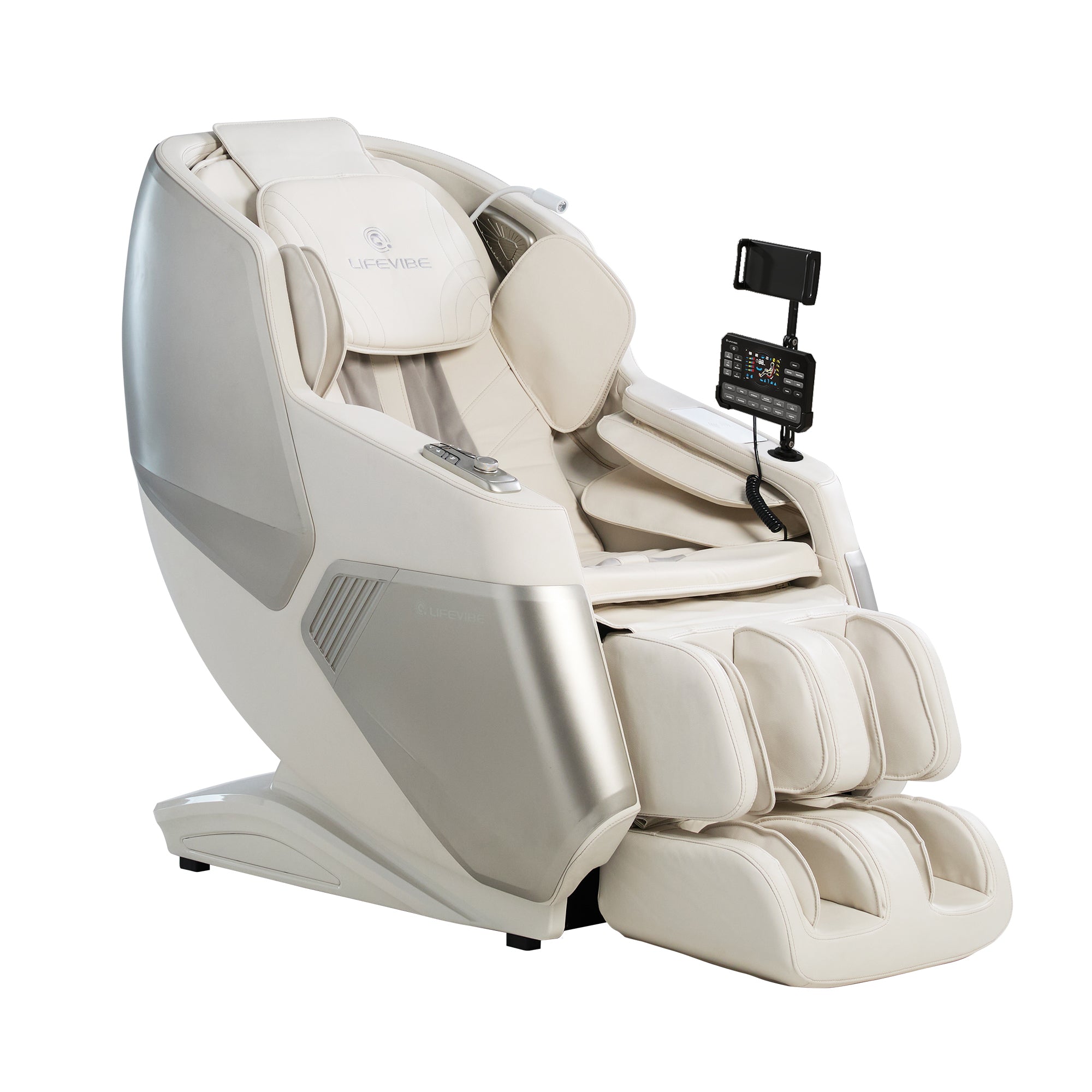
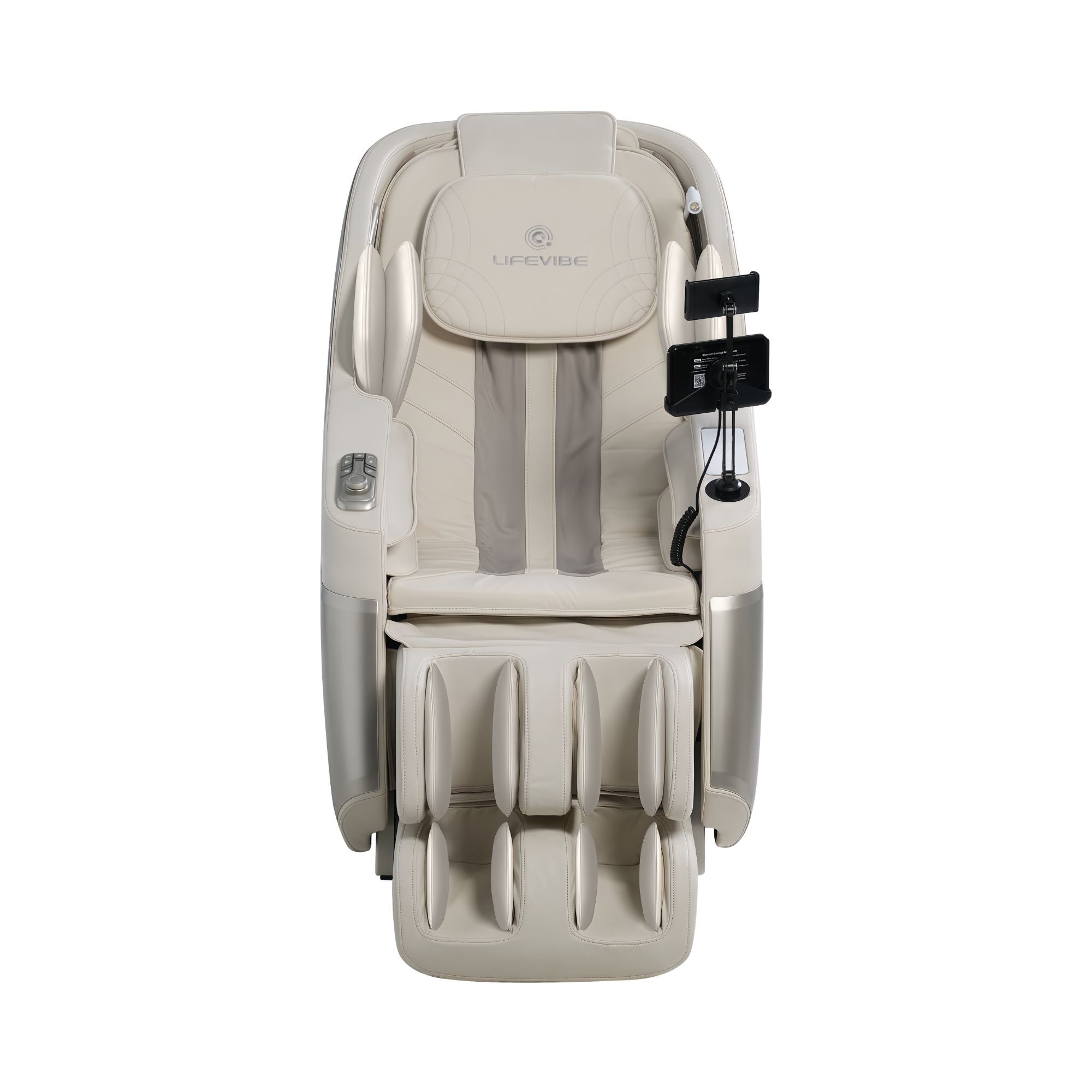
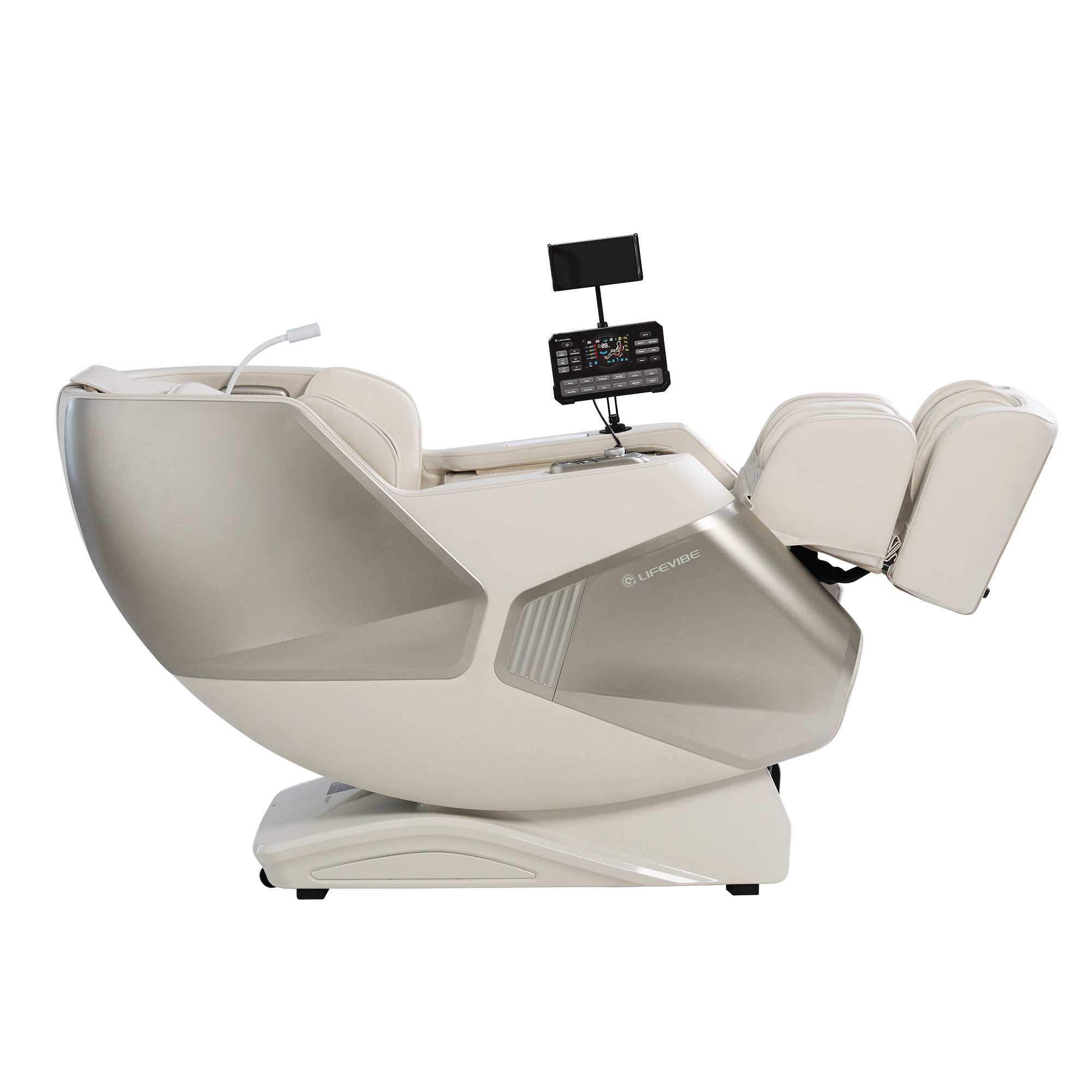
Lifevibe vibroacoustic therapy (VAT) massage chair Prime isn’t built around one fixed “ideal” experience. It’s built around variation. Different rhythms, different intensities, different body shapes, different moods — all of that is part of how the system works.
Let’s talk about how that plays out in real life.
People don’t relax the same way
Some people love deep pressure on their shoulders.
Some prefer light movement and gentle vibration.
Some want something grounding before bed.
Some want a short reset in the middle of the day.

Different Modes for Different Needs
That variety is exactly why VAT chairs are designed with layers of adjustment rather than a single style of massage.
Instead of offering one type of sensation and expecting everyone to adapt to it, the chair lets each person shape their own session:
-
Different programs for different moods
-
Adjustable intensity for pressure and vibration
-
Targeted zones for different body areas
-
Optional heat, sound, and rhythm
So the chair becomes more like a platform than a preset routine.
Body scan keeps things personal
One of the most important features for multi-user comfort is automatic body scanning.
When someone sits down, the chair reads their height, shoulder position and spine curve. That information guides where the rollers move and how the vibration patterns travel through the body.
So if a taller person uses the chair after someone shorter, the system doesn’t repeat the same path — it recalibrates.
This makes each session feel intentional rather than recycled.
You don’t feel like you’re stepping into someone else’s settings. It feels like the chair is meeting you where you are.

Vibroacoustic Therapy adds a softer layer
Traditional massage chairs rely mostly on mechanical pressure: rollers pushing, airbags squeezing, motors moving.
Vibroacoustic Therapy (VAT) adds another dimension — low-frequency sound waves that travel through the body as vibration.
Instead of working only from the outside in, it works from the inside out. The vibration interacts with muscles, connective tissue, and the nervous system in a way that feels less forceful and more immersive.
This is especially helpful in shared environments because:
-
Sensitive users don’t feel overwhelmed
-
Older users don’t feel strained
-
Lighter users don’t feel overpowered
-
Frequent users don’t feel worn out

3D massage rollers (upper part) and sonic wave transducer (lower part)
It makes the experience accessible to a wider range of people, which matters when more than one person is using the same chair.
Programs are built around moods, not rules
Rather than rigid technical labels, most VAT chairs offer programs based on how you want to feel.
You might see options like:
-
Slow calming rhythms for rest
-
Gentle flowing motion for relaxation
-
Steady patterns for focus
-
Targeted sequences for shoulders or lower back
-
Sound-synced vibration for immersive sessions
This gives users freedom.
One person might use the chair to unwind before sleep.
Another might use it to reset posture after sitting all day.
Another might just enjoy listening to music while feeling the vibration move with the sound.
Same chair. Totally different experiences.
What A Lifevibe Vibroacoustic Therapy Massage Chair Can Do
Intensity controls keep everyone comfortable
Not everyone wants the same strength of sensation — and that’s okay.
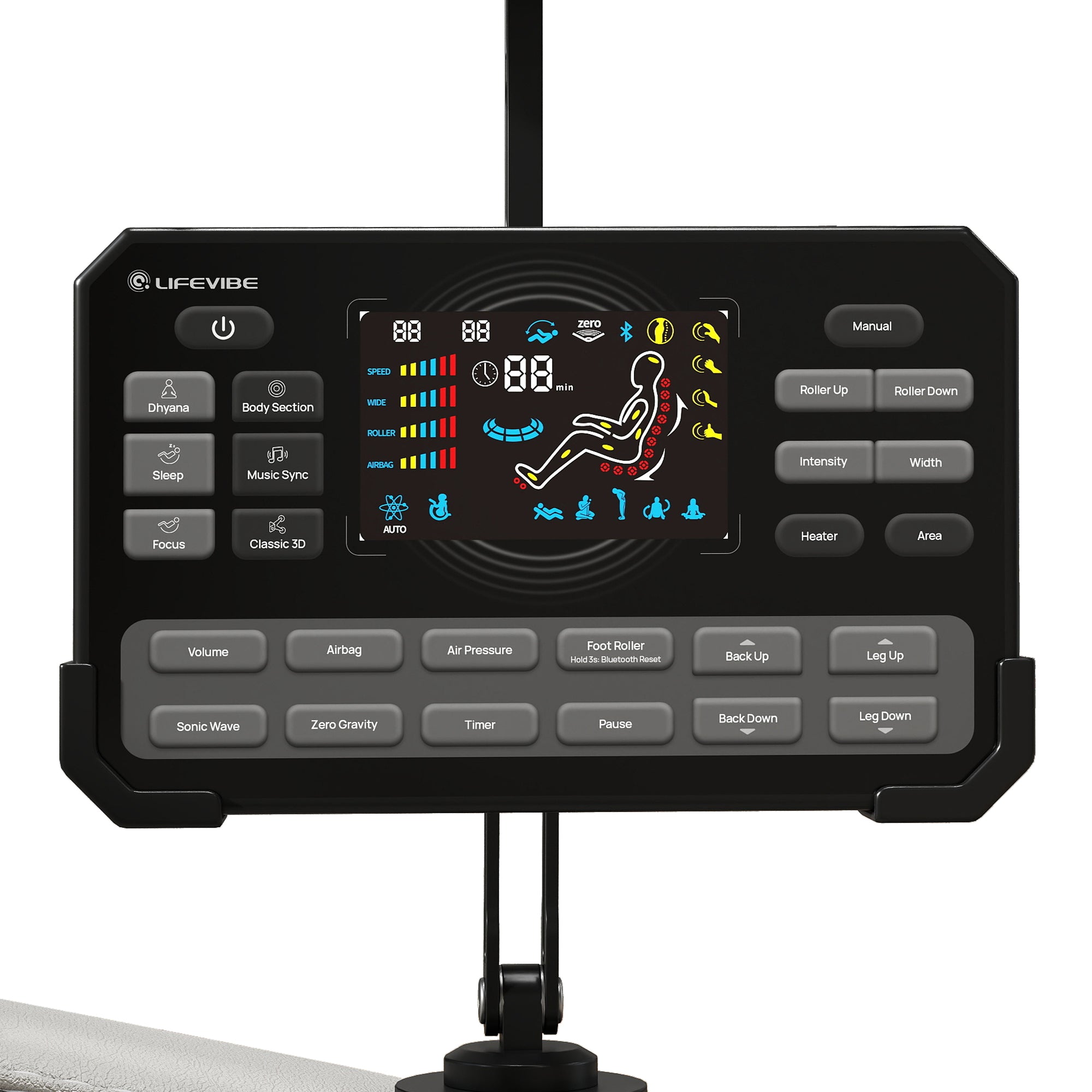
That’s why VAT massage chairs usually allow users to adjust:
-
Roller pressure
-
Airbag strength
-
Vibration intensity
-
Heat function
-
Foot roller speed
-
Recline and zero gravity angle
So one person might enjoy a strong shoulder massage with active airbags, while another prefers gentle vibration with no compression at all.
There’s no “correct” way to use it. The system is flexible enough to handle contrast.
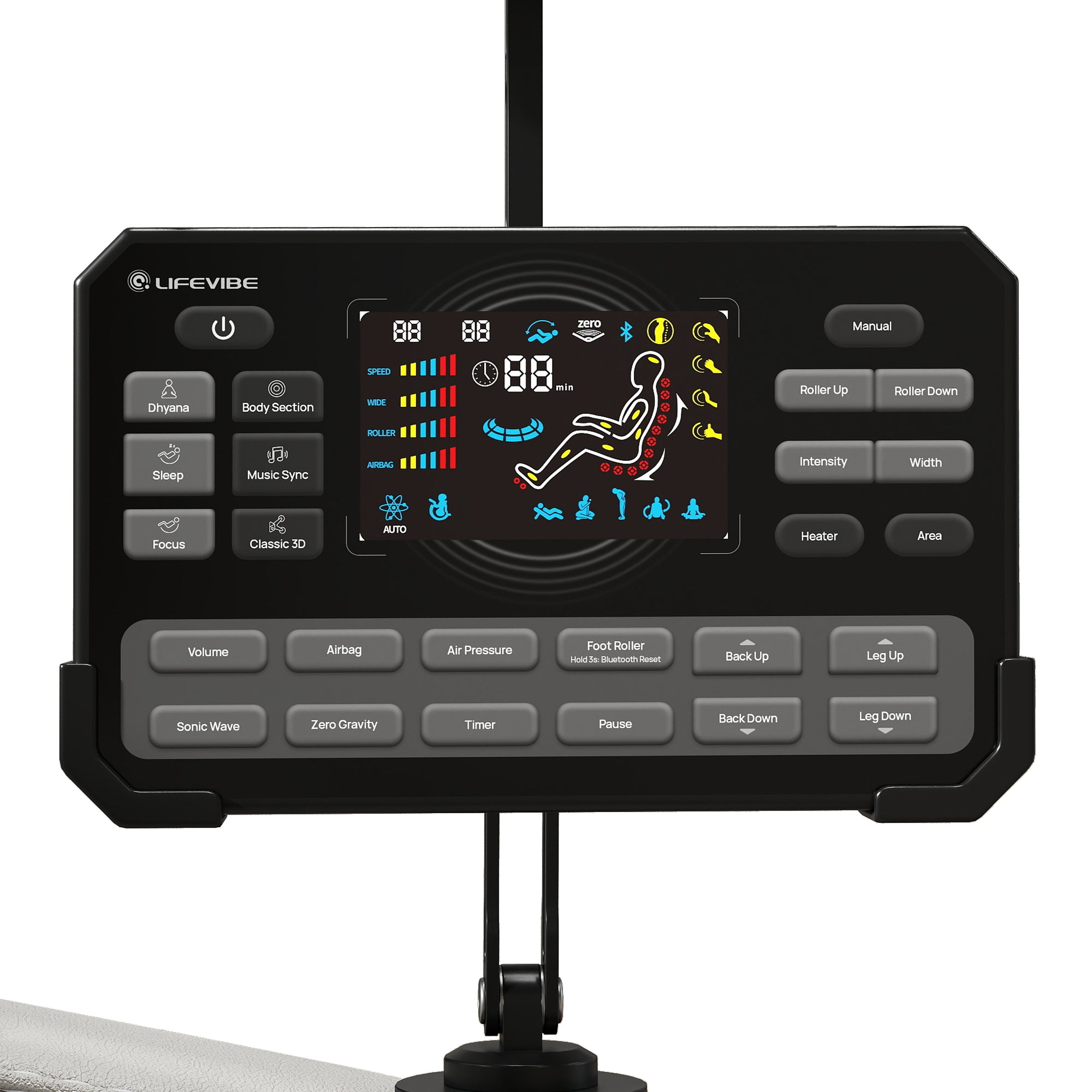
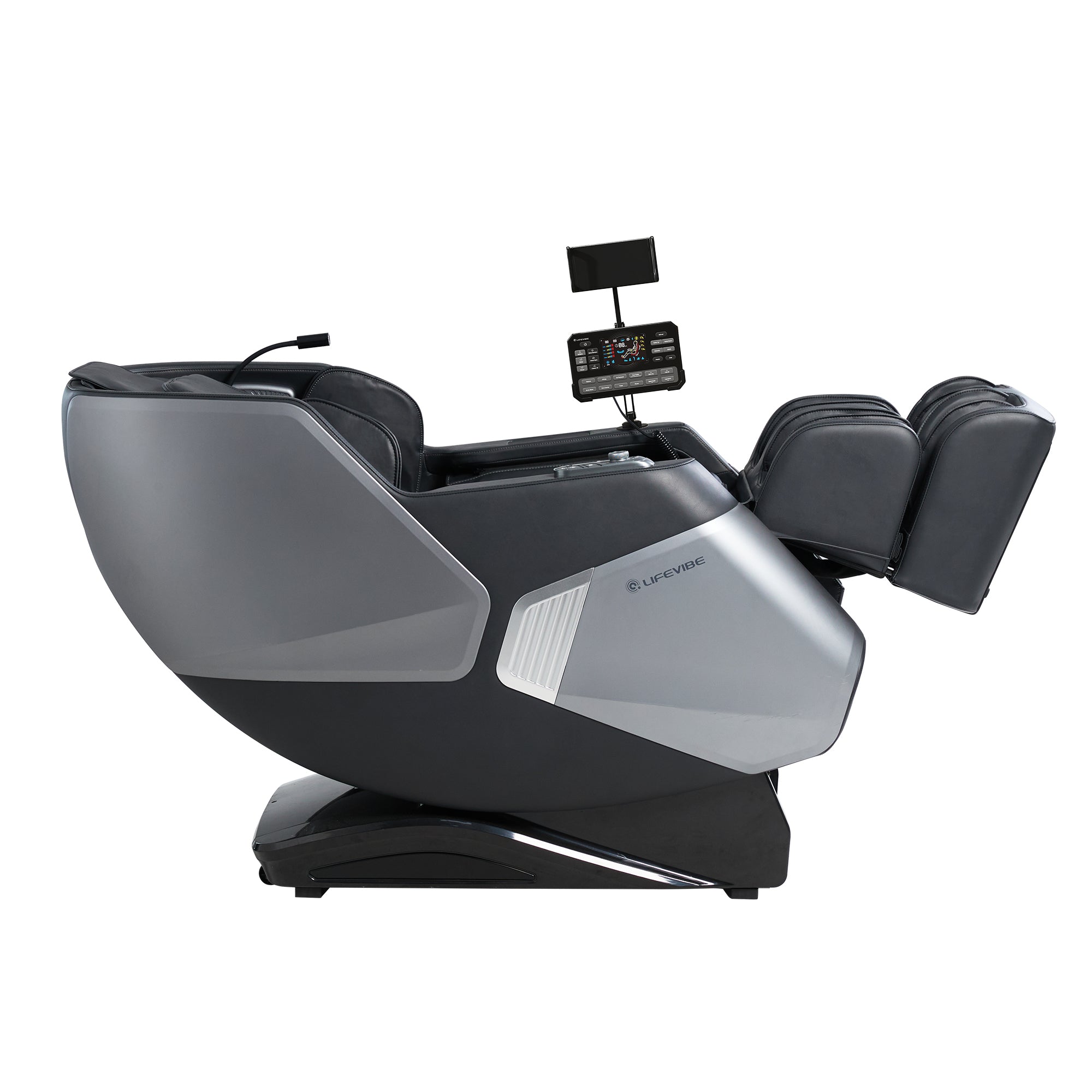
You can control the VAT chair with a simple controller
Sharing doesn’t mean compromising
One of the quiet benefits of a multi-user VAT chair is that it reduces the need for compromise.
You don’t have to meet in the middle on intensity.
You don’t have to agree on program type.
You don’t have to use it the same way.
Each person can take what they need from it, then leave it ready for the next person.
That makes it easier for couples, families, or shared spaces to use the chair without turning it into a negotiation.
It fits into daily life naturally
Because the experience is gentle and customizable, people tend to use VAT chairs more regularly rather than only occasionally.
Someone might use it for 10 minutes in the morning.
Someone else might use it for 30 minutes in the evening.
Someone might use it every day.
Someone might use it once or twice a week.
The system doesn’t require a specific routine. It fits around real life instead of demanding one.
That flexibility is what makes it work long-term in shared environments.
Emotional comfort matters too
Relaxation isn’t only physical. It’s also emotional.
Some people want quiet.
Some want music.
Some want to feel grounded.
Some want to feel light.
VAT helps here because it blends sound, vibration, and motion into something that feels more like an experience than a machine.
That emotional softness is often what makes people comfortable enough to use the chair in the first place — especially if they were unsure about massage chairs before.
So does a Lifevibe VAT massage chair really work for multiple users?
Yes — not because it tries to satisfy everyone in the same way, but because it allows everyone to approach it differently.
It adapts to:
-
Different bodies
-
Different sensitivities
-
Different schedules
-
Different reasons for using it
And it does that without making the chair feel complicated or technical.
You sit down. You choose how you want to feel. The system responds.
That’s what makes a VAT massage chair work in shared spaces — not because it has more features, but because those features stay out of the way when you don’t need them.
It doesn’t try to define relaxation.
It simply makes room for it — whatever that means for you today.




Share:
How Music Sync Mode Works with Bluetooth on the Lifevibe VAT Chair
Sonic Wave Vibrations in VAT Chairs vs. EMS and Massage Guns