

If you’ve ever listened to music and felt it in your chest, your hands, or even your spine — you already understand the idea behind Music Sync on the Lifevibe (VAT) Chair.
It takes that natural body-music connection and turns it into a full-body experience.
Instead of music being something you only hear, Music Sync makes music something you physically feel — in rhythm, in waves, and in depth. And it does this through a blend of Bluetooth audio, vibroacoustic therapy (VAT), and a synchronized massage system called SonicSync™.

Music Sync Is Not Just “Music Playing While You Sit”
A lot of chairs can play music through speakers. That’s not new.
Music Sync on the Lifevibe VAT Chair is different because the chair isn’t just playing your music — it’s reading it.
When you connect your phone, tablet, TV, or console via Bluetooth, the chair analyzes the rhythm, intensity, and frequency patterns of whatever you’re playing. Then it converts those sound patterns into physical vibration and movement.
So the bass drop, tempo change, or beat shift doesn’t just stay in your ears. It becomes a physical pulse in your body.
That’s the core idea:
Your music becomes your massage rhythm.
The Role of Vibroacoustic Therapy (VAT)
Music Sync is built on Vibroacoustic Therapy (VAT), a method that uses low-frequency sound waves (roughly 30–120 Hz) to stimulate the body through vibration rather than force.
Instead of pressing harder into muscles, VAT works by sending gentle, deep, rhythmic vibration into tissues, fascia, nerves and circulation.
This approach has been used for decades in relaxation, recovery, stress regulation, and sleep support. Lifevibe takes that concept and integrates it directly into the massage mechanism itself.
So when you play music:
-
The sound becomes a signal
-
The signal becomes vibration
-
The vibration moves through your body in sync with rhythm
It’s not “stronger massage.”
It’s deeper, calmer, and more immersive input.
What Actually Happens When You Press Music Sync
Here’s what’s happening behind the scenes when you turn on Music Sync:
Bluetooth audio enters the system
Your chair connects to your device and receives the audio signal in real time.
The system extracts rhythm and frequency
Instead of just sending sound to speakers, the chair analyzes tempo (how fast), intensity (how strong), and frequency range (low vs high tones).
SonicSync™ aligns sound, vibration and movement
The chair’s SonicSync™ system synchronizes three things:
-
SonicWave™ vibration modules (deep vibration)
-
3D roller motion (surface massage)
-
Program rhythm logic (how fast, slow, or dynamic the pattern feels)
Your body receives a synchronized wave
What you feel is not random vibration, but a patterned, rhythmic, flowing experience that follows the structure of the music.
Fast music = quicker pulses and more alert sensations
Slow music = long waves and calming motion
Deep bass = deeper vibration presence
Why It Feels So Different from Normal Vibration
Traditional vibration often feels shallow or jittery. That’s because it’s motor-based and surface-focused.
Lifevibe uses sonic wave transducers, similar to speaker technology, to convert sound frequencies into smooth, controlled vibration that spreads through the body instead of shaking one spot.

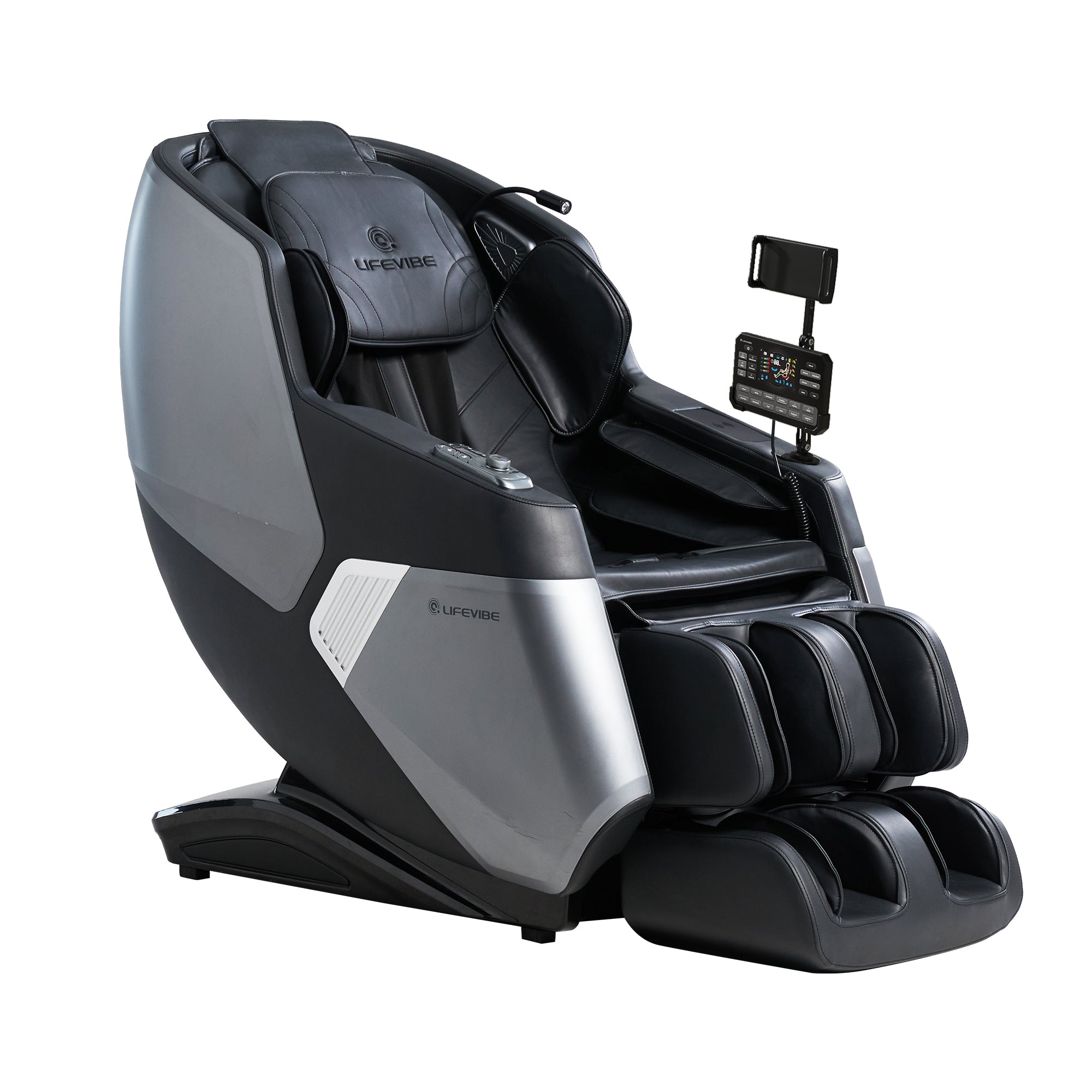
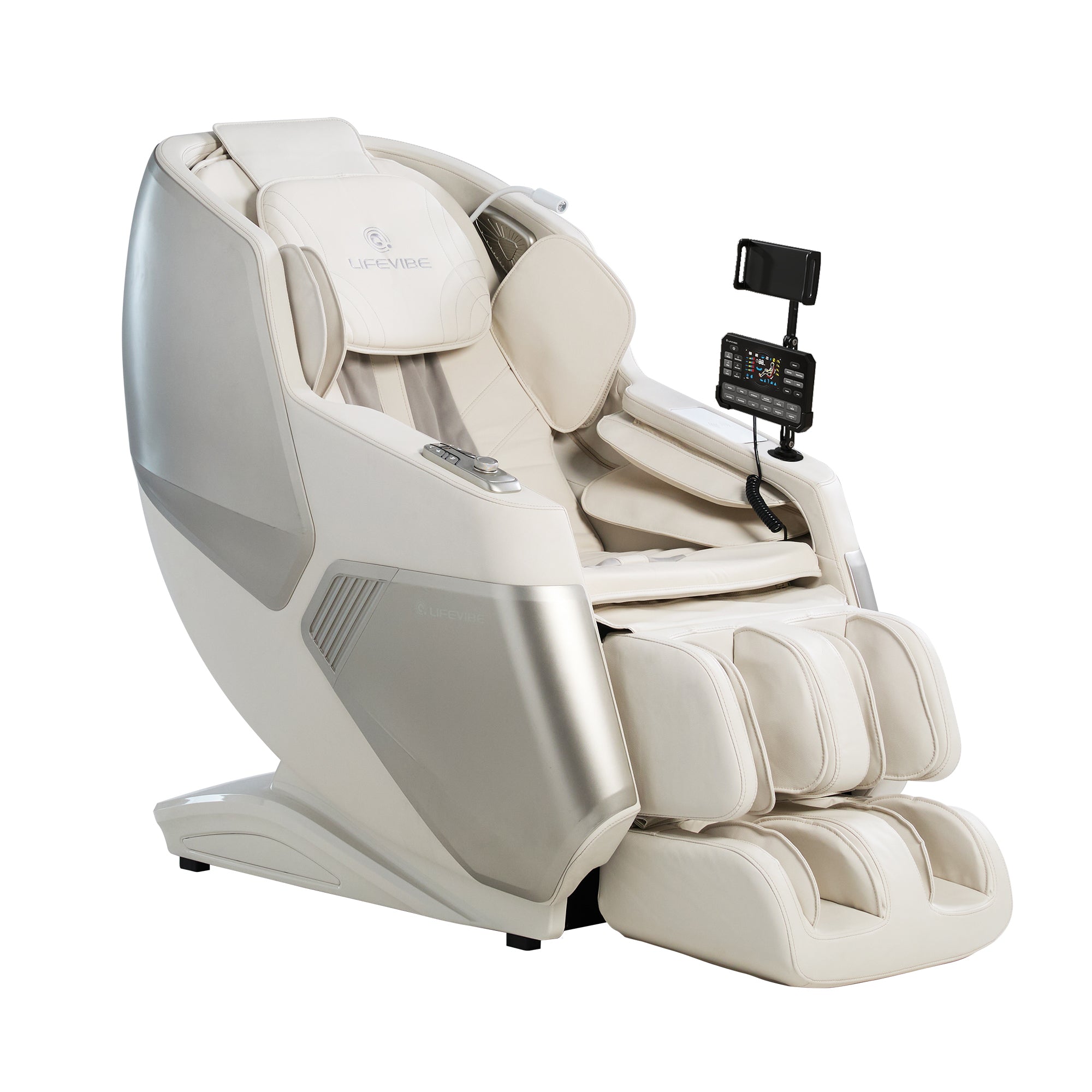
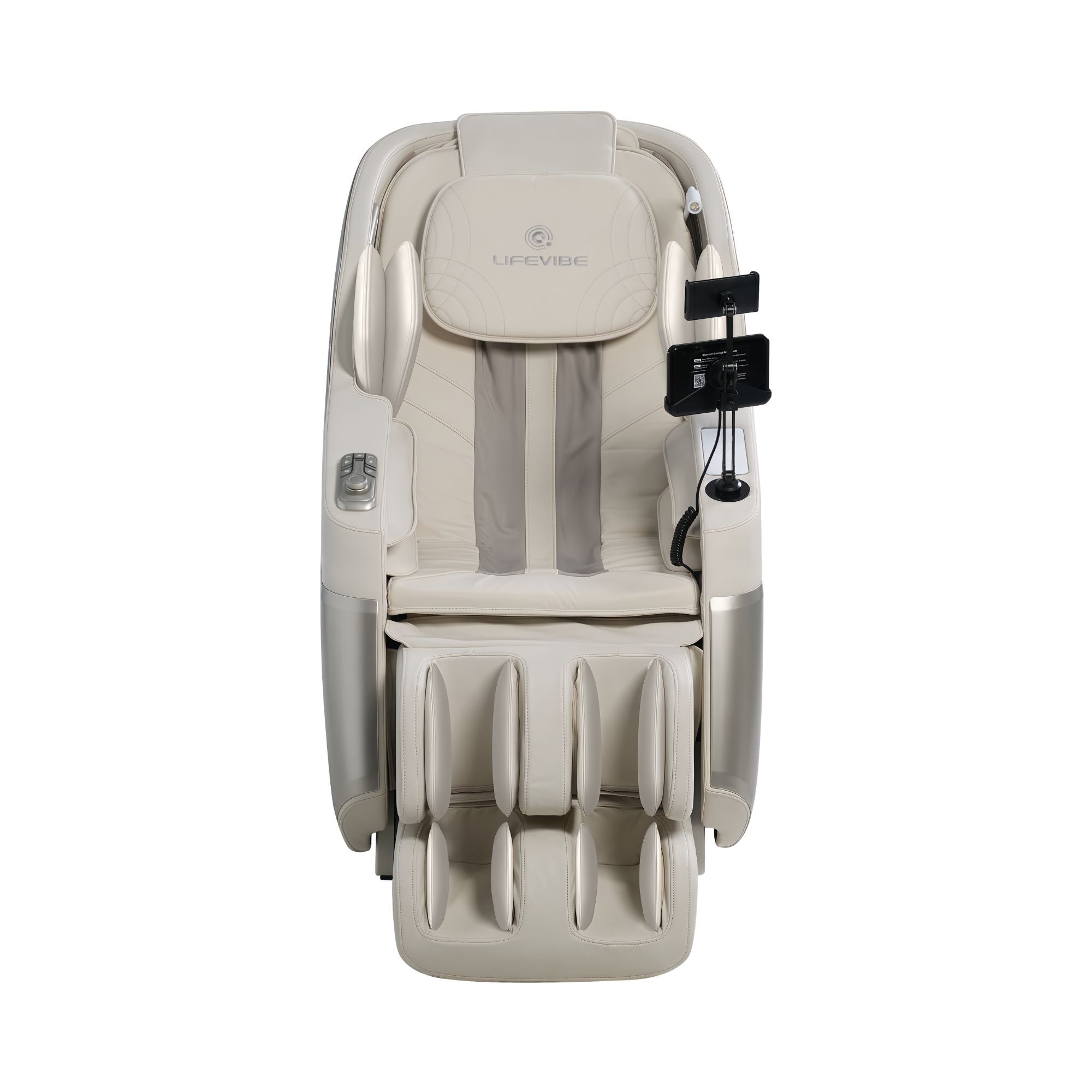
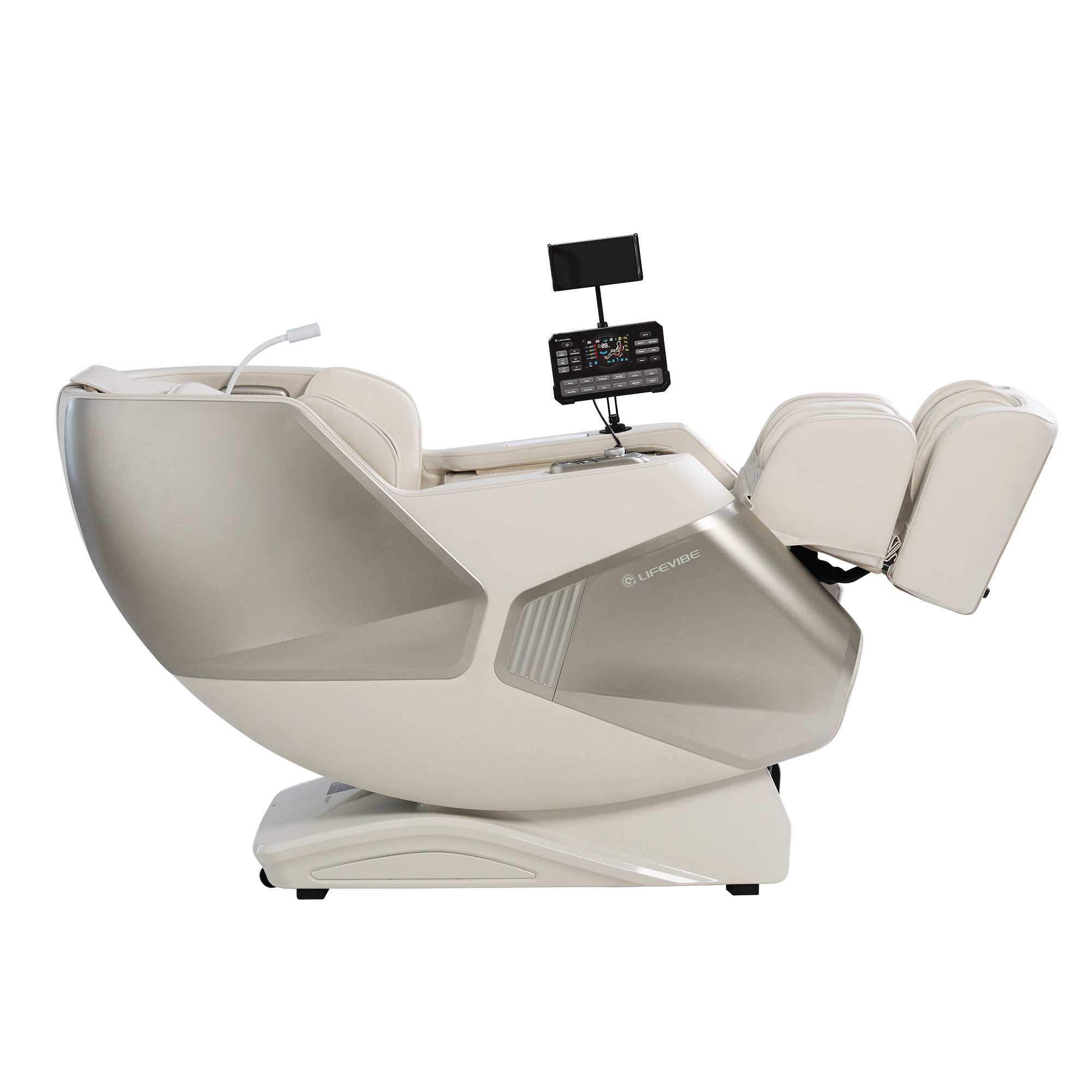
3D massage rollers (Upper Part) and sonic wave transducers (Lower Part)
That’s why people describe it as:
-
“Like the body is breathing with the music”
-
“Like the chair disappears and the rhythm remains”
-
“Not being shaken, but being carried”
The vibration feels internal, not mechanical.
The 8 Music Sync Programs
Music Sync includes 8 built-in base programs that define how motion and vibration respond to rhythm. Think of them as different “movement personalities” for your music.
Some feel flowing and smooth.
Some feel dynamic and pulsing.
Some feel grounding and slow.
So even with the same song, you can choose a different physical interpretation of the rhythm.
You’re not stuck with one style. You’re choosing how you want to feel the sound.
Everyday Ways People Use Music Sync
Music Sync isn’t just for relaxation. People use it in different moments of their day.
For winding down
Soft ambient, piano, or nature tracks become slow waves that help the body release tension before sleep.
For focus
Steady rhythmic music creates gentle alertness without overstimulation.
For emotional reset
Music you love paired with physical rhythm can shift mood faster than sound alone.
For entertainment
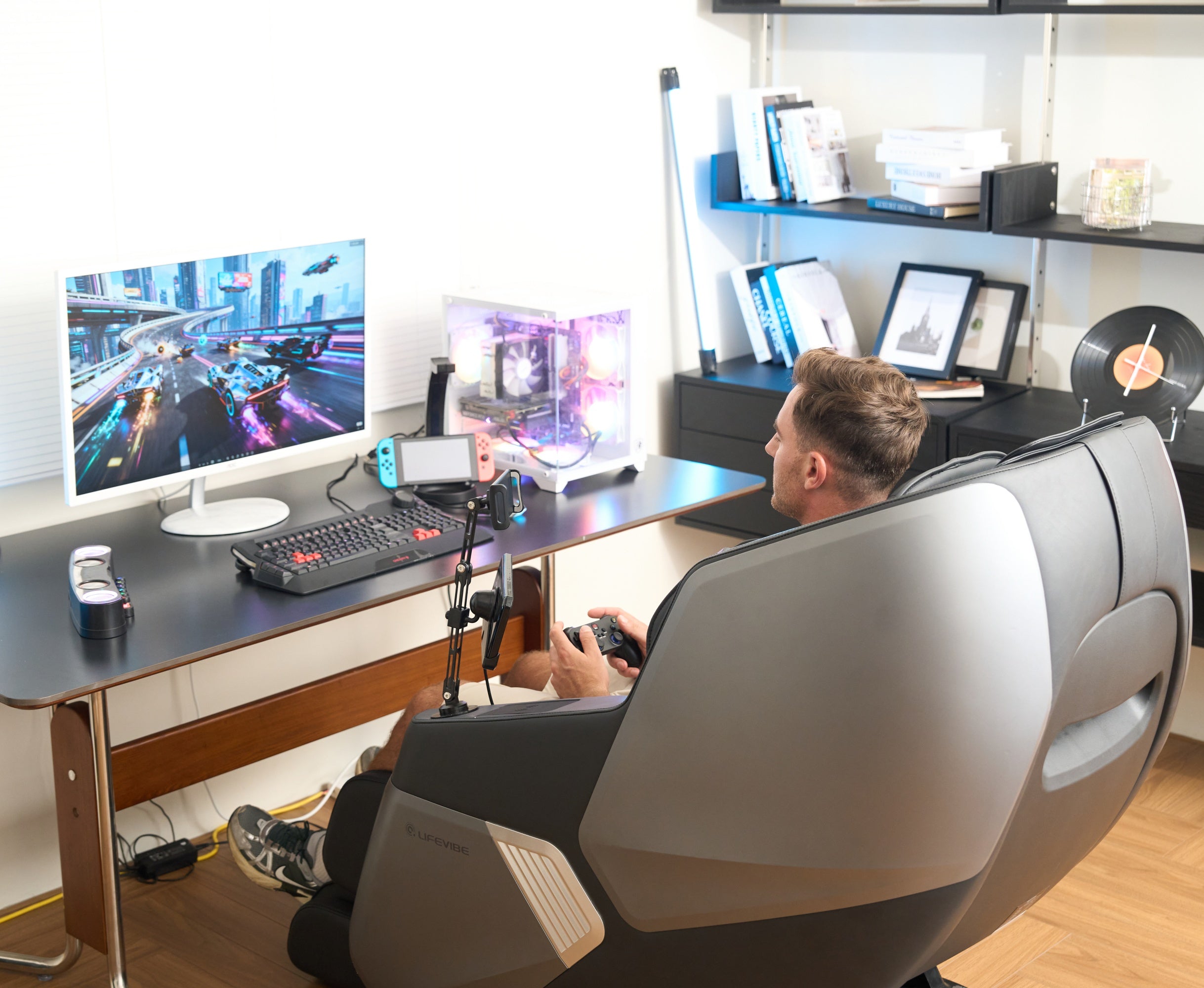
When paired with movies, TV, or even games, the chair turns into a sensory seat where explosions feel heavier, scenes feel more immersive, and sound has dimension.
It turns passive listening into active sensing.
Why the Body Responds So Well to This
The nervous system is deeply responsive to rhythm. Heart rate, breathing, brainwaves — they all move in patterns.
When sound and physical rhythm are aligned, the body naturally starts syncing to that pattern.
That’s why:
-
Slow rhythm encourages calm
-
Steady rhythm supports focus
-
Pulsing rhythm stimulates energy
Music Sync works not because it’s loud or intense, but because it’s organized.
The body doesn’t fight it. It follows it.
How This Fits with Other Lifevibe Modes
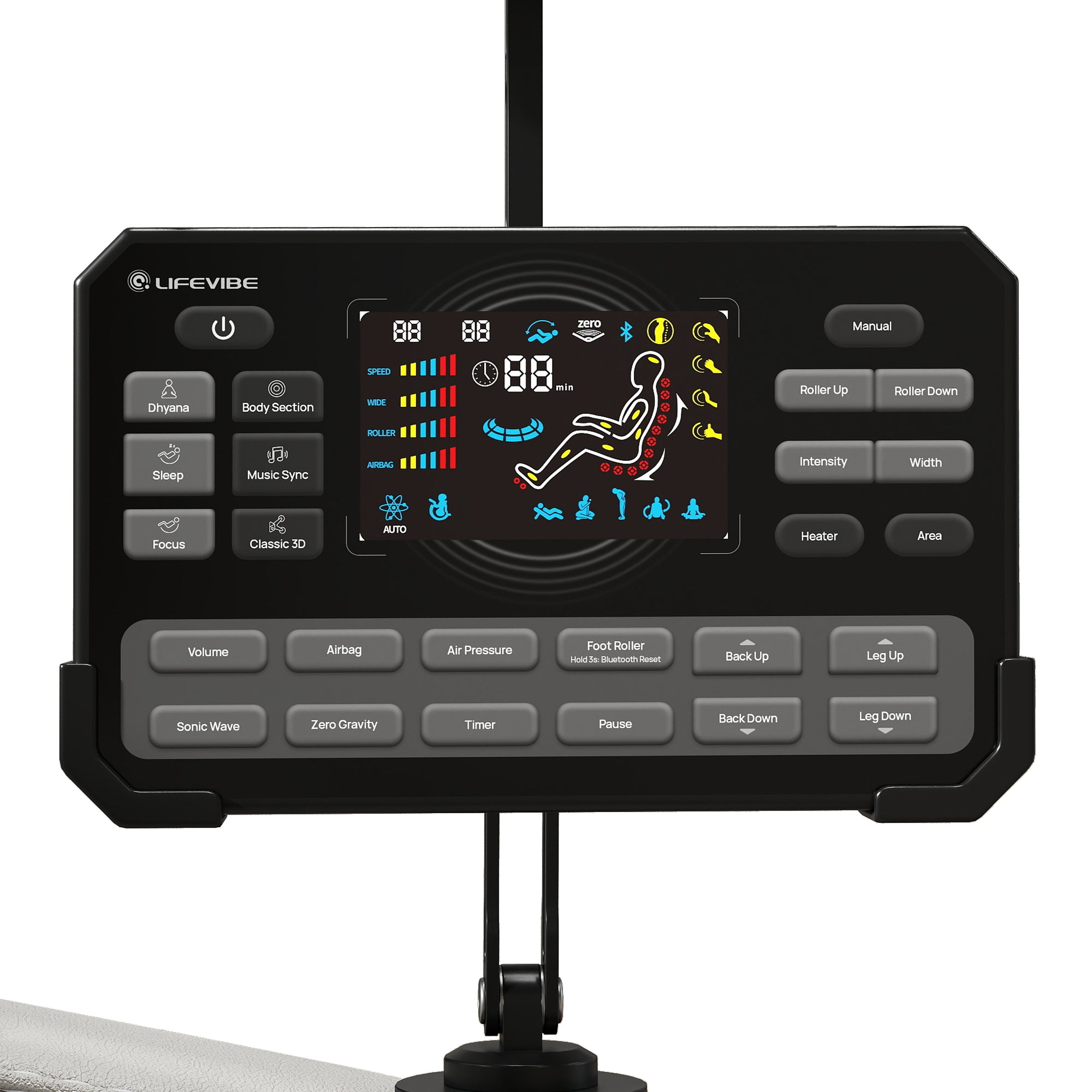
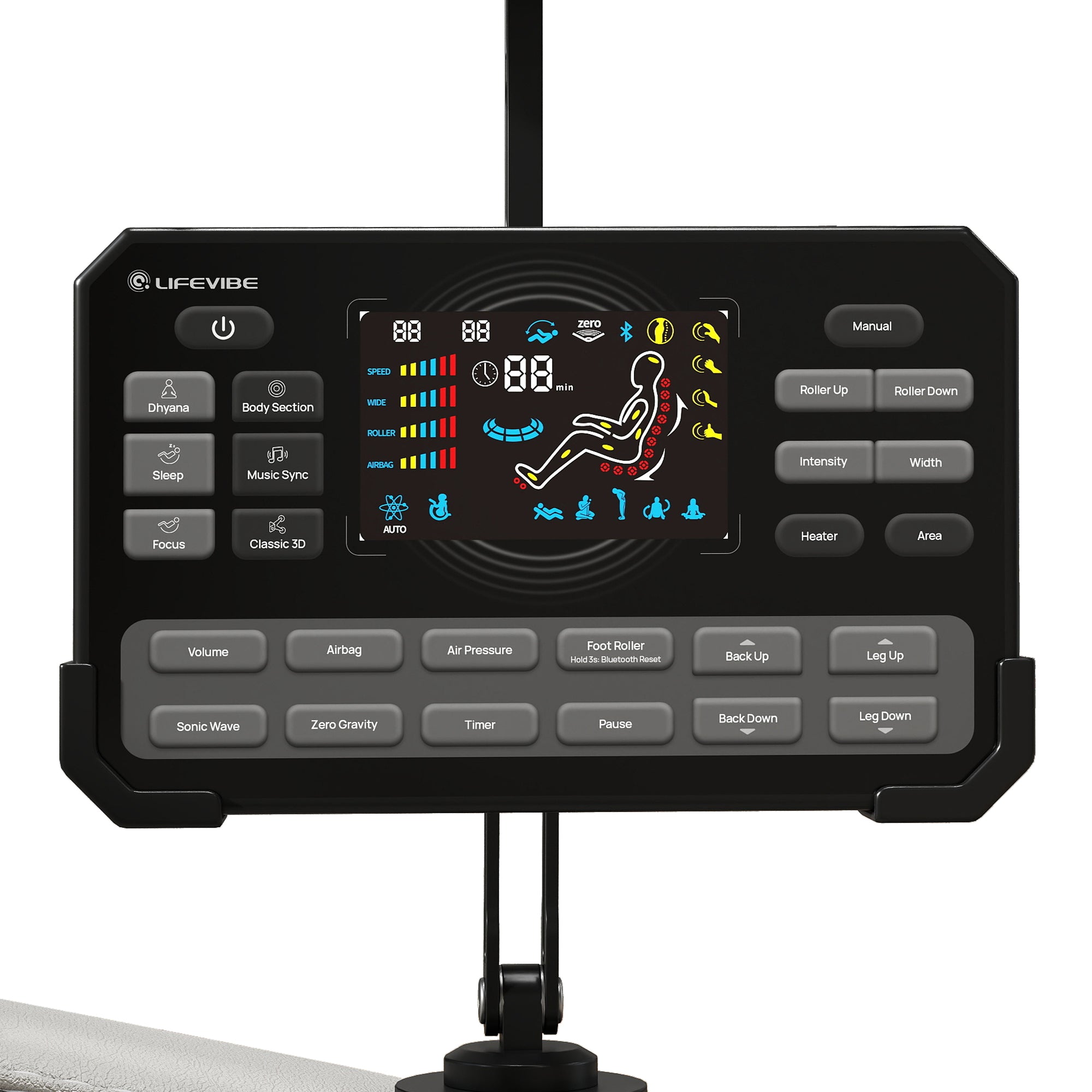
Music Sync sits alongside other programs like Sleep, Dhyana, Focus and Body Section.
Those modes use preset frequency and rhythm logic for specific goals.
Music Sync is the open-ended mode - it lets you bring your own emotional, musical, or entertainment context into the system.
Instead of choosing a mood, you supply it.
The chair simply translates it.
It’s Not About Technology. It’s About Feeling
From the outside, Music Sync looks like a feature.
From the inside, it feels like something else entirely.
It feels like:
-
Sound having weight
-
Rhythm having shape
-
Relaxation happening without effort
You stop thinking about settings, modes, and controls.
You just sit, press play, and feel the day loosen its grip.
That’s what Music Sync is really doing.
Not adding more stimulation —
but turning sound into something your body understands.
Lifevibe VAT Chair doesn’t ask your body to adapt to the chair.
It adapts the chair to rhythm, sound, and your nervous system.
That’s why Music Sync feels less like a function, and more like a conversation between your music and your body.
And once you feel it, it’s hard to go back to just listening.



Share:
Differences Between Auto Programs in Vibroacoustic Therapy (VAT) Chairs
Can a VAT Massage Chair Be Used by Multiple Users with Different Preferences?