

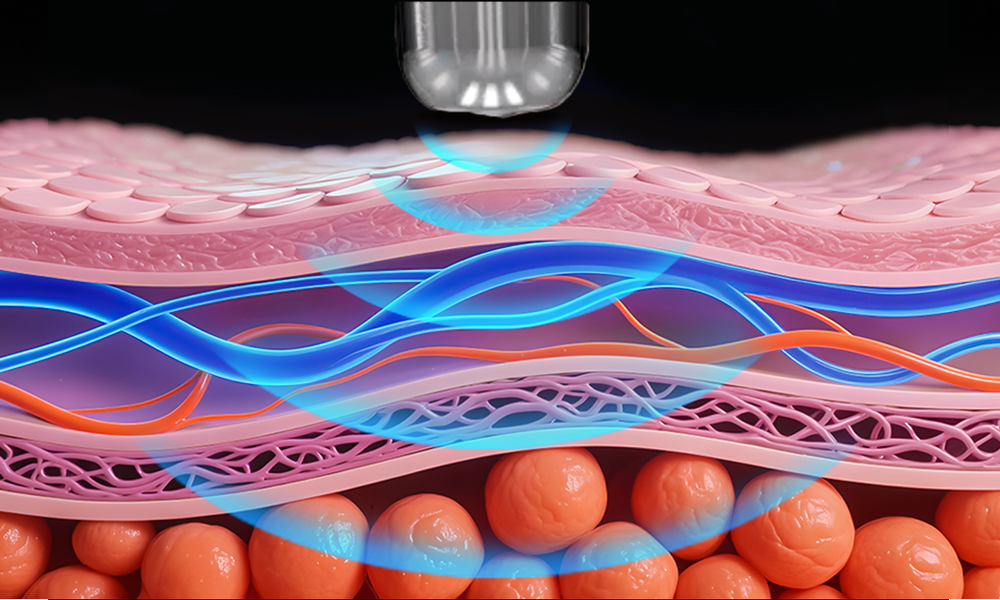
If you’ve ever tried a vibroacoustic therapy (VAT) massage chair, you probably felt the vibrations travel way deeper than a surface massage. It’s not just a buzz on your skin — it feels like something is happening inside your body. So how deep do those sound waves actually go? And what does that mean for your muscles, nerves, and overall relaxation?
Let’s talk about what’s really going on under the surface.
Sound Waves That Travel Through You
VAT massage chairs use low-frequency sound waves, usually in the range of about 30 to 120 Hz. These aren’t sharp or loud sounds — they’re slow, deep vibrations that move through your body tissues instead of stopping at the skin.
Because the human body is mostly made of water (about 60%), sound waves travel through it surprisingly well. In fact, sound moves faster in water than in air, which means these waves can pass through muscles, connective tissue, and even reach areas close to joints and the spine.

In practical terms, this means VAT vibrations can reach several centimeters below the skin, often into the deeper muscle layers that normal massage rollers or hands can’t easily access.
How Deep Is “Deep,” Exactly?
While exact depth varies depending on frequency, body type, posture, and chair design, most vibroacoustic systems are designed to reach:
-
Surface tissues (skin and fascia)
-
Mid-level muscles (like the trapezius, glutes, and back muscles)
-
Deeper muscle layers near the spine, hips, and shoulders
Think of it this way: traditional massage mostly works from the outside in. VAT works from the inside out, letting vibration pass through tissue layers rather than pressing down on them.
This is why people often describe the feeling as “melting,” “floating,” or “internally calming,” instead of “kneading” or “pushing.”
What can sound wave of VAT massage chair do?
Why Low Frequencies Matter
Higher-frequency vibrations stay closer to the surface. Lower frequencies travel farther and feel deeper.
That’s why VAT chairs focus on slow, low frequencies — they’re better at:
-
Relaxing deep muscle tension
-
Encouraging circulation at a cellular level
-
Helping the nervous system shift into a calmer state
Instead of forcing muscles to loosen, the vibration gently encourages them to release on their own.
It’s subtle, but powerful.
It’s Not Just About Muscles
The sound waves don’t only affect muscles — they also interact with the nervous system.
Low-frequency vibrations stimulate sensory receptors throughout the body. These signals tell your brain, “You’re safe. You can relax now.” That’s why many people feel sleepy, peaceful, or mentally quiet during or after a session.
So even if the vibration isn’t physically “touching” every internal organ, it’s still influencing how your body feels and responds internally.
That’s part of why people use VAT chairs for:
-
Stress relief
-
Better sleep
-
Mental focus and emotional balance
-
Recovery after physical activity
Does Everyone Feel It the Same Way?
Not exactly.
Factors that affect how deep the vibration feels include:
-
Your body composition (muscle vs fat ratio)
-
Your hydration level
-
Your posture in the chair
-
The intensity setting you choose
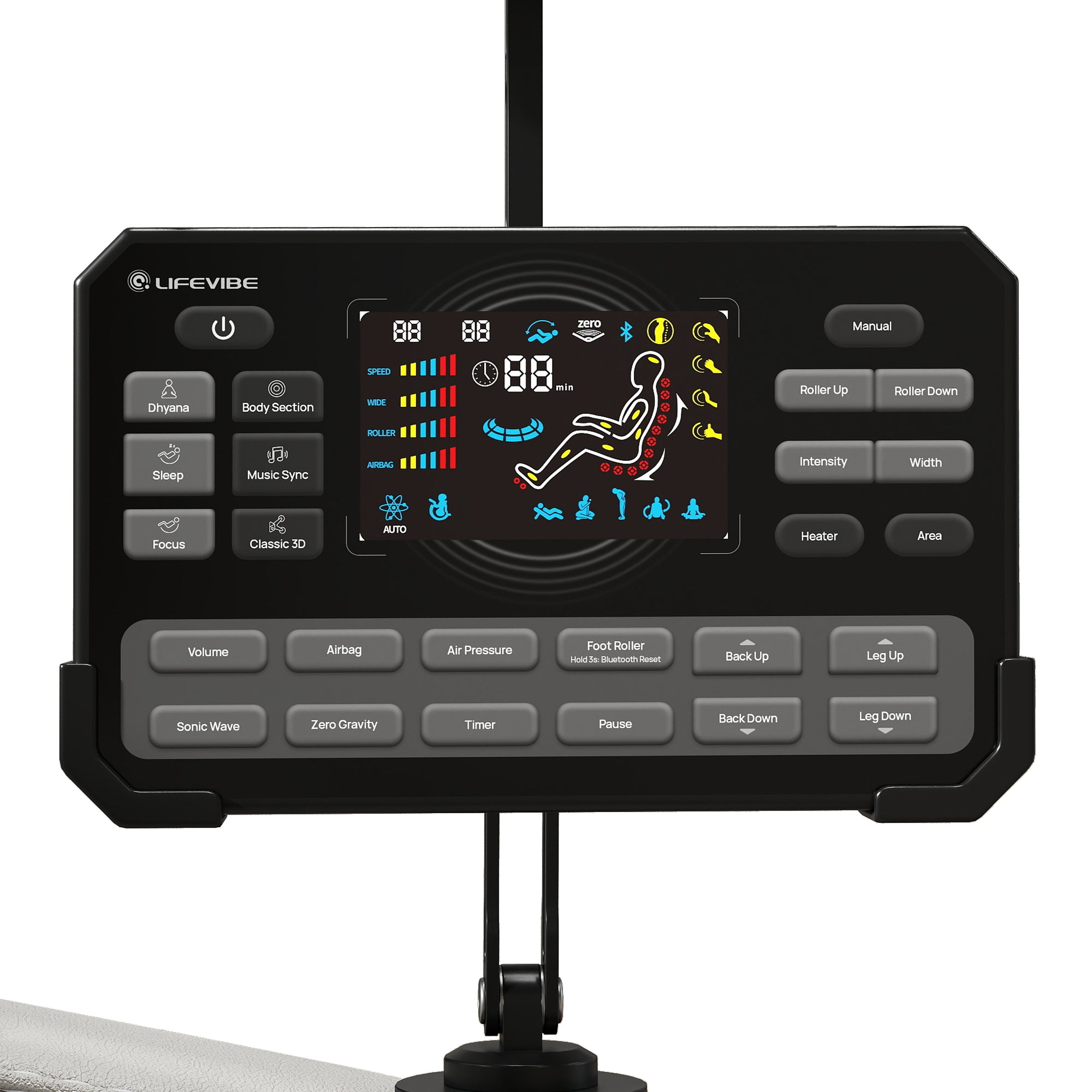
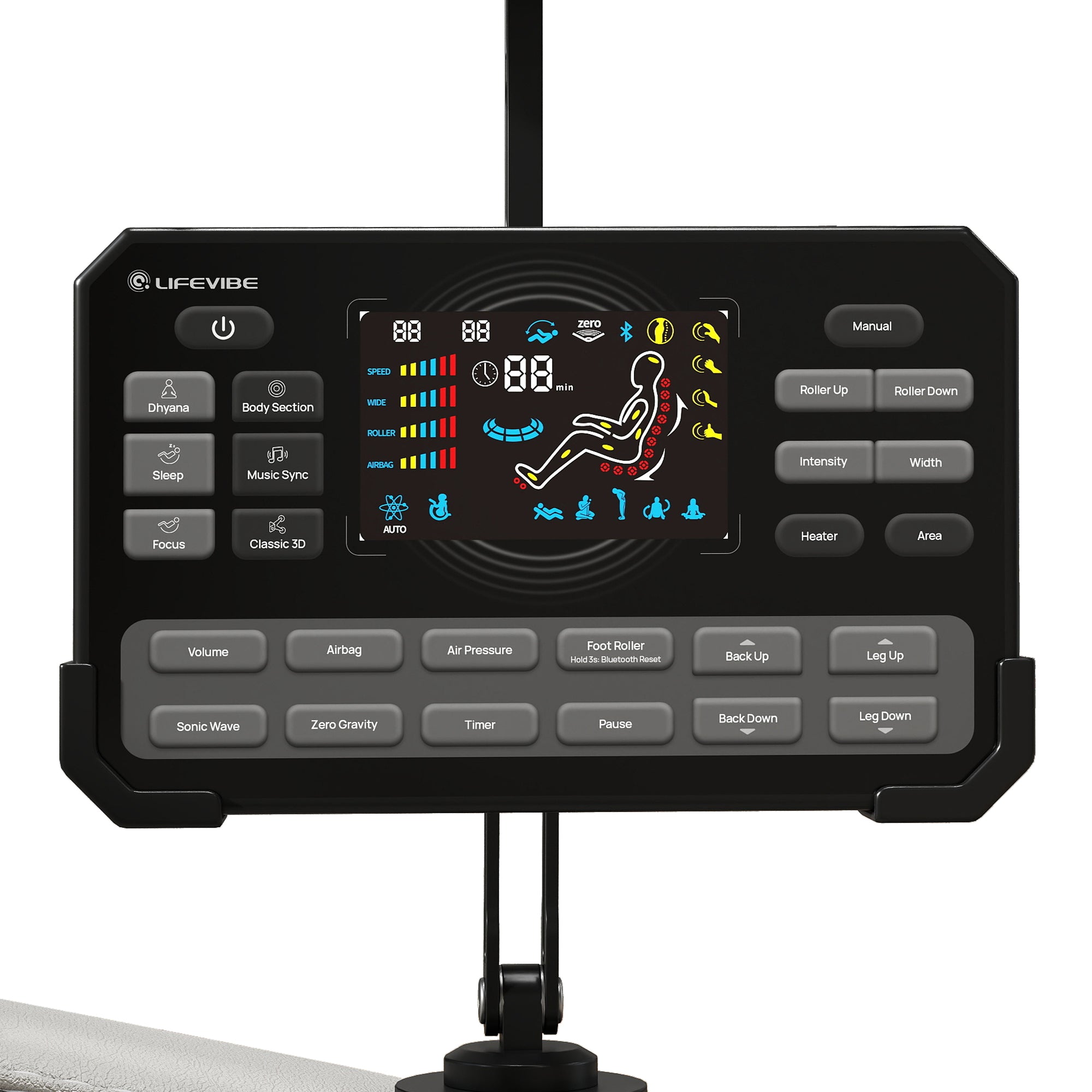
That’s why adjustable intensity is so important. A lighter setting might feel soothing and meditative, while a stronger setting can feel like it’s working deeply into stubborn tension.
Neither is better — they just serve different purposes.
So How Deep Do They Go?
Short answer: deep enough to reach core muscle layers and influence the nervous system, without being invasive or uncomfortable.
It’s not a medical treatment and it’s not drilling into your body — it’s using physics, vibration, and sound to gently move through tissue in a way that hands and rollers can’t quite replicate.
And that’s exactly what makes vibroacoustic therapy feel so different.
It doesn’t push.
It doesn’t force.
It flows.
And sometimes, that’s exactly what your body needs.





Share:
Can the Intensity of the Sonic Wave Vibration Be Adjusted?
Who should not use a vibroacoustic therapy massage chair?