

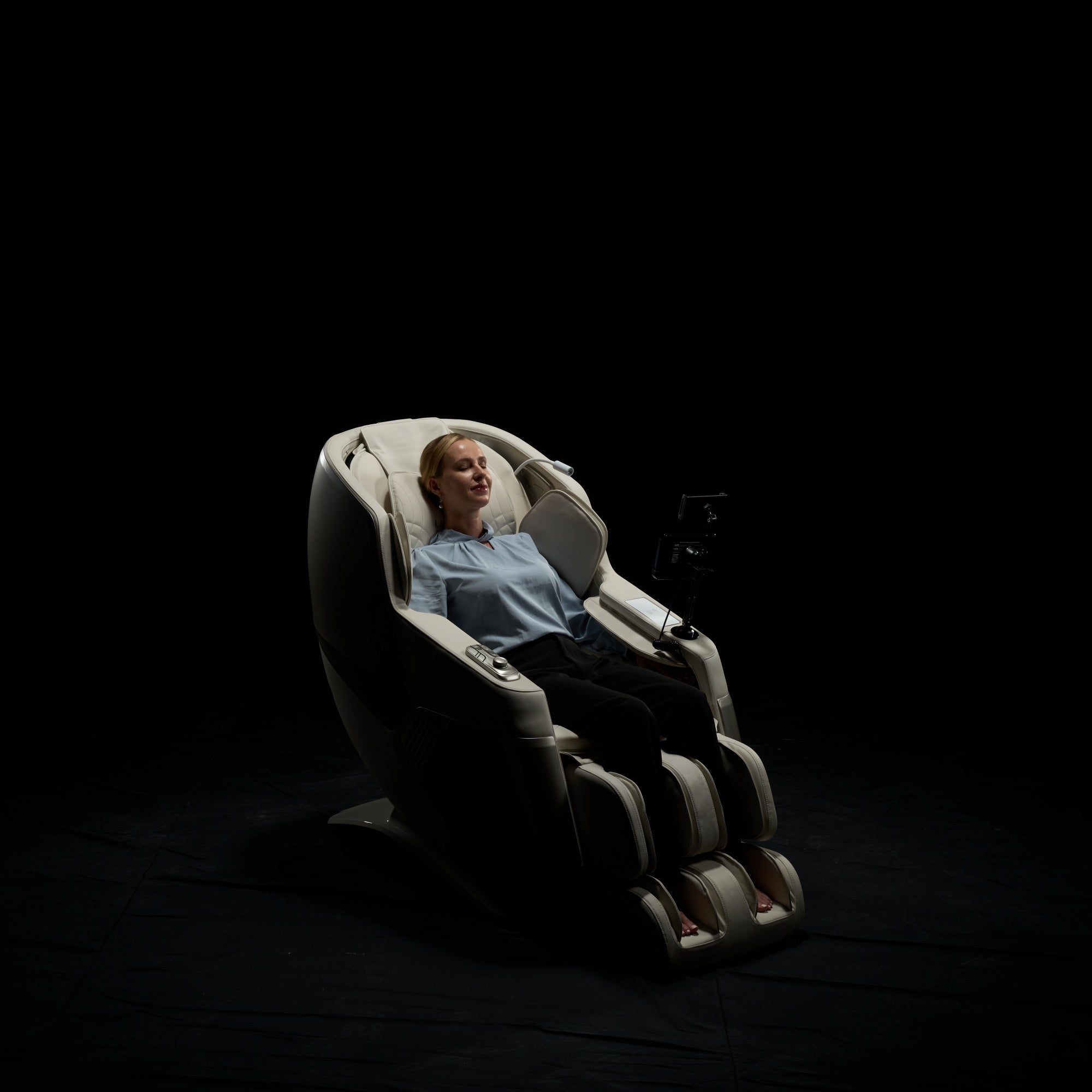
Vibroacoustic therapy (VAT) massage chairs are designed to be gentle, calming and supportive for the body — but that doesn’t mean they’re right for absolutely everyone in every situation. Just like with exercise, heat therapy, or even supplements, there are times when your body needs something different.
So the honest answer is: yes, there are certain health conditions and situations where using this type of chair may not be recommended — or at least should be discussed with a healthcare professional first.
This isn’t about being alarmist. It’s about using wellness tools in a way that’s smart, safe and actually helpful for your specific body.
If You Have a Heart or Circulatory Condition
If you have serious cardiovascular issues, extra care matters.
That includes:
-
Heart rhythm disorders (like arrhythmia)
-
A pacemaker or implanted cardiac device
-
Severe heart disease
-
Uncontrolled high blood pressure
Low-frequency vibration can influence circulation and nerve signaling. For most people that’s beneficial — but for someone with heart rhythm concerns or an implanted device, those vibrations may interfere with how the device functions or how the body regulates itself.

Vibration stimulates circulation, supporting oxygen flow and natural recovery
If you fall into this category, it doesn’t mean “never.” It means talk to your doctor before using it, especially at higher intensity levels.
If You’re Pregnant
Pregnancy changes circulation, joint stability, and nervous system sensitivity.
While light relaxation massage is often fine, deep vibration, heat, or pressure — especially around the lower back, hips, and abdomen — may not be recommended during pregnancy, particularly in the first trimester.
Some providers allow gentle massage chairs later in pregnancy, but vibroacoustic vibration is a different kind of stimulation. So again, this is a “check first” situation.
If You Have Epilepsy or Seizure Disorders
Low-frequency sound and vibration can stimulate the nervous system. In people with seizure sensitivity, this stimulation could potentially act as a trigger.
It’s not common, but it’s possible — which is why most manufacturers advise people with seizure disorders to avoid or seek medical approval before using vibroacoustic devices.

Neural pathways respond to resonance, easing stress and restoring natural calm without external force.
If You Have Severe Osteoporosis or Fragile Bones
Vibration can feel soothing to muscles, but if your bones are very fragile, even gentle movement could pose a risk.
If you’ve been diagnosed with:
-
Severe osteoporosis
-
Advanced bone density loss
-
A condition that makes bones easily breakable
Then vibration and rolling massage could increase the risk of discomfort or injury, especially in the spine or hips.
Mild bone density loss is different — this warning is mainly for advanced cases.
If You Have a Recent Injury, Surgery, or Inflammation
This one is very important.
Avoid using the chair if you have:
-
A recent fracture or sprain
-
A herniated disc flare-up
-
A recent surgery or open wound
-
Acute inflammation or infection
-
A blood clot or deep vein thrombosis (DVT)
Vibration increases circulation and tissue movement — which is helpful for recovery later, but not during the acute healing or inflammatory phase.
Your body needs stability first, stimulation later.
If You Have Active Cancer or Are Undergoing Cancer Treatment
This is a sensitive area.
While gentle relaxation can be emotionally supportive, vibration and increased circulation may not be appropriate during active cancer or certain treatments, especially near tumor sites, radiation areas, or ports.
Oncologists often have specific recommendations about massage and vibration, so it’s always best to follow their guidance.
If You Have Neuropathy or Reduced Sensation
If you have nerve damage, diabetic neuropathy, or reduced sensation in parts of your body, you may not accurately feel intensity levels or discomfort.
That means you could unintentionally over-stimulate or irritate tissues without realizing it.
In this case, low intensity only — or medical guidance first — is the safest approach.
How do vibroacoustic massage chairs work on your body
If You Have Vertigo, Motion Sensitivity or Inner Ear Disorders
Some people are very sensitive to vibration and rhythmic motion. For them, vibroacoustic stimulation can cause:
-
Dizziness
-
Nausea
-
Head pressure
-
A sense of imbalance
If you already struggle with vertigo or vestibular issues, this type of chair may feel uncomfortable rather than relaxing.
If You Have a Pacemaker or Metal Implants
Implanted medical devices and certain metal implants may be affected by vibration or electromagnetic components inside the chair.
That includes:
-
Pacemakers
-
Neurostimulators
-
Insulin pumps
-
Certain surgical metal implants
This doesn’t always mean “no,” but it does mean get professional clearance first.
So Who Is VAT Chair Generally Good For?
For most healthy adults dealing with:
-
Muscle tension
-
Stress and burnout
-
Poor sleep
-
Desk-related stiffness
-
Emotional overload
-
General aches and tightness
…this type of VAT chair is usually gentle, calming and supportive.
The key idea is not “Is this chair safe in general?”
The real question is: Is it safe for your body, right now, in its current condition?
A Simple Rule of Thumb
If your body is:
-
Stable
-
Not in an acute medical phase
-
Not recovering from surgery or injury
-
Not affected by device-based medical tech
…then the chair is likely safe when used responsibly.
If your body is:
-
Healing
-
Medically complex
-
Neurologically sensitive
-
Carrying a device or condition that reacts to stimulation
…then a short conversation with your healthcare provider is the smartest move.
Your body isn’t a machine. It’s a system. And the better you respect its current state, the better your wellness tools will actually support you.




Share:
How Deep Do Sound Waves of a VAT Massage Chair Penetrate into the Body?
How Does VAT Massage Chair Detect Your Body Shape?