

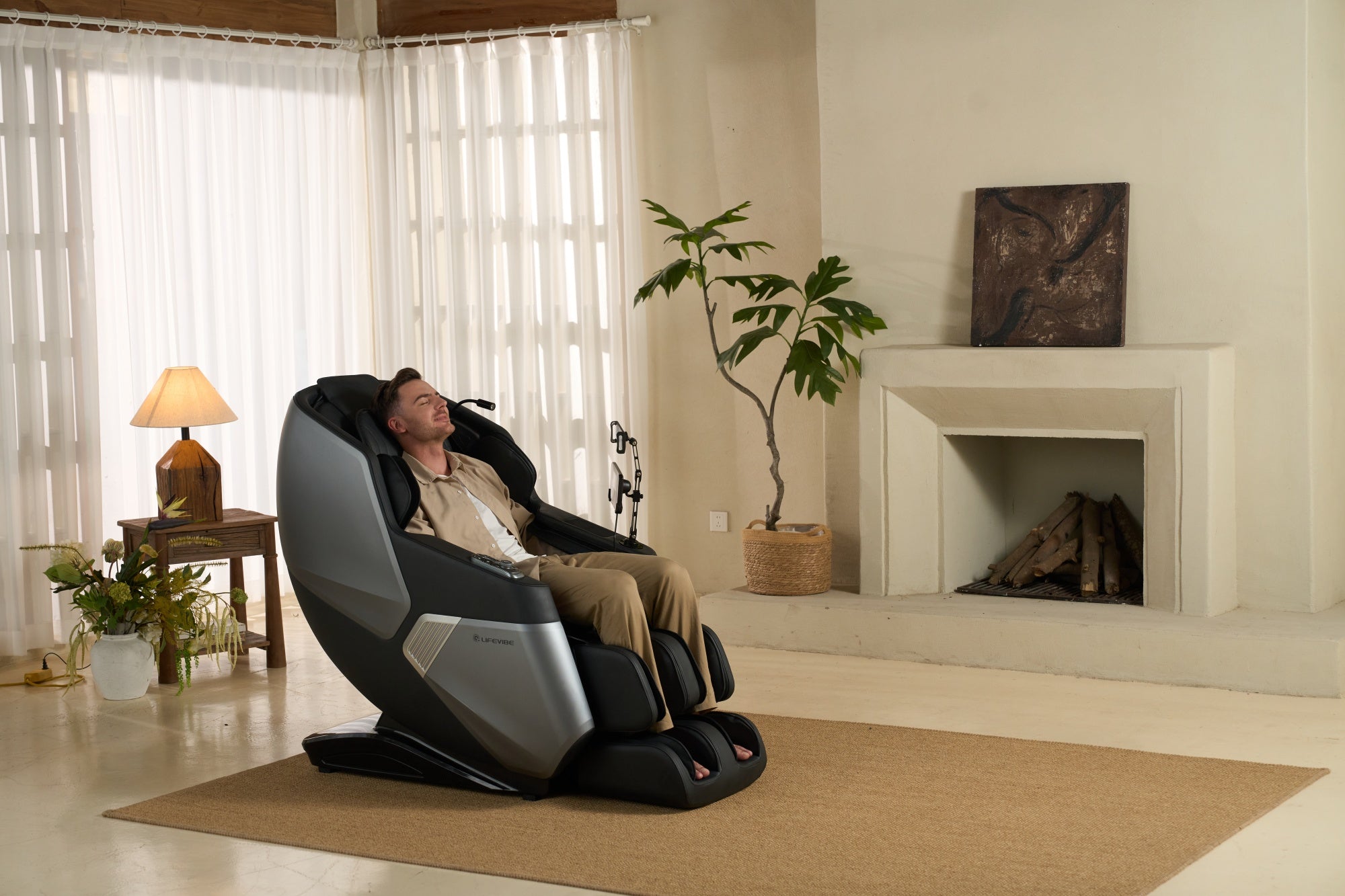
If you’ve ever tried a massage chair and thought, “This is nice, but it’s not quite what my body needs,” you’re not alone.
Traditional massage chairs focus on pressure — pushing, kneading, tapping from the outside. Vibroacoustic therapy chairs work differently. They use low-frequency sound waves that move through the body, not just against it. And that difference matters more than you might think.
So who actually benefits from a vibroacoustic therapy massage chair? Let’s talk about real people, real routines and real reasons.
People Who Feel Tired Even When They’re Not “Sore”
Not all tension shows up as muscle pain.
Some days you’re just… drained. Heavy. Foggy. Your body isn’t screaming, but it’s definitely not relaxed either.
Vibroacoustic therapy is especially helpful for this kind of quiet fatigue. The low-frequency vibrations travel evenly through soft tissue, fascia and deeper layers, creating a calming, full-body resonance instead of spot pressure. It’s less about fixing a knot and more about helping your whole system slow down.
If your stress feels internal rather than muscular, this type of chair tends to feel more natural and less demanding.

Desk Workers and Remote Professionals
Sitting all day does strange things to the body.
Your shoulders creep upward. Your lower back collapses. Your hips stop moving the way they should. And by the end of the day, a hard, aggressive massage can feel like too much.
This is where vibroacoustic therapy shines.
Instead of forcing muscles to release, sound-based vibration encourages the body to reset gradually. Programs designed for focus or posture often combine subtle movement with steady rhythm, helping the nervous system stay alert without feeling overstimulated.
For people who work from home, write, design, code, or spend long hours in meetings, it’s less about “deep tissue” and more about restoring balance without knocking you out.

Anyone Who Doesn’t Like Intense Massage Pressure
Let’s be clear: not everyone enjoys strong pressure.
Some people tense up the moment a roller presses too hard. Others feel sore afterward, even if the massage was technically “effective.”
Vibroacoustic therapy doesn’t rely on force to feel deep. The depth comes from frequency, not pressure. That makes it a better fit for people who are sensitive, easily overstimulated, or simply prefer a gentler experience.
You still feel something happening — just without the “brace yourself” moment.
People Who Struggle to Truly Relax Before Sleep
If you’ve ever tried to relax at night and found your body refusing to cooperate, you know how frustrating that can be.
Sleep-focused vibroacoustic programs are designed to be steady, predictable, and non-disruptive. No sudden movements. No sharp transitions. Just slow, rhythmic vibration paired with calming sound patterns.
The result feels less like a massage session and more like easing into rest. Many users describe it as their body “settling” instead of being worked on.
If falling asleep is harder than staying asleep, this kind of chair can help create a smoother transition.

People Who Care About Mood, Not Just Muscles
Physical tension and emotional tension are more connected than we like to admit.
Vibroacoustic therapy has long been used in wellness settings because sound and rhythm influence how the nervous system behaves. Certain frequency ranges are associated with calm, grounding sensations, while others support alertness and clarity.
That’s why some chairs offer different modes for meditation, focus or mental reset — not just physical relief.
If your idea of relaxation includes atmosphere, rhythm, and how you feel afterward, not just how loose your shoulders are, this approach tends to resonate more deeply.

Users Looking for a Daily, Sustainable Wellness Habit
Some recovery tools feel great once in a while but are hard to use regularly.
Too loud. Too aggressive. Too tiring.
Vibroacoustic therapy chairs are designed for repeat use. The experience is non-invasive, low-impact, and adjustable, which makes it easier to integrate into daily routines — whether that’s a short session between meetings or a longer wind-down in the evening.
For people who see wellness as a rhythm rather than a special occasion, that consistency matters.
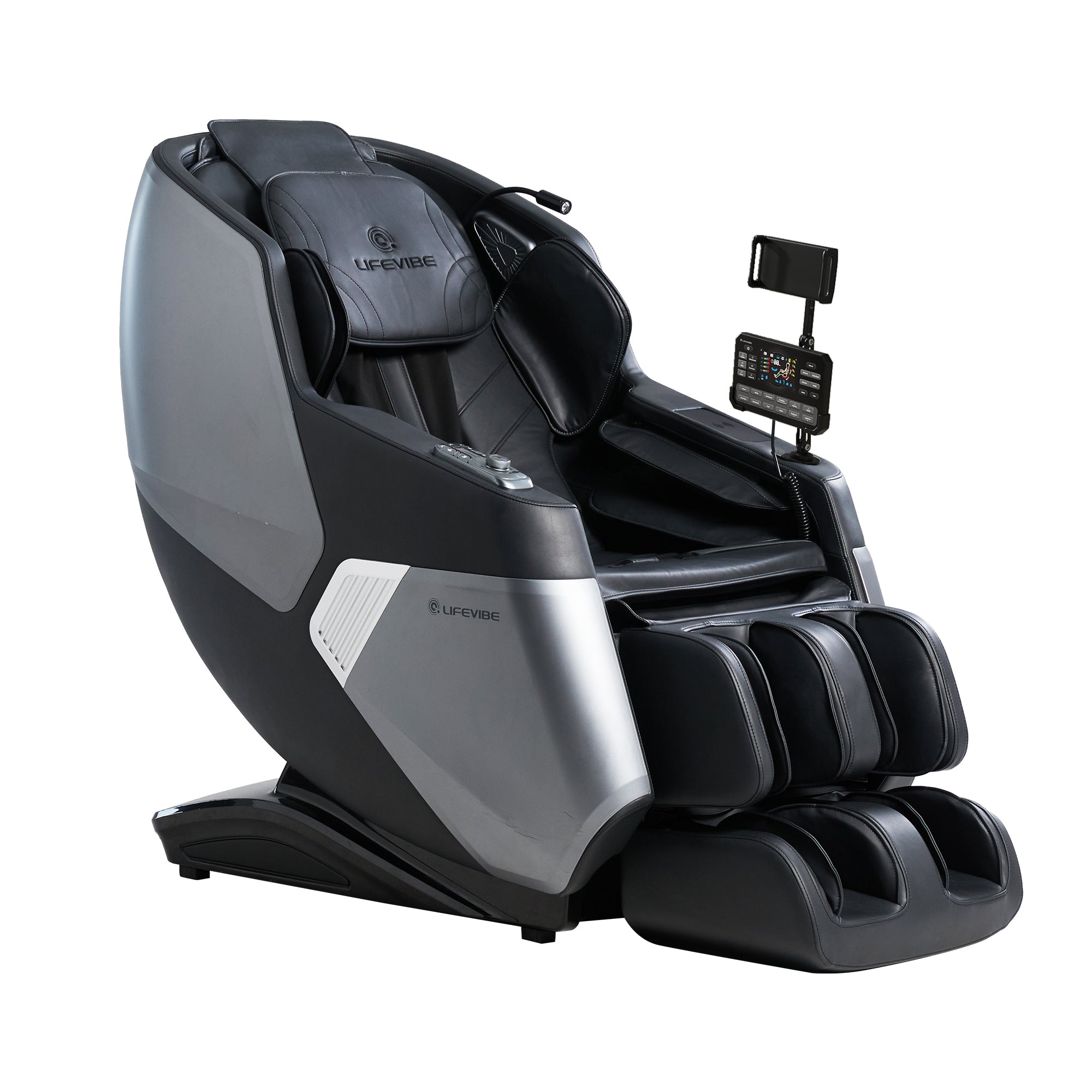
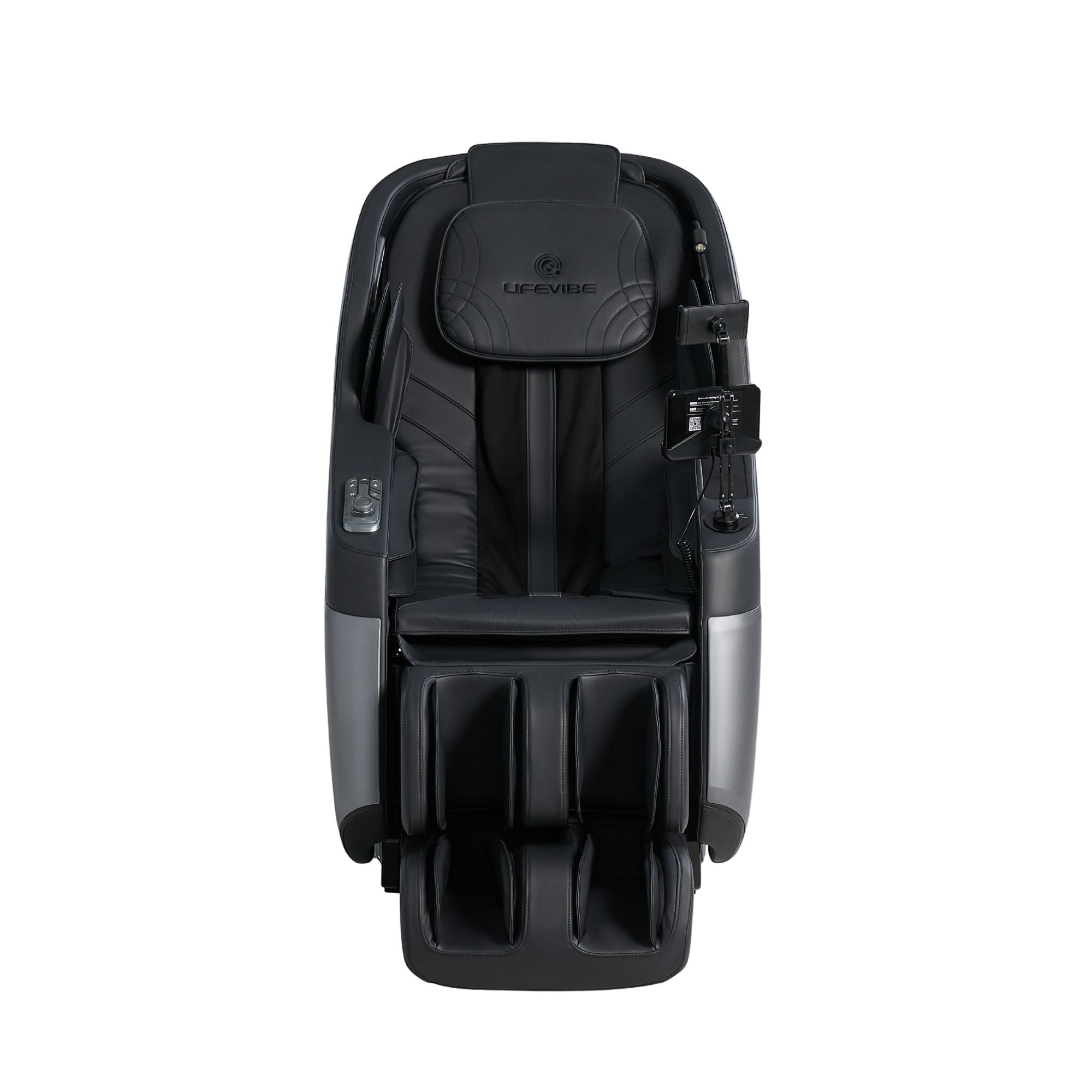
Engineered for precision—not pressure.

The sonic wave transducer converts low-frequency audio into controlled vibrations—delivered deep into the body.
Those Curious About Technology-Driven Wellness
If you’re interested in how science, sound and the body interact, vibroacoustic therapy offers something different from traditional massage logic.
It’s not about copying human hands perfectly. It’s about using frequency, timing and synchronization to work with how the body naturally responds to vibration and rhythm.
For tech-curious users who want more than mechanical movement — something that feels intentional and thoughtfully designed — this category makes sense.

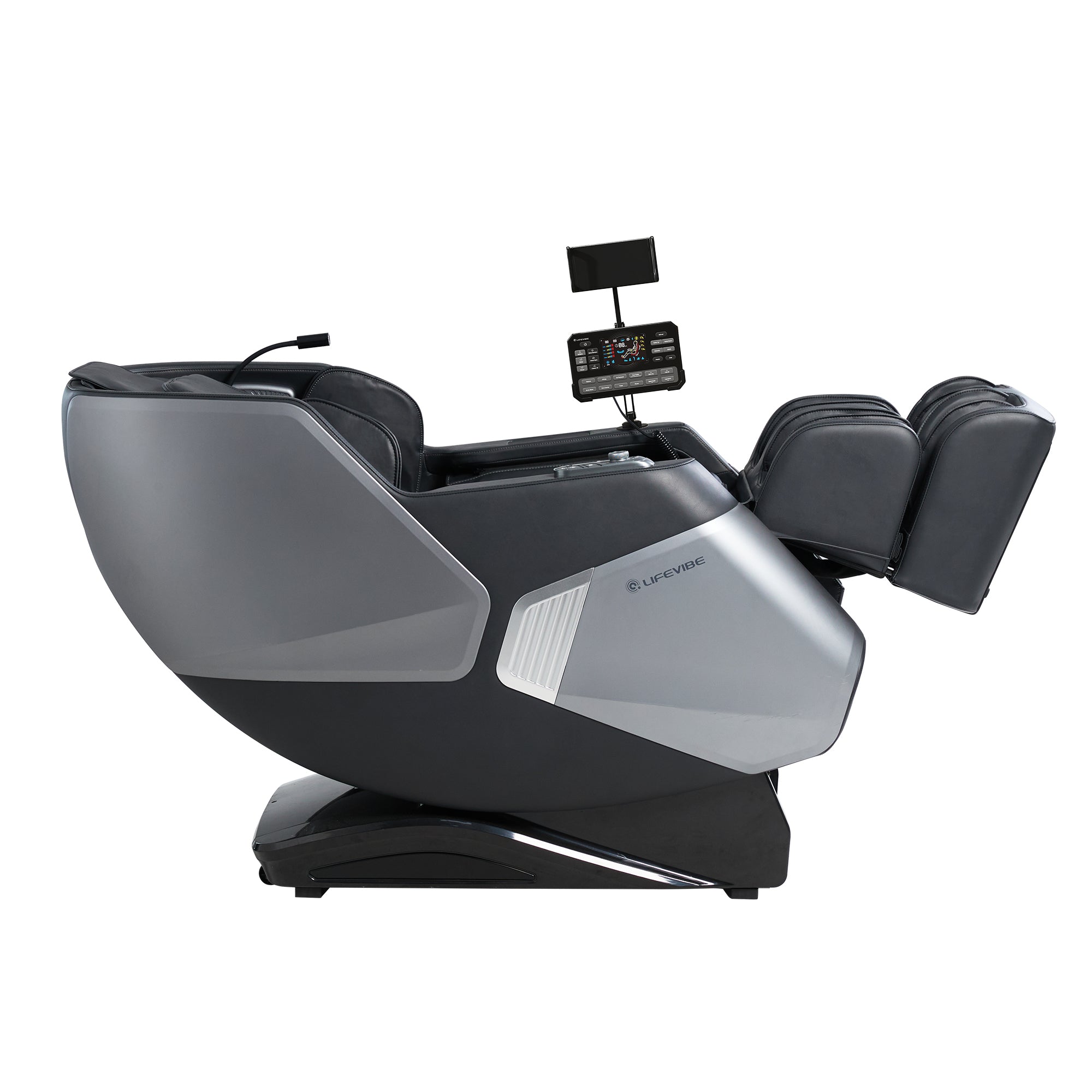
Sonic Wave Massage Mechanism fuses precision rollers with sonic resonance—delivering movement that feels deeper.
So Is Vibroacoustic Therapy for Everyone?
Not necessarily. And that’s okay.
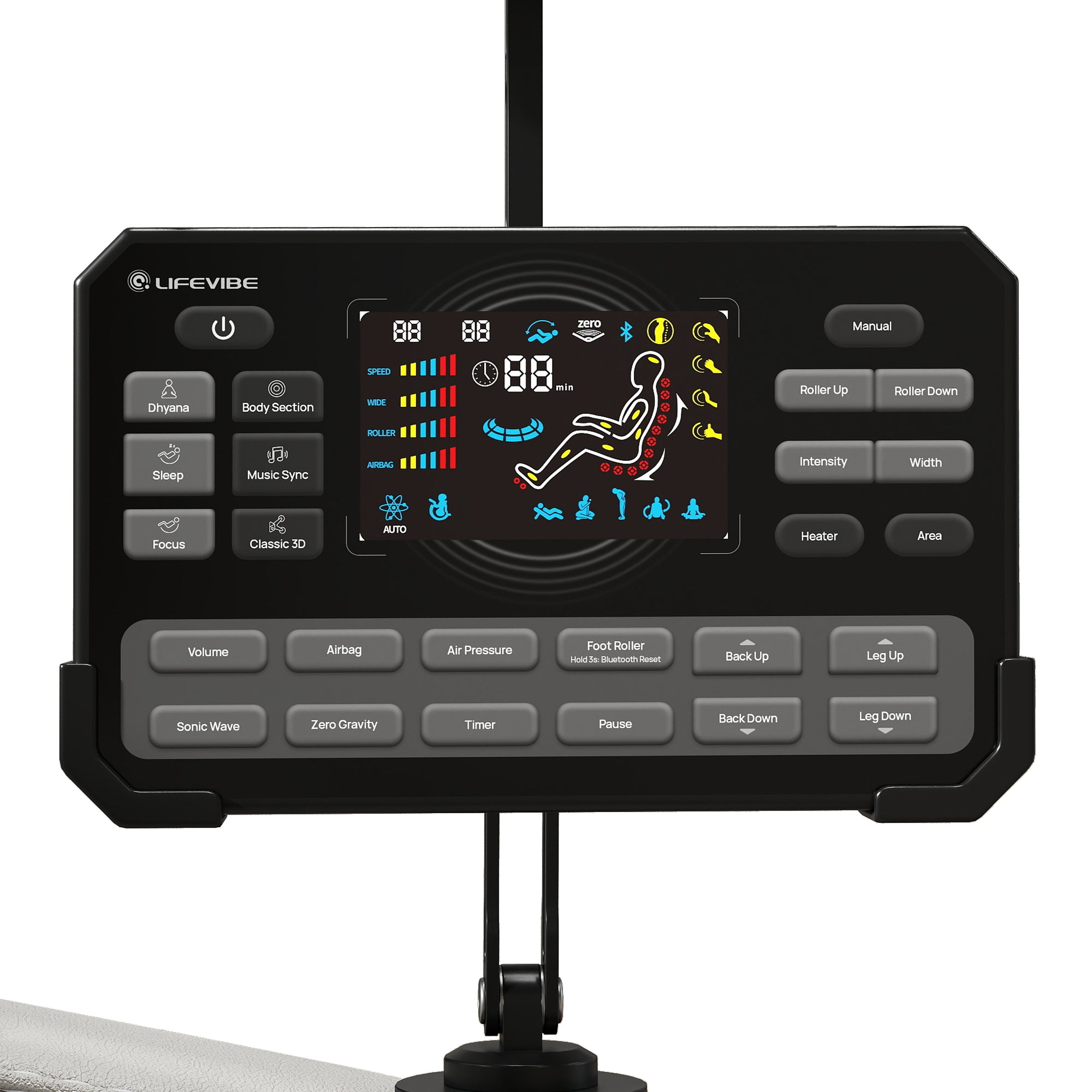
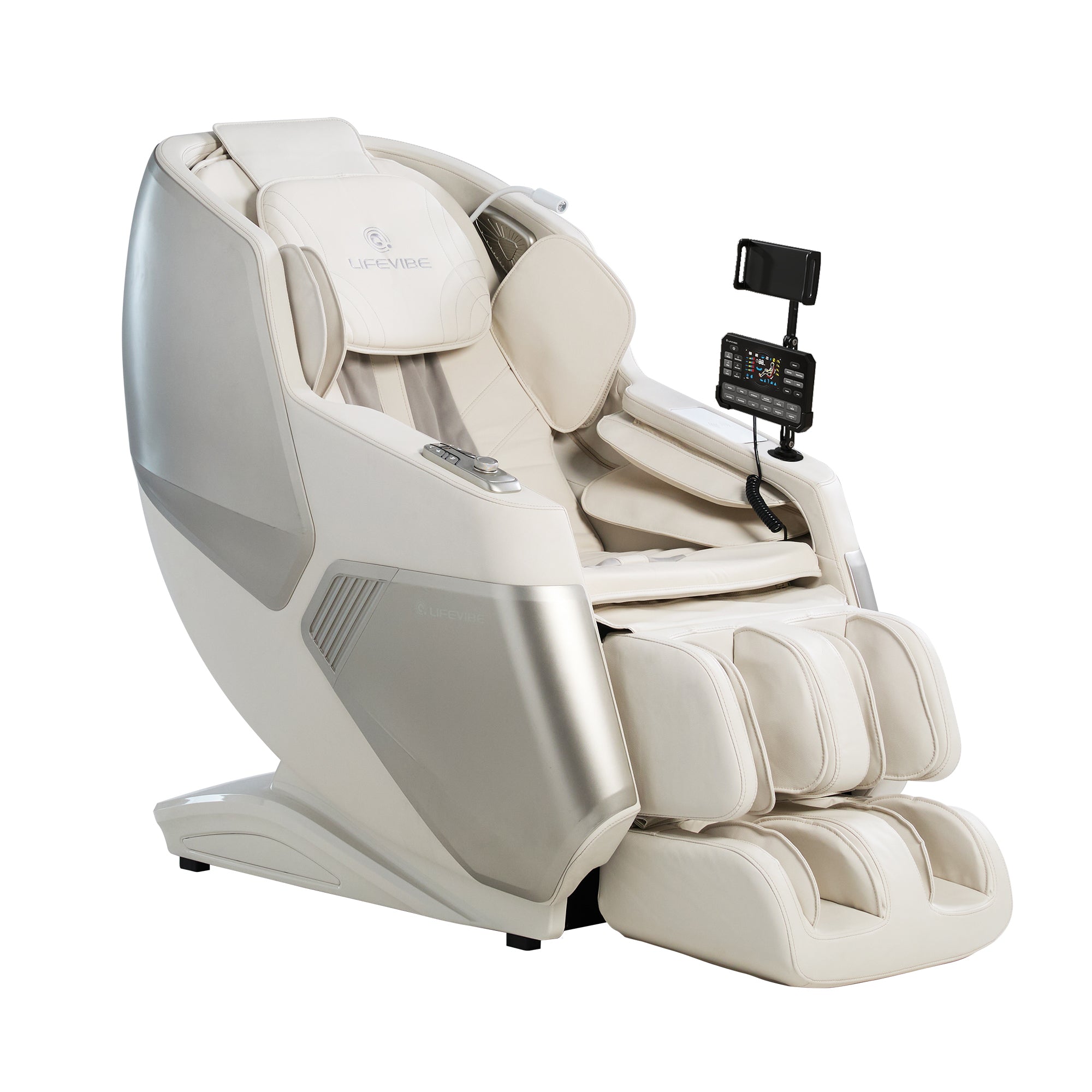
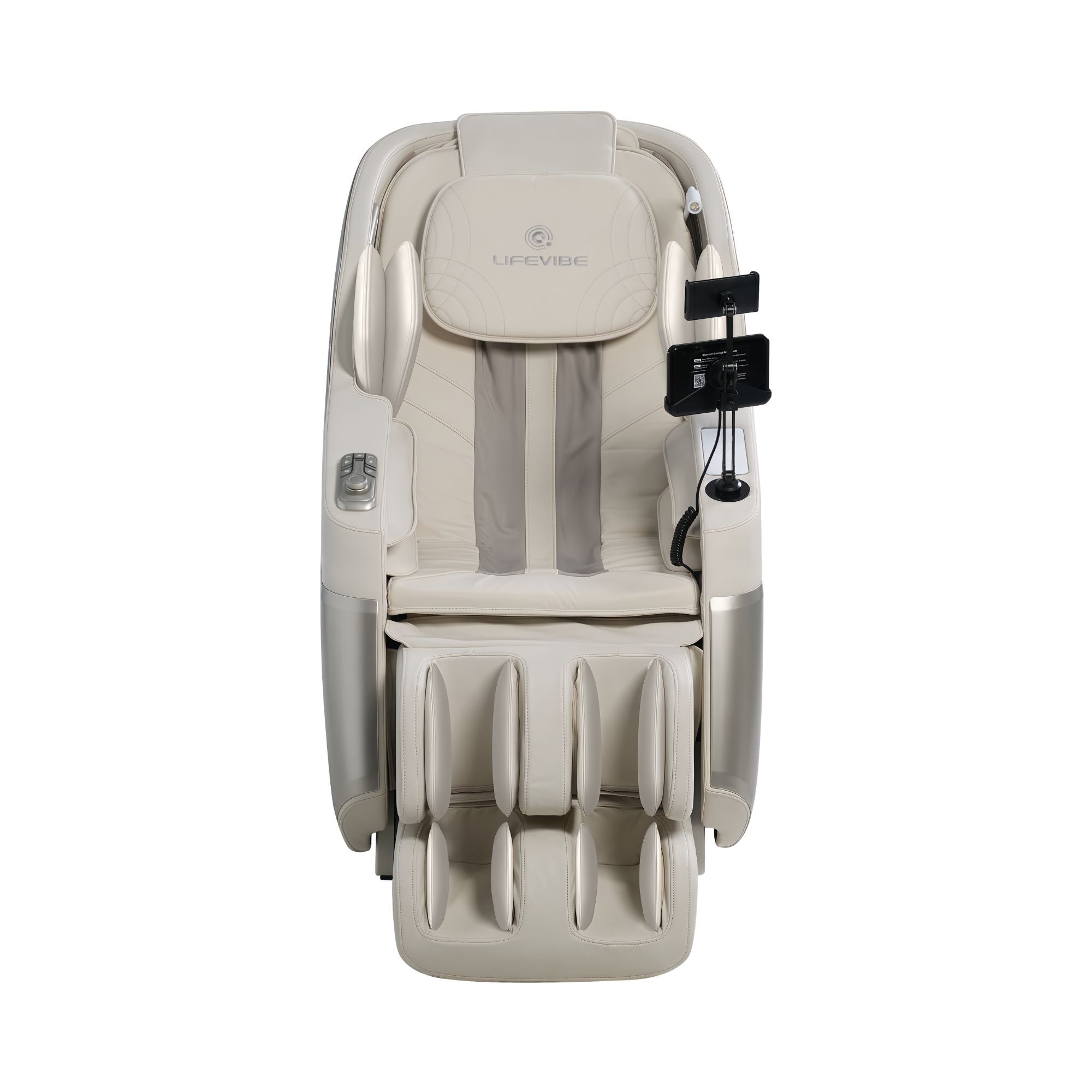
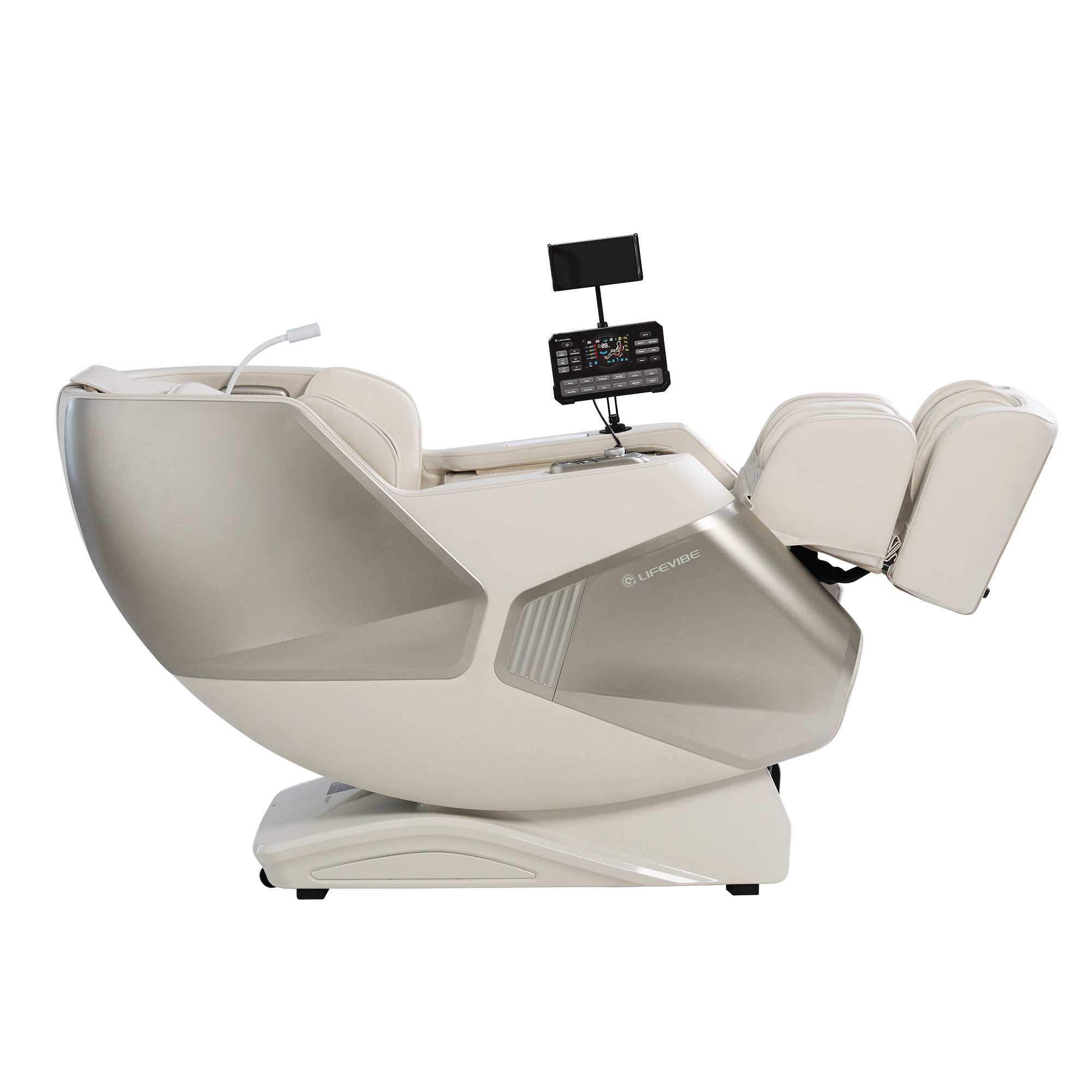
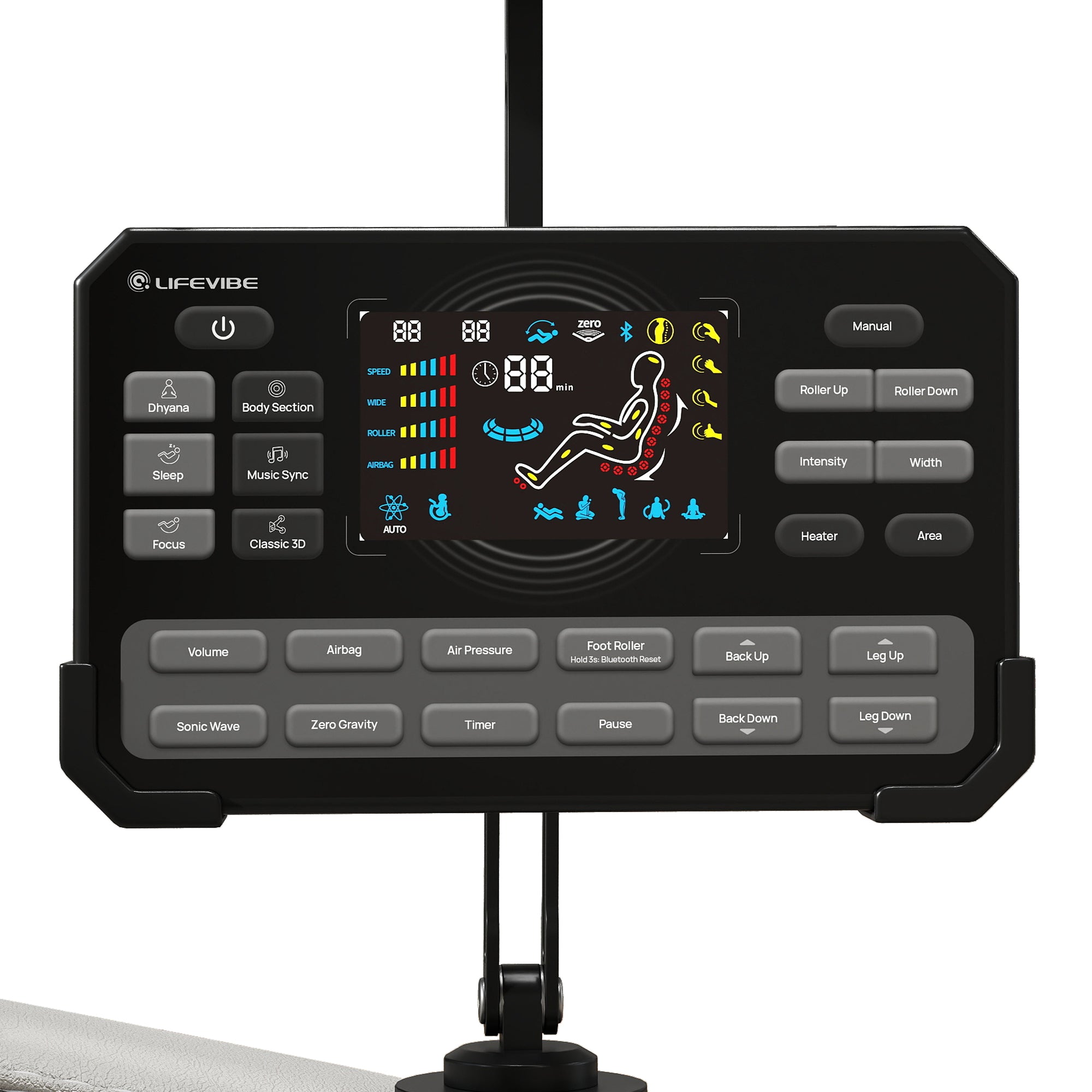
If you love very strong pressure or purely mechanical massage, you might still prefer classic roller-focused chairs. But if you’re looking for a deeper sense of calm, a more immersive experience, or a way to unwind that doesn’t rely on intensity, vibroacoustic therapy offers a different path. And if you want them both, Lifevibe VAT Chair Prime can be your great option.
It’s less about doing more to the body, and more about helping the body respond on its own terms.
Sometimes, that’s exactly what relaxation needs to feel real.


Share:
Amazon Prime Day: Can a Vibroacoustic Therapy Chair Help With Stress and Sleep?
How Long Should You Sit in a Vibroacoustic Massage Chair?