

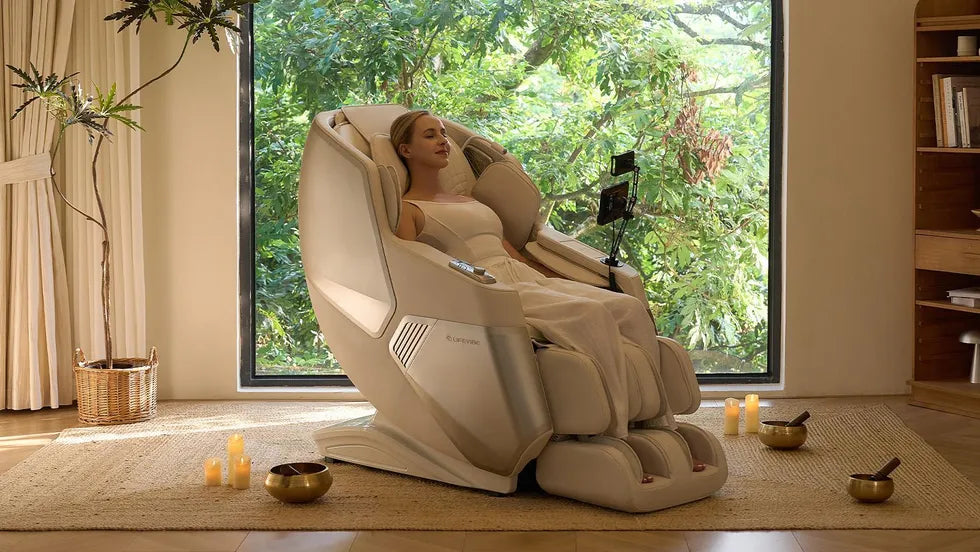
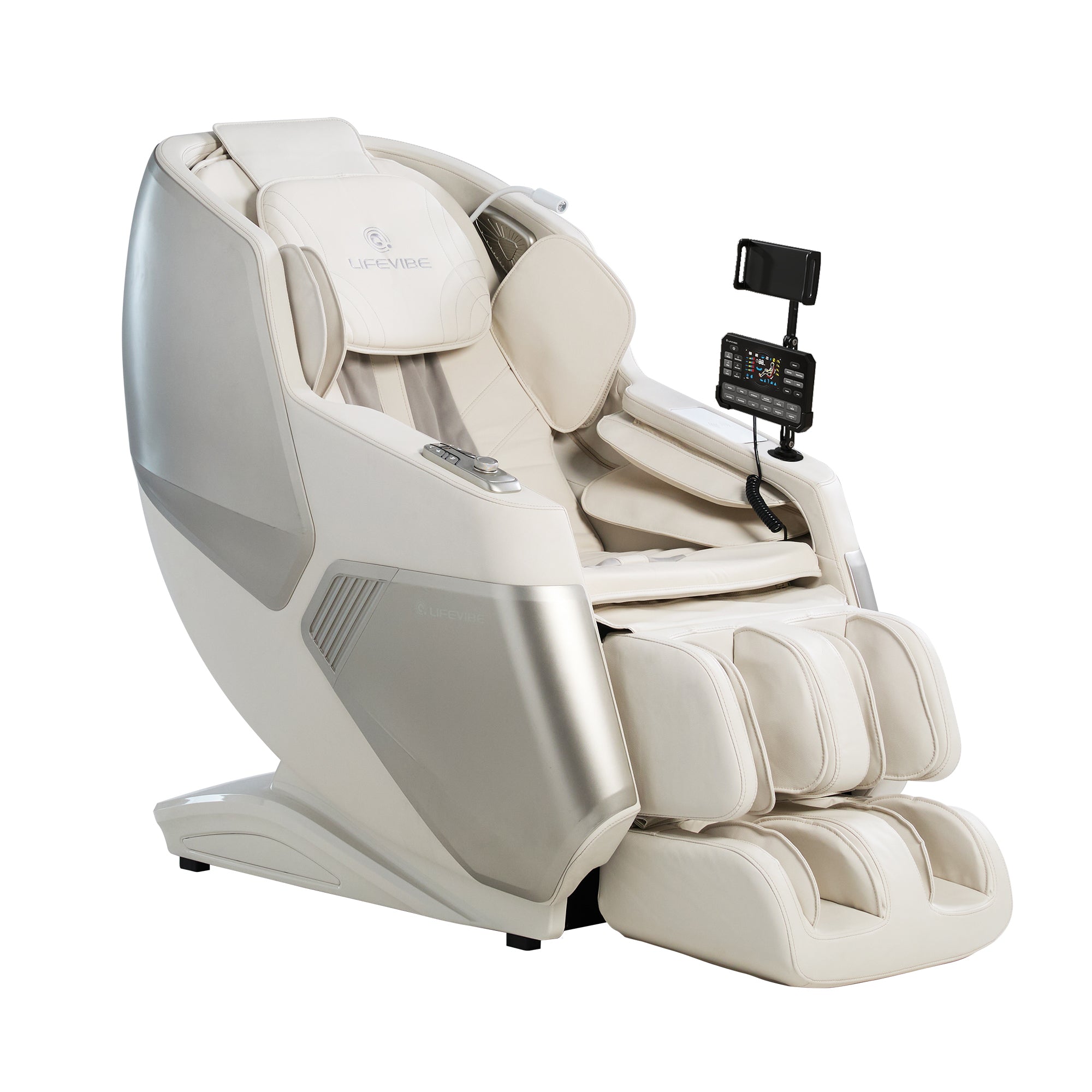
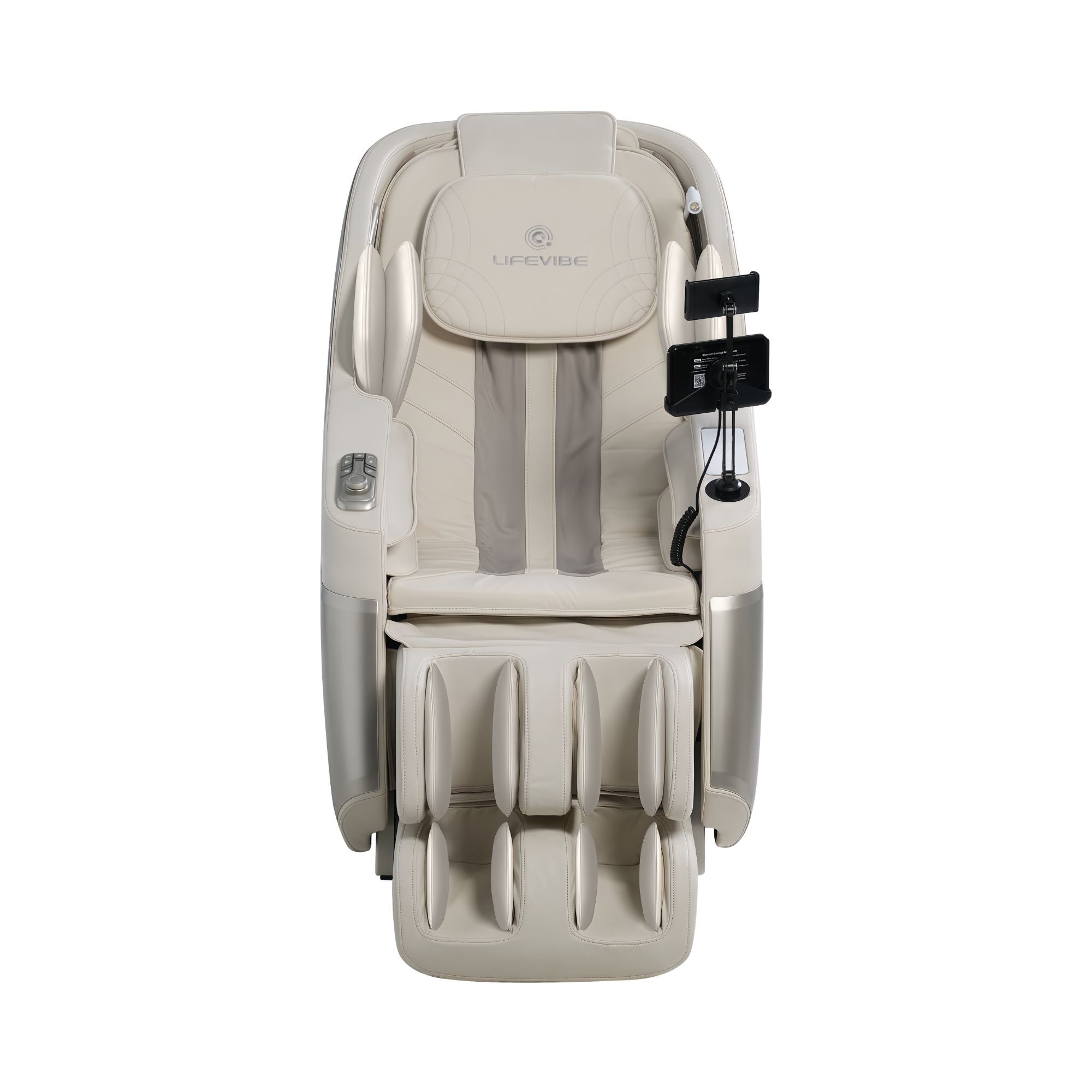
When Amazon Prime Day is coming, people think about massage chairs, they usually picture sore shoulders, tight lower backs and maybe a long day at a desk. Fair enough. Physical tension is the obvious part. But what if a massage chair could do more than work on muscles? What if it could also help with stress, restless nights, mental overload, and that constant feeling of being “on”?That’s where vibroacoustic therapy chairs, like the Lifevibe VAT Chair Prime, start to feel different from traditional massage chairs.Let’s talk about what’s really going on—and what kind of wellness support you can realistically expect beyond muscle relief.
Stress Doesn’t Live Only in Your Muscles
Stress is not just tight shoulders. It shows up as shallow breathing, racing thoughts, poor sleep and a nervous system that never quite powers down.
Vibroacoustic therapy (VAT) works with low-frequency sound vibrations that move through the body in a slow, rhythmic way. Instead of sharp pressure or fast tapping, the sensation is more like a deep, steady wave moving through your back and core.
Why that matters for stress:
-
Slow, low-frequency rhythms are easier for the body to accept
-
The sensation is consistent, not surprising or jolting
-
Your breathing often slows down naturally without trying
Many users describe it as feeling “held” by the rhythm rather than worked on. That’s important, because stress relief usually happens when the body feels safe enough to let go.
How Vibroacoustic Therapy Supports Better Sleep
Insomnia isn’t always about pain. Often, it’s about a nervous system that refuses to switch gears.
Sleep-focused programs in vibroacoustic massage chairs are designed around gentle vibration, minimal movement and stable pacing. Instead of deep kneading or strong pressure, the chair uses:
-
Softer intensity levels
-
Slower transitions
-
Fewer sudden changes in motion
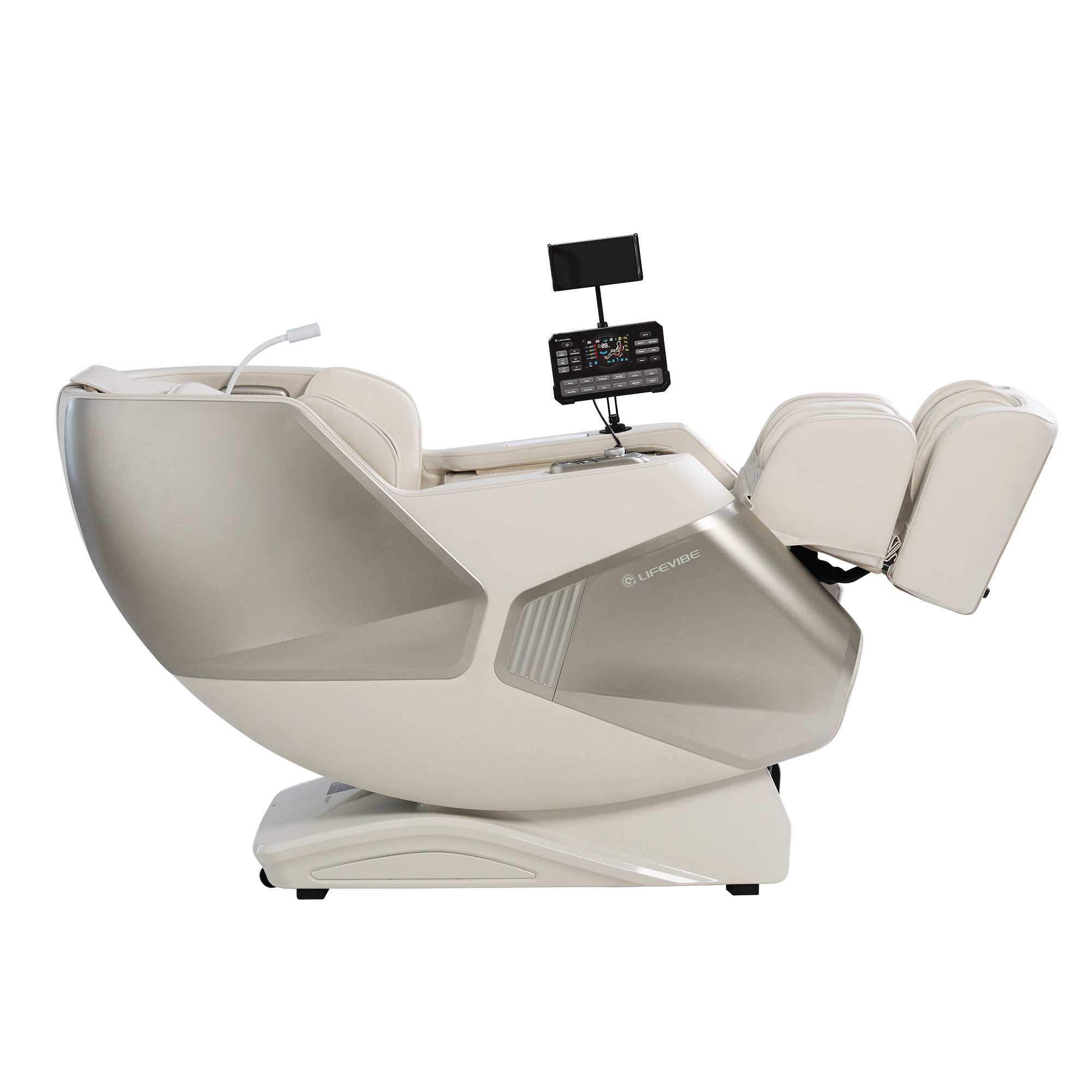
When paired with a reclined, zero-gravity massage, the body doesn’t need to “hold itself up.” That alone can reduce physical micro-tension that keeps people awake.
Many people don’t fall asleep in the chair—and that’s okay. What matters is that the body enters a pre-sleep state, where muscles soften and mental chatter quiets down. That transition often makes falling asleep later much easier.

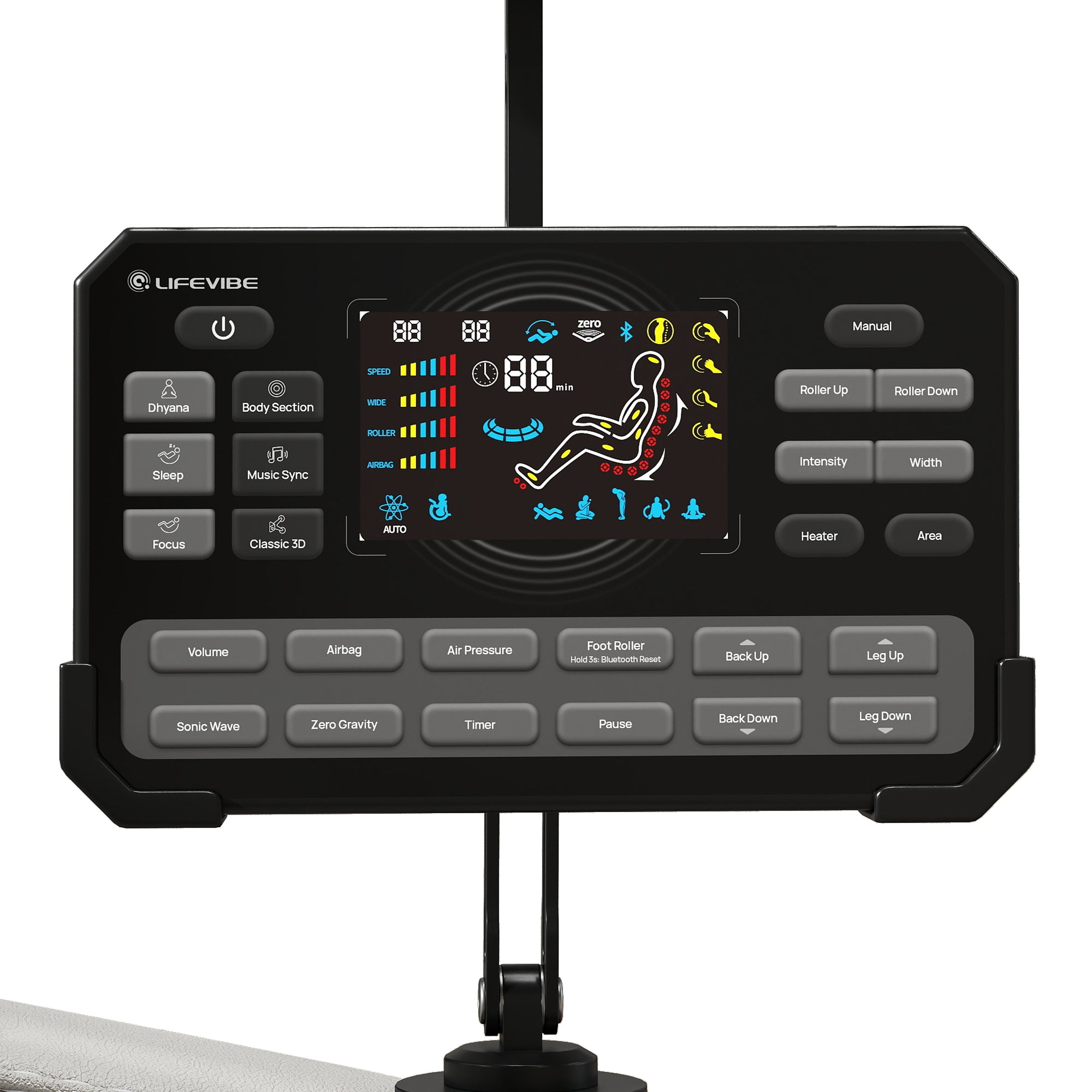
Sleep mode in Lifevibe vibroacoustic therapy chair for better sleep
Sound, Vibration and Rhythm Work Together
One of the biggest differences with a vibroacoustic therapy chair is that sound isn’t just background noise.
In systems like SonicSync™, sound, vibration and roller movement follow the same rhythm. The vibration responds to audio frequencies, and the massage movements are timed to match.
This coordination can:
-
Reduce sensory overload
-
Make the experience feel smoother and more natural
-
Help the body stay relaxed instead of reacting
Think of it like listening to music where the beat, melody, and rhythm all agree with each other. Your body doesn’t have to adjust constantly. It can just settle in.

Lifevibe vibroacoustic therapy chair turns your music into vibration
Mental Fatigue and Focus Are Part of Wellness Too
Not every wellness issue is about calming down. Sometimes, it’s about resetting mental clarity.
Focus-oriented programs often use:
-
Clear, steady rhythms
-
Slightly higher frequency vibration
-
Targeted work around the neck, upper back and hips
The goal isn’t deep relaxation. It’s gentle stimulation without overstimulation. Many people use these programs during work breaks or after long screen sessions to feel more alert without feeling wired.
It’s a different kind of support—less about zoning out, more about finding a stable mental rhythm again.

You can take a short break after working
Emotional Comfort Comes From Predictability
One reason some people avoid traditional massage chairs is that they feel too intense or unpredictable. Sudden pressure changes, loud motors or aggressive movements can actually increase tension.
Vibroacoustic therapy tends to feel:
-
More even
-
Less point-focused
-
Easier to stay with for longer sessions
This makes it appealing for people who are emotionally sensitive, easily overstimulated, or simply prefer a calmer experience. When the body isn’t bracing for the next movement, emotional relaxation tends to follow naturally.

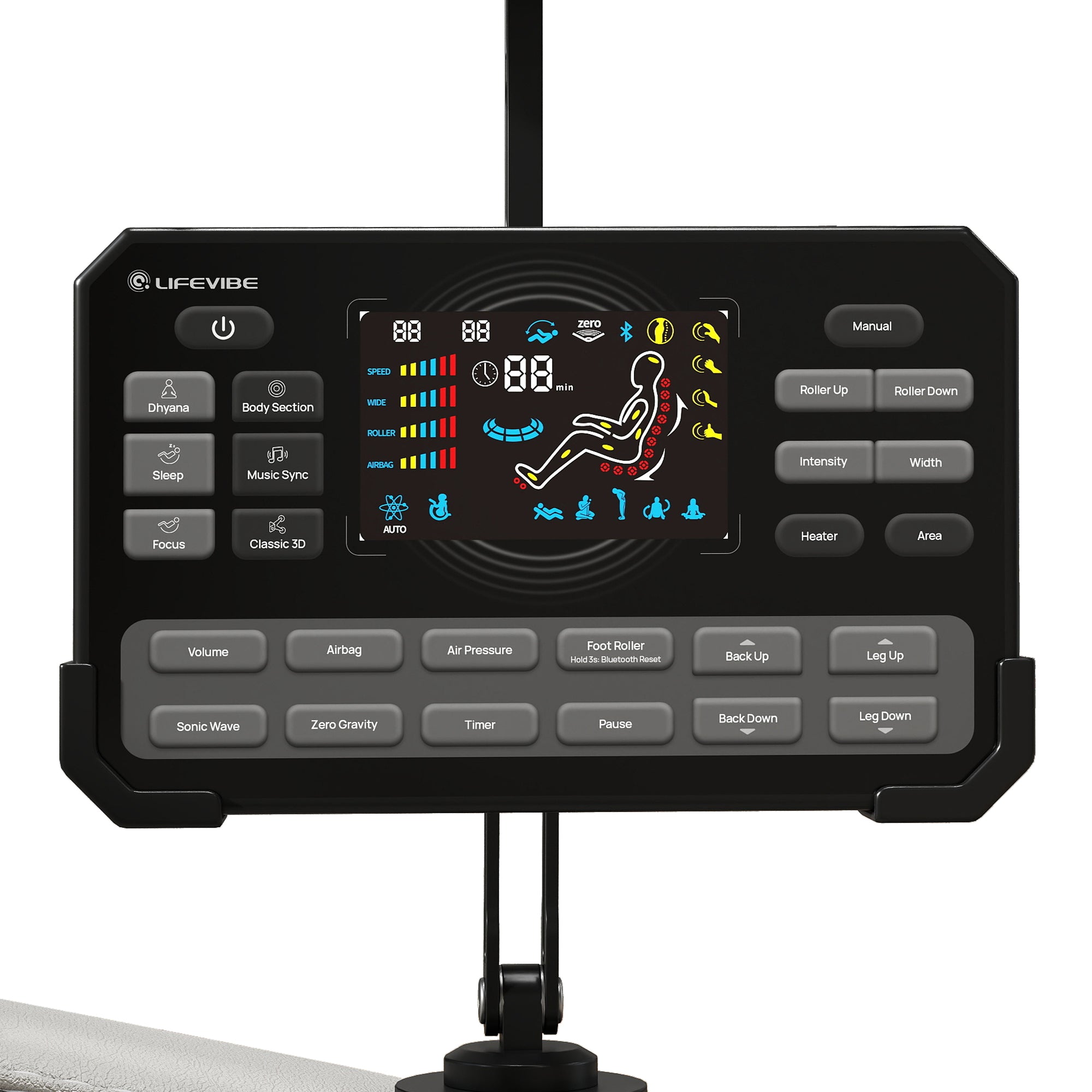
You can receive a low-frequency calm with the Dhyana Mode
It’s Not Therapy, But It Can Be Supportive
It’s important to be clear: a vibroacoustic therapy chair is not a medical device and doesn’t replace professional care. But as a daily wellness tool, it can support habits that matter—like slowing down, resting properly and reconnecting with how your body feels.
Used consistently, many people find it helpful for:
-
Stress-heavy workdays
-
Pre-sleep routines
-
Mental reset between tasks
-
Creating a personal quiet space at home
And unlike one-time solutions, a chair is always there. No scheduling, no travel, no pressure to “make the most of it.”
Wellness Is About Rhythm, Not Force
What makes vibroacoustic therapy chairs stand out is not stronger pressure or more features. It’s the shift in logic—from forcing muscles to relax, to guiding the body back into a calmer rhythm.
Stress, insomnia and mental fatigue often improve when the nervous system feels supported rather than pushed. For many users, that’s where vibroacoustic therapy fits in.
Not dramatic. Not instant. Just steady, grounding and surprisingly effective over time.
Sometimes, wellness doesn’t come from doing more. It comes from letting the body remember how to slow down.


Share:
Can A Vibroacoustic Therapy Massage Chair Help Lower Blood Pressure?
Who Should Use a Vibroacoustic Therapy Massage Chair?