

Massage chairs used to be pretty straightforward—rollers press into your back, airbags squeeze your legs, and that’s about it. But something interesting has been happening lately. A new layer of technology is quietly changing the whole experience: vibroacoustics.
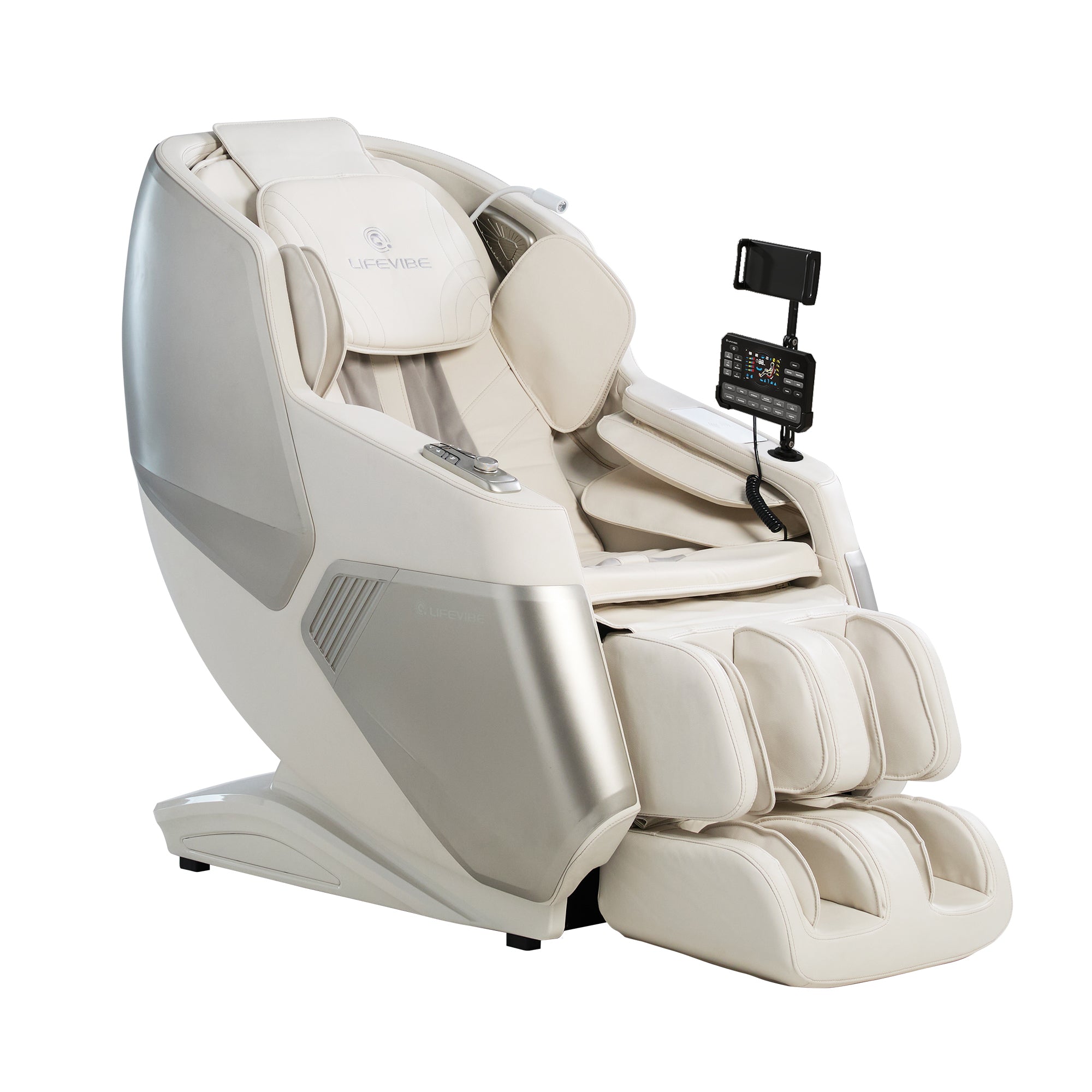
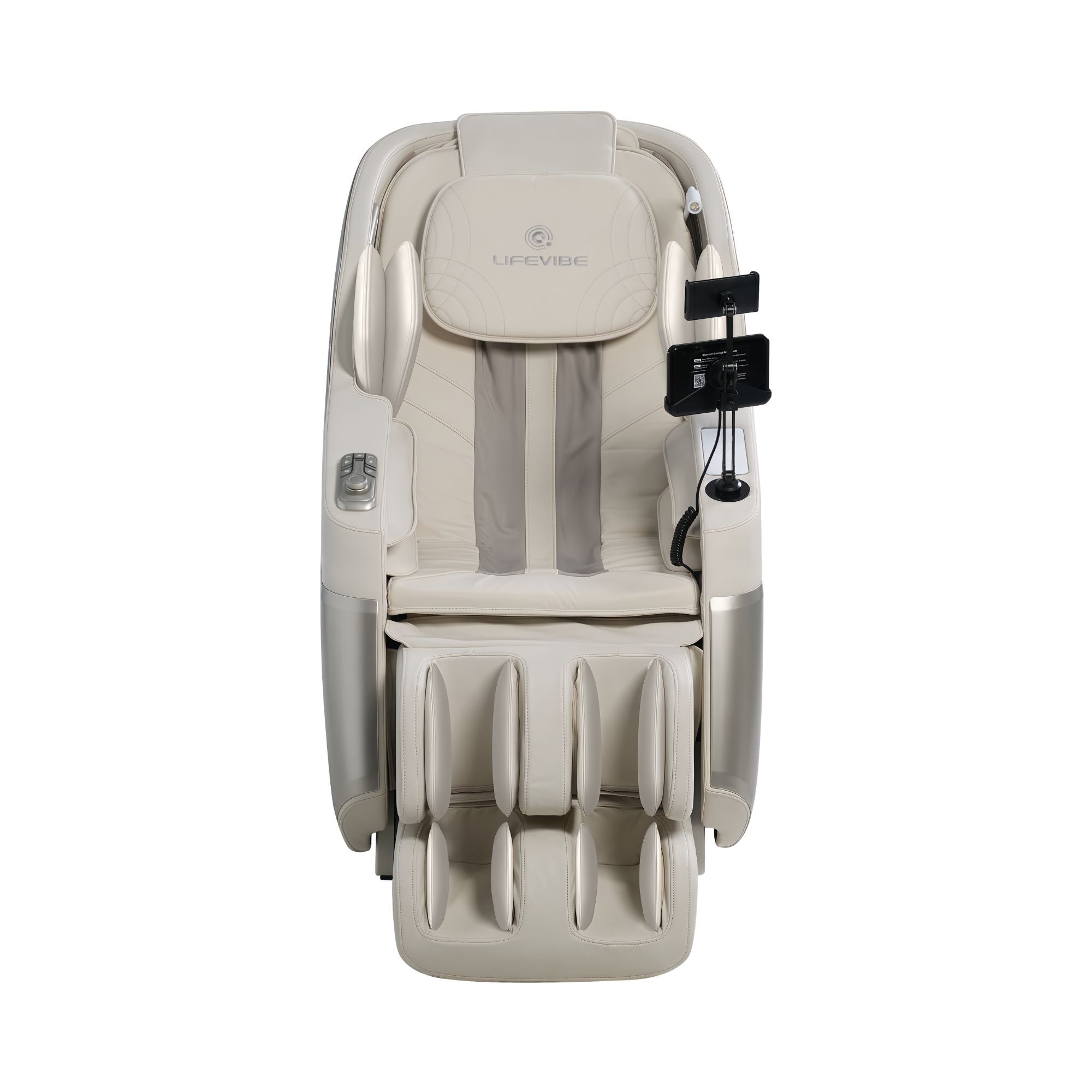
When you combine vibroacoustics with a zero gravity massage chair like the Lifevibe VAT massage chair Prime, the experience stops feeling like “just a massage” and starts feeling more like your whole body is being tuned from the inside out. So how does it actually work?

Vibroacoustics: sound you don’t just hear, but feel
Vibroacoustics is based on low-frequency sound vibrations—usually in the range of 30 to 120 Hz—that travel through the body as physical waves. Instead of only entering through your ears like normal sound, these frequencies are transferred into tissues, muscles, and fascia using transducers built into the chair.
Research on vibroacoustic therapy shows that low-frequency vibration may influence relaxation responses in the nervous system and help reduce perceived stress levels through sensory modulation. (source: https://pmc.ncbi.nlm.nih.gov/articles/PMC5871151)
In simple terms: it’s not louder sound—it’s physical sound. And when that sound is structured properly, your body reacts to it the same way it reacts to rhythm, breath, or gentle movement.
You might be interested in research evidence: https://lifevibemassage.com/pages/research

Vibroacoustic therapy resonates deeper in the body
Why zero gravity makes vibroacoustics feel stronger
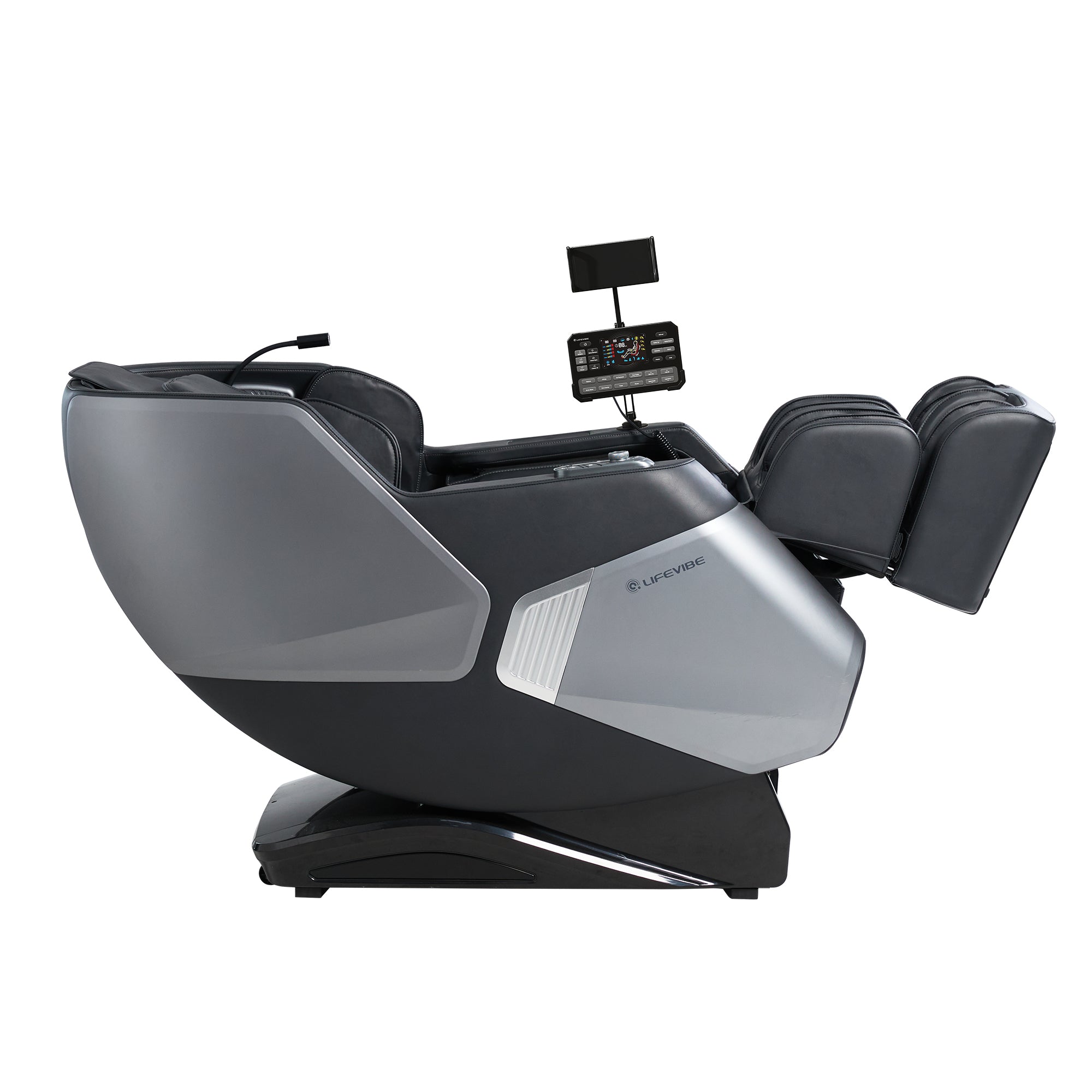
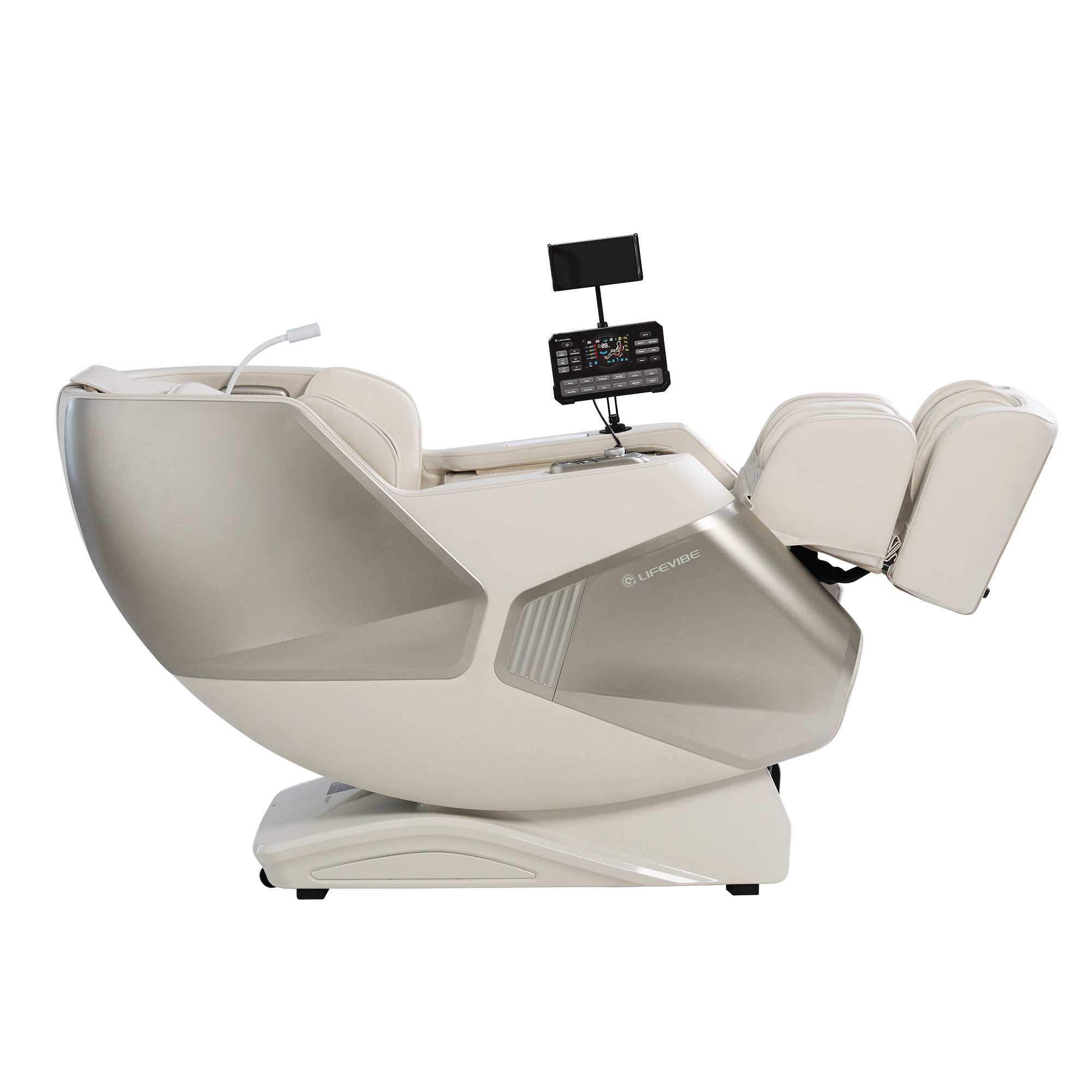
Zero gravity in chairs like the Lifevibe VAT massage chair Prime is inspired by NASA’s neutral body posture research, where the body is positioned to minimize spinal stress and muscle load. NASA has documented how this posture helps reduce pressure on the spine by evenly distributing body weight and lowering muscle activation requirements. In a massage chair, that position does something important: your body stops “fighting gravity.”
So when vibroacoustic waves enter the system, there’s less resistance from tight muscles or compressed joints. That’s why the same vibration feels deeper and more noticeable in zero gravity compared to a normal sitting position. It’s not just comfort—it’s physics working in your favor.

When sleep mode is activated, zero gravity is enabled by default, helping you enjoy better sleep.
Inside the Lifevibe VAT massage chair Prime: where sound becomes motion
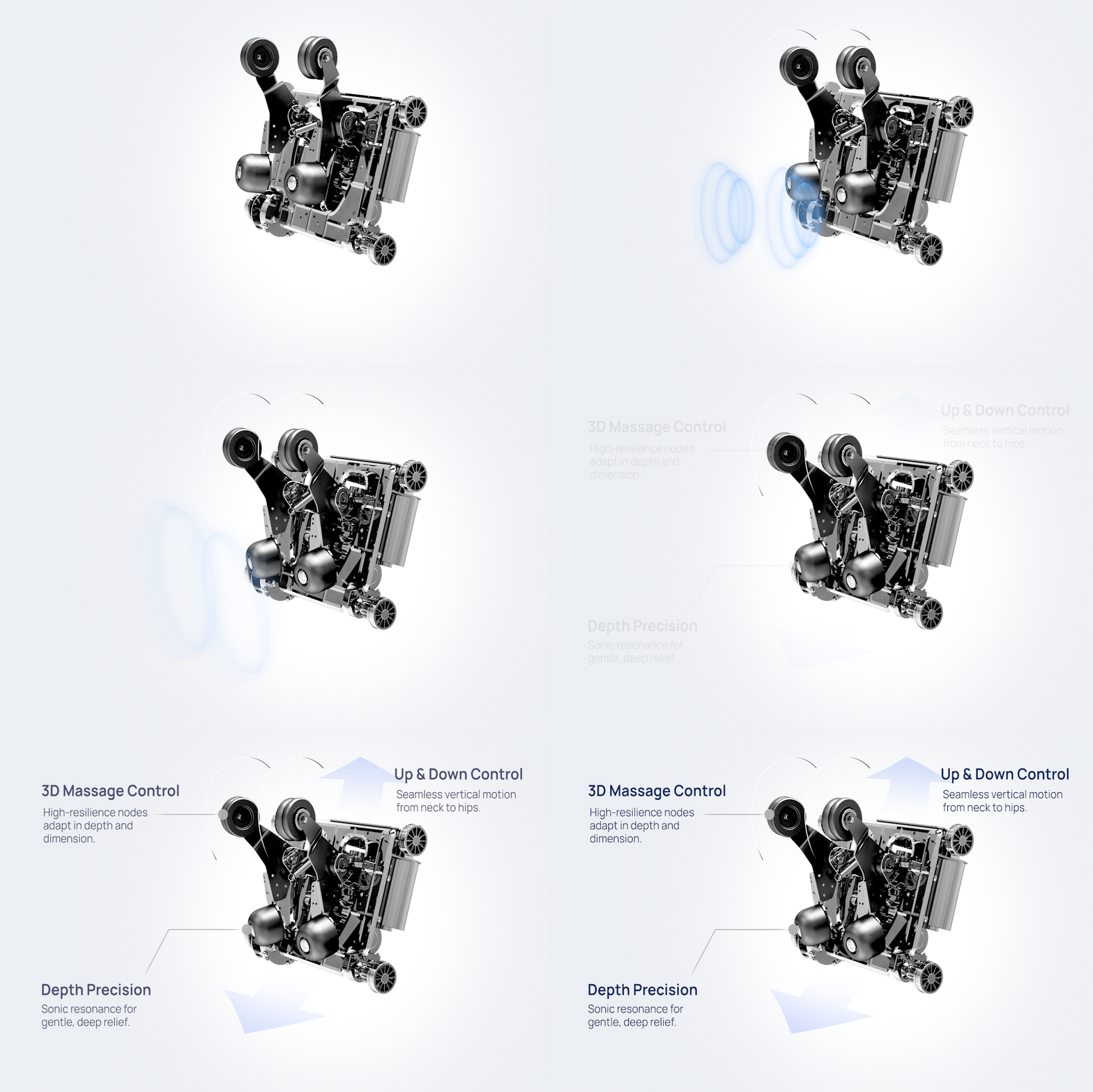
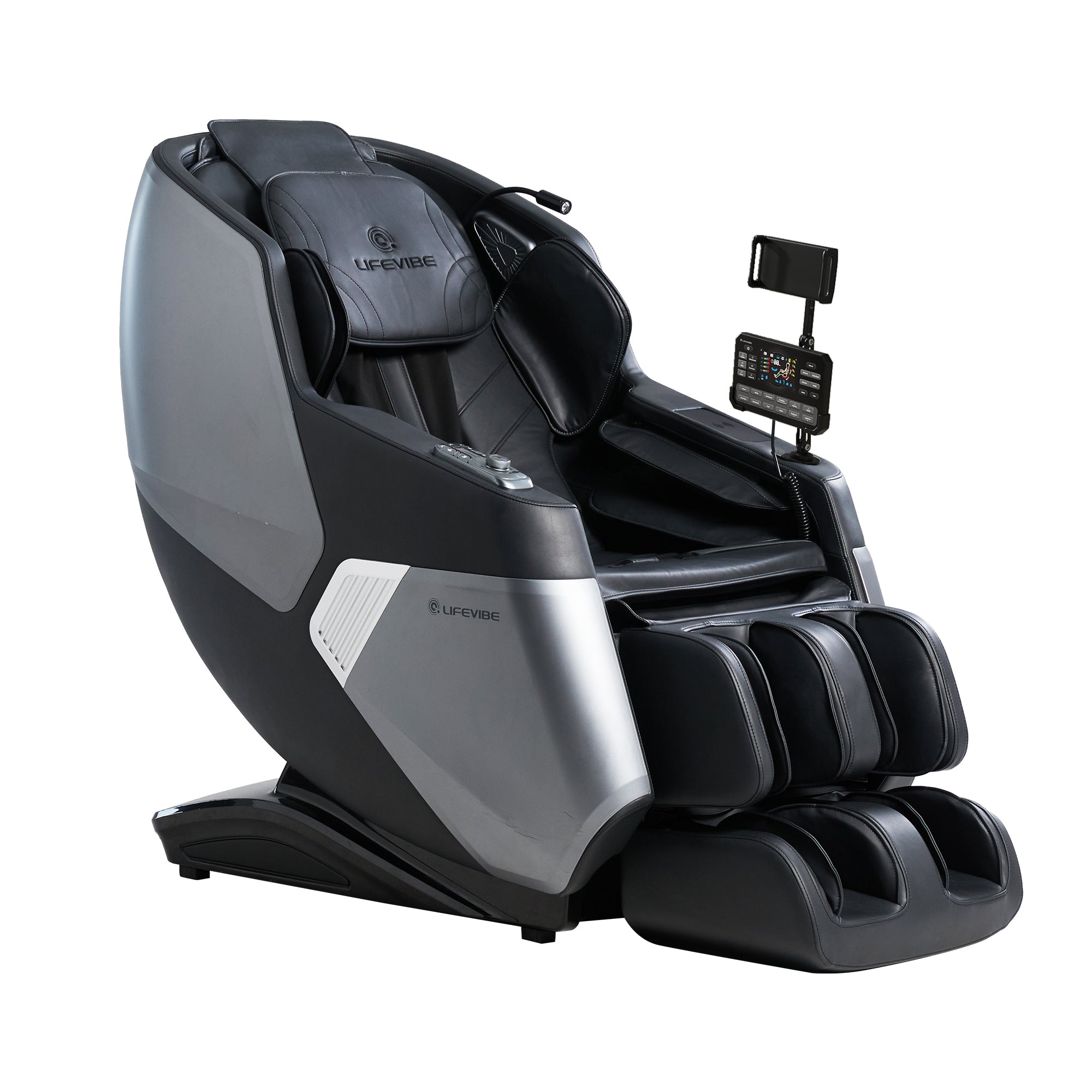
The Lifevibe VAT massage chair Prime doesn’t treat vibration as an add-on. It builds it into the core system through what’s called the SonicWave™ massage mechanism. Inside the chair, there are two layers working at the same time:
- Upper layer: 3D rollers handling traditional massage movements
- Lower layer: sonic wave transducers converting audio signals into vibration (See the motion graphic below.)

This dual structure means you’re not only getting surface pressure—you’re also getting internal resonance. So while rollers knead muscles from the outside, vibroacoustic waves travel through deeper structures like fascia and soft tissue, creating a layered sensation instead of a single point of contact. Think of it like this: one layer presses, the other echoes inside the body.
SonicSync™: why timing matters more than force
One of the most important parts of Lifevibe’s system is SonicSync™ technology. Instead of treating sound, vibration, and roller motion separately, SonicSync™ aligns them on the same rhythm.
That means:
- When the music slows down, the vibration slows down
- When pressure increases, sound intensity adjusts
- When the mode changes, the whole system shifts its rhythm together
This synchronization is important because the nervous system responds strongly to rhythm consistency. Studies in neuroscience suggest that rhythmic sensory input can help regulate stress responses and improve relaxation states by influencing autonomic nervous system activity. So instead of random stimulation, your body gets a predictable pattern it can “follow,” which makes relaxation feel more natural.

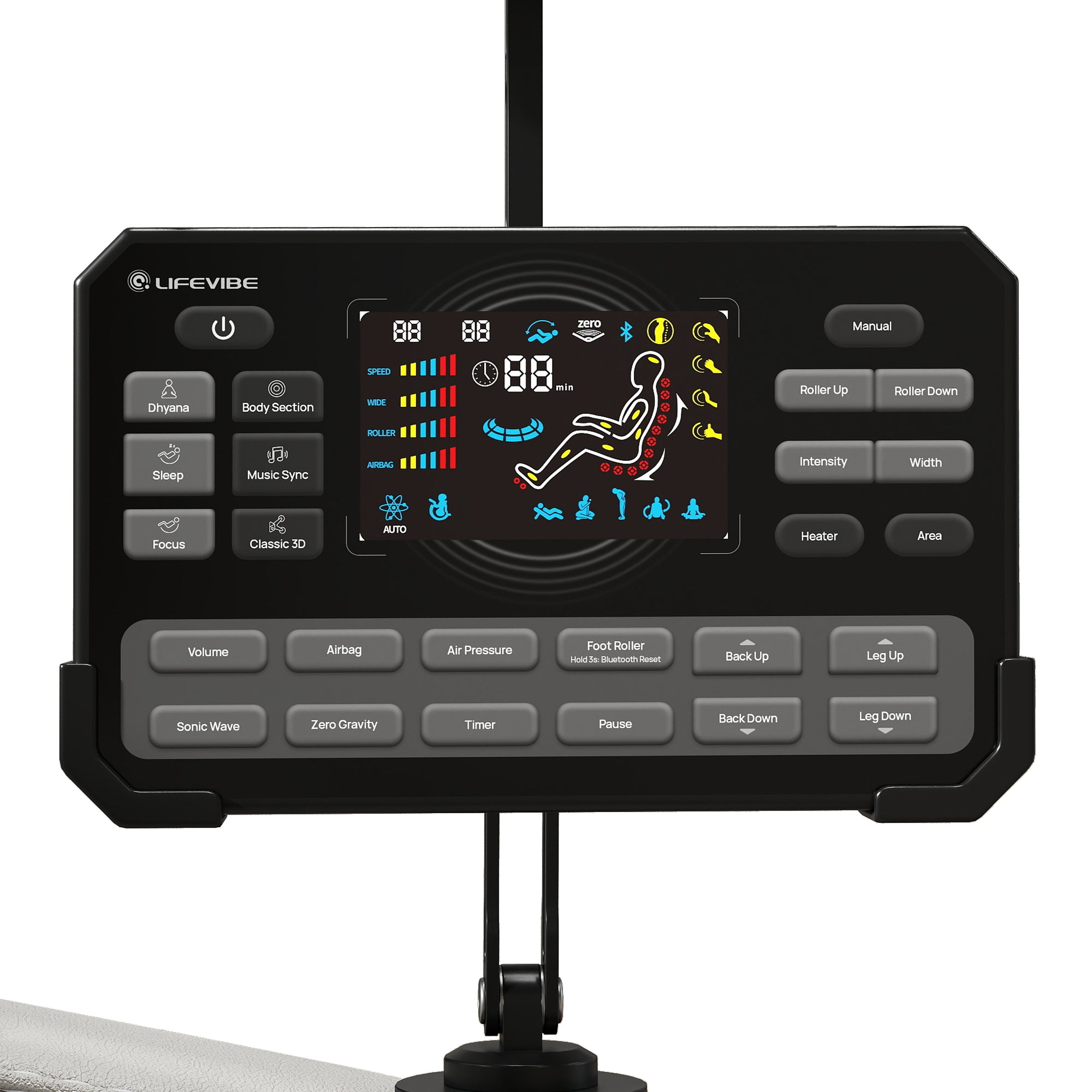
In music sync mode, your music on electronic devices or games turns into vibration.
What vibroacoustics feel like in a real session
People usually expect vibration to feel like buzzing. Vibroacoustics in a system like Lifevibe’s Prime feels different. It’s closer to:
- A slow internal wave moving through your back
- A steady rhythm that matches your breathing without trying
- A sense of weight being distributed deeper into the body
- A gradual mental quieting rather than sudden relaxation
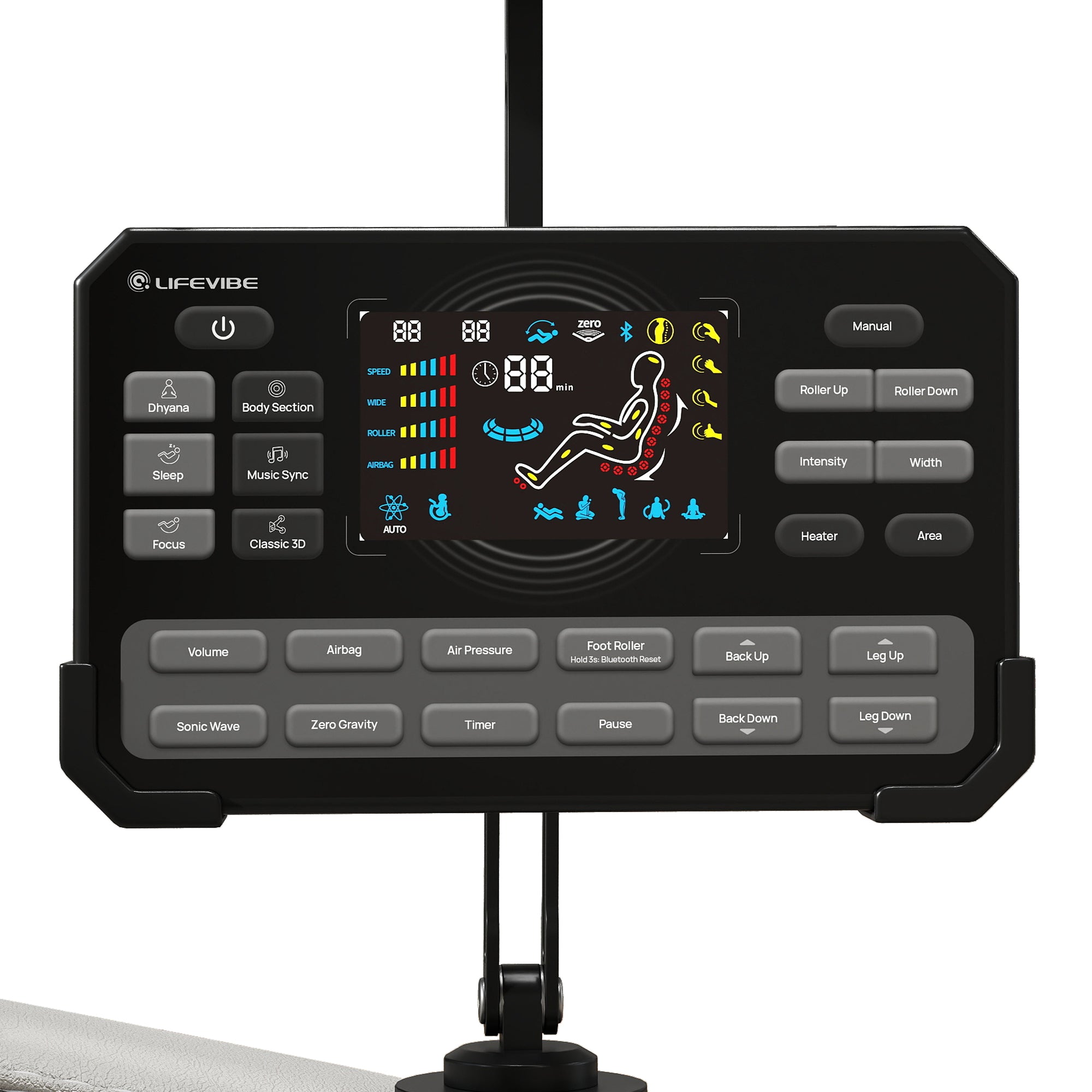
It doesn’t overpower your senses. It blends into them. That’s also why the Lifevibe system pairs vibroacoustics with different modes like Sleep, Focus, and Dhyana—each one changes the frequency pattern so your body reacts differently depending on what you need.
Frequency matters: different vibrations, different states
Inside the VAT system, different frequency ranges create different sensations:
- Lower frequencies tend to feel slower and heavier, often associated with deep relaxation states
- Mid frequencies feel more balanced, useful for decompression and rest
- Higher frequencies feel more alerting, often used for focus and posture reset
Clinical research in vibroacoustic therapy has explored how different low-frequency ranges can influence muscle tension and relaxation response patterns in therapeutic environments.
The Lifevibe VAT massage chair Prime uses this idea in a practical way—matching frequency ranges to different wellness goals instead of treating vibration as one uniform effect.
A scientific video showing how different Lifevibe frequencies affect the body.
How it works together: body + sound + structure
What makes vibroacoustics in a zero gravity massage chair interesting is not just the sound or the rollers alone—it’s how everything stacks together. In the Lifevibe system, three layers interact at the same time: The zero gravity position removes spinal pressure. The rollers handle muscle-level tension. The vibroacoustic waves reach deeper tissue layers through resonance.
So instead of focusing only on “tight muscles,” the system interacts with posture, sensory input, and internal rhythm simultaneously. That’s why users often describe the experience as more “whole-body” rather than localized.
Where Lifevibe fits into this shift
Lifevibe positions itself around a simple idea: relaxation shouldn’t be only mechanical—it should be sensory and rhythmic too. With the VAT massage chair Prime, vibroacoustics aren’t treated as background noise. They are integrated into the chair’s structure, its movement, and even its audio system through SonicSync™.
Modes like dhyana, sleep, focus, and music sync are built around that principle—each one changes how sound, vibration, and motion interact with your body. It turns the chair into something closer to a rhythm-based environment rather than just a seat with massage functions.
Why this approach feels different from traditional massage
Traditional massage chairs mainly rely on pressure. Vibroacoustic systems like Lifevibe’s add something extra: internal resonance. Instead of only pushing into muscles, the chair creates vibration patterns that travel through multiple layers of the body at once.

That’s a key difference. One approach works from the outside in (left). The other combines outside pressure with inside vibration (right). And when both are combined with zero gravity positioning, the body becomes more receptive to both forms of stimulation.
Closing perspective
Vibroacoustics in zero gravity massage chairs like the Lifevibe VAT massage chair Prime represent a shift in how relaxation technology is designed. It’s no longer just about stronger rollers or more airbags. It’s about how sound, rhythm, and posture interact with the body as a system.
Once those elements are synchronized through technologies like SonicSync™, the experience stops feeling like separate features working side by side—and starts feeling like one continuous flow that your body naturally follows.





Share:
A Zero Gravity Massage Chair for Seniors: A Safe and Comfortable Option
Top Vibroacoustic Massage Chairs for Elderly Fathers on Father’s Day