

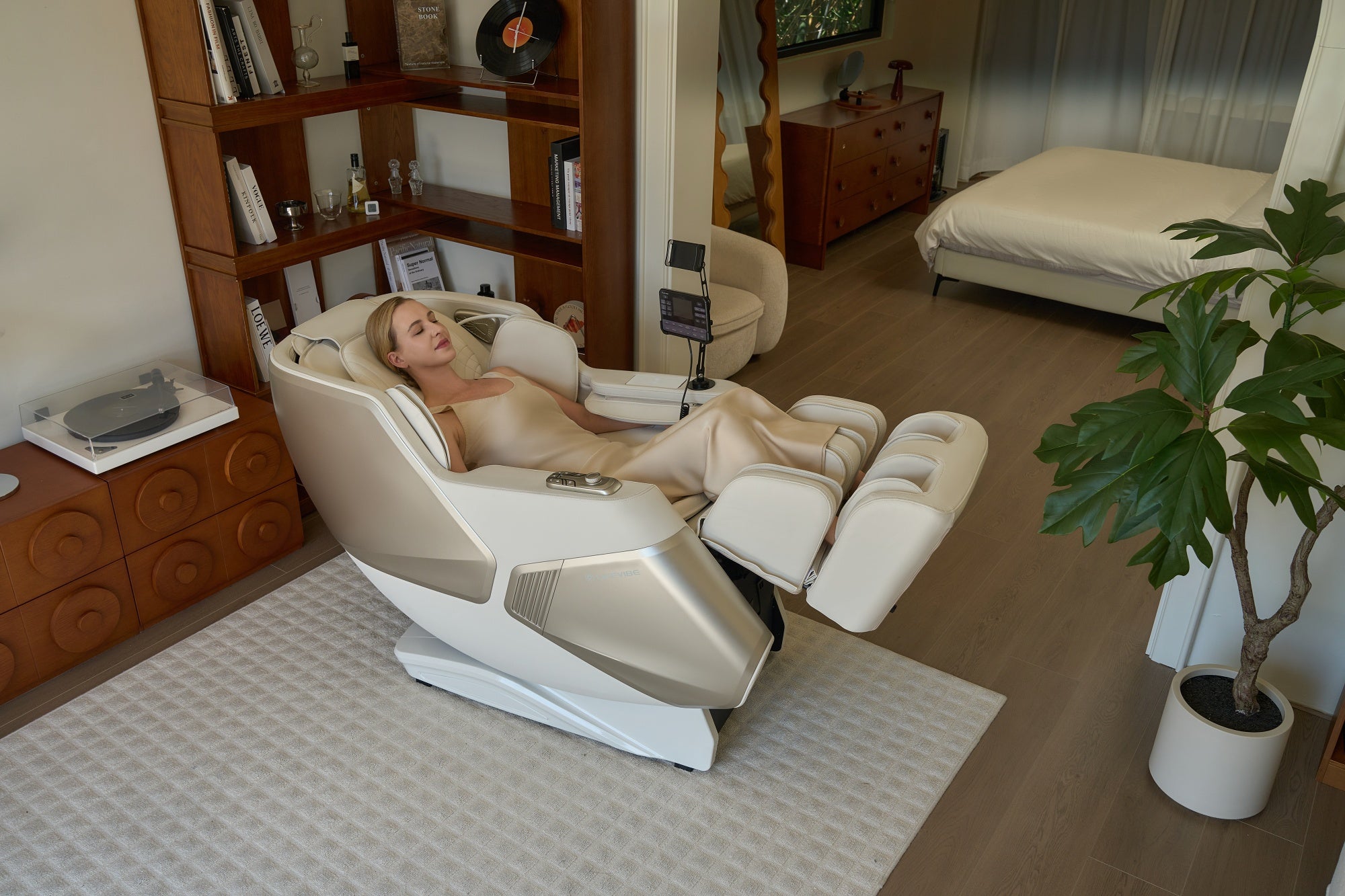
Sciatica has a way of showing up uninvited. It might start as a dull ache in your lower back, then travel down your hip, maybe even all the way to your calf. Sitting too long makes it worse. Driving? Forget it. Even sleep can feel like a negotiation.
So the real question is: can a vibroacoustic therapy massage chair actually help?
Short answer — it might. But not in the way you think.
Let’s talk about why.
First, What’s Actually Happening with Sciatica?
Sciatica isn’t a condition by itself. It’s a symptom. The sciatic nerve — the longest nerve in your body — gets irritated or compressed. Most commonly from a herniated disc, spinal stenosis or muscle tightness around the lower back and hips.
According to the Mayo Clinic, sciatica typically affects only one side of the body and can range from mild aching to sharp, burning pain.
The key word here is compression. Anything that reduces pressure around that nerve — or relaxes the tissues surrounding it — may help reduce discomfort.
That’s where massage enters the conversation.
What Research Says About Massage and Nerve Pain
Massage therapy has been studied for chronic low back pain, which often overlaps with sciatic discomfort.
A randomized clinical trial published in the Annals of Internal Medicine found that massage therapy improved pain and function in people with chronic low back pain compared to usual care.
(Source: https://www.acpjournals.org/doi/10.7326/0003-4819-155-1-201107050-00002)
Additionally, the National Center for Complementary and Integrative Health notes that massage may help reduce pain and improve function for subacute and chronic low back pain.
(Source: https://www.nccih.nih.gov/health/massage-therapy-what-you-need-to-know)
Now here’s the interesting part: most of this research focuses on mechanical massage — pressure, kneading, manipulation.
Vibroacoustic therapy works differently.
What Makes Vibroacoustic Therapy Different?
Vibroacoustic Therapy (VAT) uses low-frequency sound waves — typically between 30–120 Hz — delivered through speakers or transducers. Instead of pushing into muscles from the outside, it creates internal vibration that travels through tissue.
This isn’t just background music with a motor attached. Low-frequency vibration has been studied for its effect on circulation, muscle tone and the nervous system.
A review published in the Journal of Pain Research discusses how low-frequency vibration can influence blood flow and reduce muscular tension.
Some research also suggests that vibration may stimulate mechanoreceptors in muscle and fascia, which can modulate pain perception via the nervous system.
So instead of “press harder,” the logic becomes “vibrate smarter.”
For sciatic pain that’s aggravated by tight piriformis muscles or stiff lower back fascia, gentle resonance may help tissues loosen without aggressive force.

Why Pressure Alone Isn’t Always the Answer
If you’ve ever used a deep tissue massage gun directly on a sciatic flare-up, you probably know the feeling — sometimes it helps, sometimes it makes everything angrier.
High-force percussion can irritate already inflamed tissue. Sciatica often involves nerve sensitivity. When nerves are irritated, aggressive mechanical force isn’t always welcome.
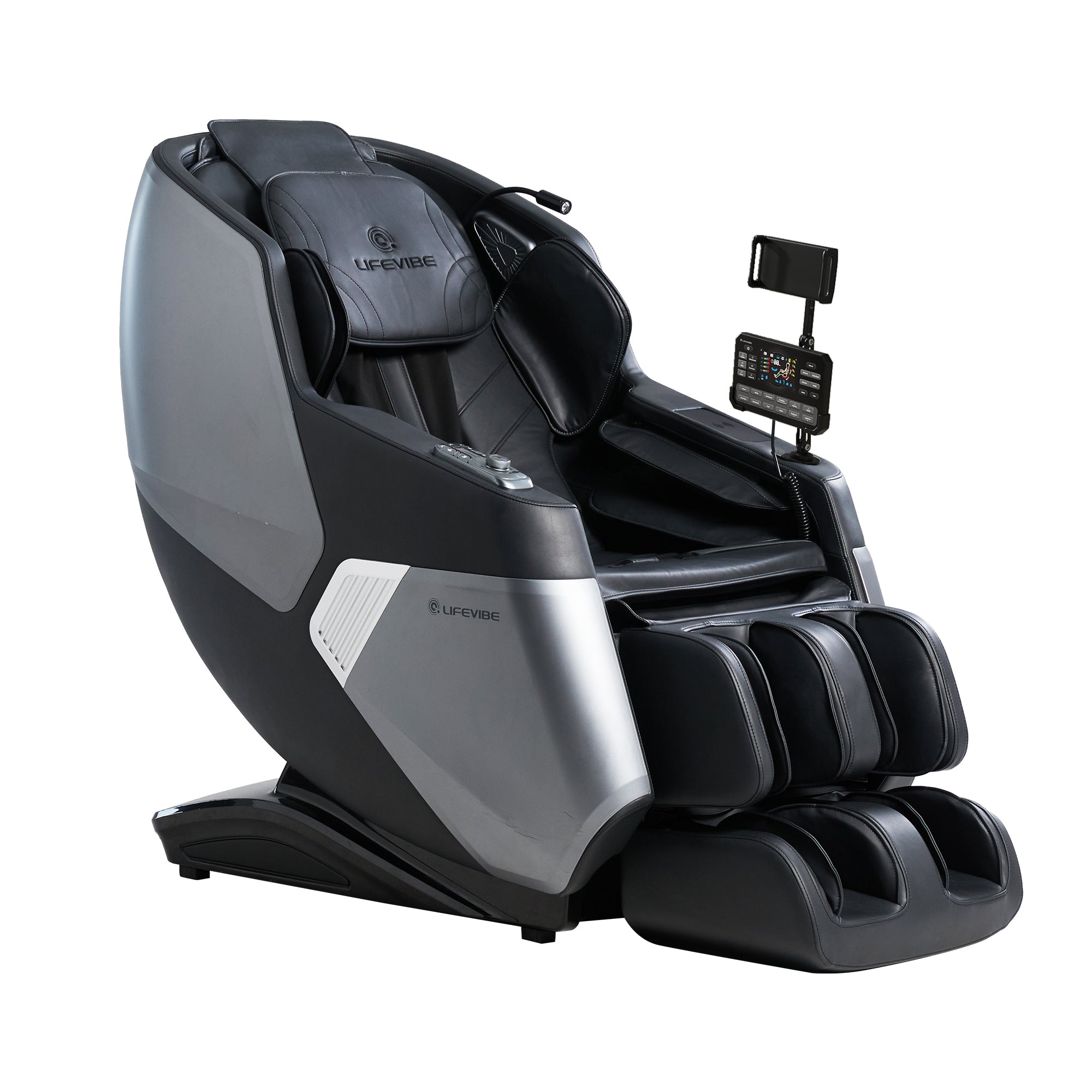
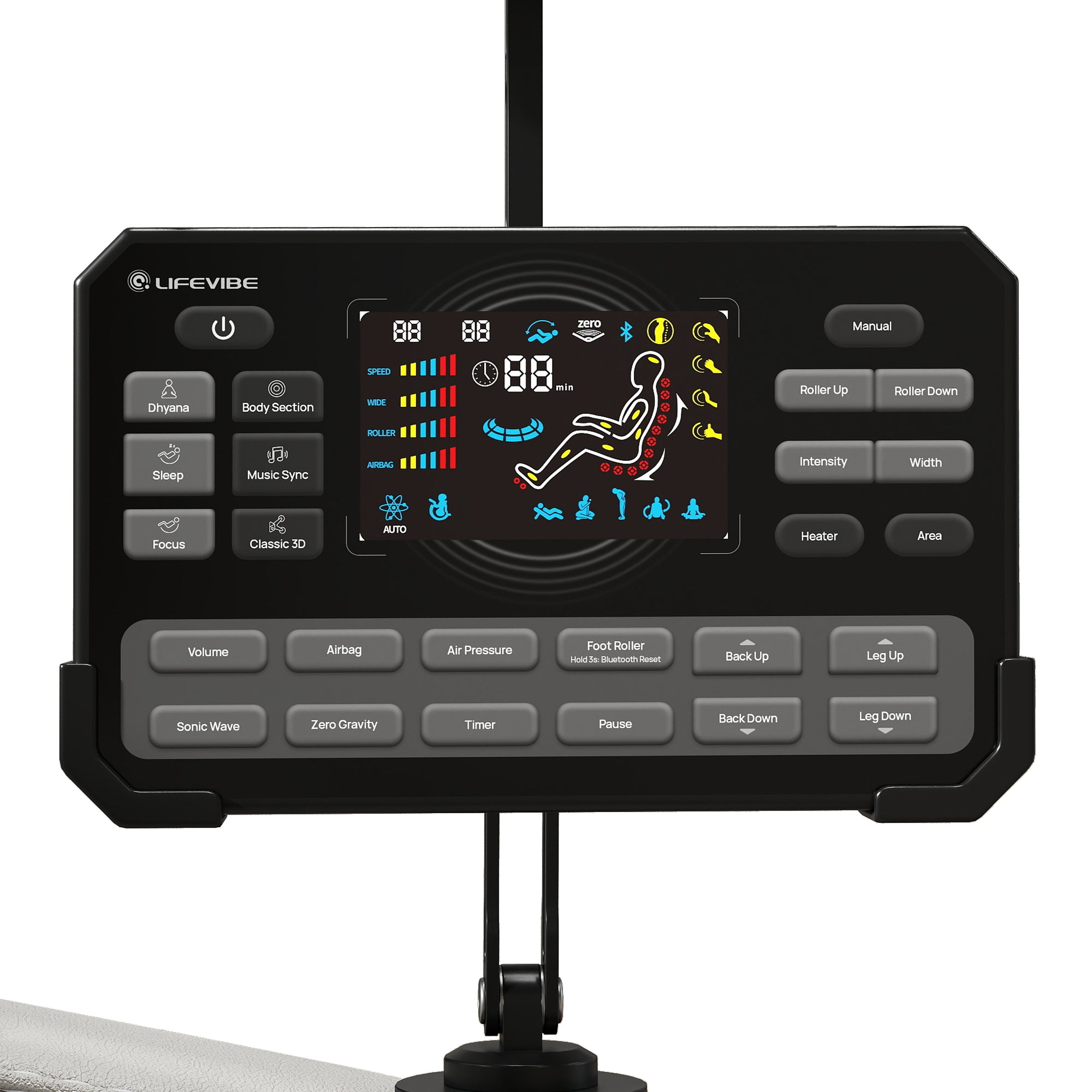
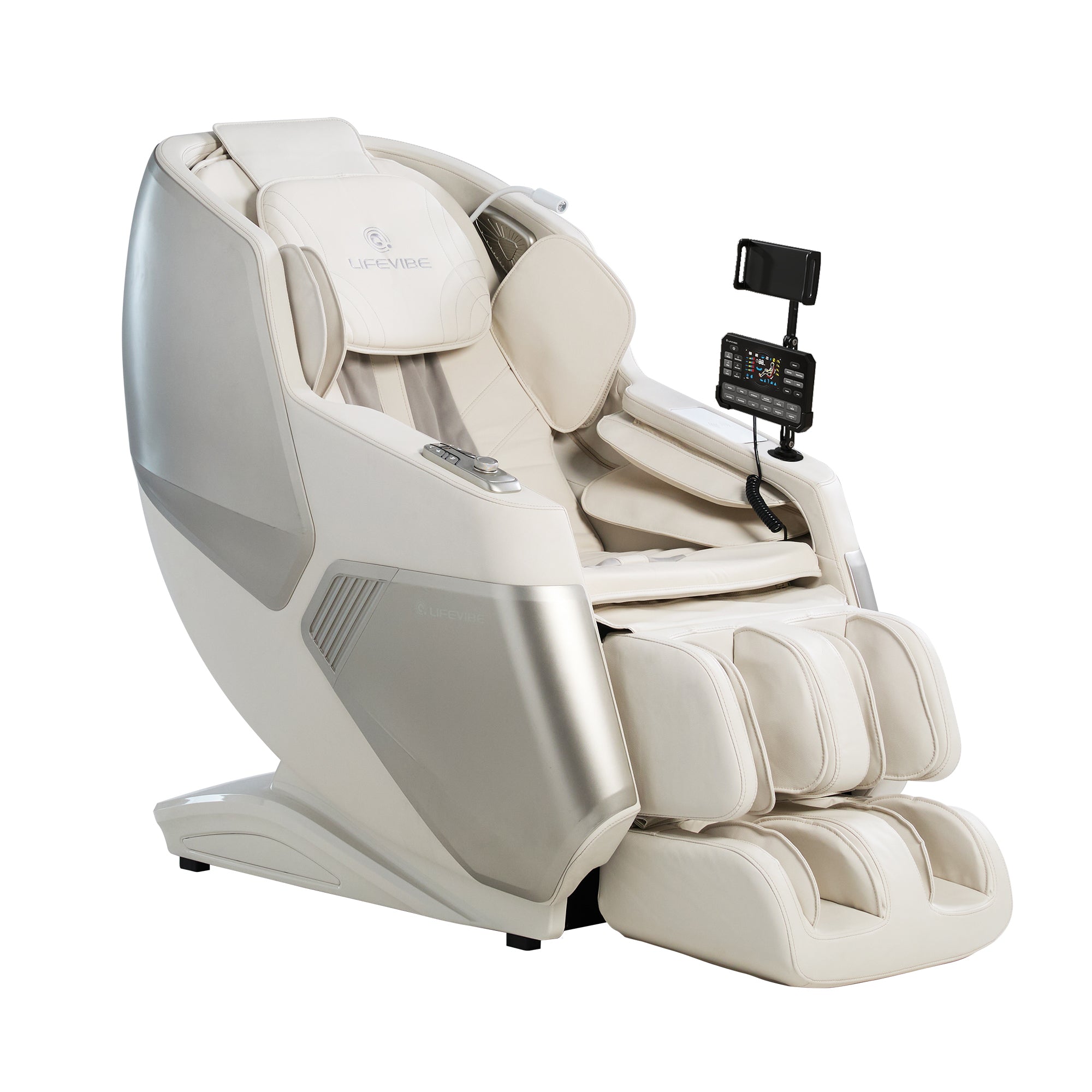
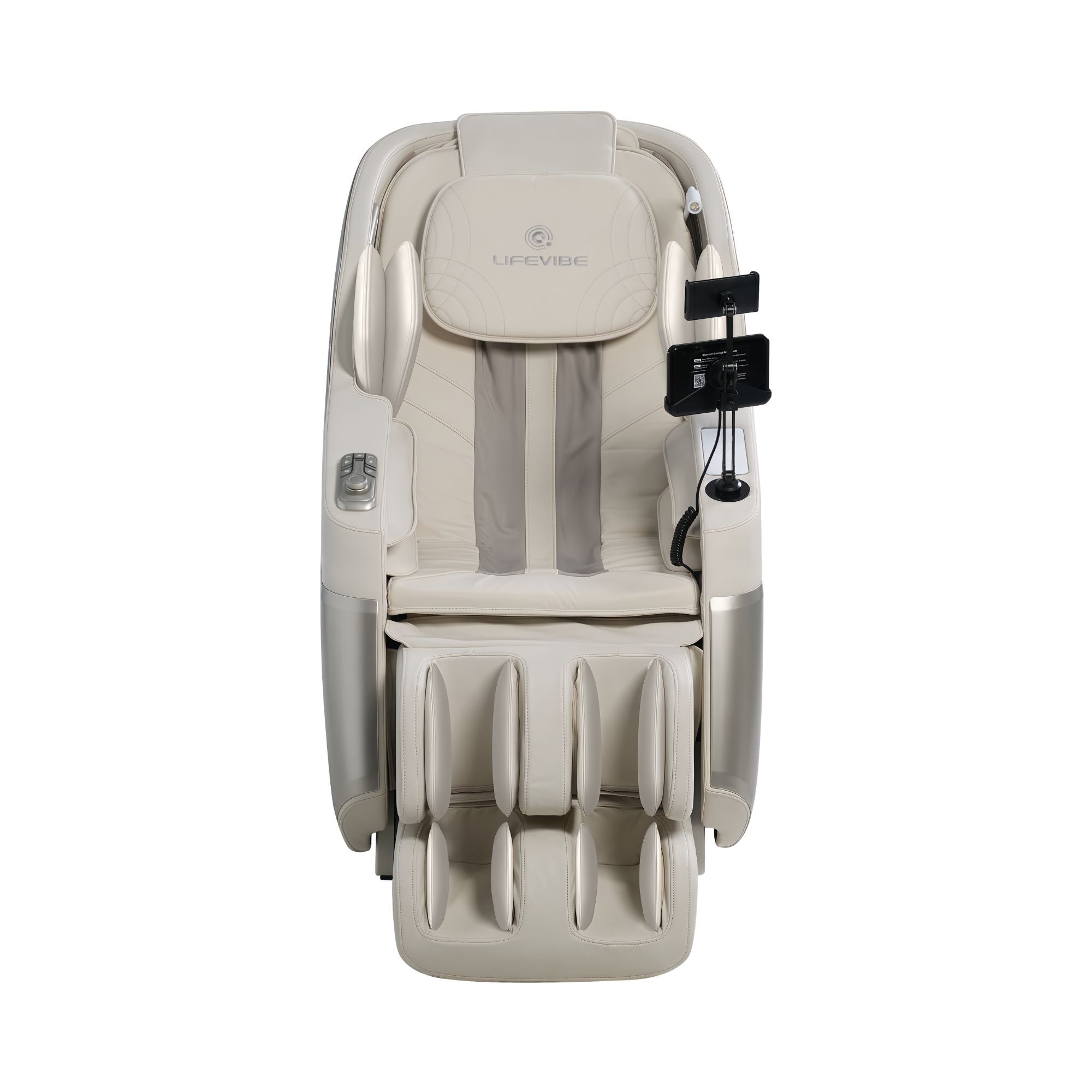
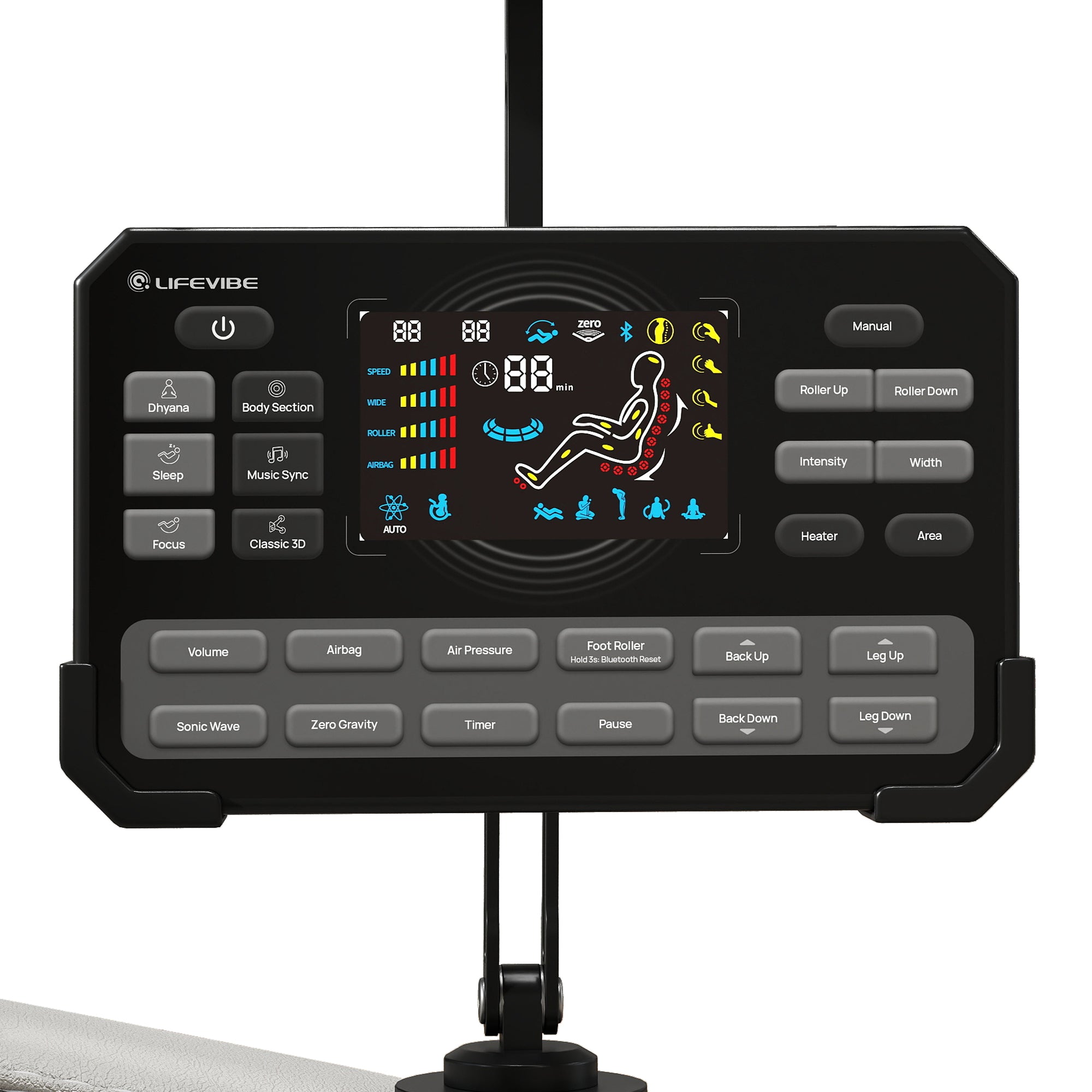
Vibroacoustic systems like the SonicWave™ mechanism in the Lifevibe VAT massage chair combine two elements:
• Upper 3D rollers for muscle work
• Lower sonic transducers for low-frequency resonance

That layered approach matters. The rollers address surface muscle tension. The sound waves travel deeper, dispersing energy more evenly rather than concentrating it in one point.
For people who can’t tolerate intense pressure, this can feel noticeably different — smoother, less jolting.
Zero Gravity Factor
Sciatic discomfort is often worse when the spine is compressed. Sitting upright puts pressure on lumbar discs.
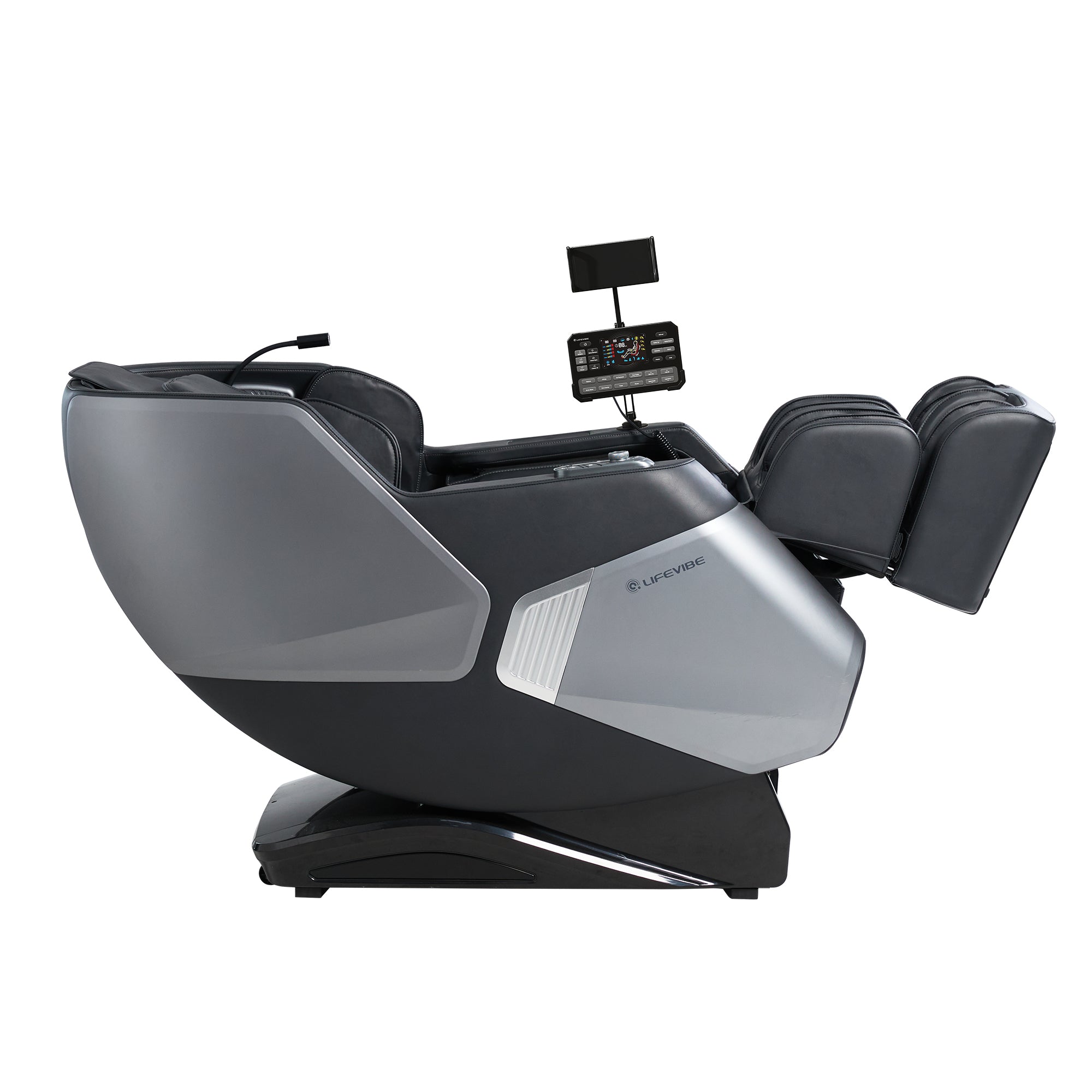
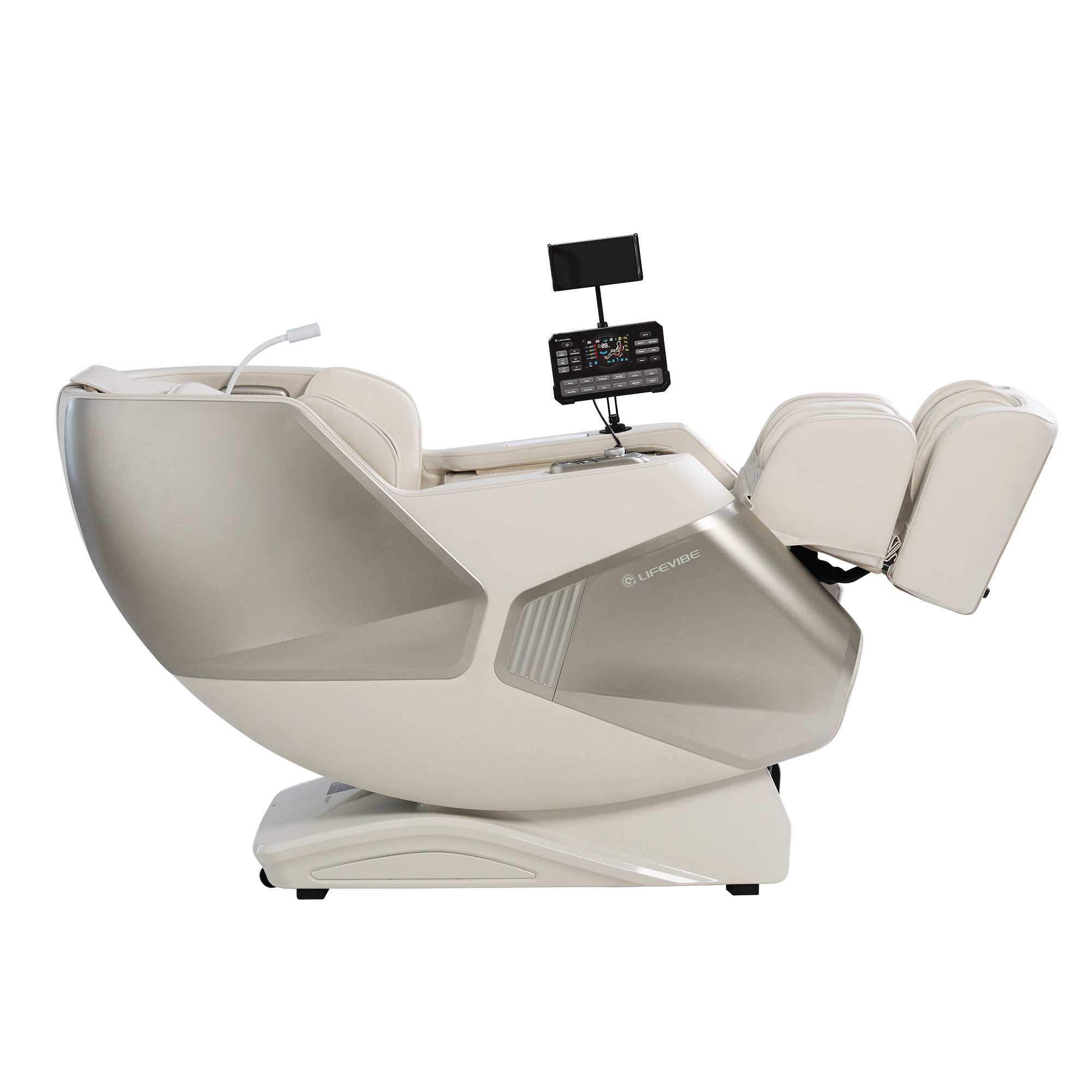
Zero gravity positioning, a feature inspired by NASA’s neutral posture research, reclines the body to redistribute weight and reduce spinal load.
Studies on spinal decompression positions show reduced intradiscal pressure when reclining with legs elevated. The National Aeronautics and Space Administration originally identified this neutral body posture to minimize spinal stress in astronauts.

When you combine:
• Reduced spinal compression
• Heat therapy (which increases local blood flow)
• Gentle vibration
You’re not “curing” sciatica — but you may be creating conditions that allow irritated tissue to calm down.
What About Circulation?
Low-frequency vibration has been associated with improved peripheral circulation in several studies. Improved blood flow may help tissues recover and reduce stiffness.
A study published in Clinical Rehabilitation found that whole-body vibration improved blood circulation in certain populations. (Source: https://journals.sagepub.com/doi/10.1177/0269215510371422)
Better circulation doesn’t magically remove nerve compression. But it can support tissue health and recovery, especially in sedentary individuals.
And most sciatic pain sufferers sit. A lot.
So it depends on the cause.
If sciatica is due to a severe herniated disc or structural spinal issue, a massage chair won’t replace medical treatment.
But if your discomfort is heavily influenced by:
• Muscle tightness in the lower back or piriformis
• Prolonged sitting
• Circulation issues
• Stress-related tension
Then a vibroacoustic massage chair may help manage symptoms.
Not by overpowering the pain.
Not by forcing tissue to comply.
But by encouraging relaxation, circulation and nervous system regulation.
And for many people, that’s enough to make daily life more comfortable.
Not louder.
Not harder.
Just deeper, in a quieter way.
And sometimes, that’s exactly what an irritated nerve needs.





Share:
Can I Use a Vibroacoustic Therapy Massage Chair for Movies & Gaming?
How Zero Gravity in Massage Chair Mode Benefits the Spine and Circulation?