

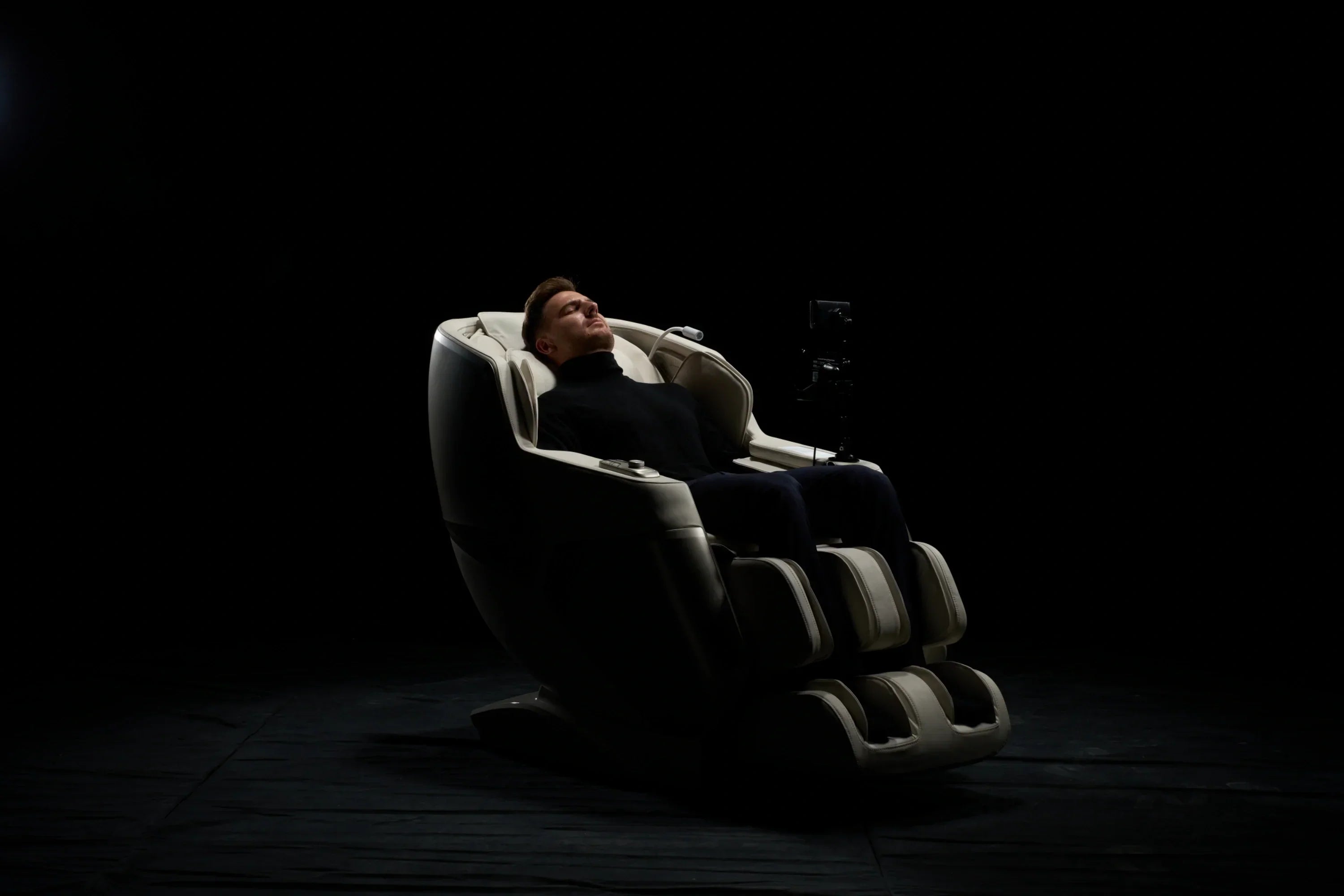
If you’ve ever scrolled through online ads or visited a wellness store, you might have seen those sleek chairs claiming to “relax your muscles and mind” with vibroacoustic therapy. They look futuristic, promise soothing vibrations synced to music, and some even hint at curing your stress—or more. So, is this real, or just another marketing gimmick? Let’s find it out.
What is Vibroacoustic Therapy
Vibroacoustic therapy, or VAT, isn’t some made-up spa trend. It has been studied for decades, particularly in Europe and Scandinavia. The idea is fairly simple: low-frequency vibrations are delivered through a surface, like a chair or a mat, that makes your body resonate. This stimulation targets muscles, nerves and even the nervous system, which can help reduce tension and improve relaxation.
You might be interested in: Vibroacoustic sound therapy improves pain management and more
Early research in Norway by Olav Skille in the 1980s laid the foundation, showing that vibrations in certain frequencies could relieve muscle stiffness and promote relaxation. More recent studies from 2020 to 2022 confirm that vibrations combined with sound can lower stress, improve circulation, and even help with mild anxiety. So, this isn’t just a trendy sales pitch—the therapy itself has credible research backing it.
You might be interested in: Influence of Vibroacoustic Therapy on Local Status and Rehabilitation of Post-TKR and Post-THR patients
How VAT Massage Chairs Work
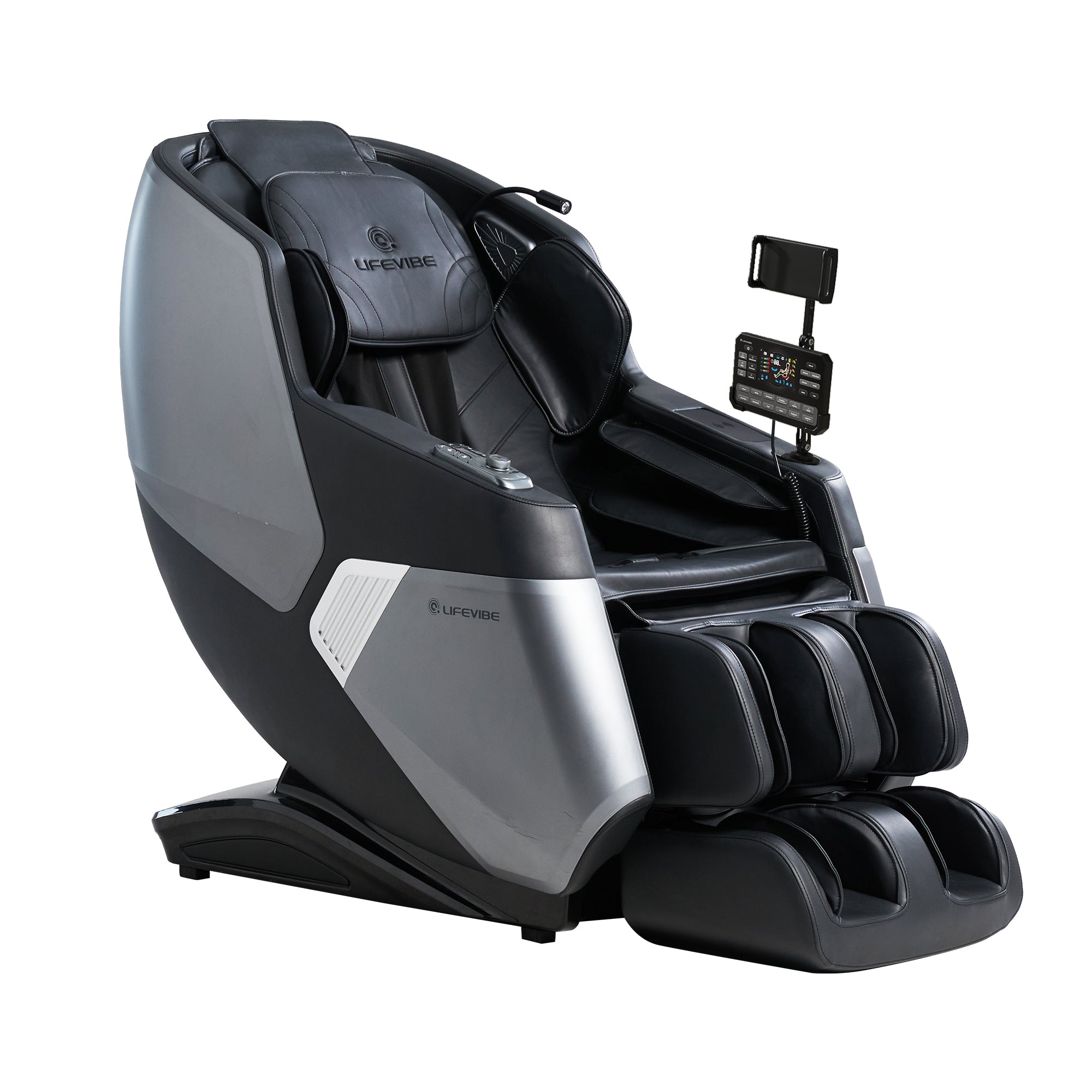
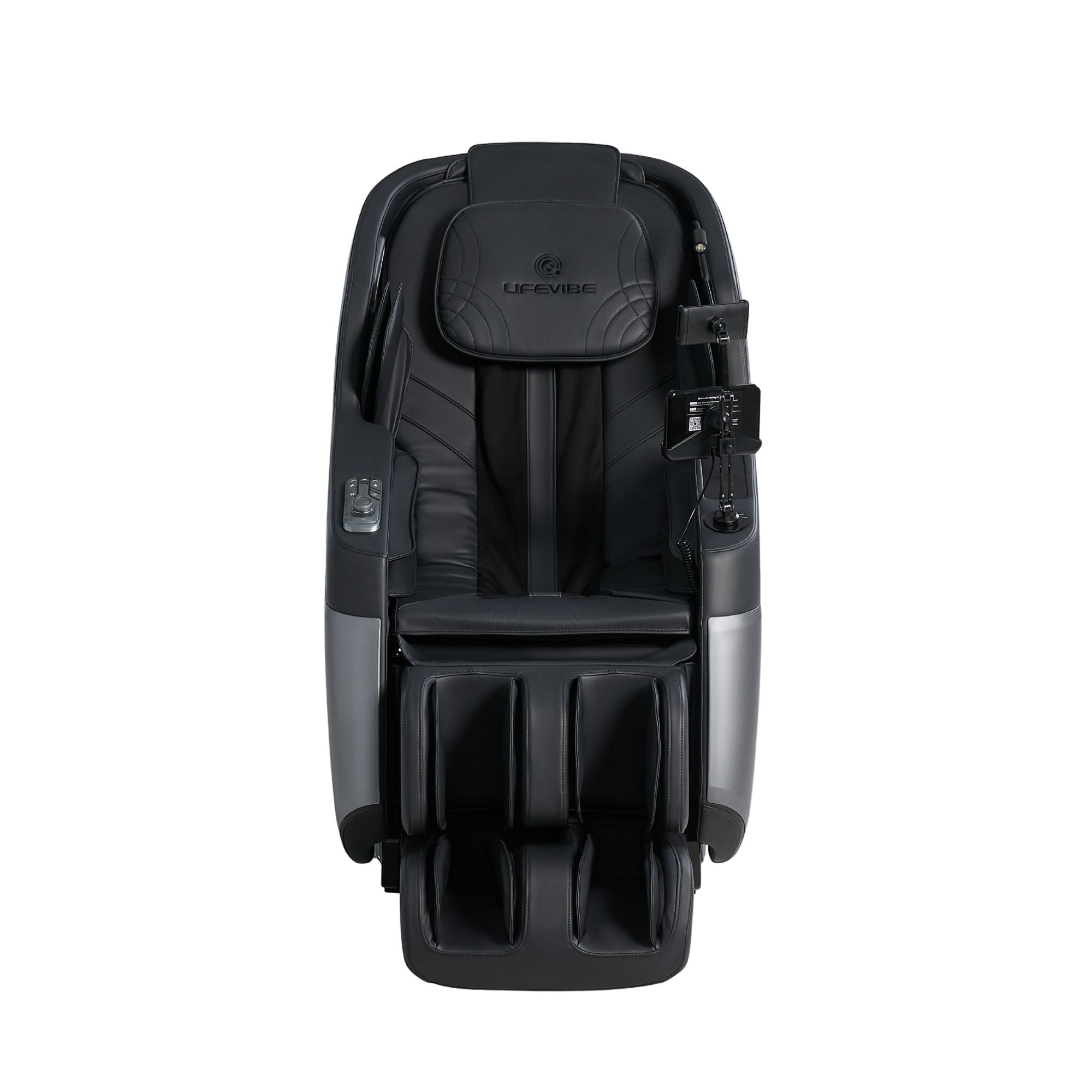
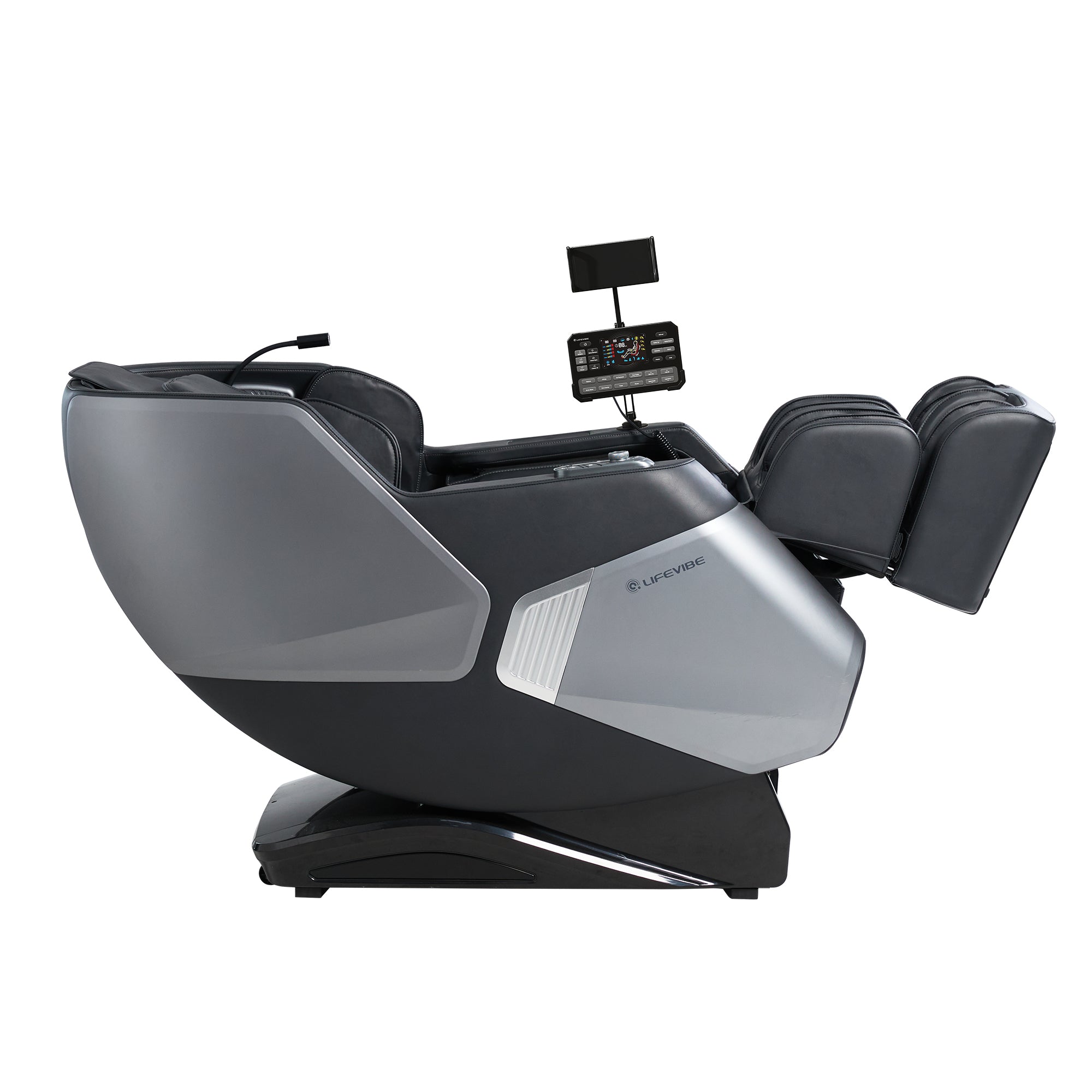
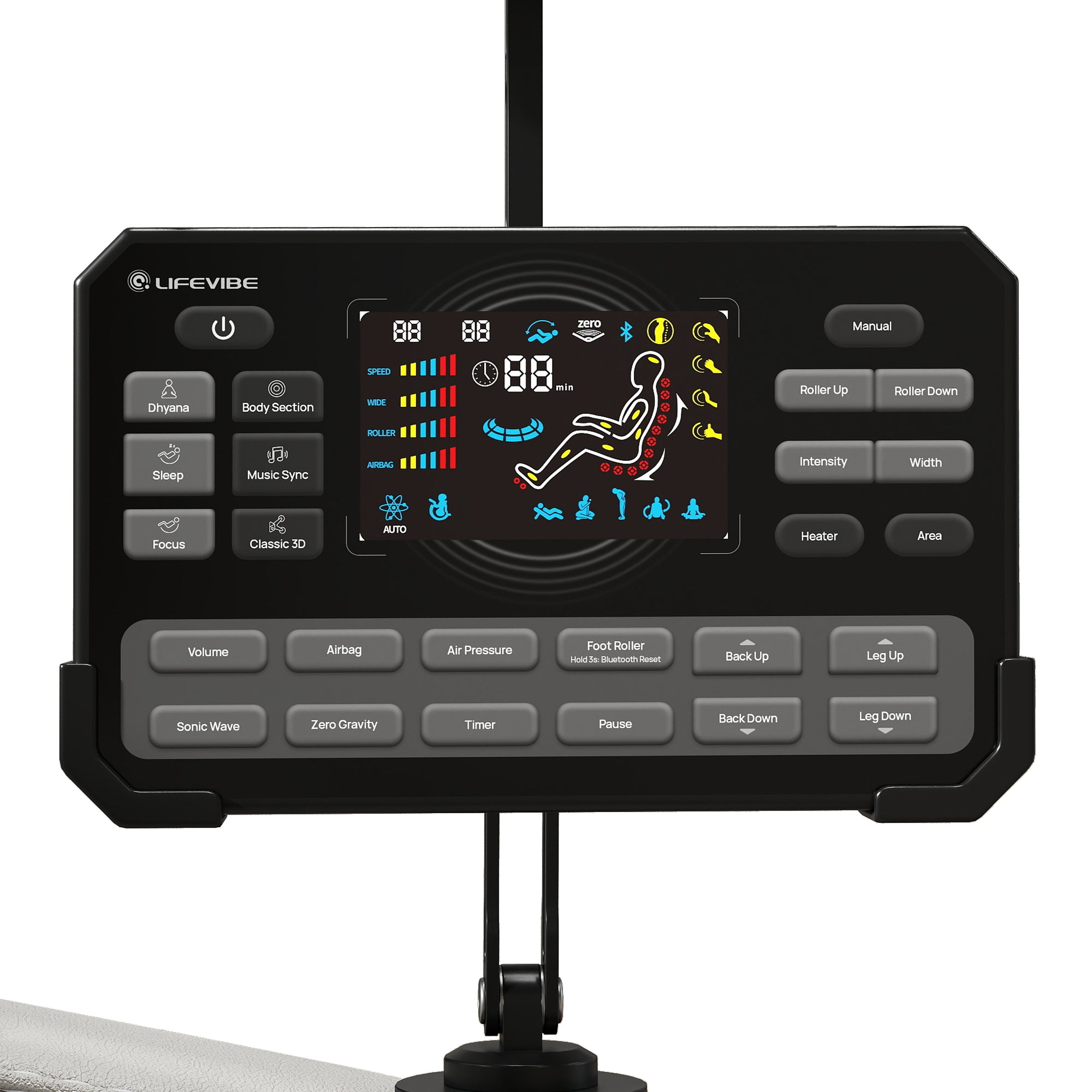
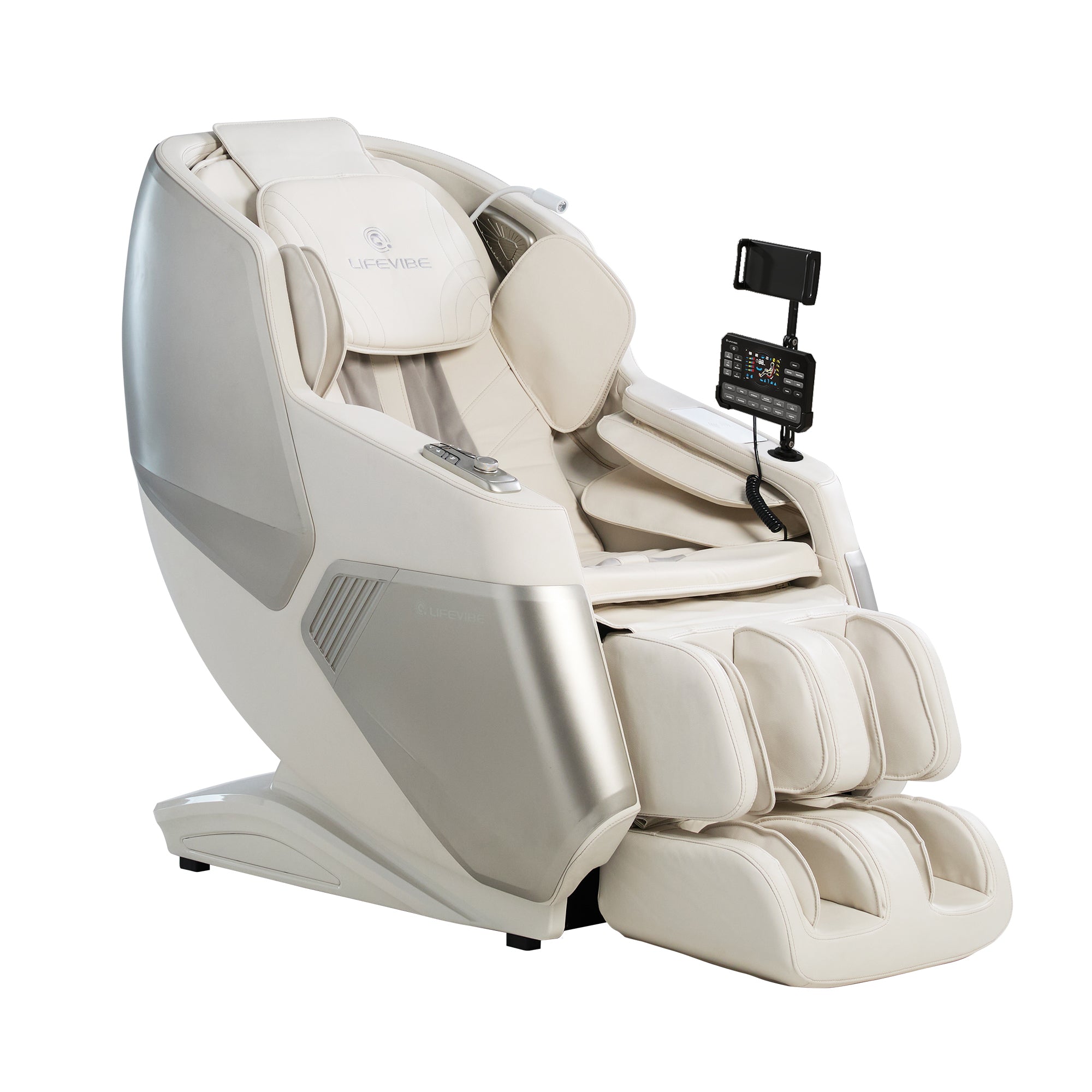
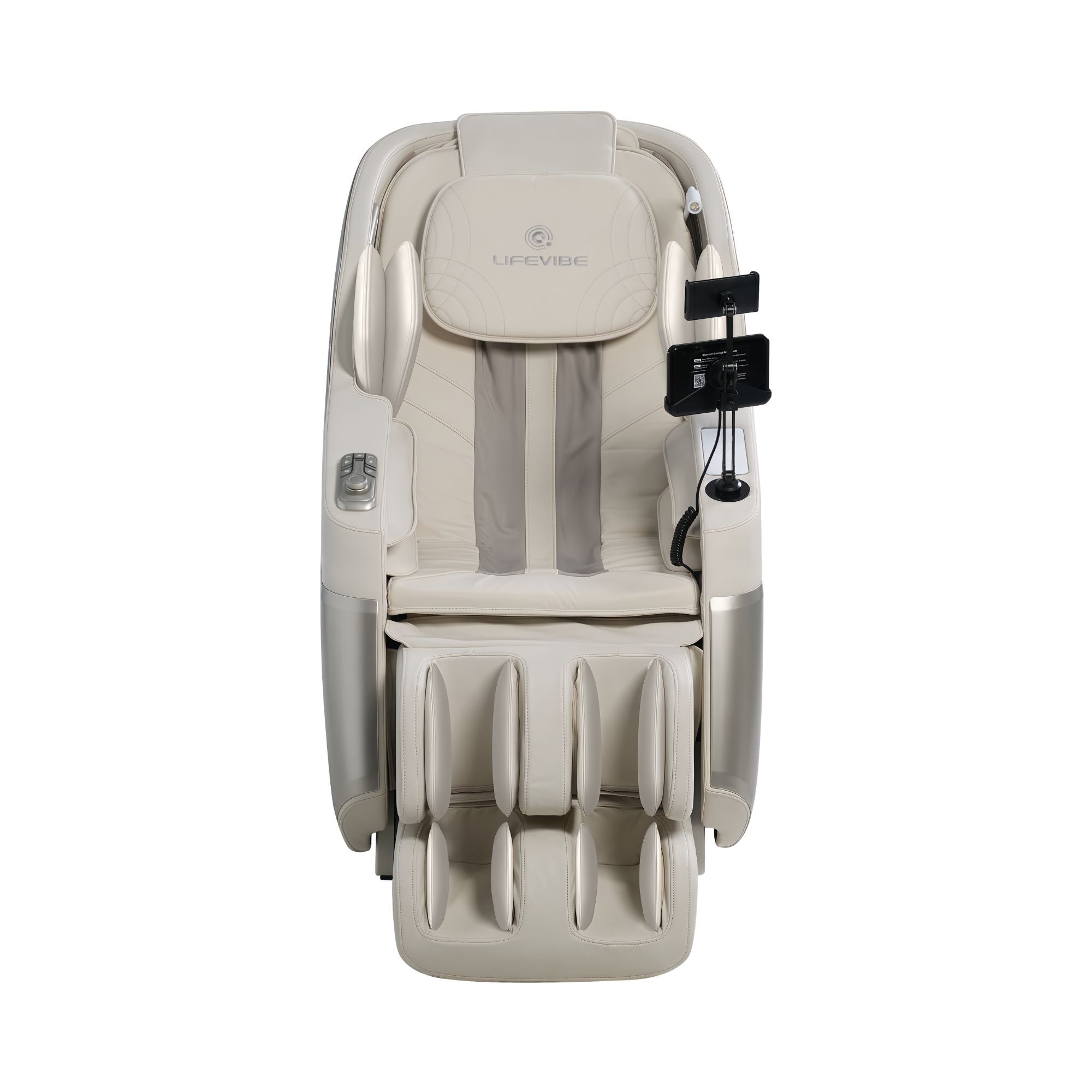
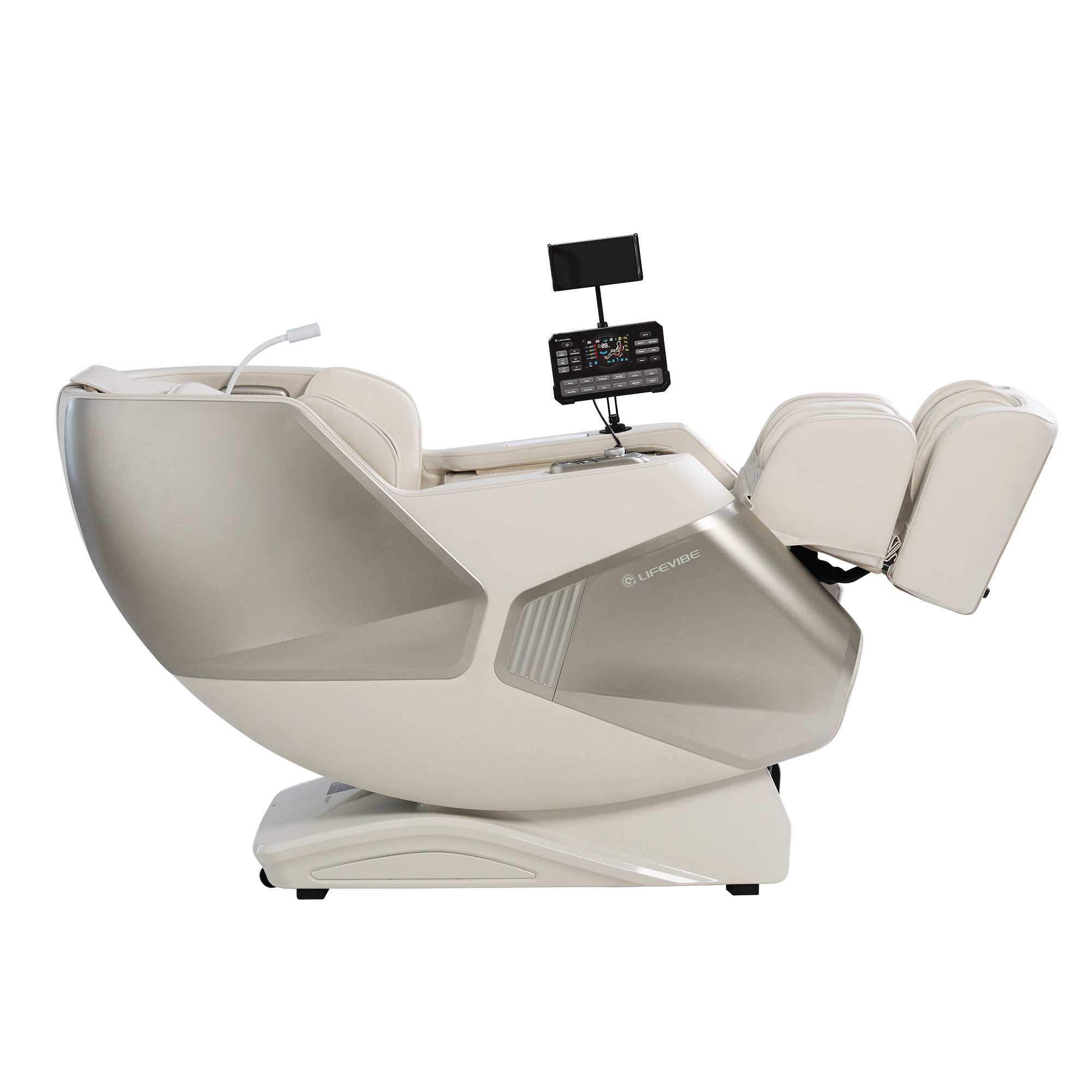
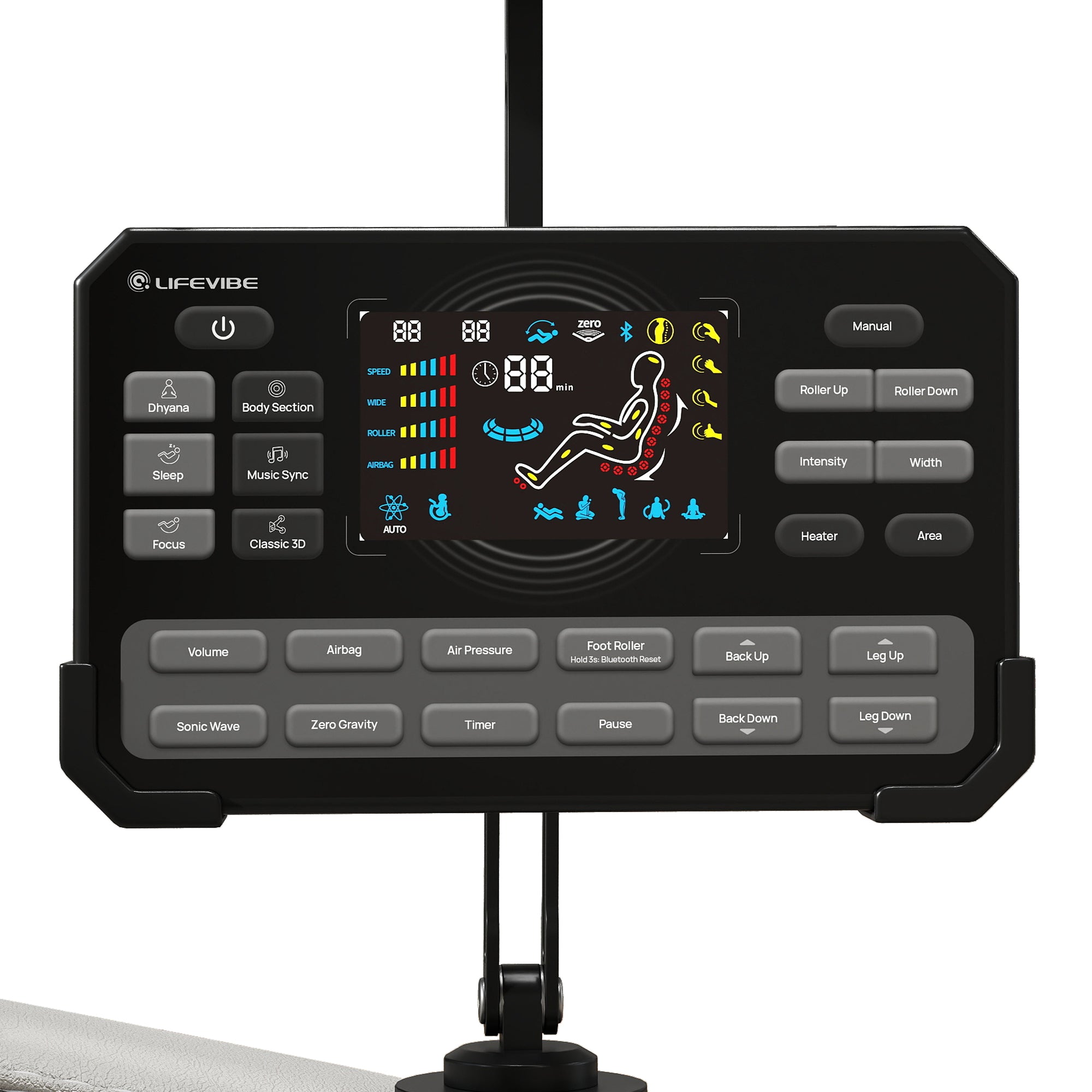
A VAT chair typically combines three things: massage rollers, airbags and low-frequency vibrations. Imagine getting a knead on your shoulders while a subtle vibration runs through your back and legs. That vibration reaches deeper tissue that traditional massage rollers might miss. Some chairs, like the Lifevibe VAT Chair Prime, even let you sync vibrations with music or add heat for extra relief.
The science behind this is interesting. Studies show that vibrations at the right frequencies can stimulate muscles, improve blood flow, and reduce sympathetic nervous system activity—that’s the part of your nervous system responsible for stress responses. In other words, your body gets a mini “reset” while you sit there, which is more than just a placebo effect.

Lifevibe VAT massage chairs combine vibroacoustic therapy (sonic waves) with 3D massage rollers for deeper, more effective massages. (According to Newatlas)
So Is It a Scam?
Here’s the tricky part: the technology is real, but not every chair is made equal. Some cheaper models might have weak or uneven vibrations, poorly designed rollers, or make wild health claims like curing chronic illnesses. Those are the ones that can feel like a scam.
A reliable VAT chair should provide clear information: vibration frequency ranges, areas of the body it covers, and any research or testing that supports its claims. Chairs that skip these details or exaggerate results should be approached cautiously.
According to research, when used correctly, VAT can reduce muscle tension, improve circulation, and enhance relaxation (Skille, 1980s, Norway). That means a properly designed chair is providing real benefits, not just fancy marketing.
Benefits You Can Expect
Vibroacoustic therapy chairs aren’t miracle machines, but the benefits are tangible:
• Muscle Relaxation: Low-frequency vibrations can release tight muscles, especially in the back, neck, and shoulders.
• Stress Relief: A study shows vibration combined with soothing music or sounds helps reduce cortisol levels and promote relaxation.
• Circulation Boost: Heat plus vibration improves blood flow, which can help with mild aches or tension from sitting too long.
• Enhanced Mobility: Some users report better flexibility after consistent use because their muscles feel less stiff.
It’s important to note that VAT chairs complement wellness routines—they aren’t a substitute for medical care. If you have serious medical conditions, it’s always best to consult a healthcare professional before using one.
Making Sure You’re Not Getting Ripped Off
Since VAT is gaining popularity, there are plenty of lower-quality chairs on the market. To avoid wasting money, pay attention to a few things:
• Frequency Range: Reliable VAT chairs usually operate between 30–120 Hz. Too weak or inconsistent vibration may not be effective.
• Coverage: The chair should target multiple areas: back, shoulders, legs and sometimes even the glutes.
• Research or Testing: Chairs that reference studies or have tested their vibration mechanisms are more credible.
• Realistic Claims: Be skeptical of promises like “cures chronic back pain” or “eliminates stress permanently.” VAT helps with tension and relaxation, but it’s not a medical cure.
If a chair meets these criteria, it’s not a scam—it’s a legitimate tool for relaxation and muscle relief.

Various frequency vibration creates different effects
Using a VAT Chair Effectively
To get the most out of a VAT chair, consistency matters. A few minutes every day is more beneficial than occasional marathon sessions. Adjust the vibration intensity to your comfort level—some people like gentle pulses, while others prefer deeper stimulation.
Pairing the chair with calming music or sounds can enhance the effect, as research indicates that the combination of vibration and auditory stimuli can better reduce stress levels. And if your chair has heat or zero-gravity settings, those features can complement the vibrations to improve circulation and comfort.
Real User Experience
Many people who use VAT chairs regularly report noticeable changes. Muscles feel looser, stress levels drop, and tension headaches are less frequent. While individual results vary, these user experiences align with what the scientific studies suggest: VAT can be an effective relaxation tool, especially for everyday stress or mild muscle tightness.
It’s also worth noting that consistent use matters more than the latest flashy feature. Even a simpler chair with steady vibration and proper coverage can be more effective than a high-tech model with weak execution.





Share:
Does Vibroacoustic Therapy Massage Chair Burn Calories?
Is a Vibroacoustic Therapy Massage Chair a Deep Body Massage Chair?