


Pregnancy changes everything — your sleep, your posture, your stress levels, even how your muscles feel at the end of the day. So it’s completely natural to look at something like a vibroacoustic massage chair and think, that looks amazing right now.
But here’s the real question: is it actually safe during pregnancy?
The short answer? Not without medical approval.
And here’s why that matters.
Why Pregnancy Changes the Safety Conversation
When you’re pregnant, your body isn’t operating the way it normally does. Blood volume increases. Hormones loosen ligaments. Circulation shifts. Blood pressure can fluctuate. Even how you lie down affects how blood flows to your heart.
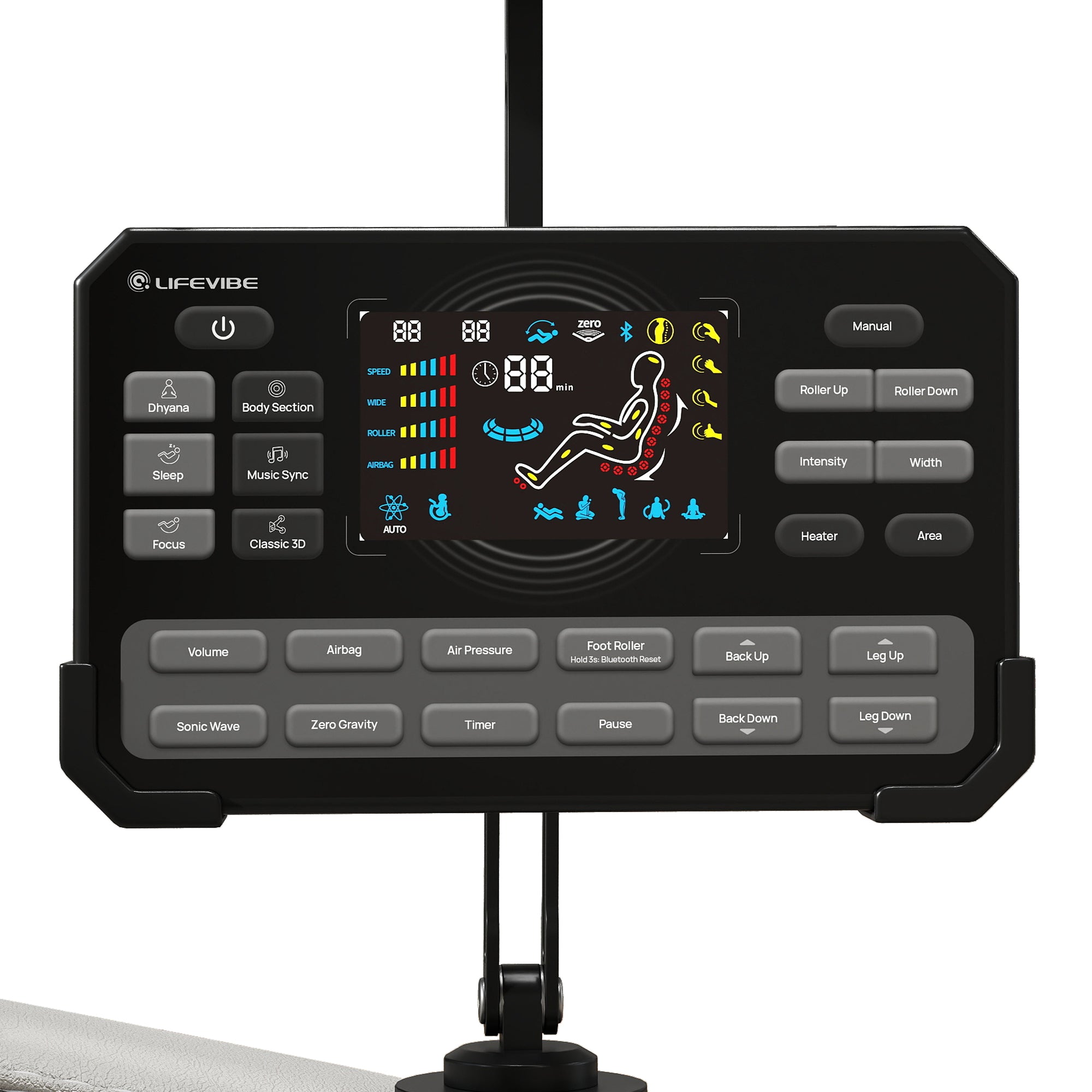
A vibroacoustic massage chair isn’t just a simple back massager. These chairs combine:
• 3D mechanical rollers
• Low-frequency sound vibrations (often 30–120Hz)
• Air compression around arms and legs
• Heat therapy
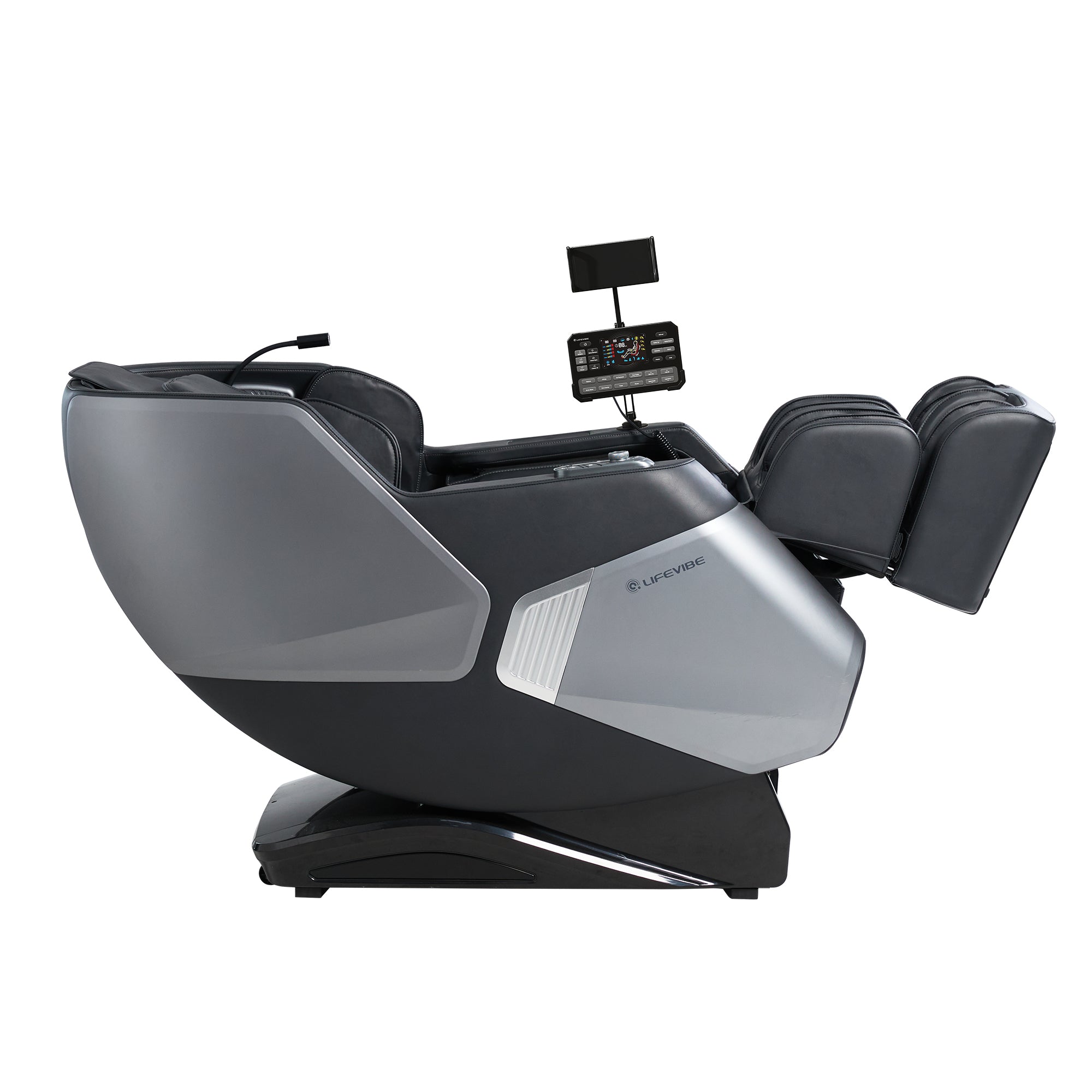
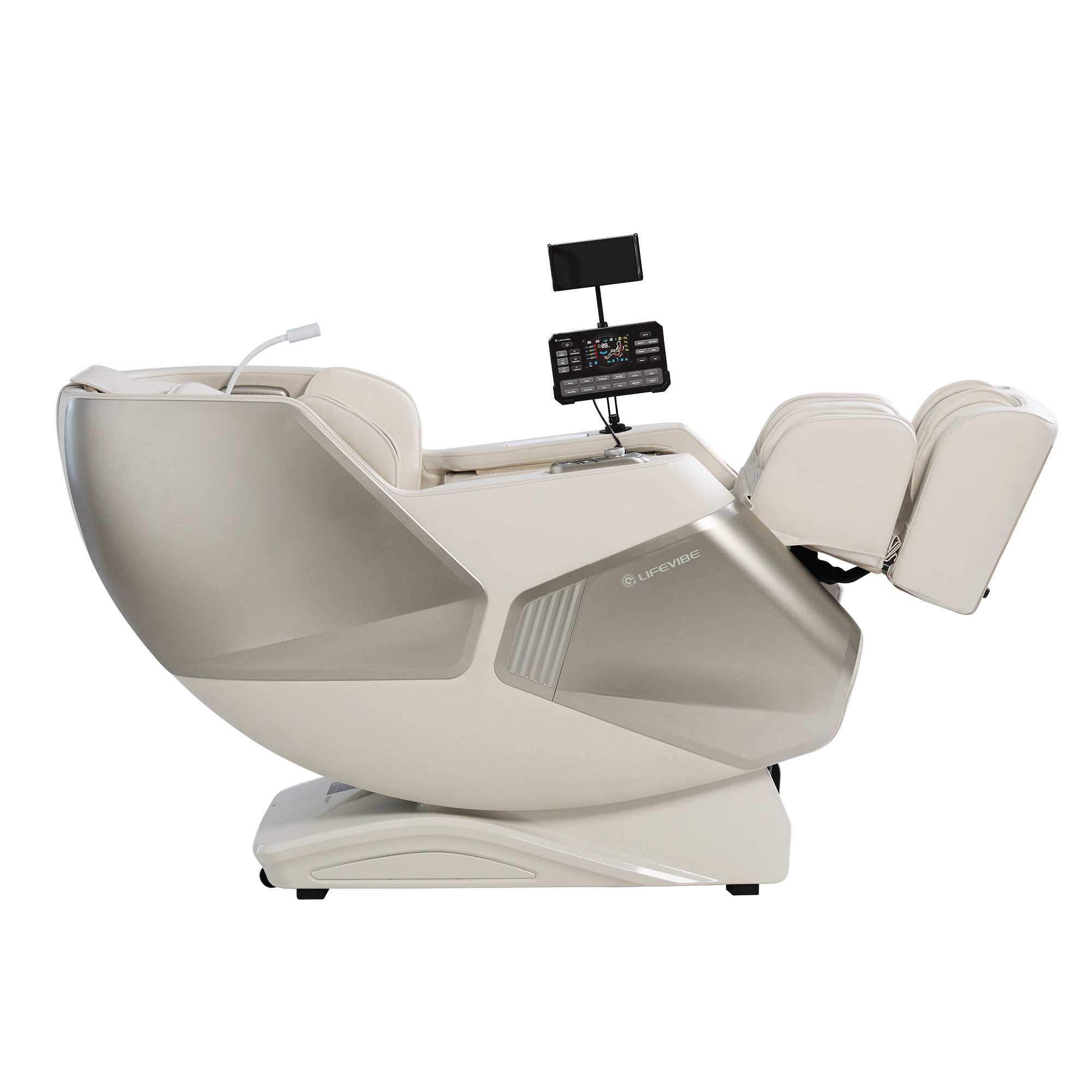
• Zero gravity reclining
That’s a full-body experience. And while it’s designed to promote relaxation and muscle relief, pregnancy adds layers of sensitivity that make those features more complex.
Vibration Question
Vibroacoustic therapy (VAT) works by converting low-frequency sound into gentle internal resonance. It’s not electrical stimulation and it’s not harsh shaking. The sensation is usually smooth and rhythmic.

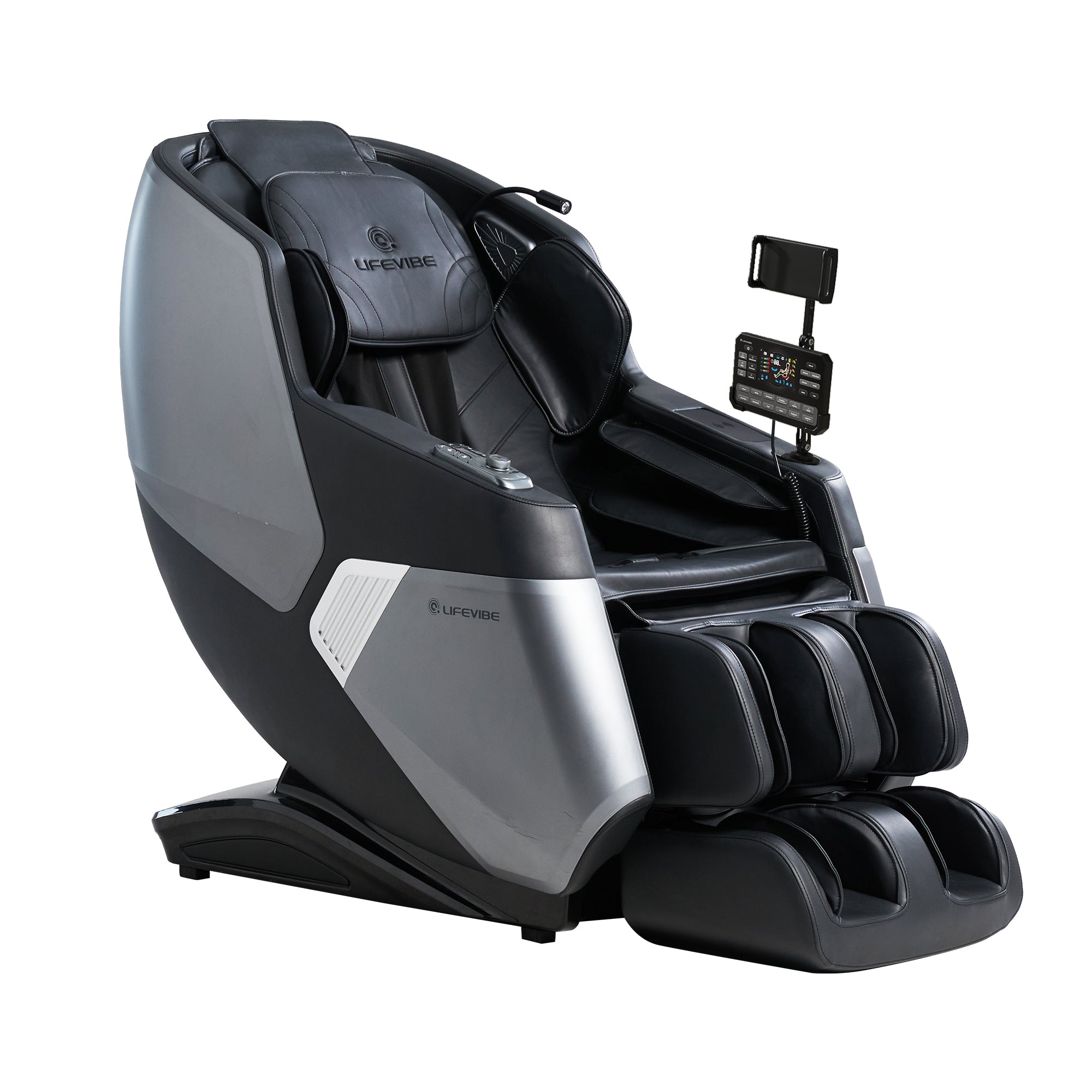
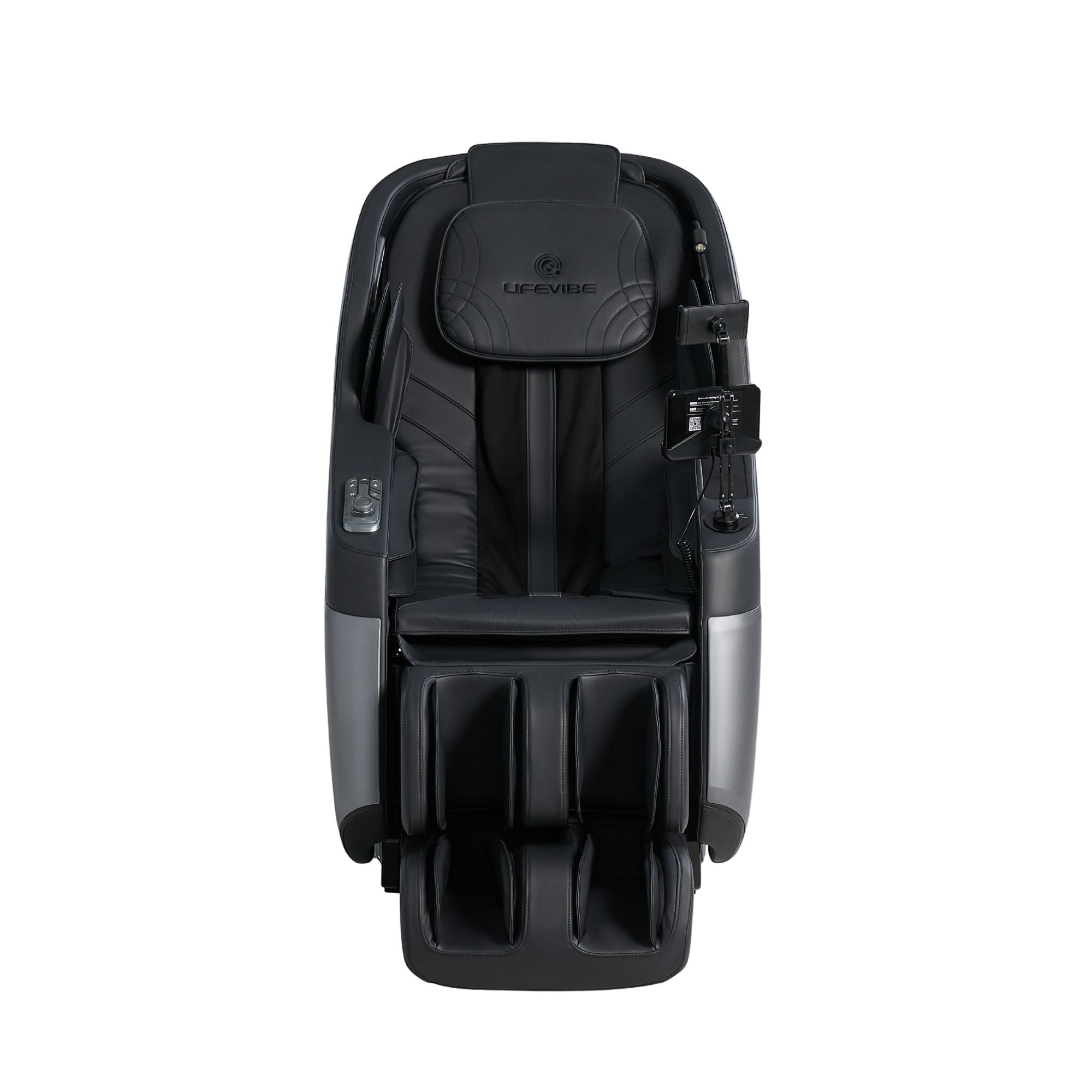
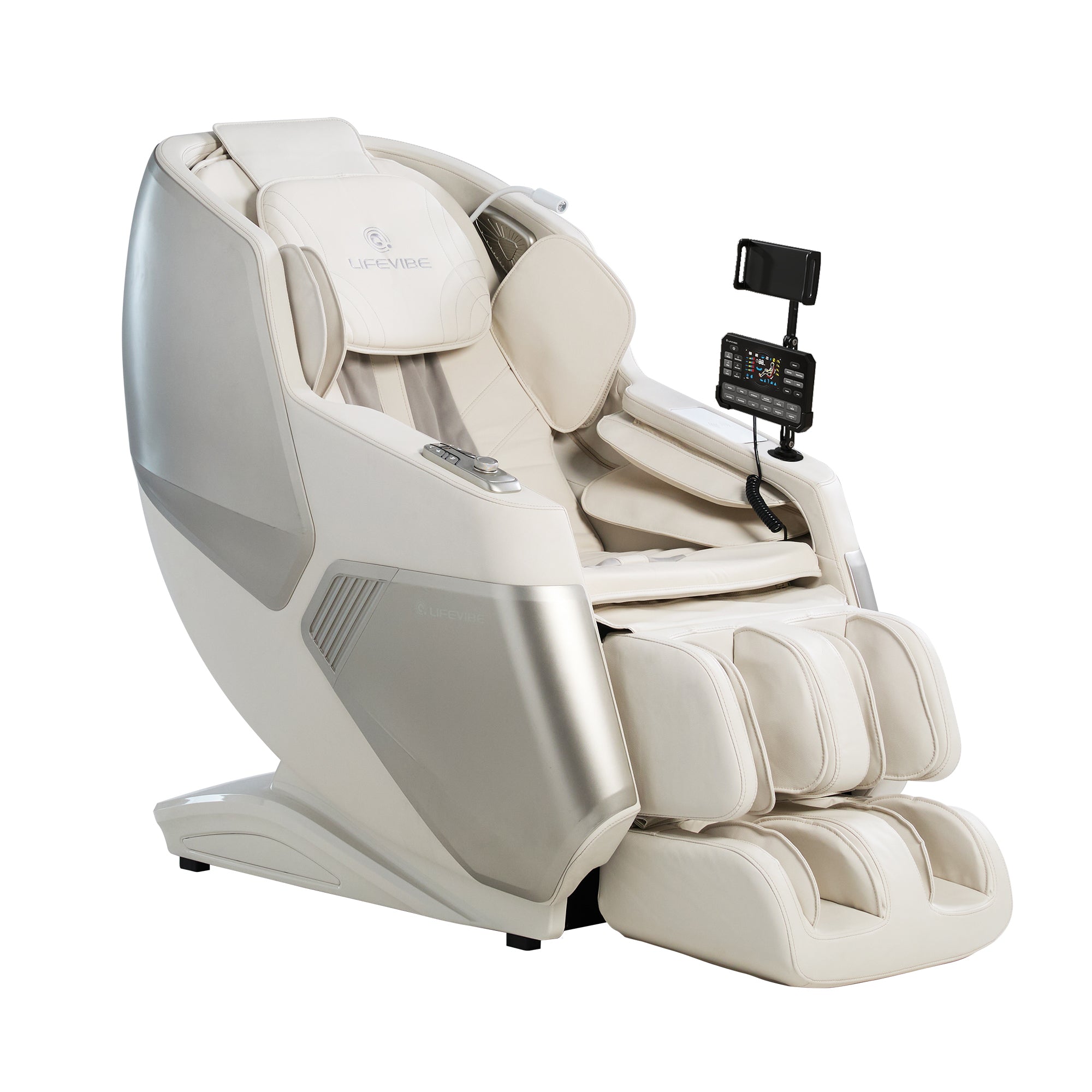
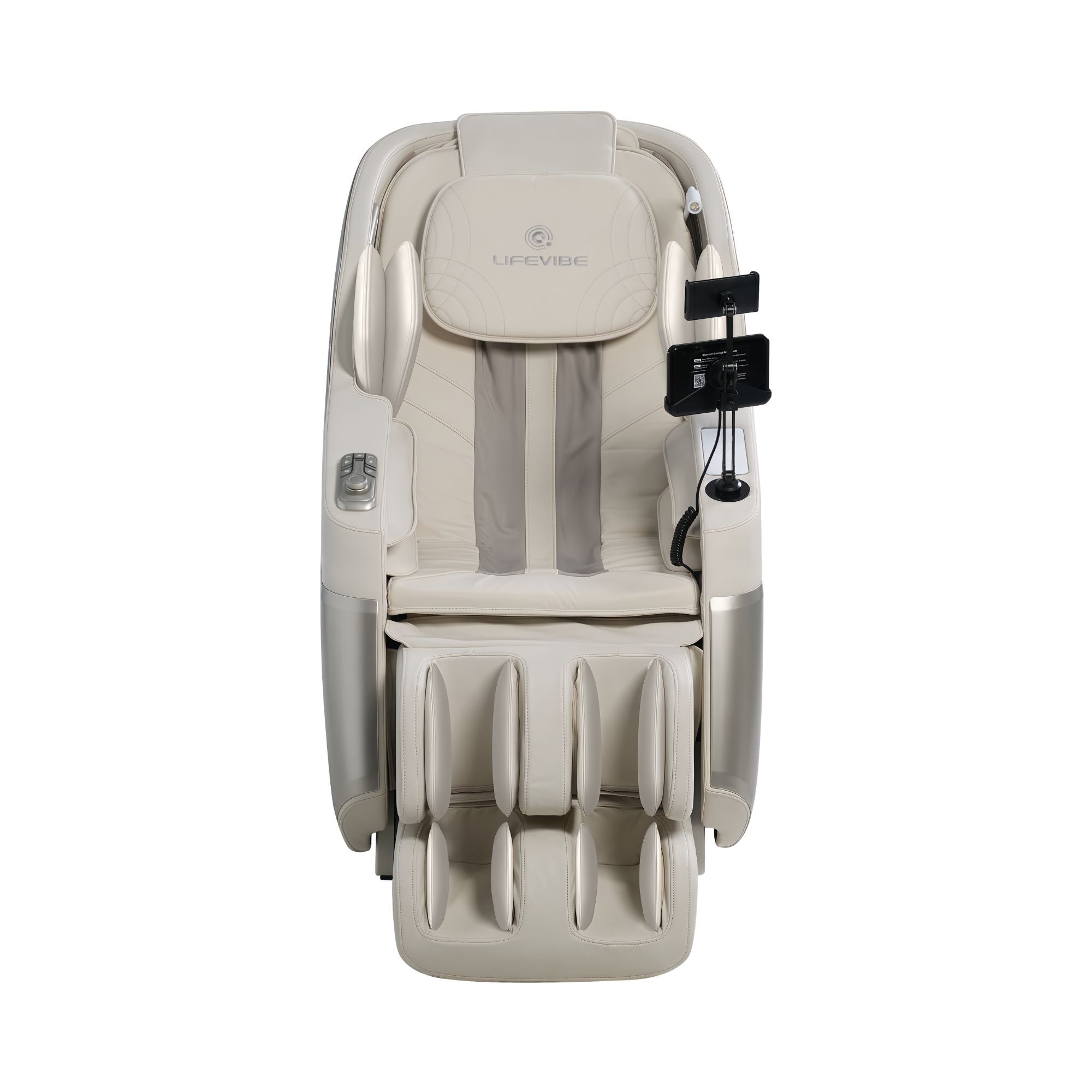
Vibroacoustic massage chair with sonic wave machanism works deeper than traditional massage chair
Still, those vibrations travel deeper than surface massage. They’re meant to interact with fascia, muscle tissue and circulation.
The issue isn’t that vibration is proven dangerous — it’s that there isn’t enough pregnancy-specific research to say it’s clearly safe either. Especially in the first trimester, when fetal development is at its earliest stages, most doctors recommend avoiding unnecessary deep stimulation around the abdomen and lower back.
If something hasn’t been studied well in pregnancy, healthcare providers usually err on the side of caution.
Pressure and Compression
Many advanced massage chairs include airbags that gently squeeze the shoulders, arms, calves and feet. For most users, that compression feels comforting and helps circulation.
During pregnancy, though, circulation already changes dramatically. Swelling in the legs and feet is common. Some women develop blood pressure issues or are monitored for clotting concerns. Strong compression — even if it feels mild — can affect how blood returns to the heart.
That doesn’t automatically mean it’s harmful. It just means it’s not something to use casually without asking your doctor first.

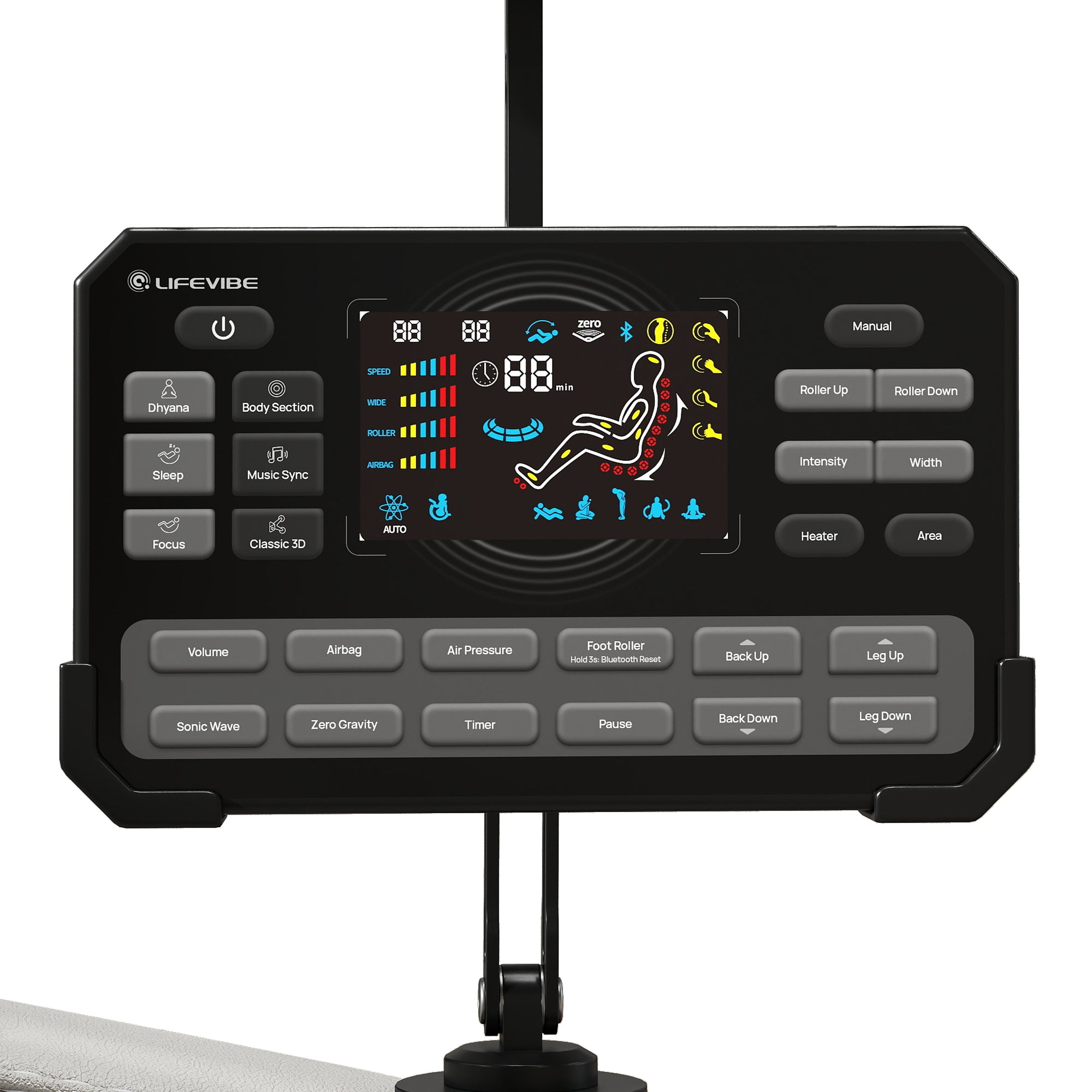
Lifevibe Prime VAT massage chair features premium massage chair functions.
Heat: Soothing, but Tricky
Heat therapy feels incredible on a sore lower back. But pregnancy and heat don’t always mix well.
Elevating core body temperature for extended periods — especially early in pregnancy — is generally discouraged. That’s why doctors caution against hot tubs and high-heat saunas.
Most massage chairs use moderate heating pads, not extreme heat. Still, applying warmth to the lumbar area for 20–30 minutes could raise body temperature slightly. For someone pregnant, even small increases matter more.
If a provider ever does approve use, they’ll often recommend turning heat off.
Zero Gravity and Positioning
Zero gravity reclining shifts your weight so your legs sit above heart level. It’s designed to reduce spinal pressure and enhance relaxation.
In pregnancy, especially after the first trimester, lying flat on your back for long periods can compress a major vein (the inferior vena cava). That can affect circulation and cause dizziness or drops in blood pressure.
Many massage sessions last 15–30 minutes. That’s long enough for positioning to matter.
What Manufacturers Typically Say
Most reputable vibroacoustic or full-body massage chair brands include pregnancy in their precaution list. The wording is usually something like:
Pregnant women should consult a physician before use.
That’s not just legal language. It reflects the fact that pregnancy varies widely from person to person. Low-risk and high-risk pregnancies are very different situations.
Is It Ever Okay to Use One While Pregnant?
Possibly — but only with medical clearance.
If you’re considering using a vibroacoustic massage chair during pregnancy, your safest move is simple: ask your OB-GYN directly. Be specific about what the chair does. Mention vibration frequencies, zero gravity reclining, airbags and heat.
Some doctors may approve short sessions with modifications, such as:
• Avoiding the first trimester
• Turning off heat
• Using low intensity only
• Skipping deep lumbar massage
• Limiting session time
But that approval needs to come from someone who understands your individual medical history.
When You Should Definitely Avoid It
If you have any of the following, skip the chair unless your doctor says otherwise:
• High-risk pregnancy
• Placenta complications
• High blood pressure or preeclampsia
• Unexplained swelling
• Preterm labor risk
• Dizziness when lying flat
Pregnancy isn’t the time to experiment with strong body stimulation.
Safer Ways to Relax During Pregnancy
If what you really want is relief from tension, there are gentler options that are commonly recommended:
• Prenatal massage from a certified therapist
• Side-lying rest positions with pillow support
• Warm (not hot) showers
• Gentle stretching or prenatal yoga
• Breathing exercises or guided relaxation
These approaches are designed specifically for pregnancy physiology.

The Bottom Line
A vibroacoustic massage chair isn’t automatically dangerous during pregnancy. But it’s also not automatically safe.
Because it combines deep vibration, mechanical pressure, compression, heat and reclining positioning, it creates more full-body stimulation than a simple handheld massager. And pregnancy changes how your body responds to all of that.
So the safest answer is this: don’t use one during pregnancy unless your healthcare provider gives clear approval.
When it comes to pregnancy, comfort matters — but caution matters more.
If you’re unsure, bring the chair’s feature list to your next appointment and ask directly. A five-minute conversation with your doctor is worth far more than guessing.





Share:
Can I use a vibroacoustic massage chair during movies or games?
Does Vibroacoustic Therapy Massage Chair Burn Calories?