


When people search for ways to relax their body, recover after workouts, or build a better wellness routine at home, they often come across different technologies like vibroacoustic therapy (VAT), EMS and TENS. At first, these technologies may seem similar because they all create some type of physical sensation. However, the way they work is very different. One uses sound-based vibration, one uses electrical signals to activate muscles, and another uses electrical stimulation to interact with nerve pathways.
Choosing between them is less about which technology is “better” and more about understanding what kind of experience you want. Do you want muscle activation after exercise? Are you looking for targeted electrical stimulation? Or do you want a relaxing, immersive experience that helps you slow down after a busy day?
Let’s look at how these technologies compare.
| Feature | Vibroacoustic Therapy (VAT) | EMS | TENS |
|---|---|---|---|
| Technology | Sound waves + vibrations | Electrical impulses | Electrical impulses |
| Main Target | Body relaxation and sensory system | Muscles | Nerves |
| Main Purpose | Relaxation, stress relief, and wellness support | Muscle activation and recovery | Pain relief support |
| How It Feels | Gentle vibrations with calming sounds | Muscle contractions or pulsing sensations | Light tingling or tapping sensations |
| Common Uses | Relaxation, meditation, recovery, wellness routines | Fitness, muscle training, rehabilitation | Temporary pain management |
| Stimulation Type | Mechanical vibration and sound | Electrical muscle stimulation | Electrical nerve stimulation |
| Best For | People seeking a calming mind-body experience | People focusing on muscle performance or recovery | People seeking support for certain types of pain |
What Is Vibroacoustic Therapy (VAT)?
Vibroacoustic Therapy (VAT) is a wellness technology that uses low-frequency sound vibrations to create physical sensations throughout the body. Instead of using electrical impulses or strong mechanical pressure, VAT converts sound signals into gentle vibrations that the body can feel.
The foundation of VAT comes from research by Norwegian therapist Olav Skille in the 1980s. Early studies explored how low-frequency sound vibration could support relaxation and sensory stimulation. Since then, vibroacoustic approaches have been researched in areas related to relaxation, stress management, rehabilitation support, and pain perception.

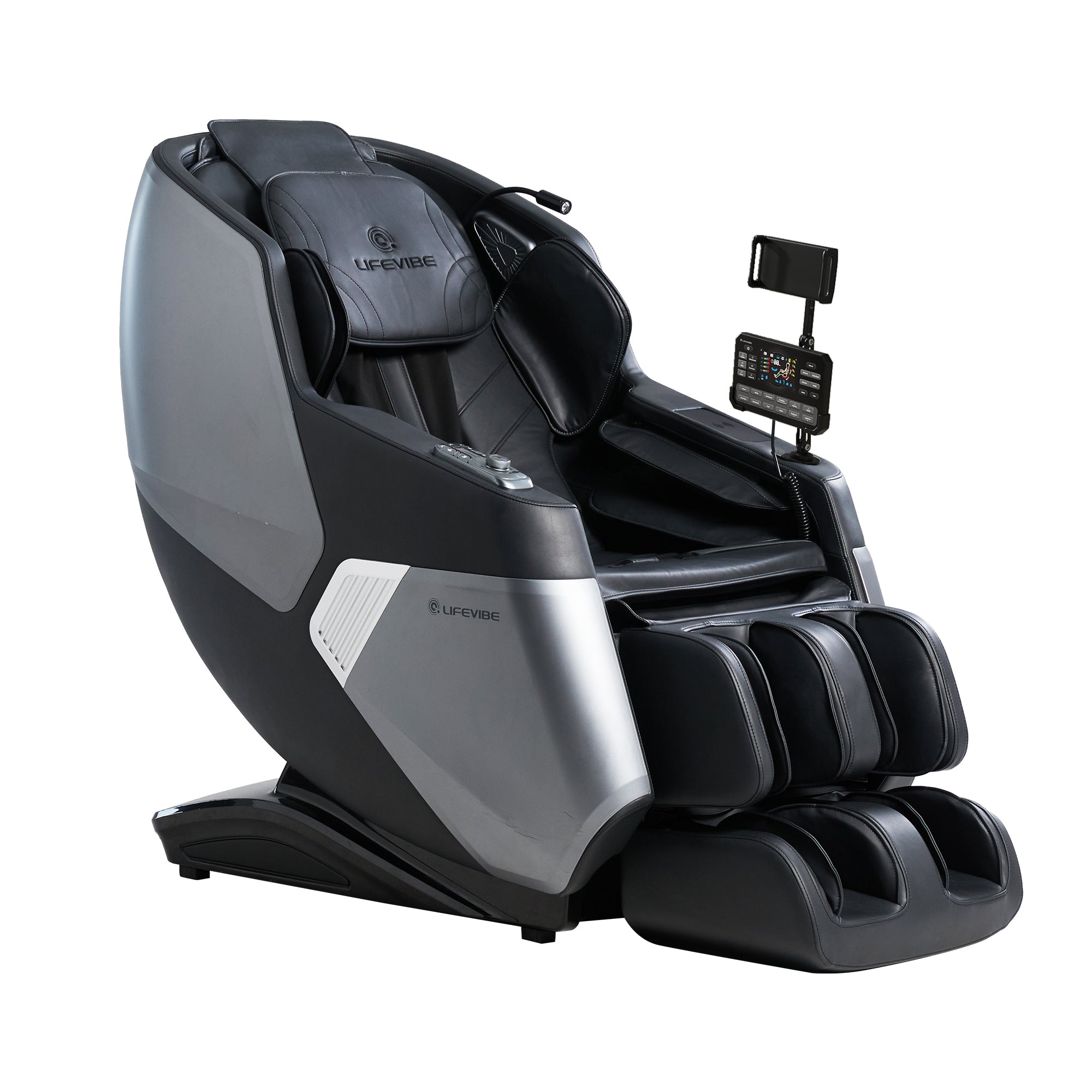
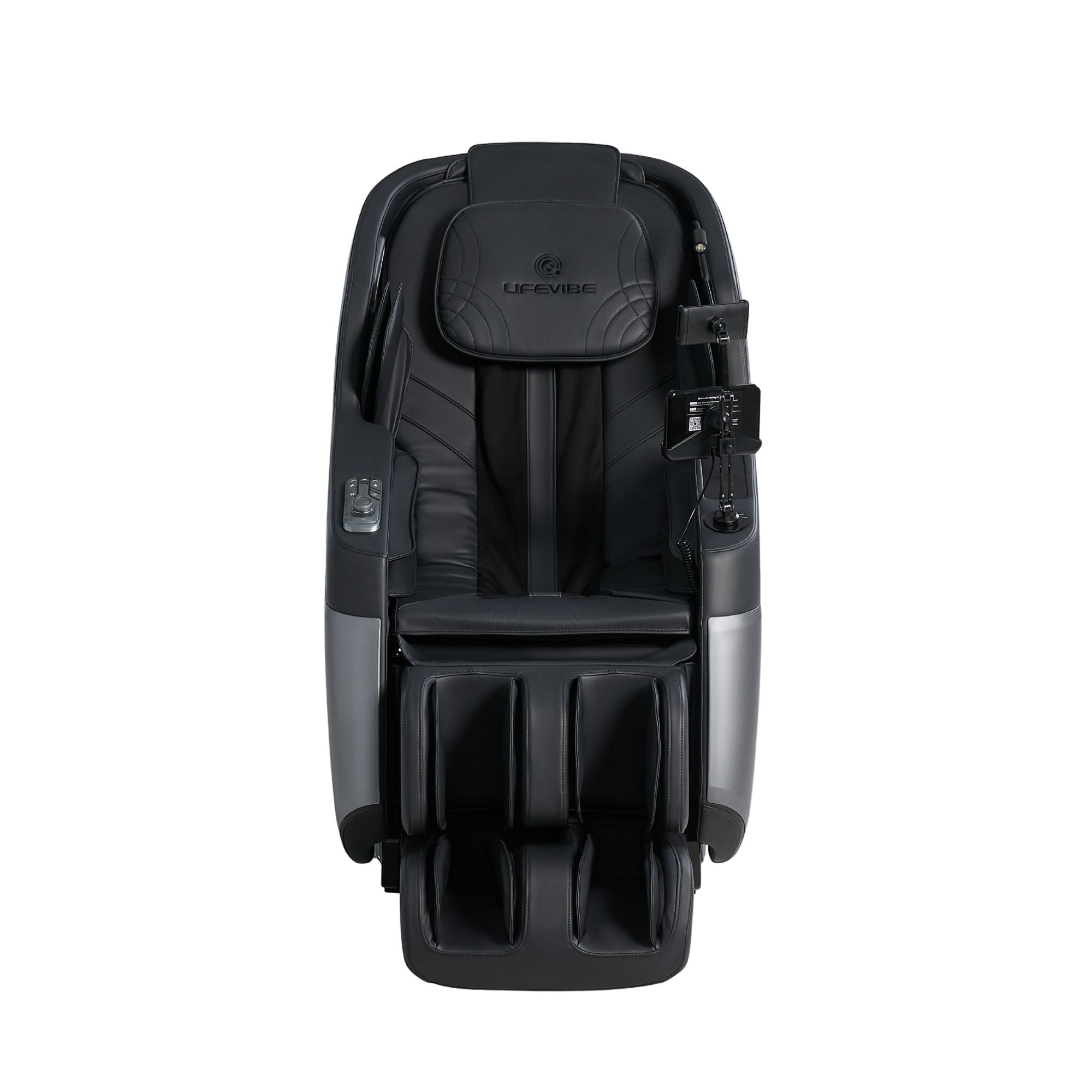
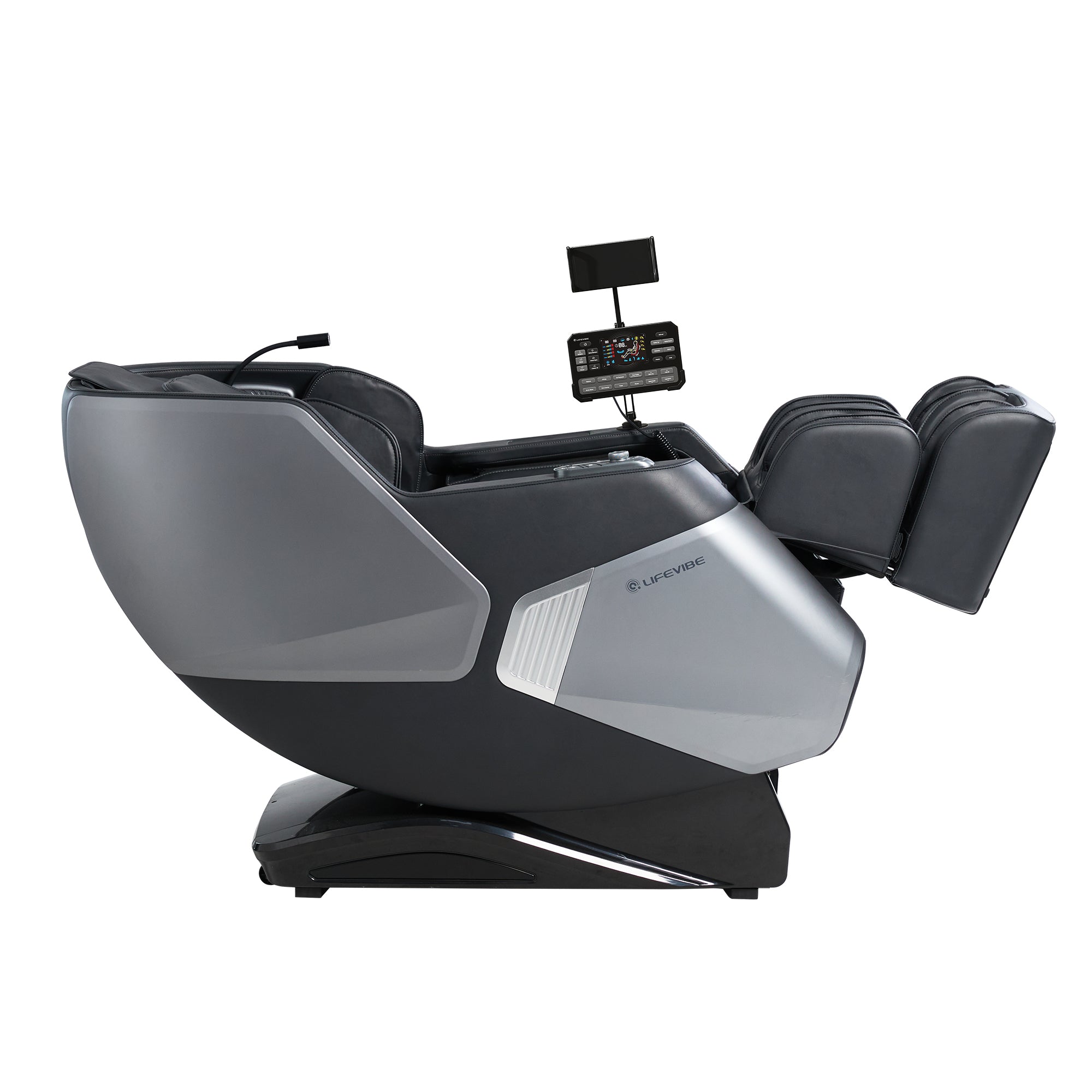
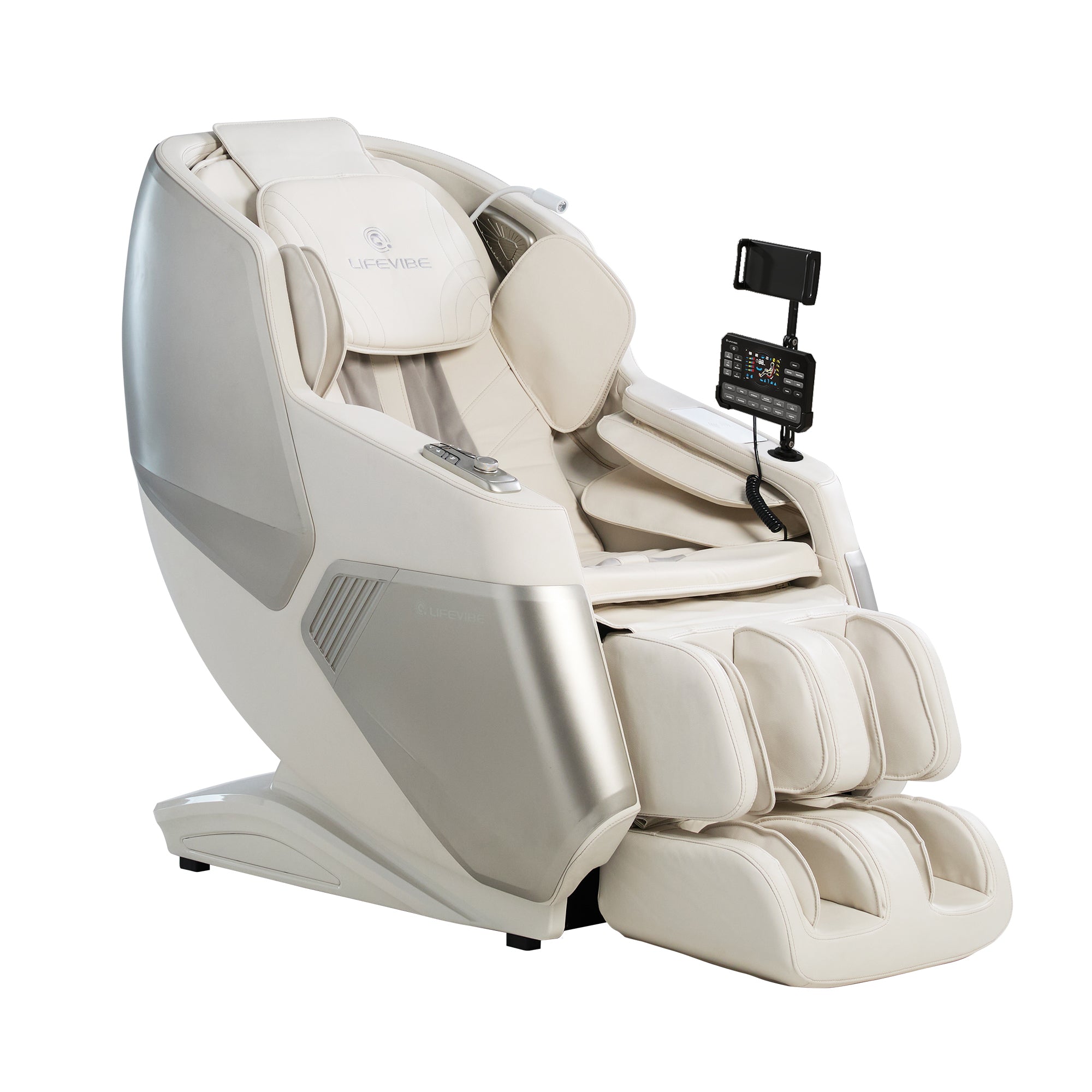
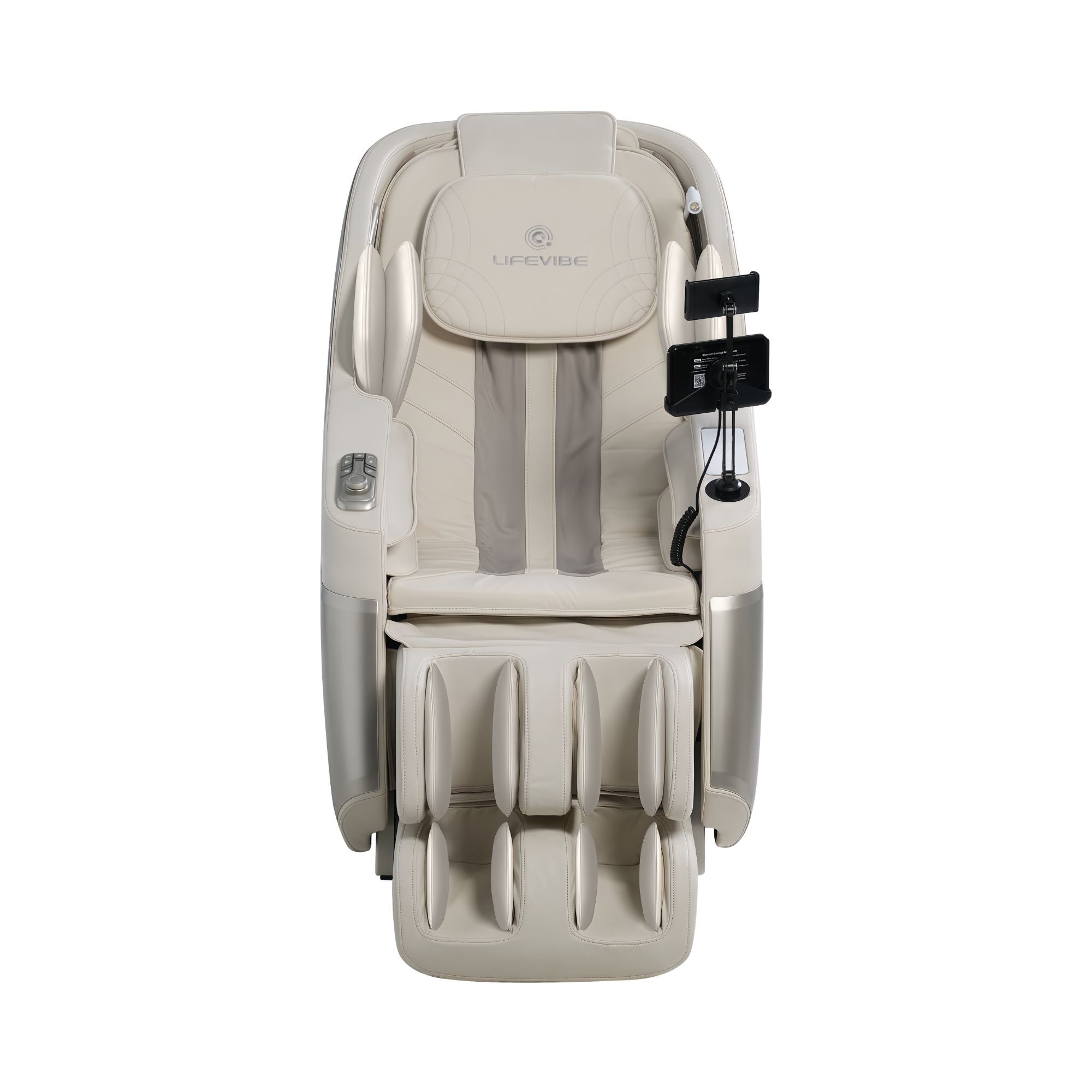
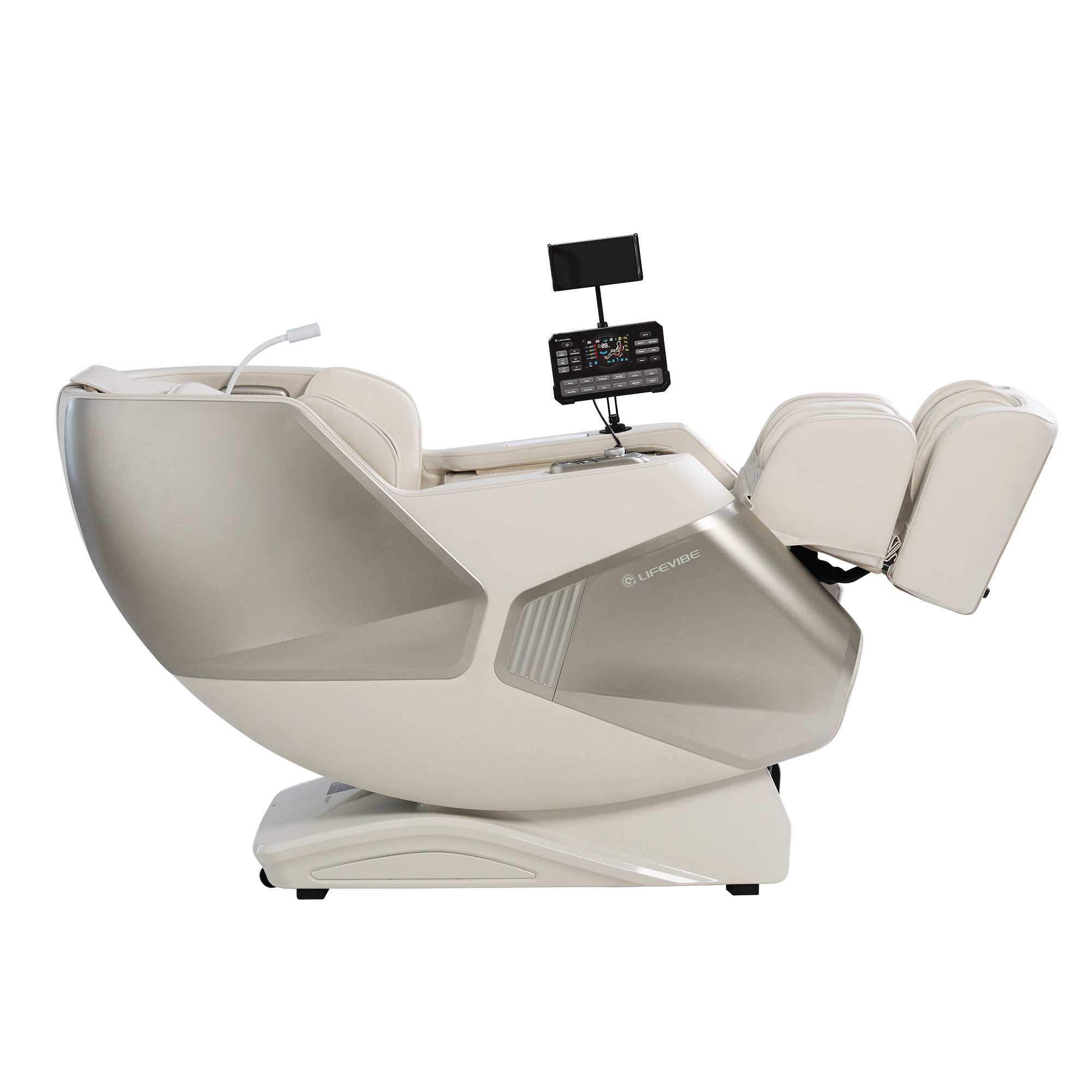
Lifevibe vibroacoustic massage chair - Lifevibe VAT Chair Prime
A review published in BMJ Open analyzed existing studies on vibroacoustic therapy and found that VAT has been explored as a non-invasive approach in different wellness and rehabilitation settings. The researchers also highlighted the need for additional high-quality studies to better understand specific applications.
The main idea behind VAT is simple: instead of forcing the body to react, it creates a rhythmic environment where sound and vibration work together. Many people describe the experience as feeling like a combination of music and massage. You do not just hear the sound — you can physically feel the rhythm.
How EMS Devices Work
EMS stands for Electrical Muscle Stimulation. EMS devices use small electrical impulses delivered through electrode pads placed directly on the skin. These electrical signals stimulate motor nerves, causing muscles to contract and relax.
Because EMS focuses on muscle activation, it is often used in fitness recovery, muscle training, and rehabilitation environments. Athletes may use EMS after workouts, while others use it when they want targeted stimulation for specific muscle groups.
One well-known example is the Compex Wireless USA 2.0 Muscle Stimulator Kit, a device designed around EMS technology. It uses electrode pads and programmed stimulation modes to provide controlled muscle activation for different training and recovery needs.


Compex Wireless USA 2.0 Muscle Stimulator Kit
Unlike vibroacoustic therapy, EMS does not create a full-body relaxation experience. The sensation is usually more active, with noticeable pulsing as muscles contract. Research comparing electrical stimulation methods shows that EMS works primarily through electrical activation of muscles rather than sound or mechanical vibration.
In simple terms, EMS sends a message directly to your muscles: “activate and contract.”
How TENS Devices Work
TENS stands for Transcutaneous Electrical Nerve Stimulation. Like EMS, TENS also uses electrical impulses delivered through skin electrodes. However, the main focus is different. TENS is designed to stimulate sensory nerves rather than create muscle contractions. Many people choose TENS devices because they are portable and easy to use for targeted stimulation. These devices are commonly used in personal wellness routines where users want localized electrical stimulation.
A popular example is the TENS 7000 2nd Edition Digital TENS Unit. This type of device uses adhesive electrode pads placed on specific areas of the body and delivers adjustable electrical pulses. The sensation of TENS is usually described as a gentle tingling or pulsing feeling on the skin. Unlike EMS, you typically do not feel strong muscle contractions.

TENS 7000 2nd Edition Digital TENS Unit
A systematic review published in The BMJ examined TENS research and found that TENS may provide pain relief benefits for some people and conditions, although individual responses can vary.
Simply put, TENS communicates mainly with nerve pathways, while EMS communicates with muscles.
VAT vs EMS vs TENS: Different Technologies, Different Experiences
Although these three technologies may appear similar, they create completely different sensations. Vibroacoustic therapy uses sound-generated vibration. The experience is rhythmic, immersive, and focused on relaxation. EMS uses electrical stimulation to trigger muscle contractions. The experience feels more active and targeted. TENS uses electrical stimulation to influence sensory nerves. The experience is usually a mild electrical pulse or tingling sensation.
A simple comparison:
VAT feels like your body is experiencing rhythm.
EMS feels like your muscles are being activated.
TENS feels like targeted electrical stimulation.
The technology you choose depends on what you want your body to experience.
Experiencing Vibroacoustic Therapy With Lifevibe
For people interested in bringing sound-based relaxation into their home, the Lifevibe VAT Chair Prime represents a full-body approach to vibroacoustic wellness.
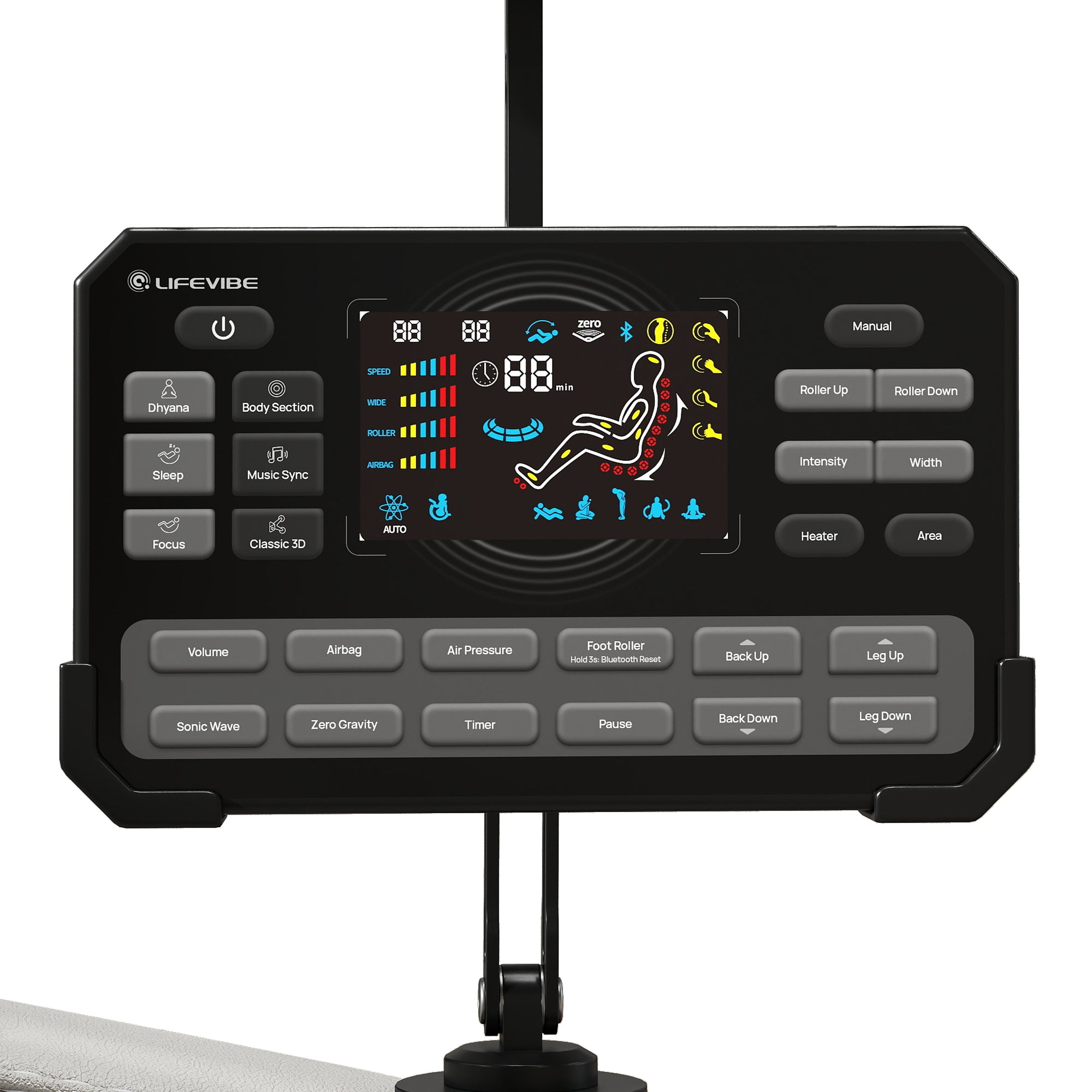
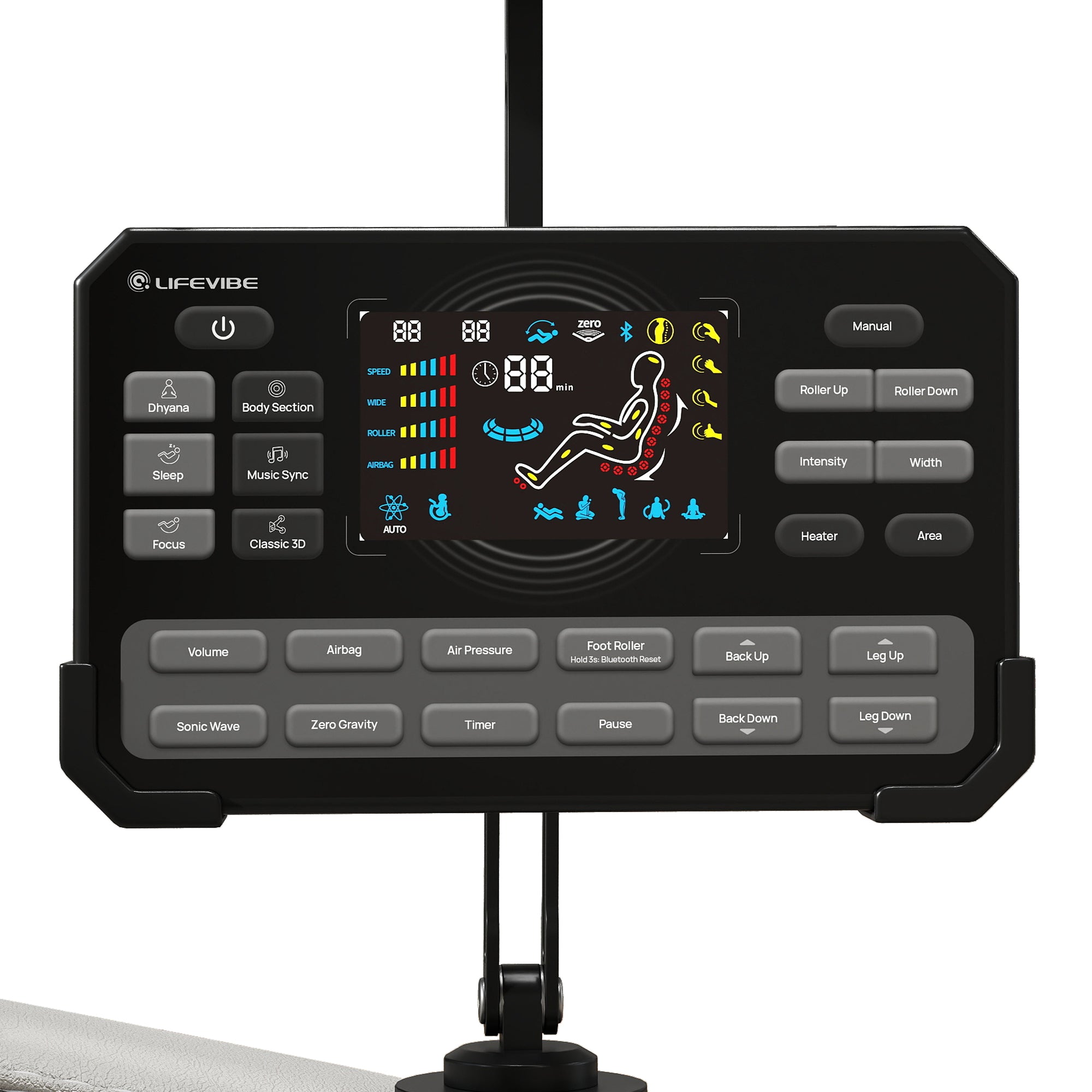
The chair combines the SonicWave™ Massage Mechanism with SonicSync™ Technology, combining traditional massage movements with low-frequency sonic vibration. The upper massage system provides familiar techniques such as kneading, tapping, shiatsu, and other mechanical massage styles. At the same time, the sonic components convert sound frequencies into controlled vibrations, creating a sensation that feels different from traditional massage alone.

Lifevibe VAT chair Prime also combines vibroacoustic programs with features designed for daily relaxation, including zero gravity positioning, heat therapy, Bluetooth audio, body scanning, air compression, and multiple relaxation modes.
For users who want a smaller and more portable option, the Lifevibe VAT Glow Prime low frequency sonic vibration massager offers a compact way to experience sonic vibration technology. With interchangeable massage heads and adjustable intensity settings, VAT Glow Prime is designed for face, scalp, neck, and body wellness routines. It brings the idea of sound-based vibration into a simpler format that can easily fit into everyday self-care moments.

Choosing EMS, TENS, or VAT Based on Your Lifestyle
Different technologies fit different routines. Someone focused on fitness recovery or muscle activation may prefer an EMS device like the Compex Wireless USA 2.0 Muscle Stimulator Kit. Someone looking for portable, targeted electrical stimulation may consider a TENS device like the TENS 7000 Digital TENS Unit. Someone who wants a relaxing experience that combines sound, vibration, and comfort may prefer vibroacoustic therapy products like Lifevibe VAT Chair Prime or Lifevibe VAT Glow Prime.
The biggest difference is not just the device itself. It is the type of interaction between the technology and your body.
EMS asks muscles to respond.
TENS works with electrical nerve stimulation.
VAT creates a sensory experience through rhythm and resonance.
Finding the Right Wellness Technology for You
Modern wellness technology gives people more choices than ever before. Instead of relying on only traditional massage or exercise recovery methods, users can now choose from different approaches based on their personal goals. EMS and TENS remain popular options for people who want electrical stimulation technology. Vibroacoustic therapy offers another path — one focused on relaxation, sound and immersive body awareness.
Whether you want targeted stimulation or a calming daily ritual, understanding how each technology works makes it easier to choose the right experience for your lifestyle.
Sometimes your body does not need more intensity.
Sometimes it simply needs the right rhythm.


Share:
What If Doing Nothing Is Exactly What You Need? A Vibroacoustic Chair for True Relaxation
How Low-Frequency Sonic Vibration Massage Can Fit Into Your Daily Wellness Routine