

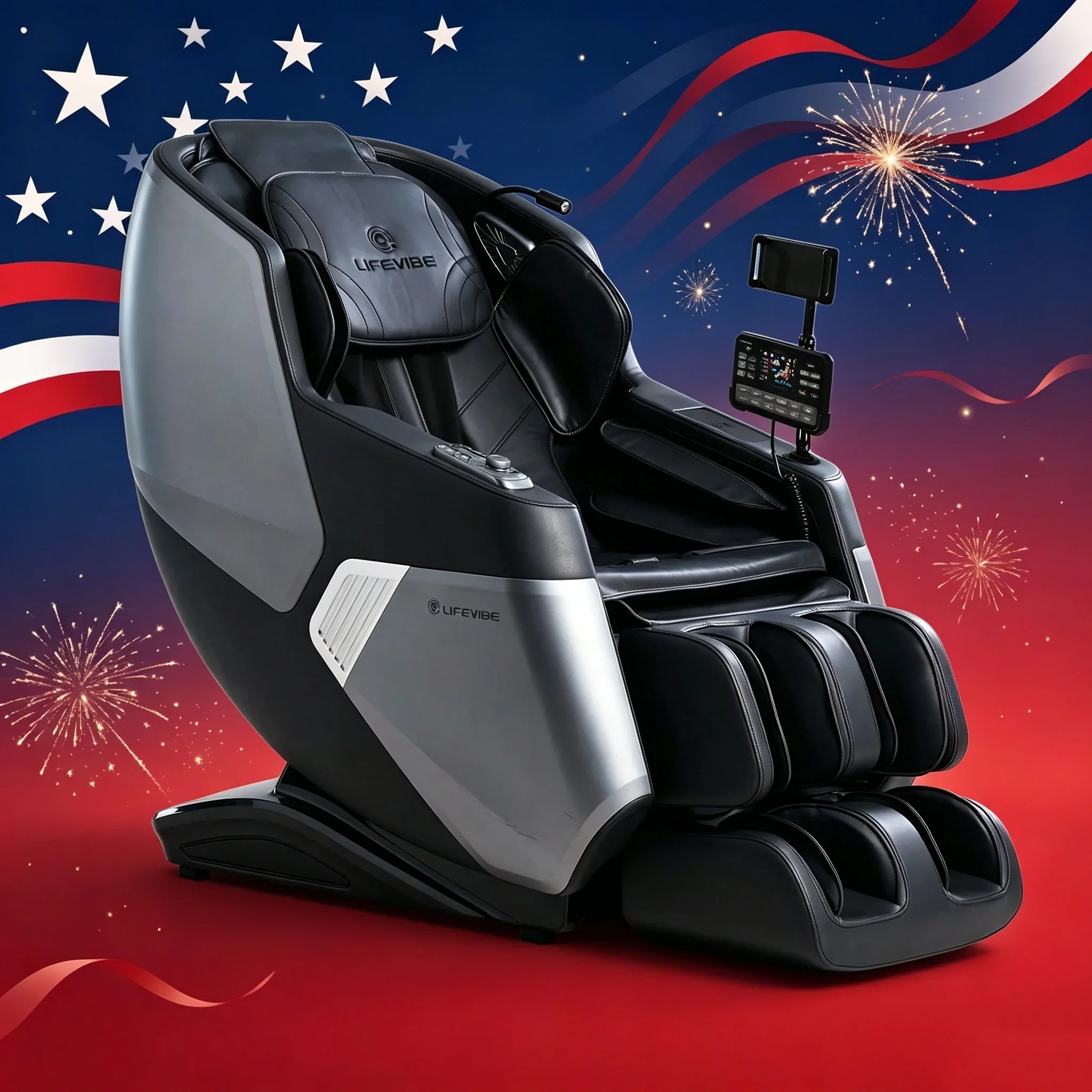
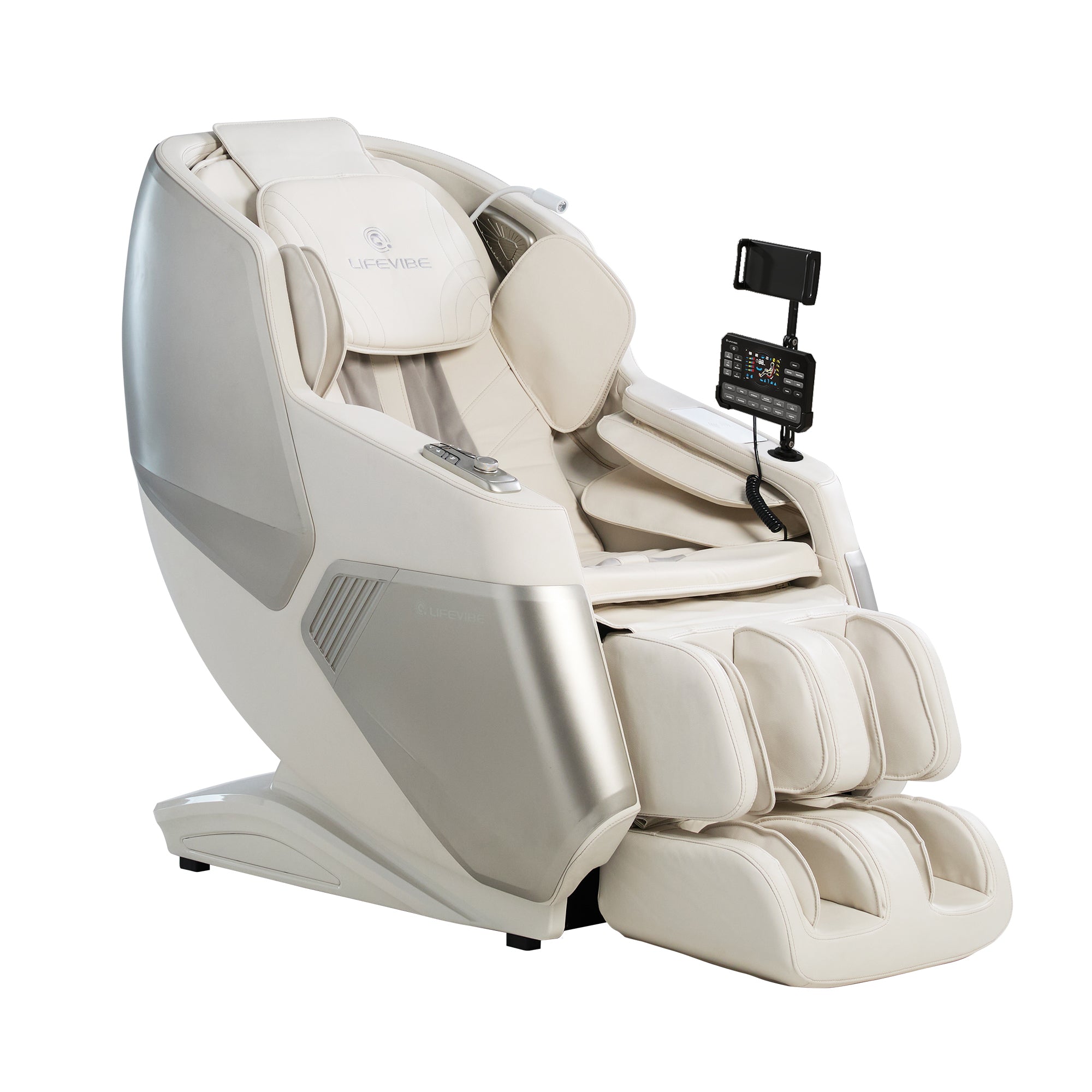
Independence Day is usually all about noise in the best way—fireworks, backyard grills, family gatherings, music playing a little too loud. But once the day winds down, a lot of people realize something simple: all that excitement can leave the body feeling tense, tired and overstimulated. That’s where a different kind of experience comes in. Not louder, not more intense—but quieter in a deeper sense. A vibroacoustic massage chair like the Lifevibe Prime brings a very different kind of “celebration wind-down,” one that feels more like your whole system finally getting permission to exhale. Instead of just sitting back, you’re stepping into a space where sound, vibration, and rhythm work together to help your body settle.
When the holiday noise fades, your body still remembers it
Even after the fireworks stop, your nervous system doesn’t instantly switch off. Loud environments, late nights, travel, and social activity can keep the body in a heightened state longer than expected. That’s why many people feel oddly tired but still “wired” after big holidays. This is where vibroacoustic therapy becomes interesting. It uses low-frequency sound waves to create gentle physical vibration in the body, rather than just letting you hear sound through speakers.
According to research on vibroacoustic therapy, low-frequency sound stimulation has been explored for its role in relaxation and stress regulation in clinical and wellness settings. Instead of pushing the body with force, it works more like a steady wave that encourages the nervous system to slow down naturally.

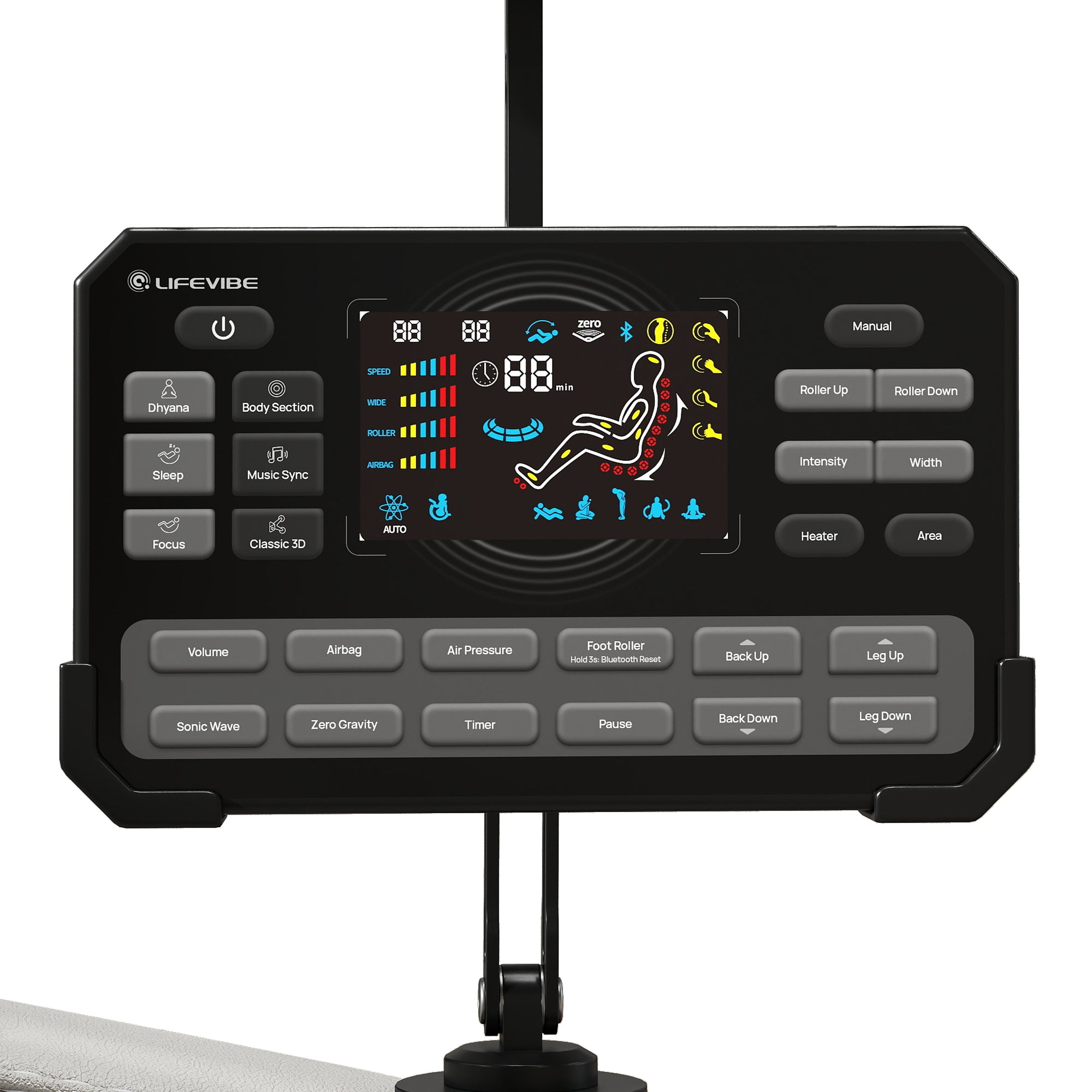
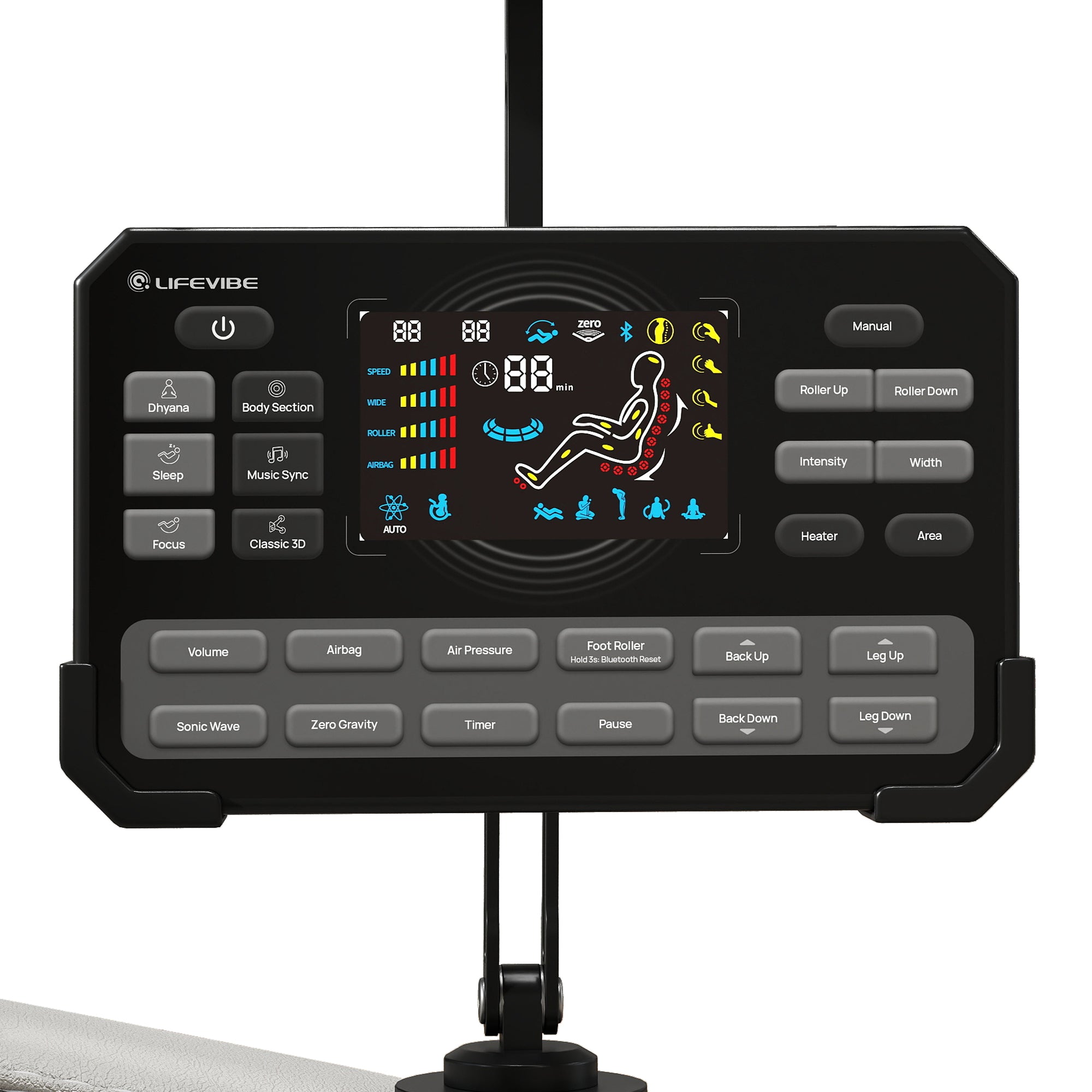
Lifevibe Dhyana Mode helps you calm down while getting a massage
Sound you don’t just hear—you feel it in your body
Traditional relaxation tools usually work in one direction. Music goes to your ears. Massage goes to your muscles. Heat goes to your skin. But vibroacoustic systems combine these layers.
Low-frequency sound (often in the range of 30–120Hz in vibroacoustic research) is used to create physical vibration that travels through soft tissue. This concept has been studied in sound-based therapy approaches for relaxation and sensory regulation.
In a system like Lifevibe Prime, this becomes more than background sound. It becomes movement inside the body—soft, steady, and rhythmic. It doesn’t try to overpower tension. It works more like it gives tension something else to follow.

In addition to massage, the massage mechanism of Lifevibe VAT chair delivers music-induced vibrations that penetrate deeper into the body.
Independence Day relaxation, but upgraded to “full reset”
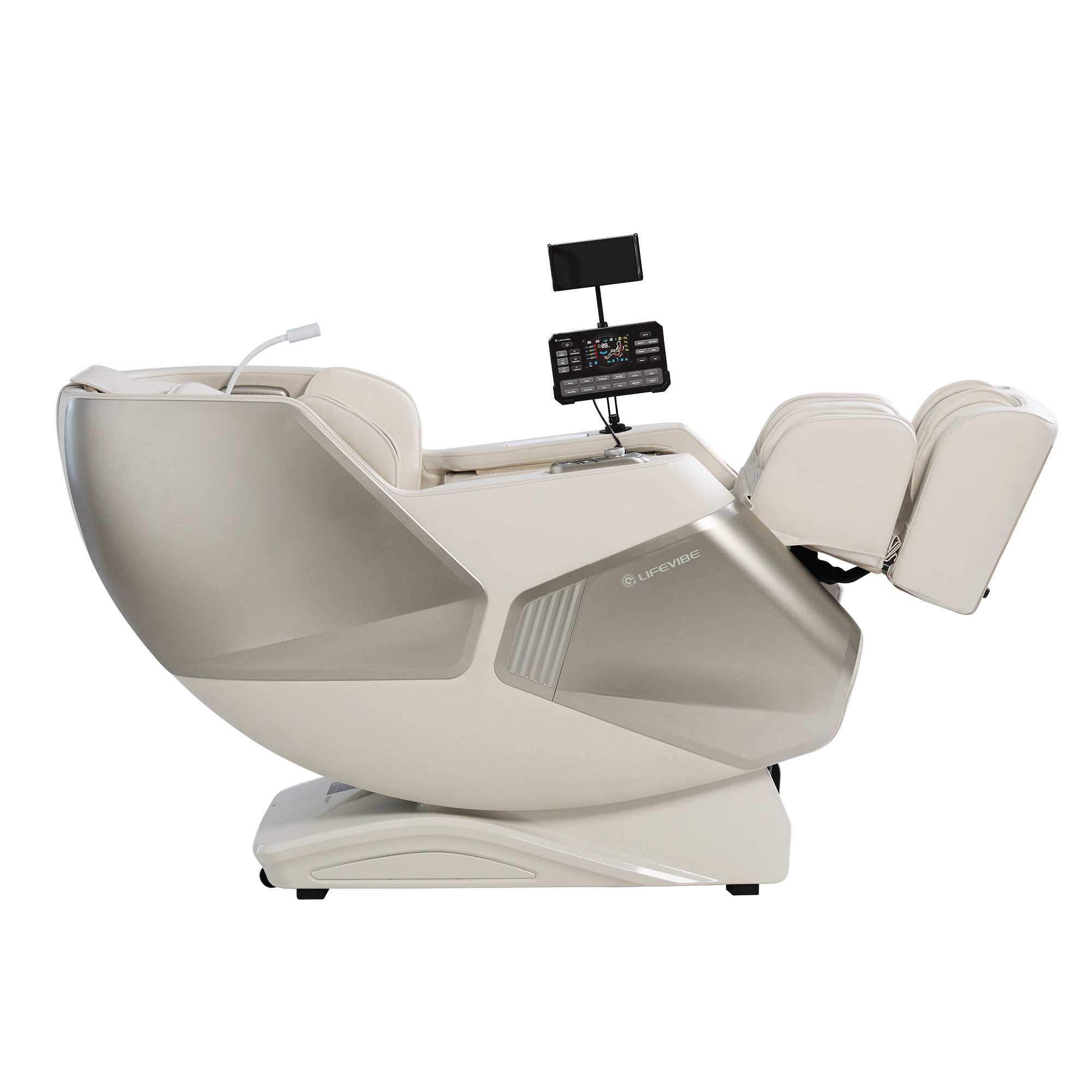
Think of a typical July 4th evening: food, laughter, fireworks, maybe a bit too much sitting in one position. Your body doesn’t feel injured—it just feels loaded. Now imagine ending that same day in a chair that adjusts to your posture, scans your body, and responds with layered motion:

- Gentle roller massage along your spine
- Air compression around shoulders, arms, and legs
- Warmth in the lower back and calves
- And underneath all of that, low-frequency vibration that you feel deeper than muscle level
This combination is what makes vibroacoustic systems different from standard massage chairs. It’s not only about pressure points—it’s about rhythm. And rhythm matters more than most people think.
Why rhythm changes how relaxation feels
Your body already runs on rhythm—heartbeat, breathing, sleep cycles. When external rhythm (like sound or vibration) is steady and predictable, the nervous system tends to respond by stabilizing. In vibroacoustic therapy concepts, low-frequency sound stimulation is often associated with calming the autonomic nervous system, helping the body shift away from stress responses. This is also where designs like SonicSync™ in Lifevibe Prime become relevant. Instead of random vibration, the system aligns sound, motion, and massage patterns into one coordinated flow.
So rather than feeling separate sensations, your body experiences something closer to a single “wave” of relaxation.
Four Independence Day moods your body might actually need
Not every post-holiday feeling is the same. Sometimes you’re tired. Sometimes you’re overstimulated. Sometimes your mind is still running even when your body is still. That’s why different vibroacoustic modes matter more than they first appear.
Sleep wind-down after fireworks
After a long night, your body usually doesn’t need stimulation—it needs deceleration. Slower vibration patterns paired with gentle recline can help transition the body toward rest without forcing it.
Focus reset after social overload
If your mind feels scattered after conversations, noise, and activity, slightly higher-frequency rhythms can help bring mental clarity back without adding physical pressure.
Deep quiet moments for mental clutter
When everything feels like “too much,” low-frequency resonance can act like a soft background structure that helps the nervous system settle.
Music-based relaxation for emotional decompression
When sound becomes vibration through Bluetooth sync systems, music stops being just emotional—it becomes physical. That’s a different kind of immersion.
What makes vibroacoustic massage different from traditional relaxation
Most people understand massage as pressure—something applied to the body from the outside in. Vibroacoustic systems shift that idea. Instead of only pressing into muscles, they add a layer of internal resonance through sound-driven vibration.
This approach is based on the idea that low-frequency sound can interact with body tissues in a more distributed way than mechanical pressure alone. Research discussions around vibroacoustic therapy often describe it as a method that engages both physical and sensory pathways simultaneously.
So instead of “working on” tight muscles, the experience feels more like the whole body gradually syncing back into balance.

Independence Day is loud—your recovery doesn’t have to be
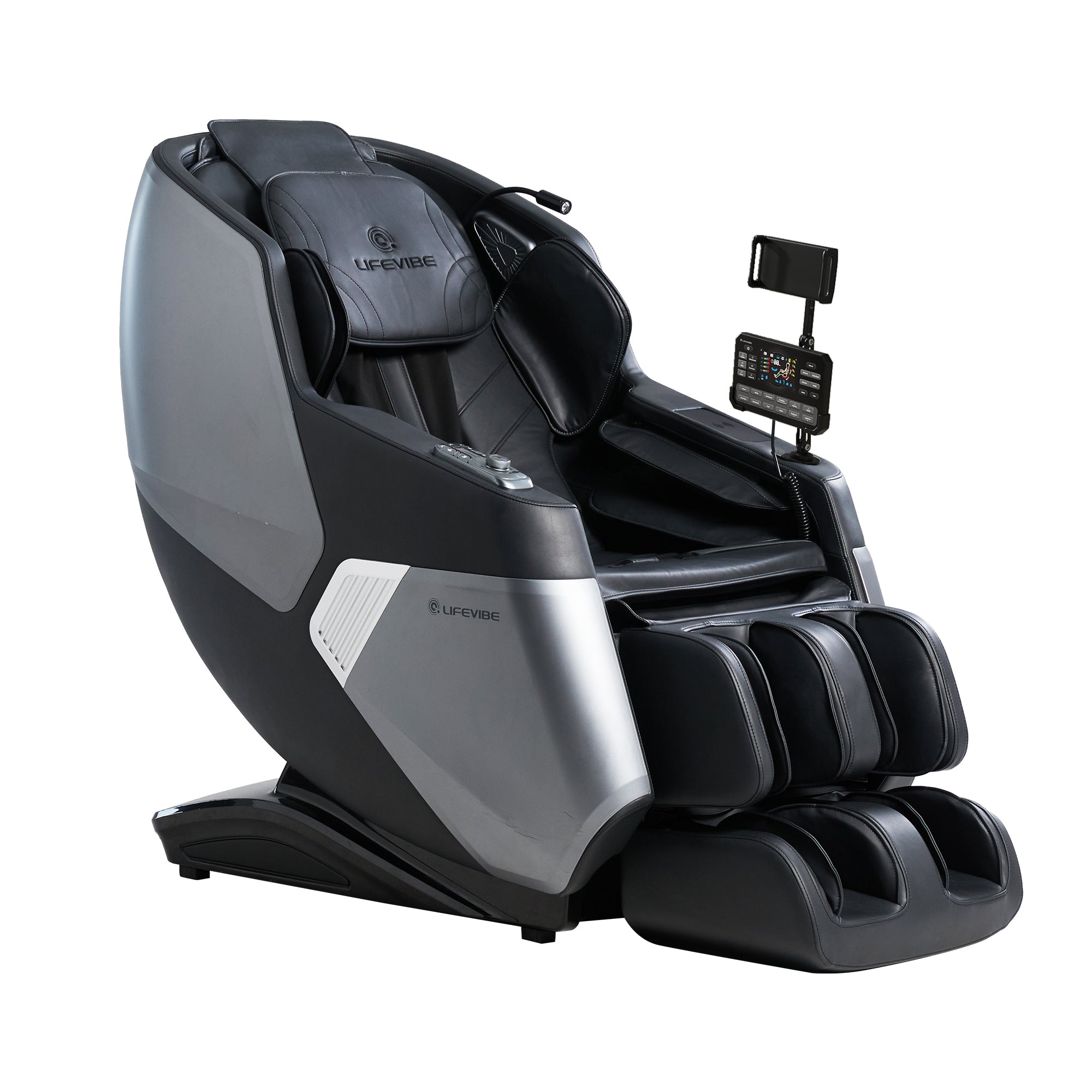
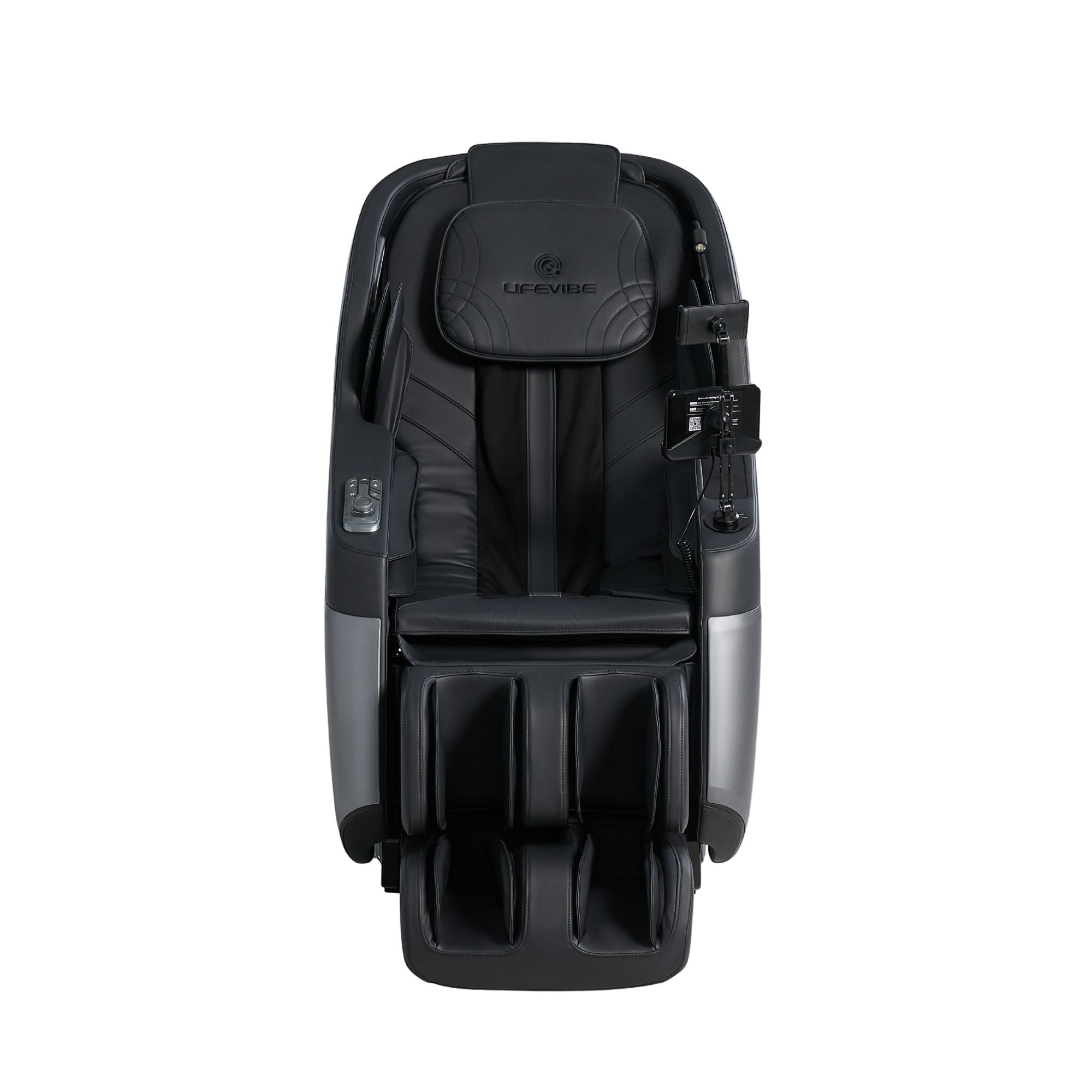
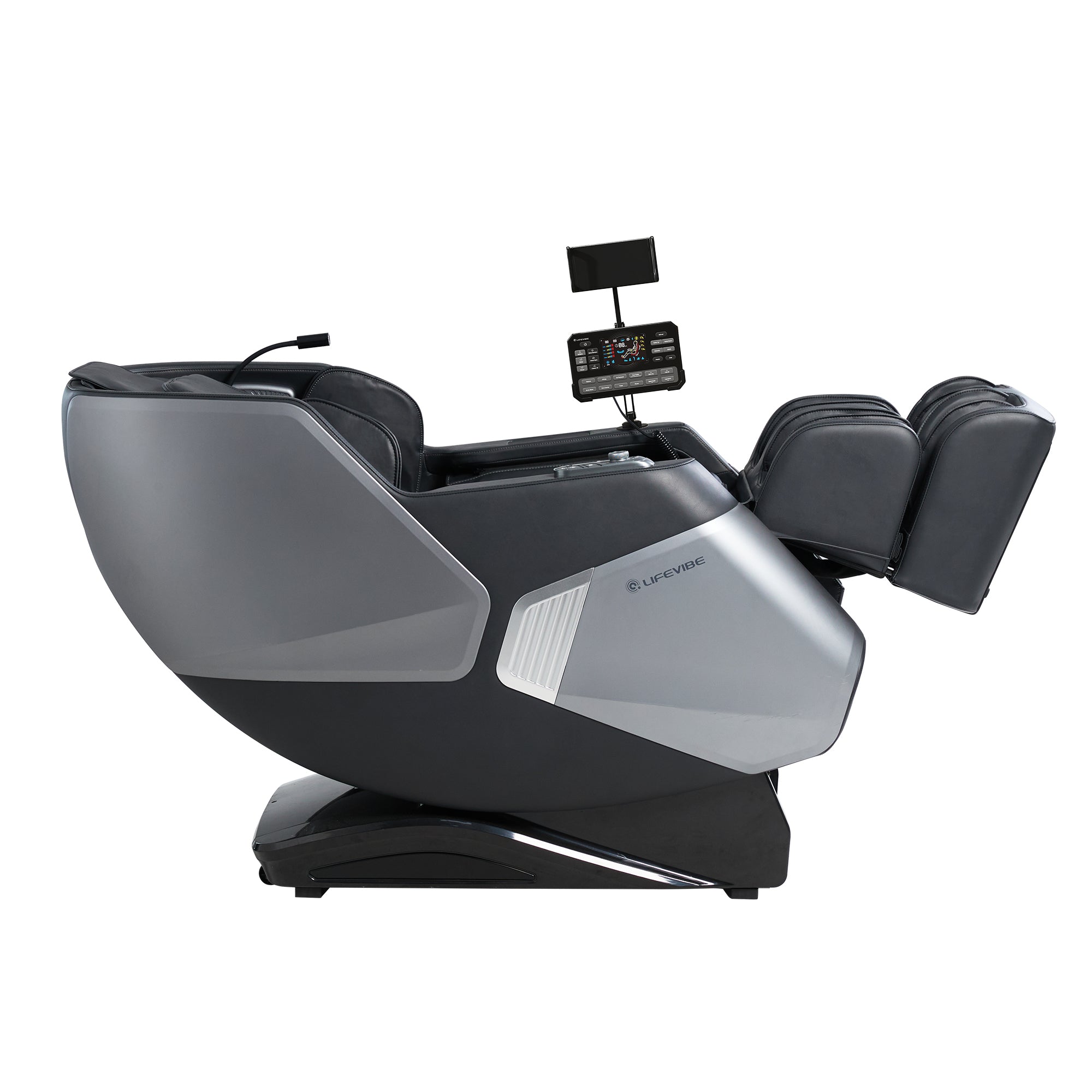
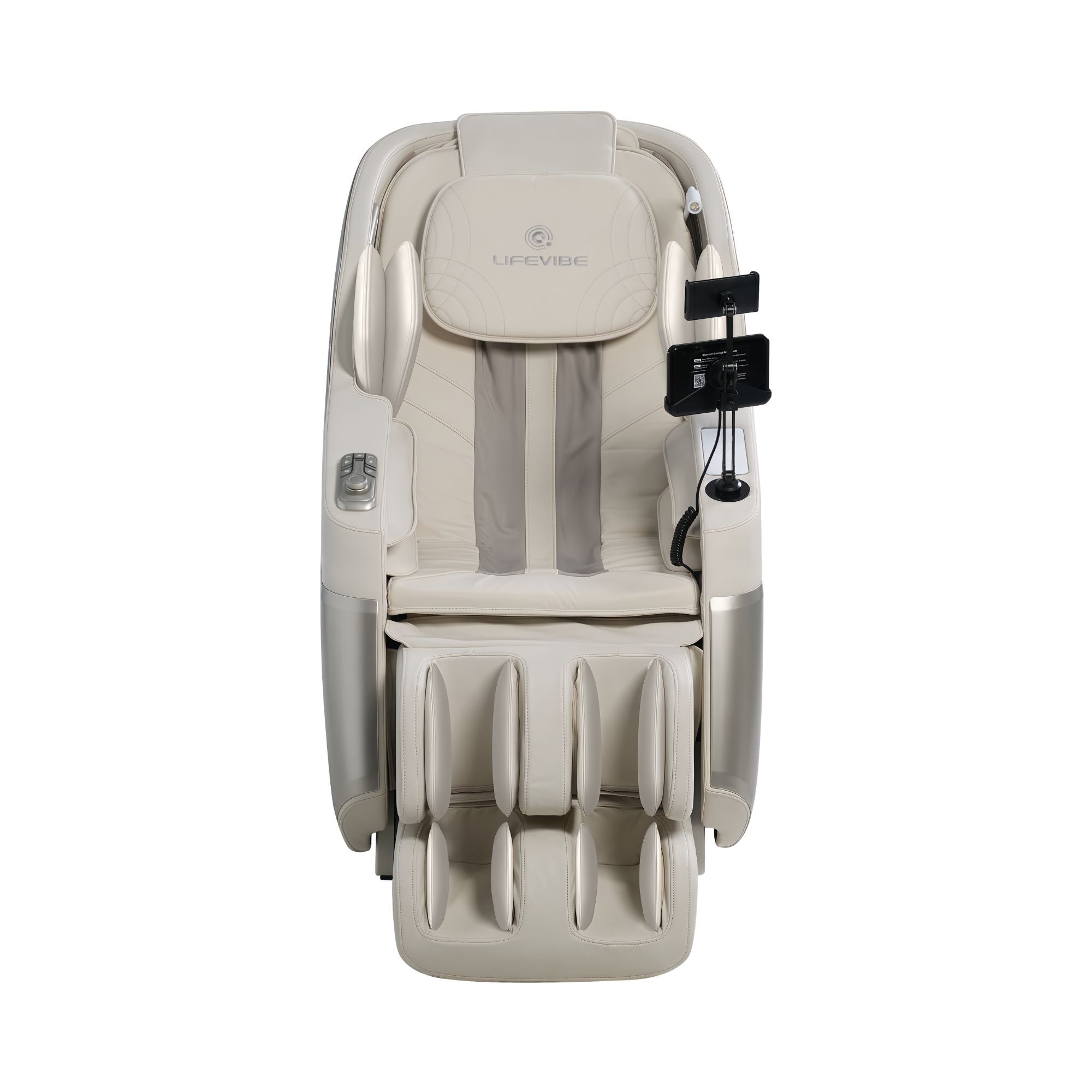
There’s something ironic about holidays that are meant for freedom but end up exhausting the body. Long weekends often pack in more activity than normal life, and the recovery time gets ignored. A setup like Lifevibe Prime changes that dynamic. It doesn’t ask you to do anything. You just sit down. The system reads your posture, adjusts automatically, and builds a session around how your body is positioned in that exact moment. That includes:
- SL-track motion that follows spinal curvature
- Airbags that wrap limbs in sequence rather than all at once
- Heated zones that soften muscle stiffness
- Foot rollers that bring attention back to the base of the body
It’s structured, but not rigid. Responsive, but not demanding.
The quiet part of celebration people usually forget
Most people think of Independence Day as peak activity. Few think about what comes after it. But recovery is part of the experience too. Not in a medical sense, but in a human sense—how the body transitions from stimulation back into baseline calm.
Vibroacoustic relaxation simply gives that transition a little more structure. Instead of suddenly stopping activity and hoping the body adjusts, it guides the shift with rhythm and sound. And when that rhythm is steady enough, the body tends to follow.
A different kind of post-holiday tradition
Maybe fireworks will always be part of Independence Day. That doesn’t have to change. But what happens after might be evolving. More people are starting to value not just celebration, but recovery that actually feels intentional.
A session in a vibroacoustic massage chair isn’t about doing more. It’s about letting the body stop compensating for everything it just went through. And when sound, vibration, and motion line up in a steady flow, relaxation stops feeling like an effort. It just happens.
Lifevibe Prime frames that idea simply: not just sitting, not just massaging, but resonating—so the body doesn’t just rest after the holiday, it resets.


Share:
How Vibroacoustic Massage Chairs Enhance FIFA World Cup Experience
Best Vibroacoustic Therapy Products in 2026: Chair, Beds and More Devices