

Low-frequency vibration massage sounds a bit technical at first, but the idea behind it is actually pretty intuitive once you break it down. Instead of relying only on pressure or force like traditional massage, it uses gentle sound-based vibrations that travel deeper into your body and interact with your tissues in a different way.
This is the core concept behind vibroacoustic therapy (VAT), and it’s also the foundation of products like the VAT massage chair Prime and the VAT Glow Prime developed by Lifevibe. Both are built around the idea that your body doesn’t just respond to touch—it also responds to frequency.
What Low-Frequency Vibration Actually Does in the Body
When we talk about low-frequency vibration (typically in the range of 30–120 Hz), we’re talking about slow, controlled sound waves that move through the body like ripples in water.
Unlike high-frequency noise that we hear with our ears, these lower frequencies are often felt more than heard. They travel through skin, muscle, and connective tissue, creating a subtle internal movement.

Research in vibroacoustic therapy shows that low-frequency sound stimulation can influence muscle tone, circulation, and nervous system activity. One commonly referenced study from the Nordic School of Vibroacoustic Therapy highlights how 40–80 Hz frequencies are often associated with relaxation responses and reduced muscle tension.
Another review in the Journal of Music Therapy notes that low-frequency sound stimulation may support autonomic nervous system regulation, helping the body shift toward a calmer state.
It’s not about “healing” in a medical sense—it’s more about helping the body shift gears from stress mode into recovery mode.
You might be interested in: Research Advances in VAT
Why Sound Can Feel Like Physical Massage
This is where things get interesting.
Your body is made mostly of fluid and soft tissue, which means it naturally responds to vibration. When low-frequency waves enter the body, they don’t just stay on the surface. They spread out through fascia, muscles, and even around joints.
That’s why vibroacoustic therapy is often described as “feeling sound in your body.”
The concept has been explored since the 1980s by researcher Olav Skille, who helped develop early VAT systems in clinical settings. His work showed that low-frequency sound applied through a physical surface could influence relaxation and comfort levels in patients.
This is also the principle used in modern systems like Lifevibe’s SonicWave™ technology, which converts audio signals into controlled mechanical vibration through specialized transducers.
Difference Between Traditional Physical Vibration (Massage Gun) and Sonic Vibration (Lifevibe VAT massage chair Prime)
From Science to Experience: How VAT Massage Chair Prime Works
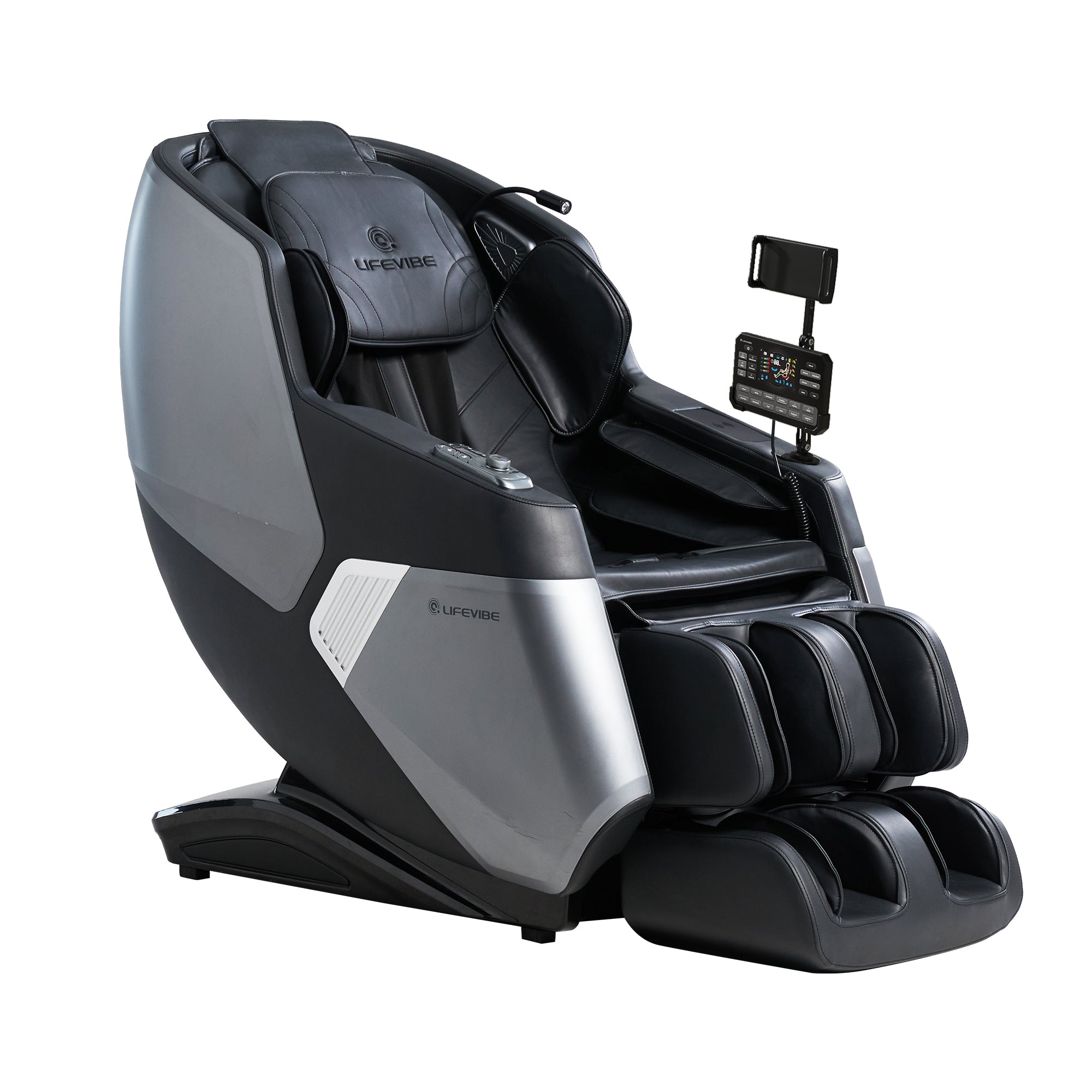
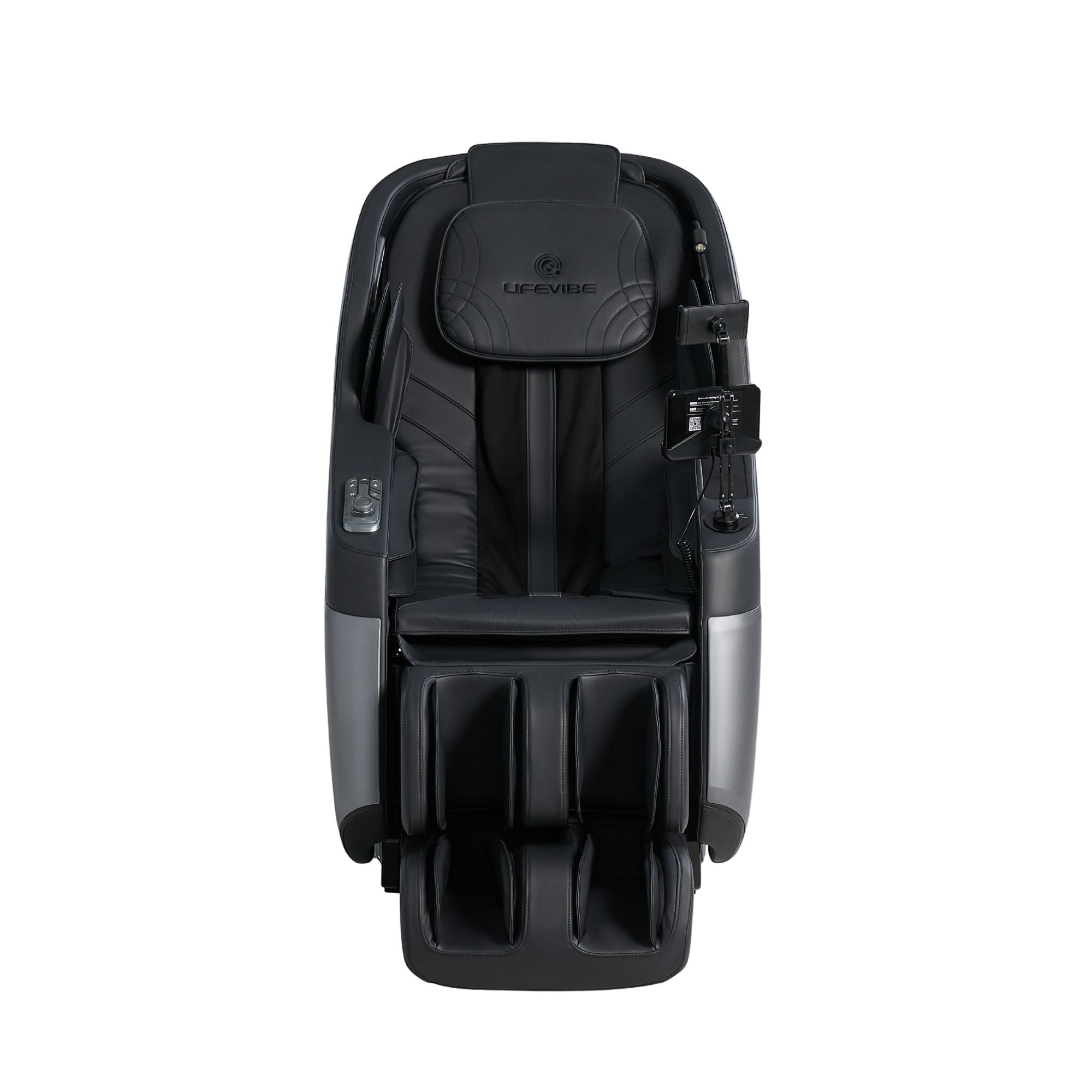
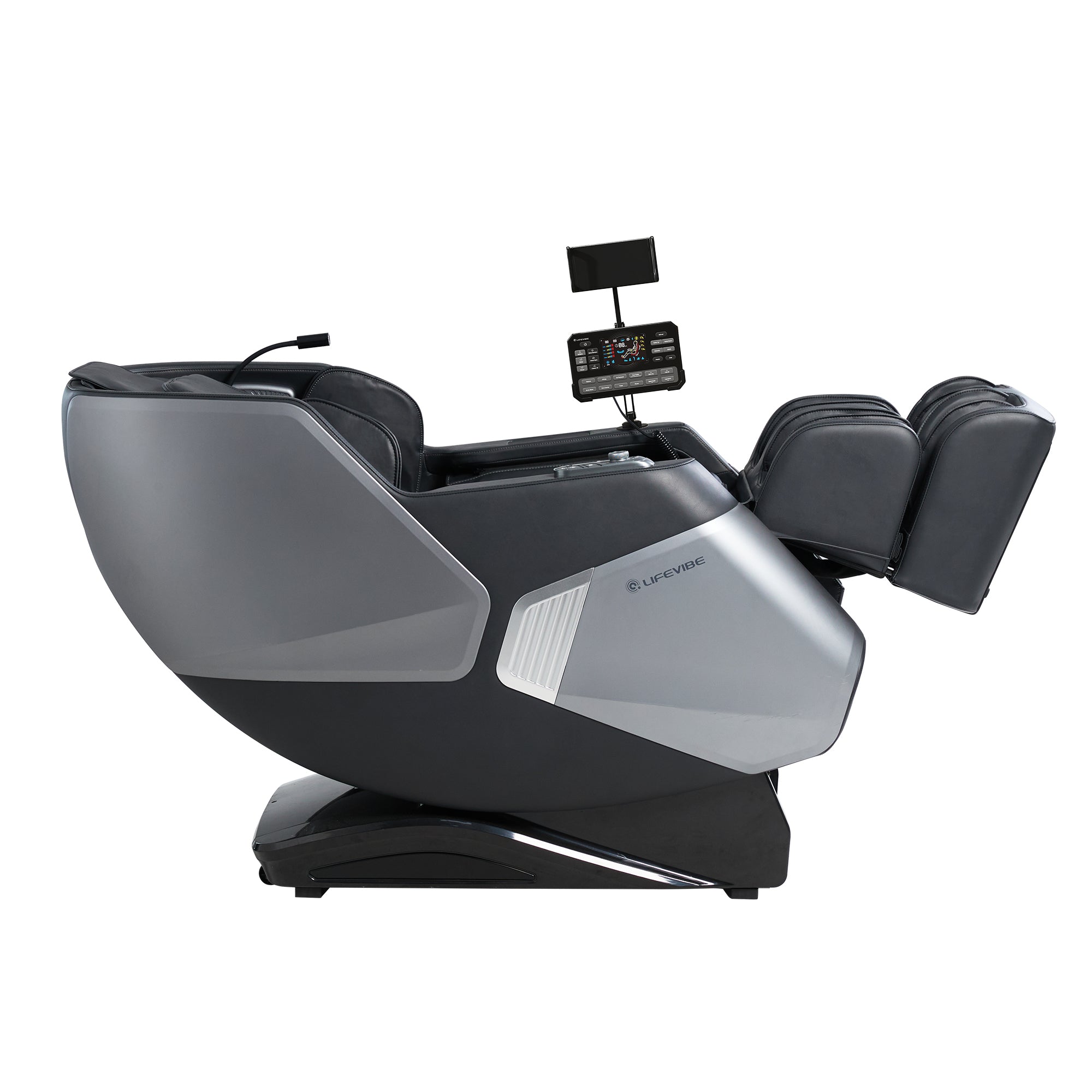
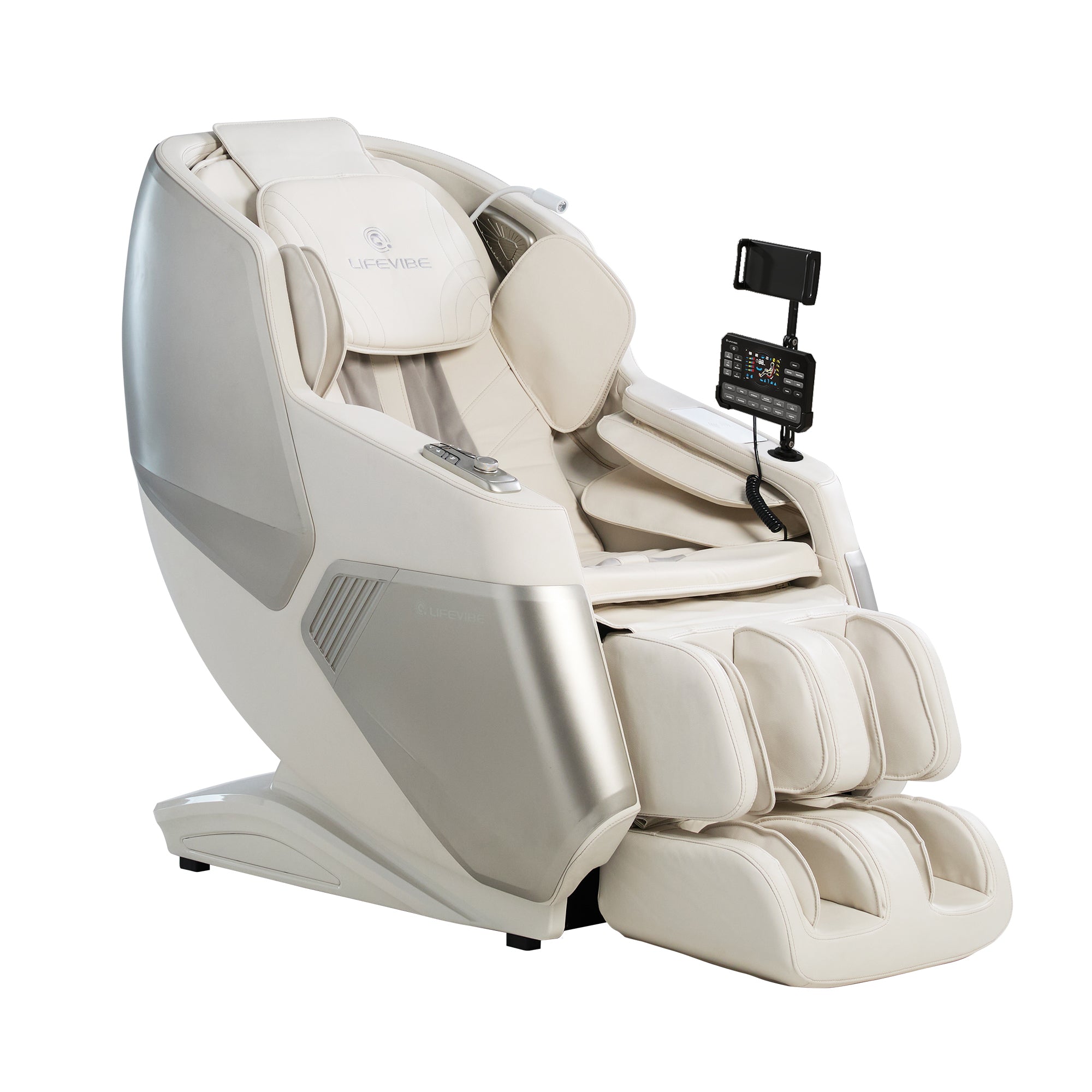
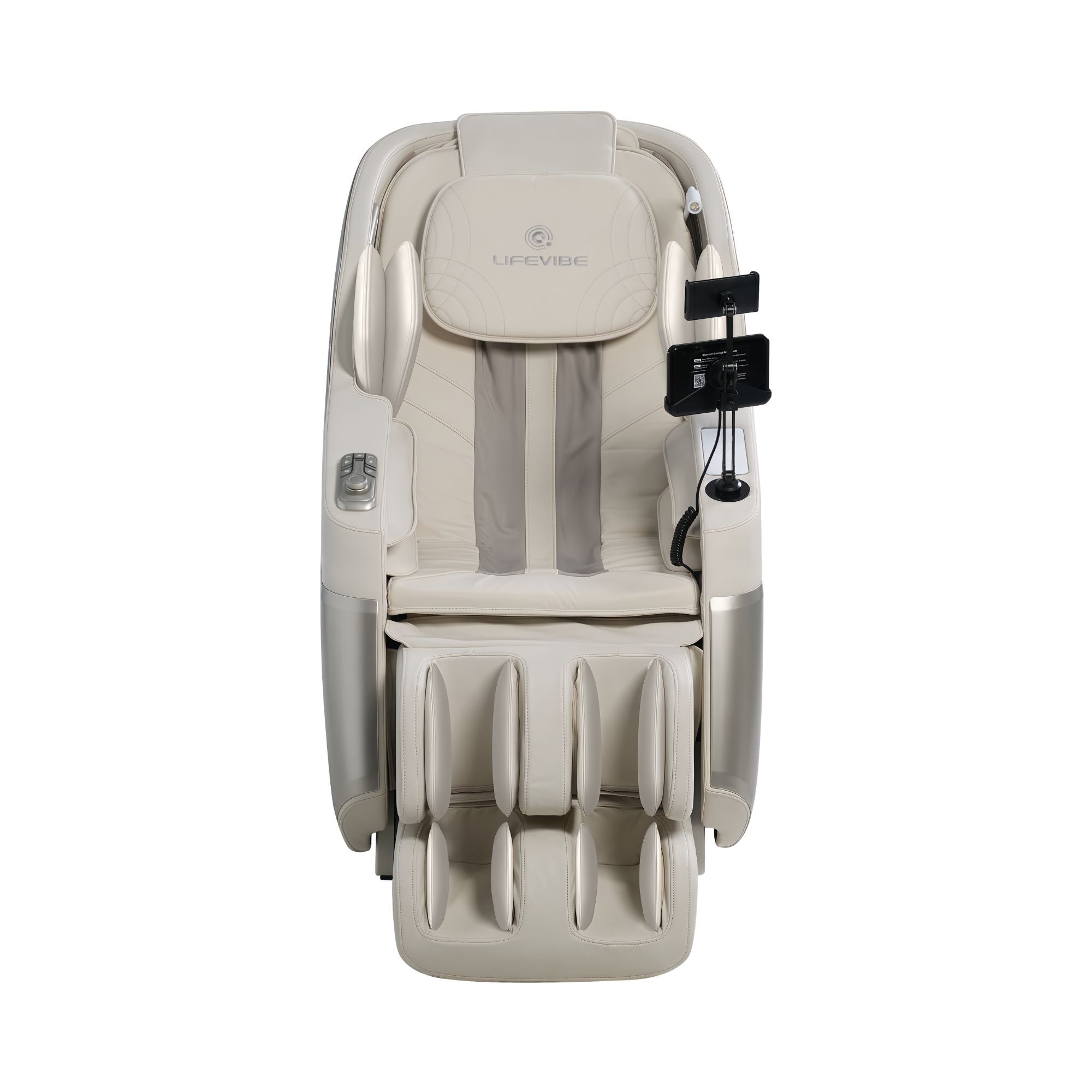
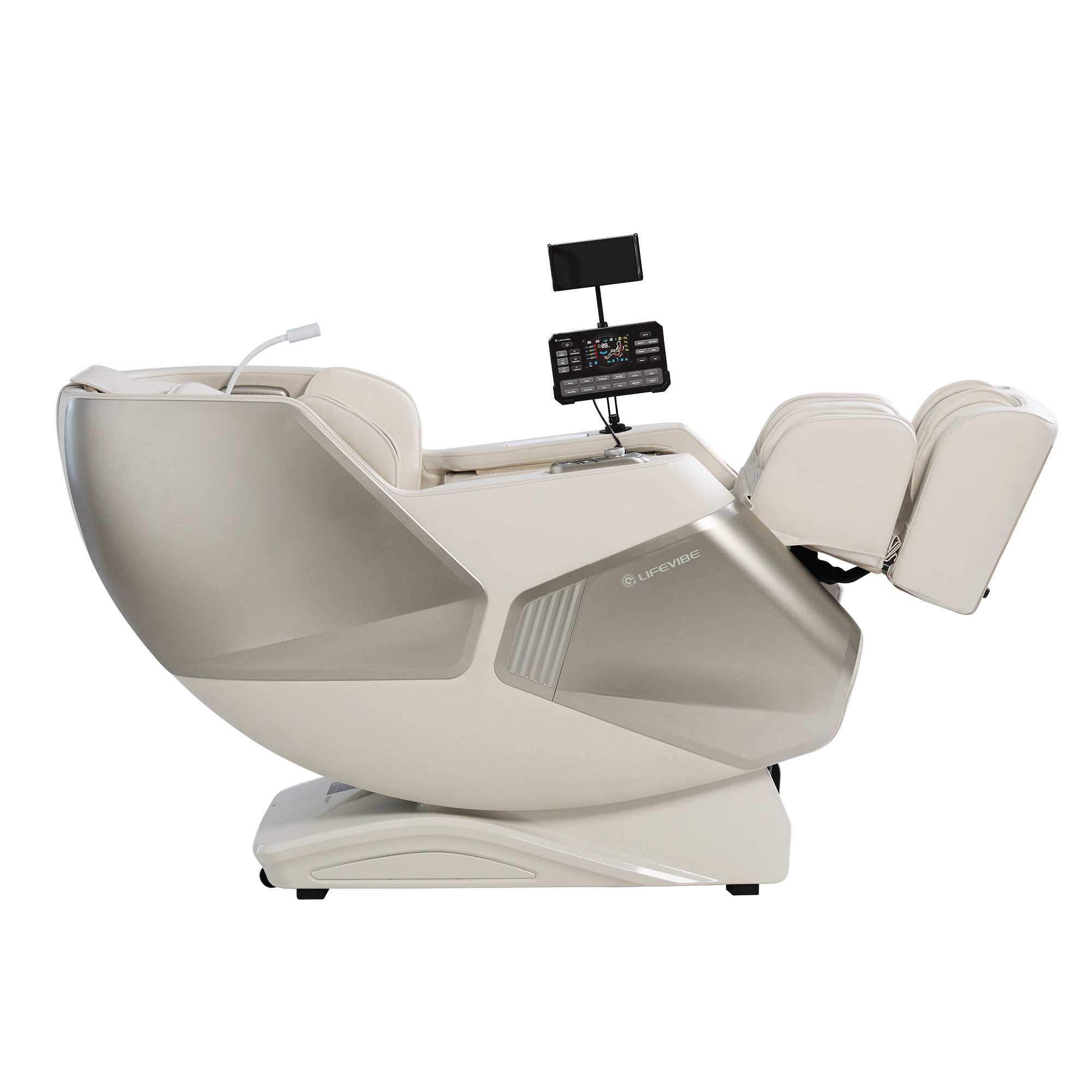
The VAT massage chair Prime by Lifevibe takes these scientific principles and builds them into a full-body experience.
Instead of only using mechanical rollers, it combines two layers of stimulation:
- Upper layer: 3D massage rollers that work on surface muscles
- Lower layer: SonicWave™ vibration system that delivers low-frequency resonance

This dual-layer structure creates what’s often described as “inside-out” relaxation. The rollers handle surface tension, while the vibration layer works deeper through frequency.
The chair also uses SonicSync™ technology, which aligns vibration, motion and sound so everything feels rhythmically connected. That synchronization matters because studies in sensory integration suggest the nervous system responds more efficiently when multiple sensory inputs are aligned rather than random or disconnected:
https://www.frontiersin.org/articles/10.3389/fnhum.2014.00358/full
In simple terms: when sound, motion, and rhythm match up, your body settles faster.
The Role of Frequency: Why Different Hz Feel Different
Not all low-frequency vibrations feel the same. Different ranges tend to create different sensations in the body:
- Around 30–50 Hz: often linked with deep relaxation and calming effects
- Around 50–70 Hz: associated with muscle release and grounding sensations
- Around 70–90 Hz: tends to feel more activating and circulation-focused
- Around 90–120 Hz: more alerting, often used for focus or wakefulness
These patterns are widely discussed in VAT research and frequency-based therapy literature, including studies published in complementary medicine journals
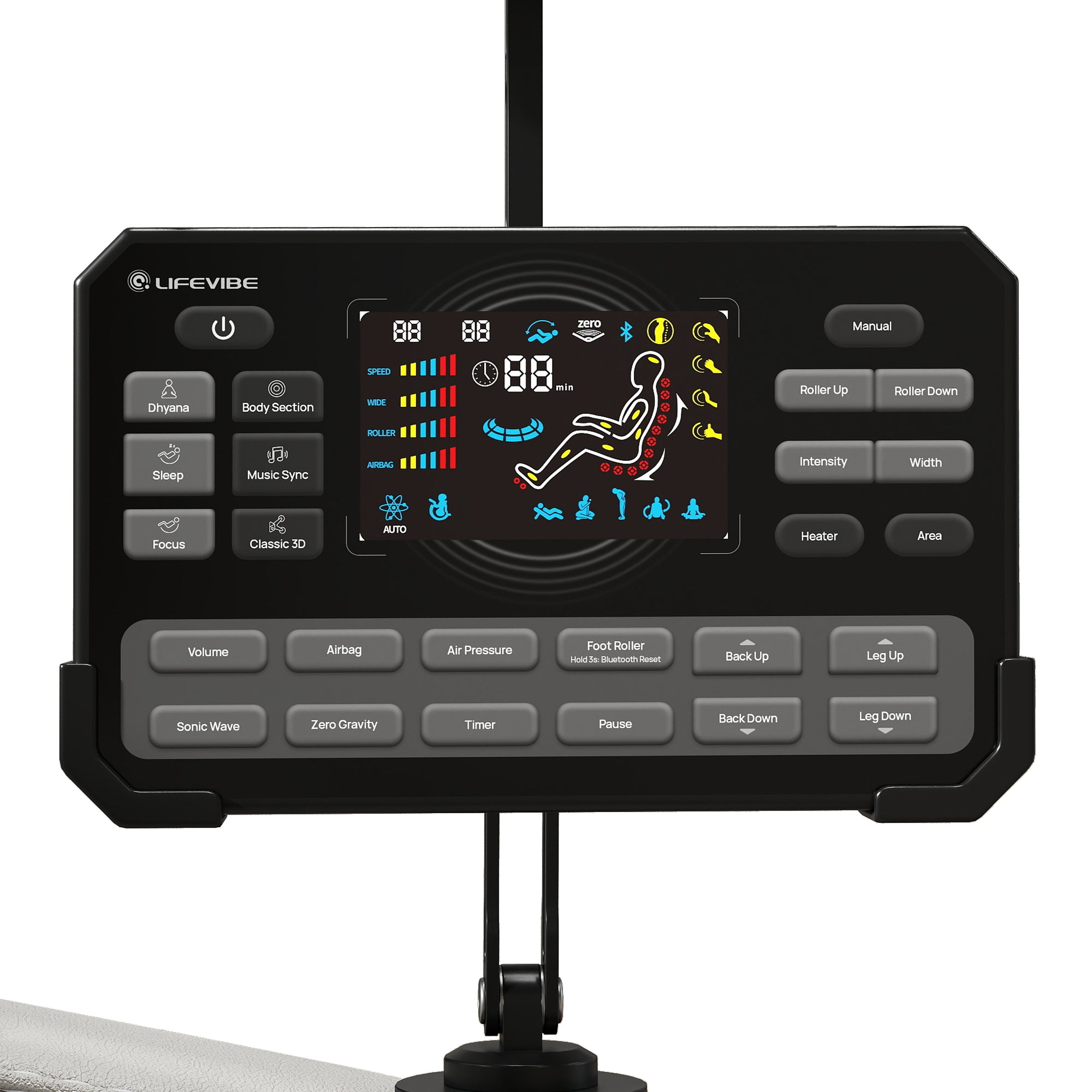
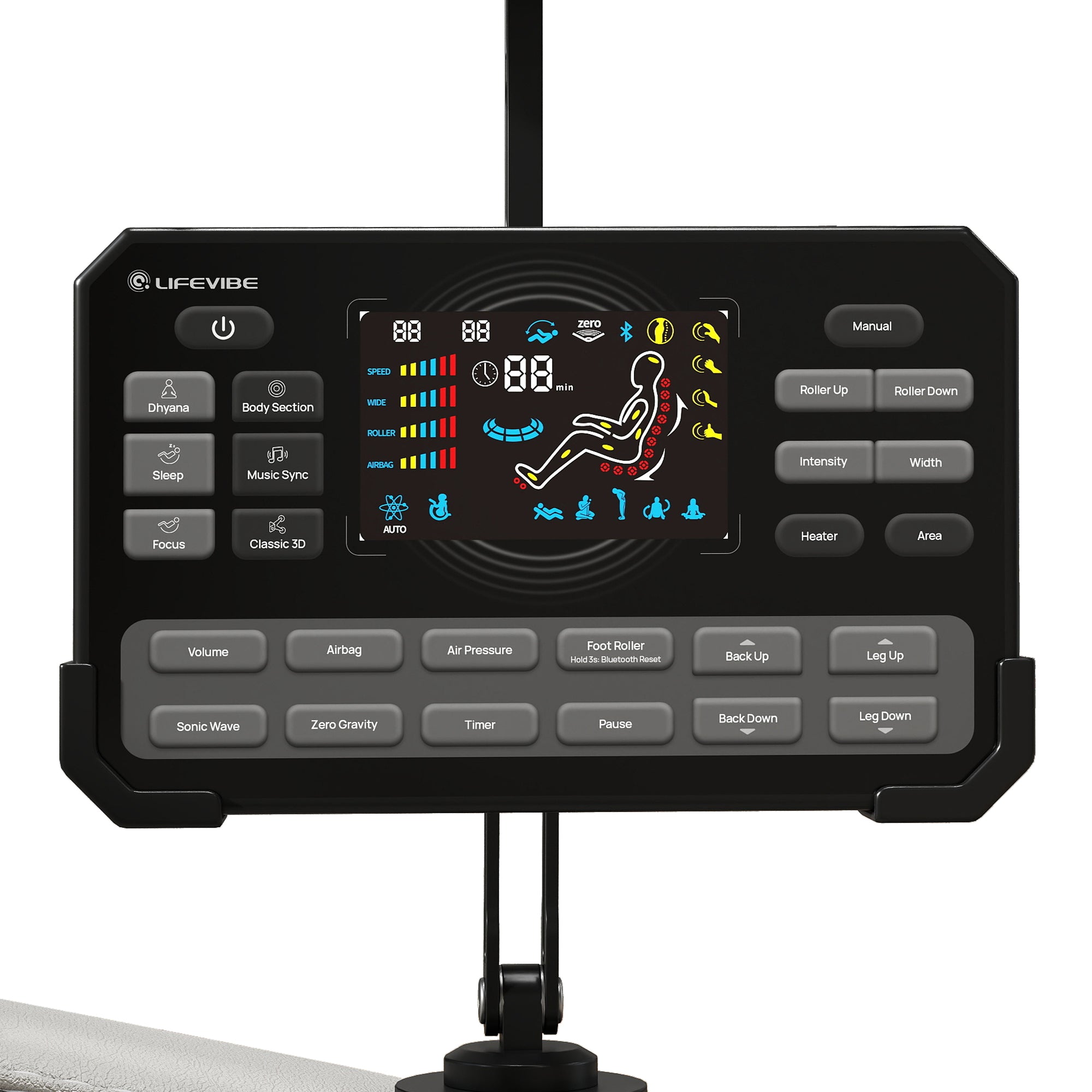
This is also why the VAT massage chair Prime includes modes like Sleep, Focus, and Dhyana. Each one uses different frequency ranges depending on what your body might need at that moment.

Where VAT Glow Prime Fits Into the Picture
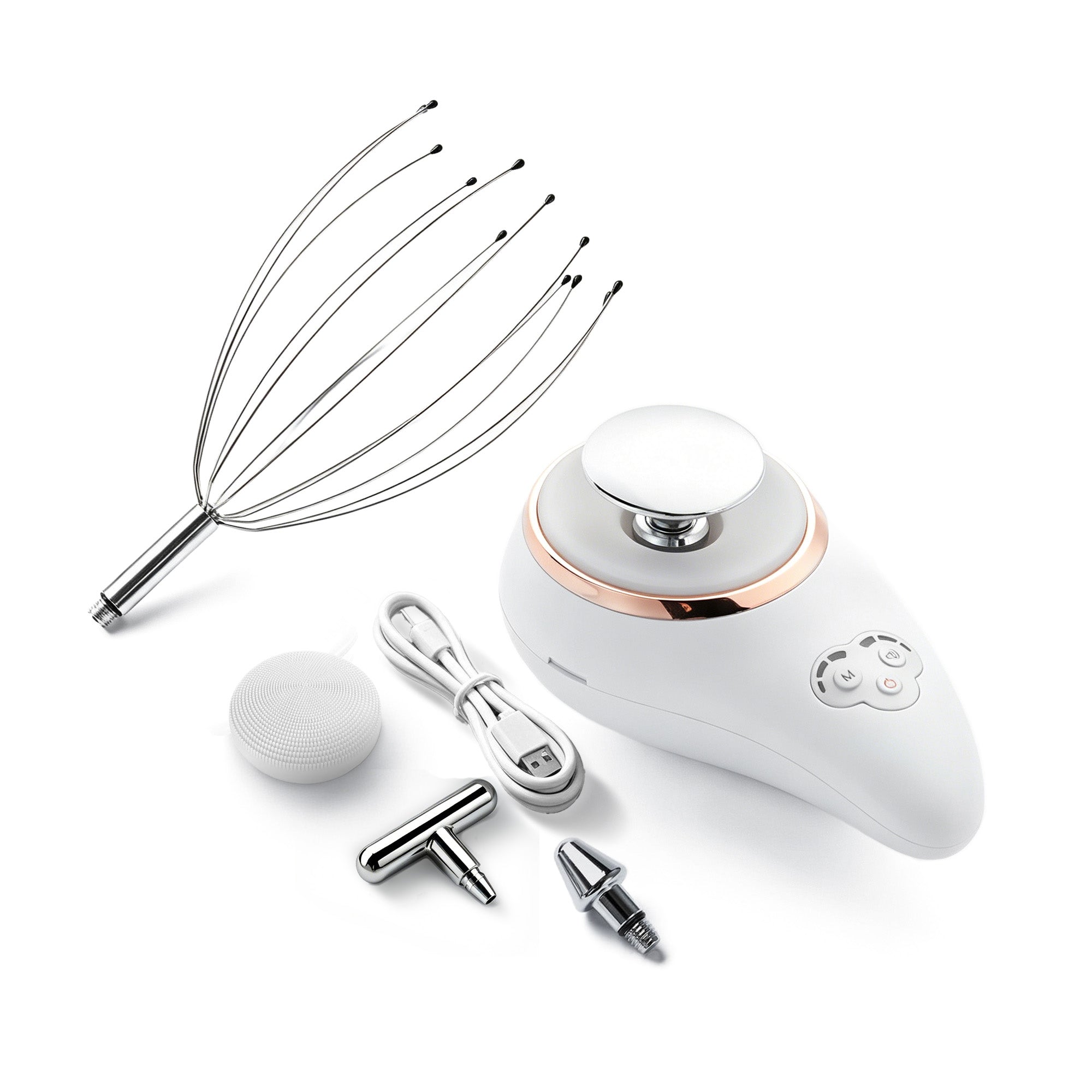
While the chair focuses on full-body resonance, the VAT Glow Prime by Lifevibe brings the same low-frequency science into a portable, handheld form.
Instead of full-body immersion, it targets smaller areas like the face, scalp, neck, and body zones using sonic vibration heads. It still works on the same principle: converting low-frequency sound into mechanical micro-vibrations that interact with surface tissues.

What makes it interesting is how it applies VAT principles in a more focused way. For example:
- Scalp mode uses gentle rhythmic vibration to stimulate relaxation in the head area
- Facial modes combine movement and vibration to support circulation and skin vitality
- Body mode helps ease local tension after long sitting or physical activity
Even though it’s smaller, the underlying science is the same—frequency-based stimulation rather than force-based pressure.
Why the Nervous System Responds So Strongly
One of the biggest reasons low-frequency vibration feels so calming is because of how it interacts with the nervous system.
The human body constantly interprets signals from the environment through mechanoreceptors—tiny sensors in your skin and muscles that detect pressure, stretch, and vibration.
Low-frequency signals tend to be interpreted as “safe and non-threatening” by the nervous system. That’s why they often encourage parasympathetic activation (the rest-and-recover state). A review in Neuroscience & Biobehavioral Reviews highlights how sensory vibration can influence autonomic balance and stress response regulation. This is also why people often describe VAT experiences as feeling “deeply settling” rather than just physically relaxing.
How does the Lifevibe Chair Prime help in sleep mode when you can’t sleep
Beyond Massage: A Different Way of Feeling the Body
What makes low-frequency vibration massage different is not just the hardware—it’s the idea behind it.
Traditional massage focuses on external force. VAT-based systems like the VAT massage chair Prime and VAT Glow Prime focus on internal resonance. Instead of pushing muscles from the outside, they gently encourage movement and relaxation from within.
It’s a softer approach, but often a more immersive one because it works with how the body naturally processes rhythm and frequency.
Why This Approach Is Gaining Attention
As more people spend long hours sitting, working on screens, or dealing with constant mental load, there’s growing interest in non-invasive ways to unwind.
Low-frequency vibration fits into that space because it doesn’t rely on intensity. It works through consistency, rhythm, and subtle stimulation.
Brands like Lifevibe are building on this by combining vibroacoustic therapy research with modern engineering—turning what used to be clinical or experimental setups into something you can actually use at home.
Closing Thoughts
Low-frequency vibration massage is less about “feeling strong pressure” and more about giving your body a different kind of input—one based on rhythm, resonance, and sound.
Whether it’s through the full-body immersion of the VAT massage chair Prime or the focused portability of the VAT Glow Prime, the underlying principle stays the same: your body responds to frequency just as much as it responds to touch.
And once you experience that internal wave-like sensation, traditional ideas of massage start to feel a bit more limited than they used to.



Share:
Is a Vibroacoustic Therapy Massage Chair a Good Gift for Parents?
A Zero Gravity Massage Chair for Seniors: A Safe and Comfortable Option